


For all current orders through April and May 2026, please contact Oliver via email or the 'contact me' page or send a What's App message to +44 7802 417810. Oliver will aim to respond within 48 hours. Sorry for any inconvenience.
Diary
Regular updates from Oliver's recent expeditions.
All images on this page can be purchased as acrylic, aluminium, canvas or mounted prints. Prices include postage. Orders can be placed by telephone or email too if you prefer not to pay by Paypal. For more details about the product styles visit Oliver's Prints page.
More diary entries coming soon...

8th - 27th September 2025 - Madagascar

Madagascar is one of those locations that you must visit before you die! That's not to say you need to rush, but if you're interested in wildlife, unique habitats and endemism, then you will do no better. Unfortunately humans have done their best to destroy a lot of the habitats in this extraordinary country, however there are plenty of gems still left to discover.
This was my third visit to the country and my second leading a photographic tour for Naturetrek. I love the mix of diurnal and nocturnal exploration and also to spend some time photographing the beautiful Milky Way.
During my trips I've enjoyed the smaller wildlife groups too and love photographing and showing clients the beauty not just with the birds and the cutest of mammals, but the diversity and stunning variation in the reptiles, amphibians, arachnids and invertebrates. Many, if not most of these species are endemic to the island and so it's always exciting to hunt for some of these often overlooked groups.
Some of the highlights during the September trip included Fossa, Schlegel's Asity, Verreaux's Sifaka, Dumeril's Boa, Aye-aye, Mocquard's Madagascar Ground Gecko, Flatid Leaf Bug, Western Nesomys, Southern Flat-tailed Gecko and the newly discovered Brookesia nofy.
My next tour departs in November 2025 followed by another in November 2026. New tours have also been opened up for bookings in September and November 2027. For more information and bookings please visit Naturetrek's website. For the full section of images taken during this tour please visit my Flickr page.
Here is a small selection from the trip.
1st - 6th July 2025 - Northumberland, UK

Following a few years' break, I returned for Naturetrek with a photographic group in search of seabirds and castles. It doesn't take much to find both here, but the key element of the tour was to teach the group on taking images of them.
We enjoyed six days exploring the coastline, Holy Island and of course the Farne Islands where tens of thousands of birds breed every summer. Our final stop was in the heart of Newcastle where we watching the magnificent Black-legged Kittiwake colony on the Tyne Bridge. The weather was quite mixed, however we managed to enjoyed some great moments with a range of stunning wildlife.
My next tour should depart in late June 2026. For more information and details on how to book please visit Naturetrek's page. For the full section of images taken during the week please visit my Flickr page.
Here is a small selection from the trip.
20th - 28th June 2025 - Shetland Islands, UK

Another successful tour leading for Naturetrek Wildlife Holidays, this time to Shetland, guiding a mixed wildlife group around this fabulous cluster of islands.
During our short stay, we managed to visit Mainland, Bressay, Yell, Unst and Fetlar with a sailing around Noss too for seabirds. We spent some time visiting a moon-like landscape in the Keen of Hamar, an incredible site for some very rare plants and for some, very small forms of commoner species.
One of the highlights though were a family of Shetland Wren who would hop around close to our heads and feet in the Jarlshof ancient buildings. They are slightly larger and stouter than those I see in southern England and they are known as the subspecies zetlandicus. What a treat!
There were also depressing moments too, particularly when sailing around the beautiful island of Noss. It is the sad reality and result of the fishing industry and the impact that discarding unwanted waste overboard does to our seabirds. The volume of discarded netting, wire and rope in our waters is appalling and a lot of it ends up in bird's nests, the adults mistaking it for seaweed. Sadly for some it is also a lethal deathtrap. Imagine starving to death over many days when you cannot escape being caught in fishing twine as it wraps around your feet, beak or wings. It does make you consider life choices and I've not eaten fish or fish-related products for many years, partly due to the way in which it is caught and the damage it does directly and indirectly to our wildlife and oceans.
For the full section of images taken during the week please visit my Flickr page.
Here is a small selection from the trip.
21 - 27 April 2025 - Kent & Dorset, UK

Expanding my wildlife horizons has always been something I wanted to achieve. Although that has meant I have been fortunate to travel to many beautiful places around the world, I also want to experience and explore more of the UK.
In recent years and also due to the guiding I do, I have been very keen to not only improve my botanical knowledge but also to target some of our key species in the UK. No surprise then that I have started off with orchids as I find them alluring and mesmerising at times. These delicate, often isolated plants require such specific conditions in which to grow, but they are one of our most striking family of plants. The other key factor is that in the UK at least, there are not that many species so it is easier to get to grips with this family as well as adding other groups to the list as I explore the British countryside.
During this week trip with Jen, we set off for locations in Kent and Dorset to enjoy some of the early flowering species. We were a little early for some and a little late as it turned out for others but we had great fun searching for them nonetheless. We also were targeting butterflies and reptiles, two other key taxa we enjoy photographing too.
For the full section of images taken during the week please visit my Flickr page.
Here is a small selection from the trip.
14 - 19 April 2025 - Isle of Mull, Scotland, UK

The Isle of Mull has always been a favourite island for me, having visited many times and going back long before it became really popular. The wildlife hasn't changed though (except for many more eagles of course) and it is all remarkable and very widespread and quite often approachable. Using correct fieldcraft and spotting skills, it is possible to enjoy and photograph many difficult species without disturbing it.
My latest tour for Naturetrek was the sixth I have led for them and the group had some fantastic sightings of European Otter, White-tailed Eagle and a superb mix of seabirds. Although we did not get photographic views of all our target species, we still managed to locate several Hen Harrier, Short-eared Owl, Golden Eagle and Twite.
My next tour should depart in April 2026. For more information and details on how to book please visit Naturetrek's page. For more images from my 2025 tour please visit my Flickr page.
Here is a small selection from the trip.
12 March - 6 April 2025 - Western Pacific Odyssey

Wow! What more can be said for one of the most iconic birding expeditions in the world. Setting out from New Zealand towards Japan for a four week sailing to some of the remotest islands on the planet has got to be one of the most amazing experiences of my life.
I was lucky to be asked by Naturetrek to lead a small group as part of a larger contingent of passengers on the Heritage Adventurer as we sailed through the Pacific Ocean, making landings at a number of stunning locations.
We visited Norfolk Island (Australia), Ambrym & Espiritu Santo (Vanuatu), Guadalcanal & Kolombangara (Solomon Islands), Bougainville & New Ireland (Papua New Guinea) and Chuuk (The Federated States of Micronesia). Each had its own fascinating history, culture and wildlife and we spent time ashore to maximise chances of seeing some of the rarest and most localised species in the world. We did very well with over 220 species of bird. We also looked out for other wildlife too and during the expedition we also spent time snorkelling and saw over 50 species of fish that we could identify as well as many cetaceans.
Here is a small selection from the trip, with more to be processed and published soon.
24 February - 9 March 2025 - Thailand

It's always exciting returning to a location for a second time; partly as your knowledge of the location and wildlife has grown, but new opportunities will arise and give you an added sense of success.
In February 2025, I revisited Thailand, a country I'd been to twice before with the second visit for birding and I spent six weeks there. I led two groups for Naturetrek and saw over 450 species of bird! It's an incredibly rich location for wildlife photography, with many hides and sites easily accessible.
Some of the highlights this year included Blank Panther, Siamese Fireback, Spoon-billed Sandpiper, Himalayan Cutia, Buffy Fish Owl and many many more.
My next tour will depart in March 2026. For more information and details on how to book please visit my Tours page. For more images from my 2024 tour please visit my Flickr page.
Here is a small selection from the trip, with more to be processed and published soon.
24 - 31 January 2025 - The Gambia

It's always nice to revisit locations more than once. You build up a picture of what works and what needs adjustment but also you can settle into a trip more quickly. This certainly applies to the Gambia where I've been four times for Naturetrek. It's now a fixture in my winter guiding calendar and lovely to see friends and new clients on each tour.
This year was particularly good for a number of species and we enjoyed plenty of action and activity on the sunset cruises and canoe trips. We made changes to our outings too and these produced some nice new opportunities too so well worth experimenting and trying new things.
We spotted around 162 species of bird and numbers butterflies, mammals and reptiles too, despite in being the dry season of course.
My next tour to The Gambia for Naturetrek commences on 23rd January 2026 so for more details of this and other trips I am leading, please see my Tours page.
Images for the 2025 tour are now available on my Flickr page.
16 - 29 September 2024 - Uganda

It's always exciting returning to a location for a second time; partly as your knowledge of the location and wildlife has grown, but new opportunities will arise and give you an added sense of success.
In mid-September, I returned to Uganda with a small photographic group from Naturetrek. We explored a range of habitats and regions including Mabamba Swamp, Lake Mburu National Park, Bwindi Impenetrable Forest, Kibale National Park and the largest of all Murchison Falls National Park.
The two-week trip focussed on enigmatic wildlife, along with some great opportunities for photographing at close range Mountain Gorilla, Chimpanzee, Shoebill and a wealth of other native and migrant species of bird and mammal. We also enjoyed some time with invertebrates and a couple of night walks where we found some very weird and wonderful invertebrates.
My next tour will depart in September 2026. For more information and details on how to book please visit my Tours page.
Here is a small selection from the trip, with more to be processed and published soon.
1 - 13 August 2024 - Mongolia

Mongolia is a vast wilderness with a small population and a wonderful mix of desert and mountain habitats and special wildlife. My first assignment to the country with a group of Naturetrek clients in search of an elusive cat was fantastic, with almost all key target species sought including the delightful Azure Tit.
We visited two areas; the Altai Mountains (for the enigmatic Snow Leopard) and to Hustai National Park (for Przewalski's Horse). Both locations were remote and stunning, with the high mountains over 3000m home to other delights including Siberian Ibex, Tarbagan Marmot, Siberian Jerboa, Pallas's Cat, Golden Eagle, White-winged Snowfinch and Hill Pigeon. On the lower slopes and steppe, we located Saiga Antelope, Goitered Gazelle, Pallas's Sandgrouse and Henderson's Ground Jay. At Hustai we encountered Wolf, Mongolia Gazelle, Corsac Fox, Snow Goose and later outside the park White-naped Crane.
On our first full day in the Altai, we also enjoyed Long-tailed Ground Squirrel, Chukar, Pallas's Pika and luckily Snow Leopard; in fact a family of five, a female and her four offspring, born the previous year.
This was an incredible tour and I hope to return again, possibly even as a photographic departure. More info will be announced in the future.
More images will be available online shortly.
16 - 20 July & 9 - 13 September 2024 - The Lizard, Cornwall

I lead a lot of tours in the UK, but one of my favourite is The Lizard in Cornwall. Although I've had a passion for birds since I was a small boy, I have evolved into enjoying all wildlife and when it comes to guiding it is great to be able to show people a whole range of different species and genres.
On this particular tour, I run moth traps, look for bats and owls in the evening, we go on a pelagic boat trip for cetaceans and seabirds and we visit a beaver reintroduction farm near Falmouth. We also have some stunning walks including along the coastline towards Kynance Cove looking for Chough. It's a beautiful area with so much on offer and I cannot wait to lead the next tours.
I generally lead two tours per year in July and September. For more information and details on how to book please visit my Tours page. For more images from my 2024 tours please visit my RSPB Images page.
Here is a small selection from the trip.
17 - 25 June 2024 - St. Kilda, Scotland, UK

Since I was young, I had always wished to visit the remotest of the UK's islands, and in particular St. Kilda. Who would have thought decades later I would get the opportunity to travel there with a group from Naturetrek.
Setting off from Oban on a nine-day voyage to explore the Outer Hebrides, the excitement was palpable. Our trip took in a number of islands including Rùm, Canna, Sanday, Lunga, Oronsay and Mull, but not before landing on Hirta, the only habitable island in the St. Kilda archipelago.
During the trip we encountered many wonderful wildlife moments including Minke Whale, Common Dolphin, Northern Gannet colonies, Atlantic Puffin, European Storm-petrel along with some beautiful landscapes.
Here is a small selection of images from the trip, with more coming soon on my stock libraries.
3 - 7 June 2024 - Cotswolds, Gloucestershire, UK

Leading new tours is always an exciting prospect and although I am very lucky to travel the world, I also get to explore new areas within the UK, which I absolutely love. This summer I was offered an overnight tour to the Cotswolds and also the day trips to the Painswick Valley area.
Not to miss the opportunity I spent several days undertaking a recce of all the possible sites we'd visit during the trips to ensure I was up to speed with the most likely species.
On the tours themselves, we were mostly targeting orchids, with butterflies, dragonflies, birds and plants the key focus. We located 16 species of orchid and helleborine including a stunning stand of hundreds of Bird's Nest Orchid. Despite overcast and windy conditions on some days quite a few butterfly species were recorded including the very localised Marsh Fritillary and plenty of Dingy Skipper, which were in fantastic fresh condition. Here is a selection of some of the treats from the recent tours.
For more information on my next departure to the Cotswolds for Naturetrek please visit my Tours page.
More images will be available on my stock agencies soon.
16 - 21 April 2024 - Isle of Mull, Scotland, UK
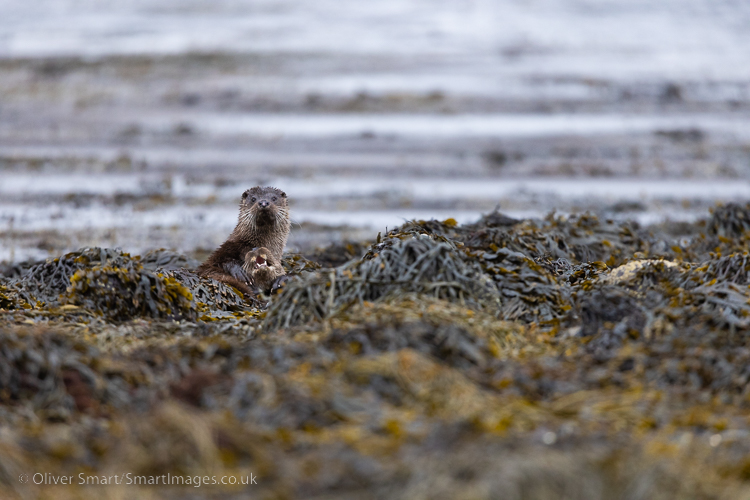
This was my sixth visit to the island of Mull with a group of five clients. Each trip is quite different despite the same targets and we enjoyed a number of super boat trips to photograph White-tailed Eagle and seabirds on the island of Lunga. We also visited the island of Staffa and spent hours searching for and photographing Eurasian Otter as well as White-throated Dipper.
We stayed at The Inn in Pennyghael, a lovely base for our five nights. Despite one very wet and windy day, we were blessed with good weather and experienced many highlights.
Along with my Canon prime EF 600mm f/4 lens, I also used my Canon RF 100-500mm f/4.5-7.1 for photographing the eagles and seabirds and with the fantastic animal eye tracking, it was a superb choice.
For more information on my next tour please visit my Tours page.
4 - 23 September 2023 - Madagascar
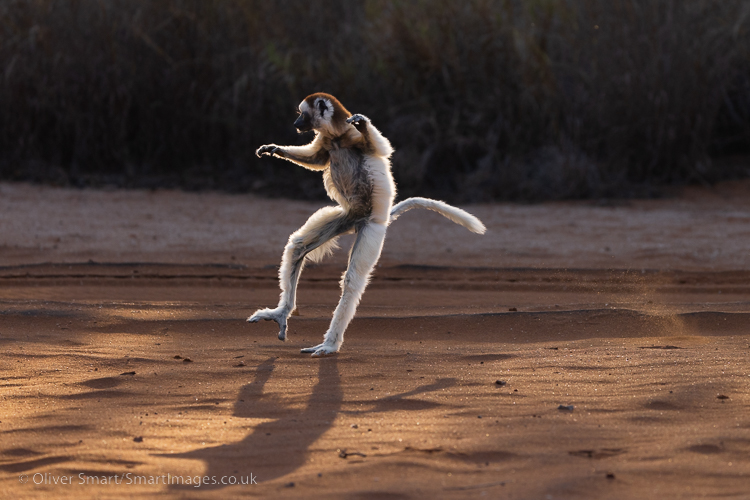
This was my second trip to Madagascar and first guiding for Naturetrek. The focus was photographing wildlife and landscapes and capturing the beauty of the Milky Way with baobabs and spiny forest.
The tour included a visit to one of the country's most amazing habitats, the Tsingy de Bemeraha. The limestone pinnacles rising hundreds of feet in the air provide home to extraordinary wildlife and exploring this special landscape was a truly amazing experience.
We also visited Lake Tsarasaotra, the Avenue of Baobabs, Berenty Reserve, Andasibe & Mantadia National Park along with Le Palmarium and Aye-aye Island. Each habitat with its own unique flora and fauna offered us plenty of challenges as we aimed to capture the beauty and diversity of this extraordinary wildlife found here and nowhere else on the planet!
If you would like to be notified about future Madagascar photographic tours then please sign up to my newsletter. I will be returning with a group in September 2025, so keep an eye out for more details soon. Further details can be found on my Tours page.
More images will be available on my stock agencies soon.
26 - 29 May 2023 - Exmoor, Somerset, UK
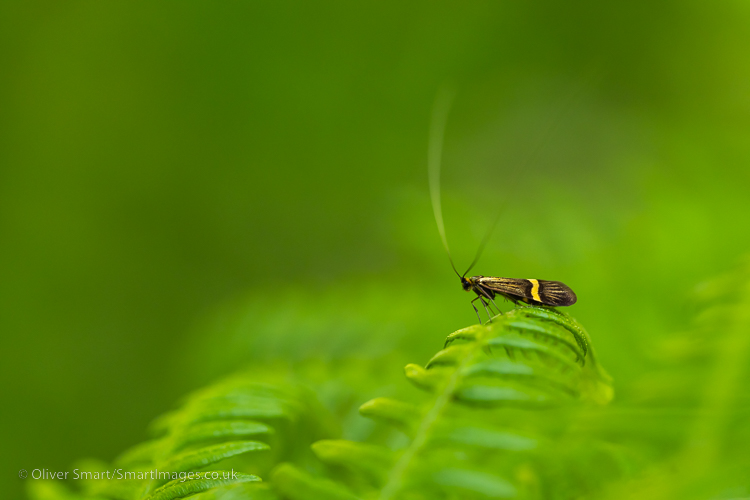
Following last year's inaugural tour to Exmoor, I led the second this bank holiday weekend. For the second year, it was a huge success, with so many highlights. From interesting moths, birds and beetles to plants and stunning landscape views, we covered all bases over the course of three nights.
This year we based ourselves at The Crown Hotel, where we were able to set the moth trap in the garden overnight. The food and service was very good and the owner really helped our wildlife group to make the most of our stay.
We visited a number of stunning locations in the National Park and saw a lovely array of birds including Pied & Spotted Flycatcher, Common Redstart, Common Cuckoo, Grey Wagtail, White-throated Dipper, Whinchat, Wood Warbler and Tree Pipit. We also encountered lots of Green Hairstreak and a Heath Fritillary larva as well as Common Tiger & Lesser Stag Beetle.
If you would like to be notified about future Exmoor wildlife tours then please sign up to my newsletter. Further details can be found on my Tours page.
For more of my stock images please view my collection on RSPB Images.
8 - 17 May 2023 - Cape May, USA
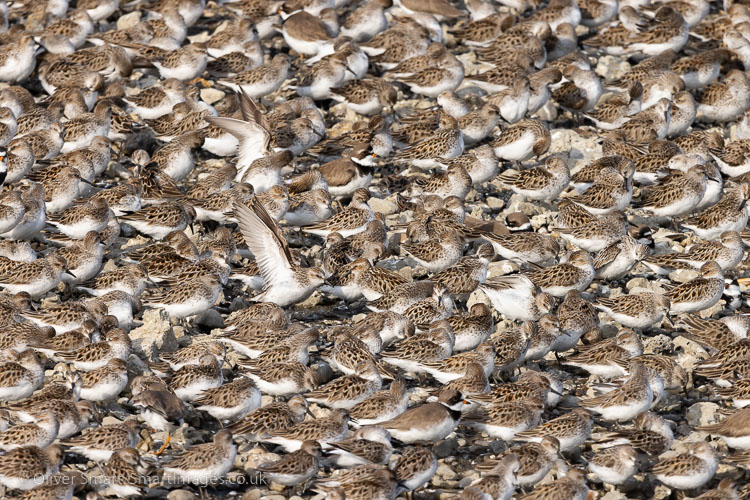
Having had a tour cancellation to the Outer Hebrides, I was delighted to be offered a replacement, to co-lead a trip to Cape May in New Jersey during spring migration.
This peninsula sticking out into Delaware Bay to the west and south and bordered by the Atlantic Ocean to the east is a superb migration hotspot through the spring and autumn.
Staying at the tip of Cape May, we navigated to a number of famous sites, reserves, viewpoints and beaches in search of migrating birds and other wildlife with some incredible highlights including thousands of Atlantic Horseshoe Crabs coming to lay their eggs, dozens of New World Warblers including Blackburnian and Prothonotary as well as Piping Plover and Rose-breasted Grosbeak. The trip report can be found on Naturetrek's website.
Here is a sample of some of the amazing birds and wildlife we managed to see. I do hope I will get chance to revisit and lead another group here. In case I do, then keep an eye out on my Tours page or better still sign up for my newsletter where all my future tours will be announced.
For more of my stock images please view my collection on Alamy and enter your 'Cape May' and click on the blue search icon.
28 & 30 April 2023 - Hawk Conservancy Trust, Andover, Hampshire, UK
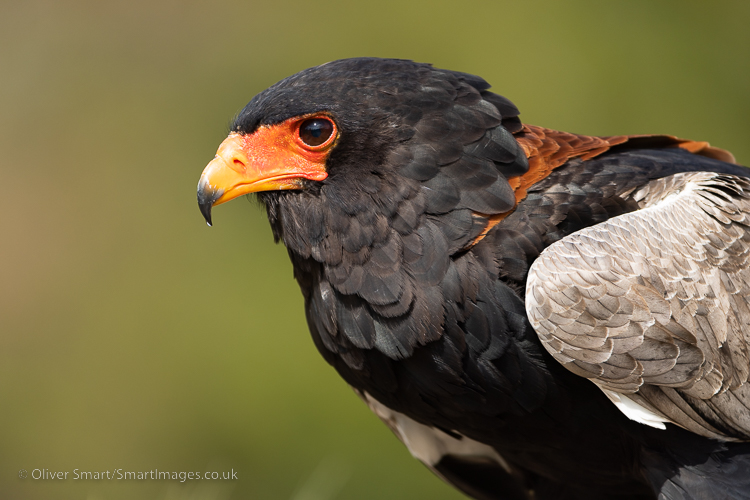
This year has seen a lot of exciting improvements at the Hawk Conservancy Trust and I loved the workshops I led during the spring.
Here is a very small collection of some of the shots that were possible. I normally work with around six British species of raptor and I occasionally throw in one or two overseas species as well, particularly if they're looking good and the conditions work. Each session is designed to maximise opportunities with spring flowers and vegetation and nice light throughout the day. Food and drinks are included in the price of the day and you'll get to enjoy a flying display too as part of your experience.
I run four workshops each year with the other two in the autumn. For more information and details of how to book please visit my Workshops page.
For my Hawk Conservancy Trust stock images, a large collection is available at RSPB Images.
11 - 22 April 2023 - Isle of Mull, Scotland, UK
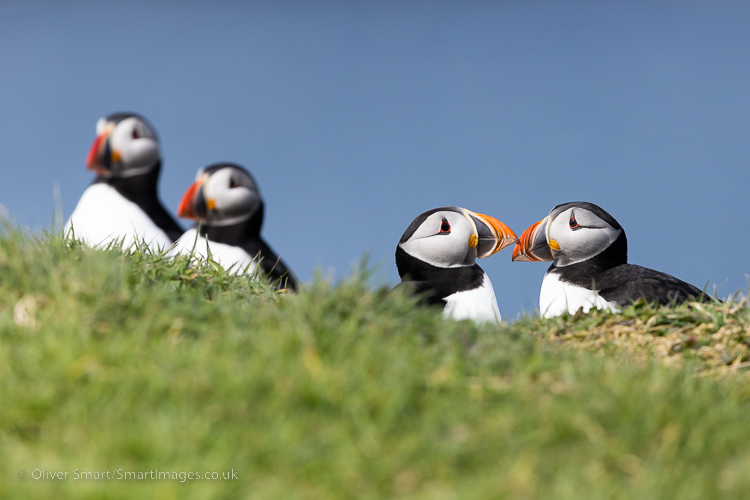
Following 2022's very successful tours to the Isle of Mull, working with Naturetrek, we ran two more in 2023. Apart from one wet day, which in fact turned out well with several otter sightings, we enjoyed beautiful conditions throughout the tours. Each group is limited to six, to maximise the space and opportunities to get close to nature. With pre-breakfast otter drives, walks, boat trips and a variety of species to shoot, we enjoyed a wonderful time on the island.
Along with some wonderfully enigmatic species including eagles and otters, puffins and owls, the two trips were a huge success. We also explored Iona, Staffa and Lunga during the trips, looking for seabirds and to enjoy photographing landscapes too. Thanks to Mull Charters and Turus Mara for their knowledge and expertise on boat trips we had to explore the area.
If you would like to be notified about future Mull photographic tours then please sign up to my newsletter. Further details can be found on my Tours page.
For more of my stock images please view my collection on RSPB Images.
24 February - 3 March 2023 - The Gambia
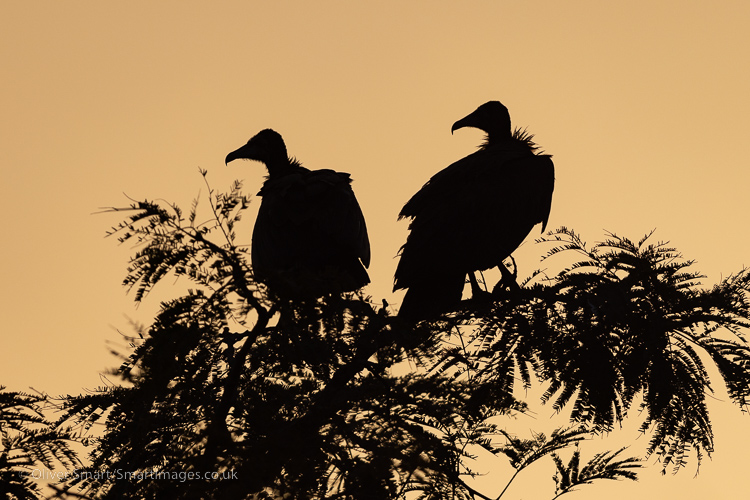
This was my third trip to the west-African country and this, my first Naturetrek photography special that I was leading to the region. Bordered by Senegal, the one thing that The Gambia benefits from is the main river running through its heart. This water source is superb for the array of animals and birds that it supports, either directly for food or indirectly in using the surrounding vegetation for nesting.
Based at the super Mandina Lodges in Serekunda, we spent eight days enjoying the wildlife from canoe and on foot. We explored the local mangrove-lined tributaries of the river as well as walking the nearby forest and open farmland. We also spent two days exploring outside the local area, capturing the essence of The Gambia with its extensive coastline, gallery forest and inland water bodies.
During the trip I also gave lots of one-to-one tuition, group slideshow sessions and photographic client feedback. We covered so many topics, but the main areas that were most important included birds in flight, lighting (including backlighting & silhouette), composition and capturing behaviour.
Here is a small selection of the beautiful species we managed to connect with during our stay.
With over 170 species of bird and several mammals seen during our stay, this was a great introduction to African wildlife and photography for the group. My next tour to The Gambia for Naturetrek commences on 26th January 2024. For more details of this and other trips I am leading, please see my Tours page.
More images will be available soon.
18 January - 1 February 2023 - Panama
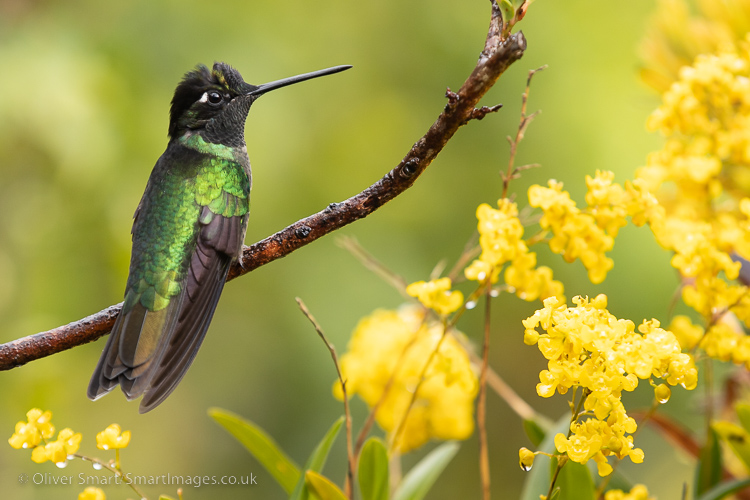
A black spot on my world map included Central America and following a different trip cancellation, I decided to end the omission. With friends, we headed to Panama, exploring the eastern hills, north-western mountains (close to the Costa Rican border) and the Panama Canal and City region.
The birdlife in particular in the region is incredibly rich, with over a thousand species in Panama alone. We had two weeks to explore a few altitudinal locations, looking for regional endemics as well as migrants, residents and overwintering species. Birding in the rainforest can be very difficult but rewarding when you finally connect with the elusive target species.
We enjoyed over 337 species of bird and 17 species of mammal alongside numerous reptiles, amphibians and invertebrates. The trip was booked through Geodyssey and I would highly recommend their services.
More images will be available soon.
12 - 13 November 2022 - Hawk Conservancy Trust, Andover, Hampshire, UK
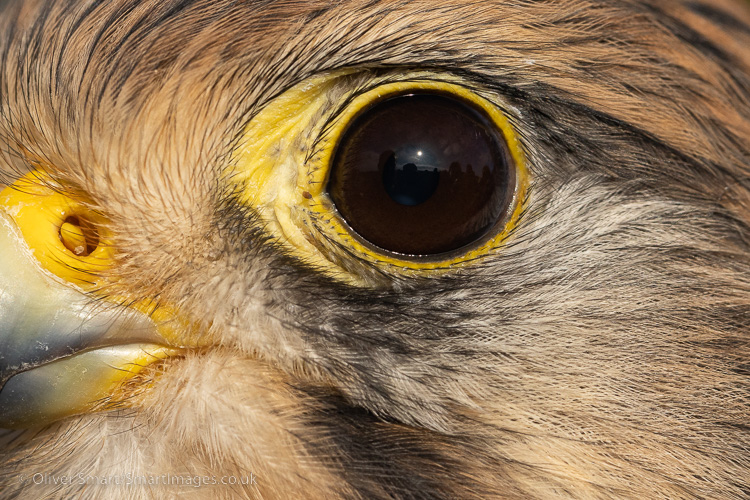
Every year I run four workshops to photograph birds of prey at the Hawk Conservancy Trust near Andover. There are usually two in the spring and two in the autumn, the latter workshops coinciding with the change in clocks and therefore a great chance to capture the birds with glorious colours and, with fingers crossed, a sunset.
This year, both days with 12 clients on each experienced fantastic conditions and a range of beautiful birds to photograph. I prepare all the props and sets and give advice on photographic techniques, lighting and anything else you need for your experience.
Here is a small selection of images; however, please note clients will take a larger number of shots with a wider variety of props.
For more information and details of how to book please visit my Workshops page.
For my Hawk Conservancy Trust stock images, a large collection is available at RSPB Images.
22 - 26 October 2022 - Norfolk, UK

During late October I spent a few days in Norfolk, some with a private client photographing a variety of the speciality birds there.
The winds had changed direction from the excellent easterlies that were present a day or so before, so the rarer vagrants didn't quite show up as hoped, however we had fantastic views of a number of localised species including Snow Bunting, Shore Lark, Red-throated Diver, Jack Snipe and Common Scoter. A Long-billed Dowitcher and Yellow-browed Warbler were not photographable but great to connect with. We also enjoyed vast skeins of geese and good numbers of waterfowl and waders too.
For more information on private tuition please visit my One to One page.
For more UK stock images, a large collection is available at RSPB Images.
26 September - 9 October 2022 - Uganda
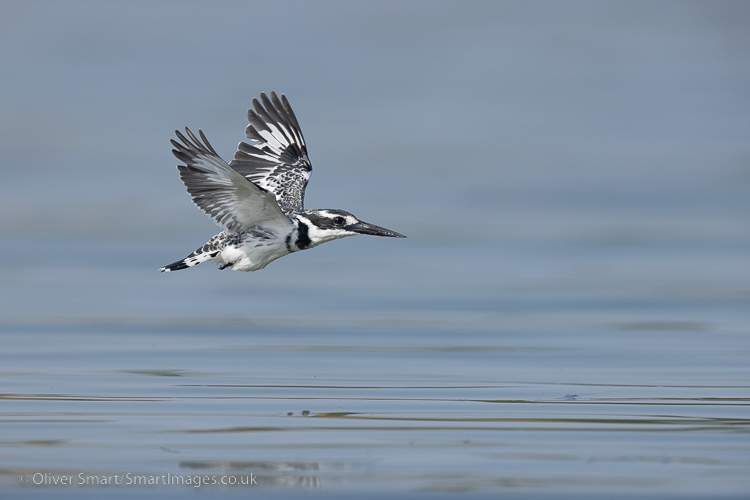
Following two years of postponement due to COVID-19, it was wonderful to finally be able to lead the inaugural photographic tour for Naturetrek to Uganda.
It is a country of wanted to visit for decades, so I was thrilled to be asked to lead the trip. Having visited Africa on many occasions and to areas close to Uganda, I was well prepared for the amazing array of wildlife, especially birds and mammals. The tour included five clients, all keen and eager to learn new photographic skills and to share together the super experience in the 'Pearl of Africa'.
Our focus was a circular loop of the western region of Uganda, covering stunning wildlife rich areas including Entebbe Botanical Gardens, Mabamba Swamp, Lake Mburo National Park, Bwindi Impenetrable Forest, Queen Elizabeth National Park and Kibale National Park.
We had some key target species to see including Eastern Gorilla, Chimpanzee, tree-climbing Lion, Leopard, Uganda Kob, Shoebill and many other stunning bird species. We succeeded in all of the above and so many more!
Following the success of the trip with over 300 species of bird seen or photographed and 27 species of mammal, we are running another trip in 2023. For more details please visit Naturetrek for full details and booking. More information and basic details can also be viewed on my website .
For my Uganda stock images, my full collection will be available soon on Alamy.
7 - 19 August 2022 - Bonaire, Dutch Antilles
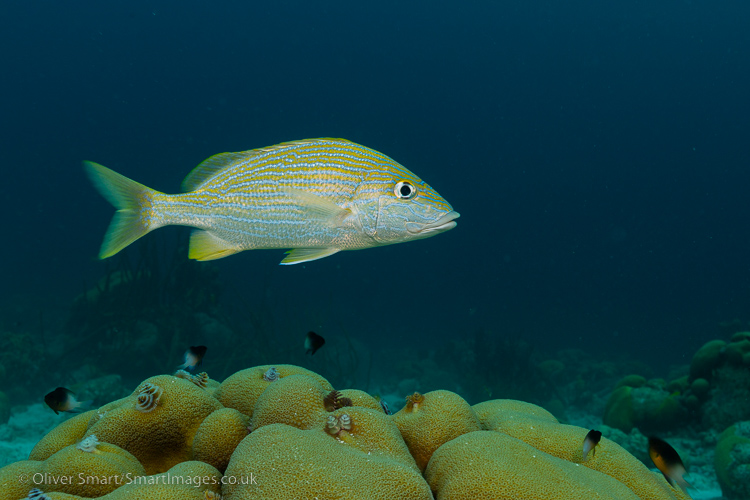
I've wanted to learn to SCUBA dive for many years and finally this year I was able to travel to Bonaire in the Caribbean and achieve my goal. Having already used an underwater housing for my Canon 5D Mk III, I was keen to add to this and purchased some INON strobes.
Over the first few days of the trip I enjoyed the wonderful warm tropical waters of this small island, close to Venezuela and gained my SDI Open Water certificate. It was one of the best experiences of my life, to be able to float in a 3D world and to marvel at some incredible underwater marine life.
I started to use the camera as soon as I could and learning all the tricks I'd read about or from previous experience when snorkelling with the camera gear. I have a few more images to work through but I hope you enjoy this small collection, along with some terrestrial photography shots that I took too.
For more details of the diving and location I visited please take a look at Captain Don's Habitat.
For more of my stock images please view my collection on RSPB Images.
4 - 8 July 2022 - Northumberland, UK
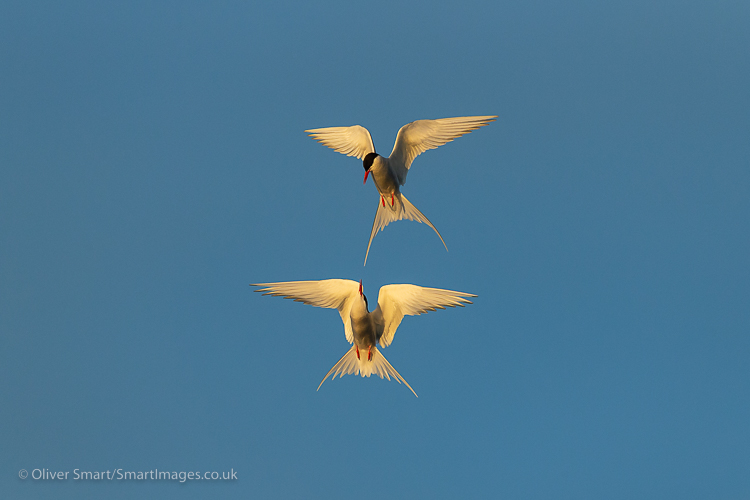
The tour this year was adjusted due to the tragic bird flu epidemic, which has caused the death of hundreds of seabirds on the Farne Islands. Hence the islands were closed to us this year, however we were still able to enjoy five boat trips along with plenty of coastal wildlife and scenic photography.
We visited Long Nanny, Holy Island, Seahouses, Coquet Island and Bamburgh during our four night stay. Apart from the usual seabird highlights, orchids featured well with six species observed. Here are a few of the wildlife and landscape highlights from the tour.
If you would like to be notified about future Northumberland photographic tours then please sign up to my newsletter. Further details can be found on my Tours page.
For more of my stock images please view my collection on RSPB Images.
14 - 18 June 2022 - The Lizard, Cornwall, UK
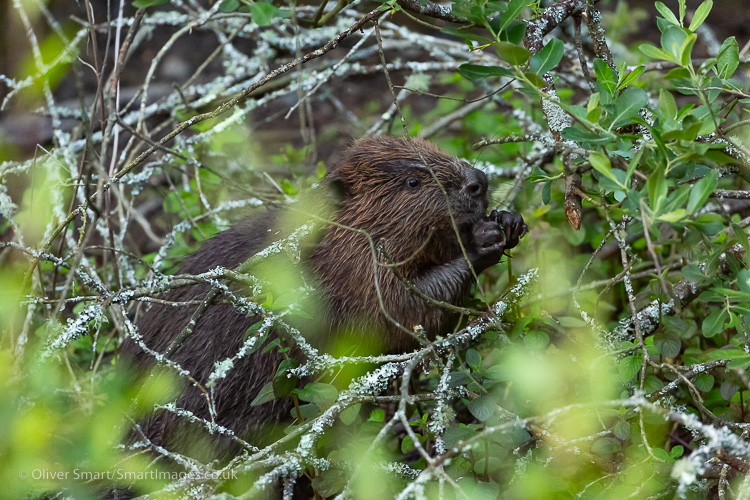
My second trip to Cornwall for Naturetrek leading the Beavers, Choughs and Cetaceans trip. This diverse adventure covers the coastline, grassland, woodland, a pelagic trip and evening strolls looking for bats as well as early mornings looking at moths! Not bad in just four days.
This year the highlight for many, apart from the wonderful Beaver sightings, was the release of Water Voles as part of their reintroduction to this part of Cornwall and completed by staff from Derek Gow Consultancy.
Chris Jones who owns Woodland Valley Farm is a true inspiration and his drive to bring back many endangered or extinct species on his organic farm is testament to his character.
If you would like to be notified about future Cornwall: Beavers, Choughs & Cetaceans wildlife tours then please sign up to my newsletter. Further details can be found on my Tours page.
For more of my stock images please view my collection on RSPB Images.
1 - 9 June 2022 - Best of Scotland, UK
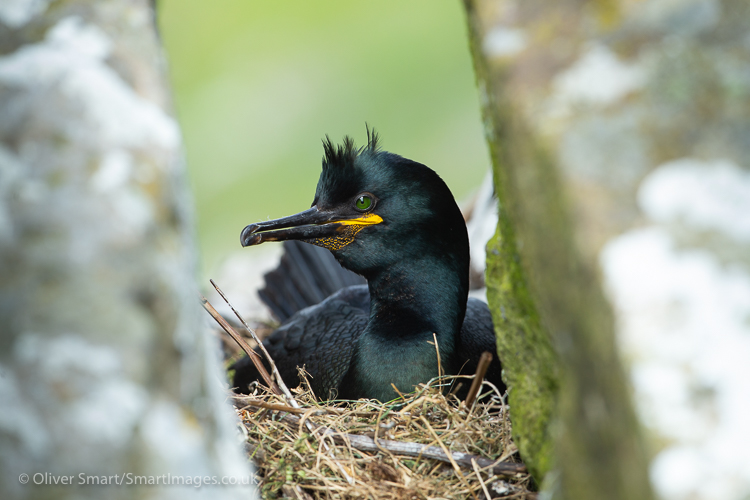
This Naturetrek special encompassed both the Isle of Mull and the Cairngorms, capturing some of the special wildlife of the region, with a final evening in Edinburgh. Having ventured to both areas so many times over the years, I was thoroughly looking forward to this great trip.
Along with some wonderfully species including eagles and otters, puffins and owls we visited some very special sites around the islands of Iona, Staffa and Lunga. We then spent a few days in the Cairngorms to experience the joy of the Caledonian pine forests. Thanks to Turus Mara for their knowledge and expertise on the Staffa & Lunga islands boat trip.
Although we did not have the opportunity to climb to the summit for the high mountain specialities, we still enjoyed some classic species including Black & Red Grouse, Crested Tit, Osprey, Goldeneye, Scottish Crossbill, Black-throated Diver, Slavonian Grebe and Pine Marten amongst many other commoner species.
If you would like to be notified about future Best of Scotland photographic tours then please sign up to my newsletter. Further details can be found on my Tours page.
For more of my stock images please view my collection on RSPB Images.
24 - 25 April 2022 - Salisbury Plain, Wiltshire, UK
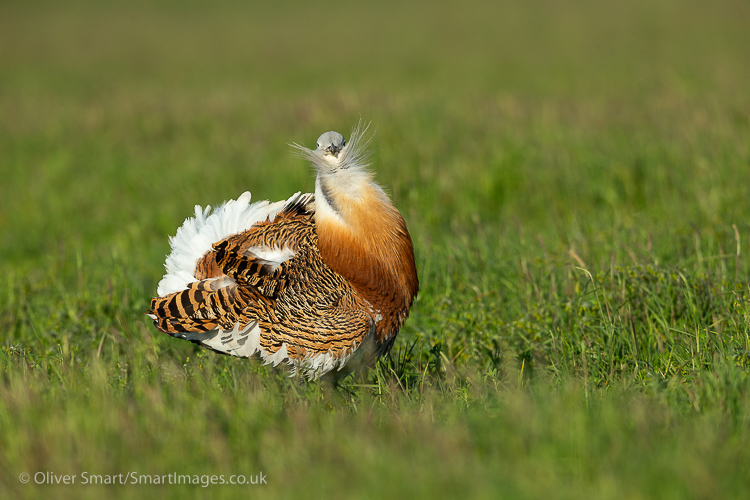
There are plentiful wildlife success stories in the UK and despite the continued decline of many or our species and habitats, there are people dedicating their lives to protecting, restoring or reintroducing lost species. Red Kite, Common Crane, Osprey, White-tailed Eagle to name a few, and now Great Bustard. These birds were lost from the UK in 1832 when the last of its kind was shot. Today there are over 100 birds in a couple of colonies, the biggest is on Salisbury Plain, where they were reintroduced from populations in Russia and now Spain.
The work is all due to a remarkable conservationist and bustard advocate David Waters who founded and runs the Great Bustard Group. It has been an incredible journey and one we should all really get behind. This is changing the way we approach reintroductions and the project has been gaining amazing momentum, with Royal approval, and hopefully in years to come Great Bustards will be scattered once more in colonies across the UK.
For more about the amazing work on the reintroduction scheme, please visit the Great Bustard Group.
For more of my stock images please view my collection on RSPB Images.
5 - 16 April 2022 - Isle of Mull, Scotland, UK
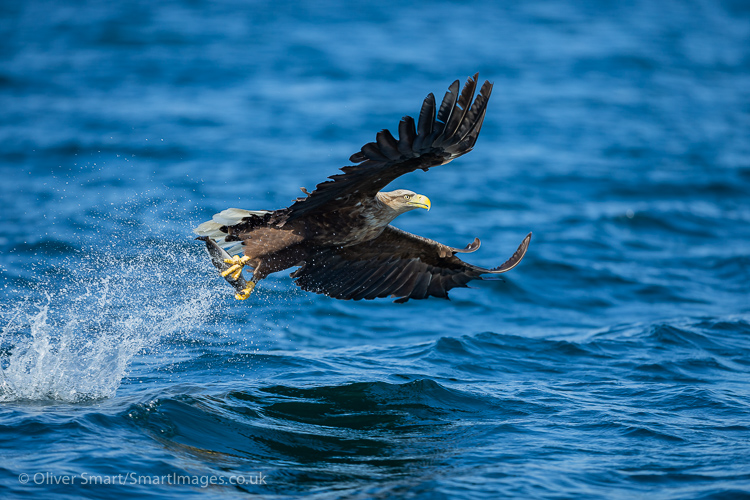
I've visited the Isle of Mull twice before and last year I was invited to lead two tours for Naturetrek in April 2022. Following plenty of planning and research, I set off with two back-to-back groups to explore the island.
Along with some wonderfully enigmatic species including eagles and otters, puffins and owls, the two trips were a huge success. We also explored Iona, Staffa and Lunga during the trips, looking for seabirds and to enjoy photographing landscapes too. Thanks to Mull Charters and Turus Mara for their knowledge and expertise on boat trips we had to explore the area.
If you would like to be notified about future Mull photographic tours then please sign up to my newsletter. Further details can be found on my Tours page.
For more of my stock images please view my collection on RSPB Images.
18 - 25 March 2022 - The Gambia
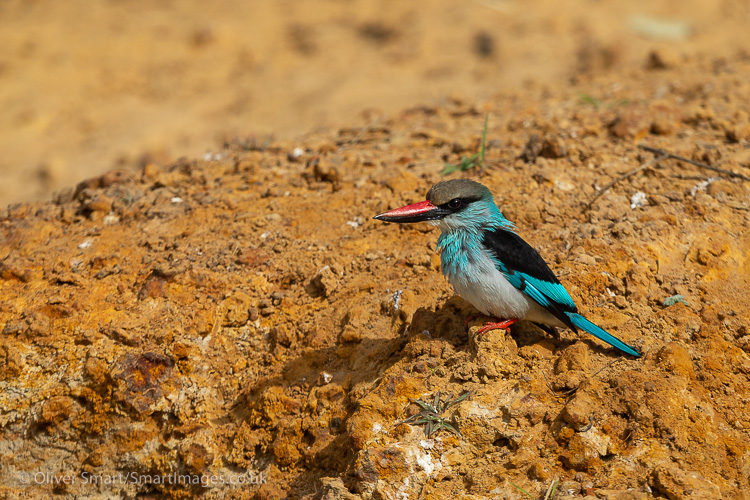
I love being able to fill in at short notice when required by Naturetrek, but two days warning was even a record for me! On an uneventful Tuesday morning I received an email asking if I could lead an eight day tour to The Gambia starting on the Thursday. I was definitely up for it and a couple of vaccinations later I was heading to Gatwick to meet the group.
The single-centre tour was based at Mandina Lodge and we had an absolute blast watching wildlife. Several of the group were very keen on photography too, so that was an extra facet that I could be involved with.
Following the success of the trip, I have been asked to run a photographic special to the country in February 2023, so check out my Tours page for more details.
If you would like to be notified about future Gambia photographic tours then please sign up to my newsletter.
For more of my stock images please view my collection on RSPB Images.
19 - 25 February 2022 - Cairngorms, Scotland, UK
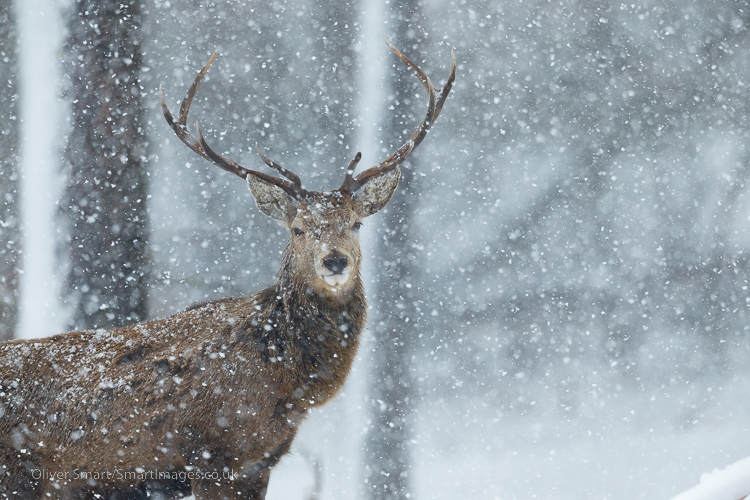
Following a great autumn Cairngorms trip guiding for Naturetrek in November 2021, I was asked to lead the winter trip too in February 2022.
The key focus of this tour was photographing wildlife in snow and wintry conditions and for the best part we captured this beautifully. The two Red Deer sessions were fantastic and also spending time with Crested Tits can really not be beaten!
Along the coast we managed to capture some super winter birds, in particular waders and sea ducks, with a very special close sighting of a Velvet Scoter eating crabs!
Along with some beautiful light, super accommodation and food and some top wildlife, this was a very enjoyable tour. Over two days half of the group were also able to use the Red Squirrel hide too and I was with the Crested Tit group for each session. More of the Cresties can be seen on my RSPB images library.
In future trips and depending on conditions and accessibility Ptarmigan and Mountain Hare are also possible targets too.
For more details and to book please visit Naturetrek. More information and basic details can also be viewed on my Tours page.
For my Scotland stock images, my full collection will be available soon on Alamy.
30 October - 5 November 2021 - Cairngorms, Scotland, UK
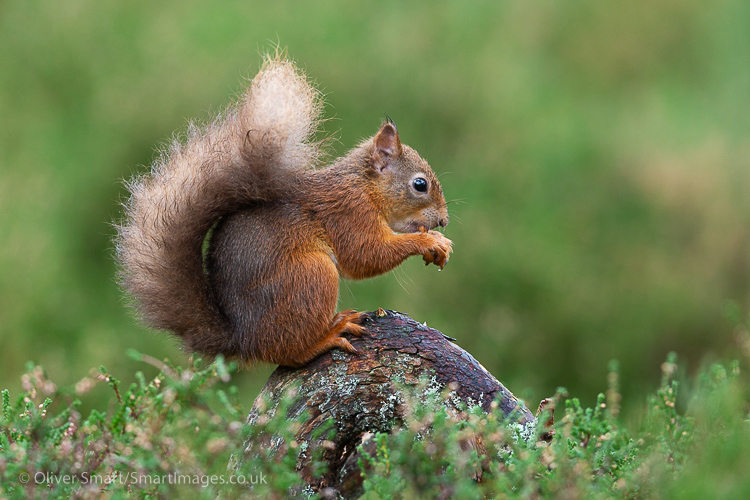
This was the first Scotland tour I'd signed up to lead for Naturetrek and what a great week we had. Red Squirrel, Crested Tit, Red Grouse, beautiful landscapes and much more.
The Cairngorms are home to some iconic species and I will lead two tours a year to the region, one in the autumn and one in late winter.
If you would like to be notified about future Scotland photographic tours then please sign up to my newsletter. Further details can be found on my Tours page.
For more of my stock images please view my collection on RSPB Images.
22 September - 8 October 2021 - Shetland Isles, Scotland, UK
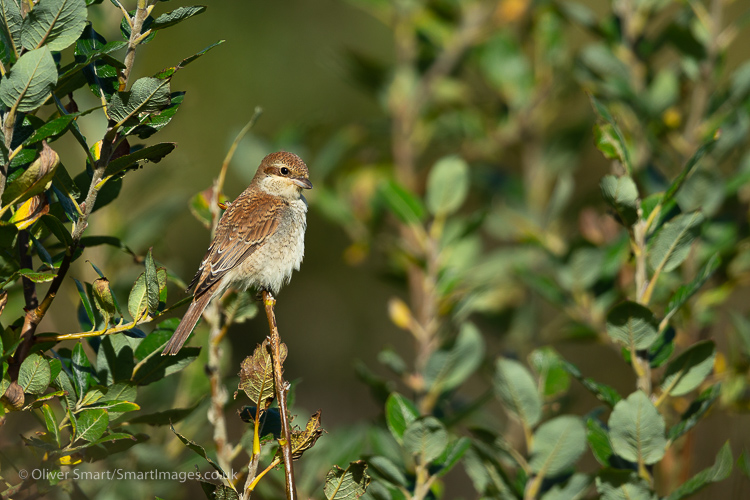
During the autumn migration of 2021, I led the first two tours to the Shetland Islands to target rare and casual migrants passing through. The tours were for Naturetrek and we covered the Mainland, Unst, Yell and Whalsay during the trips, although other islands are available too depending on what species turn up and where.
The islands are notorious for serious birdwatching where it is possible to pick up virtually anything from Yank birds (American) with westerlies to Sibes (Siberian) with easterlies. The prevailing wind direction will play its part too, with birds being blown off-course and arriving on these remote islands throughout late September and October. Some birds stay for days or weeks, while others disappear almost as soon as they are discovered. The tour therefore focusses on catching up with as many rarities as possible, whilst enjoying exploring and finding our own great birds for the trip.
The variety of birdlife was fantastic with a combined list of 121 species. During the two trips we recorded the following amazing species: Red-eyed Vireo, Oliver-backed Pipit, Bluethroat, Rustic Bunting, Little Bunting, Western Bonelli's Warbler, Marsh Warbler, Red-backed Shrike, Woodchat Shrike, Radde's Warbler, Barred Warbler, Yellow-browed Warbler, Common Rosefinch, Semipalmated Sandpiper, White-billed Diver, King Eider, Citrine Wagtail, Mealy Redpoll, Rose-coloured Starling, Shorelark, Snow Bunting, Long-tailed Duck, hundreds of Brambling and several Otter as well as dozens of other migrants. Quite a tally.
I will be leading tours again in 2023, so please find the details on my Tours page.
If you would like to be notified about future Shetland birdwatching tours then please sign up to my newsletter.
For more of my stock images please view my collection on RSPB Images.
19 September 2021 - Bempton Cliffs, East Riding of Yorkshire, UK
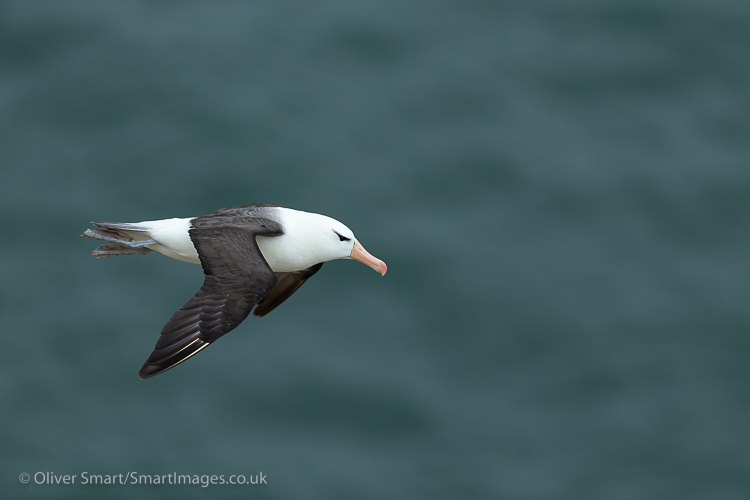
I've been very fortunate to have travelled to the South Atlantic Ocean, where I have visited huge seabird colonies, including one of the most extraordinary at Steeple Jason Island in the Falklands. Here hundreds of thousands of Black-browed Albatross breed in vast colonies as far as the eye can see.
Then we come to the UK, where unsurprisingly Black-browed Albatross do not 'normally' exist, well, except for one names Albie, who, for three years has returned to the seabird colony at Bempton Cliffs.
No-one knows where he goes in-between seasons, whether there is another bird out there for him/her or how old the bird is. It seems quite happy amongst the Northern Gannets but of course has yet to find a suitable partner, with which to breed. Fingers crossed one turns up one day...
For more of my stock images please view my collection on RSPB Images.
July - August 2020 - 'Lockdown', UK
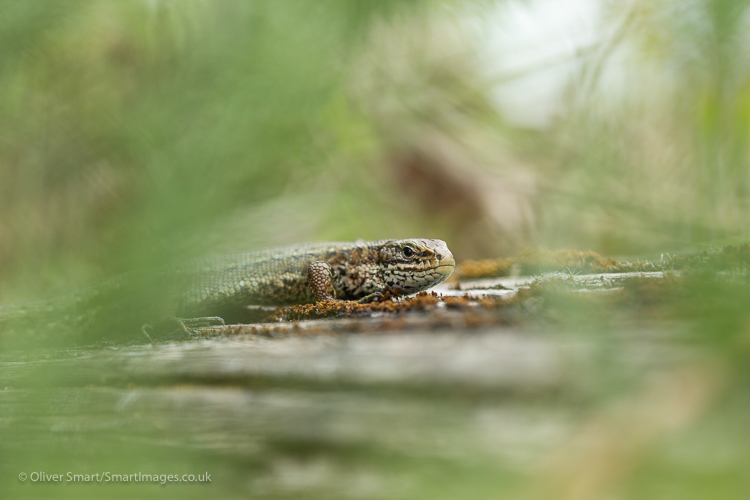
As COVID continues to ravish much of the World there is a glimmer of some normality at home. I'm still working the day job, but thankfully I have been able to utilise more time outdoors with the odd weekend away in the camper.
As a wildlife photographer, isolation comes with the territory and being amongst nature is a great calming influence on me. Blocking out much of what's going on in the World may seem selfish, but it's a great remedy when things are tough and nature certainly adds a much needed lighter balance to life.
I've continued to run the moth trap every few days with over 60 traps completed so far in 2020. This has given me another angle for my photography, something easy and quick to do in the morning, almost before my day starts. Other trips to the Forest of Dean, Dorset and Exmoor have all been great with lots of wonderful wildlife to watch.
For more of my stock images please view my collection on RSPB Images.
May - June 2020 - 'Lockdown', UK
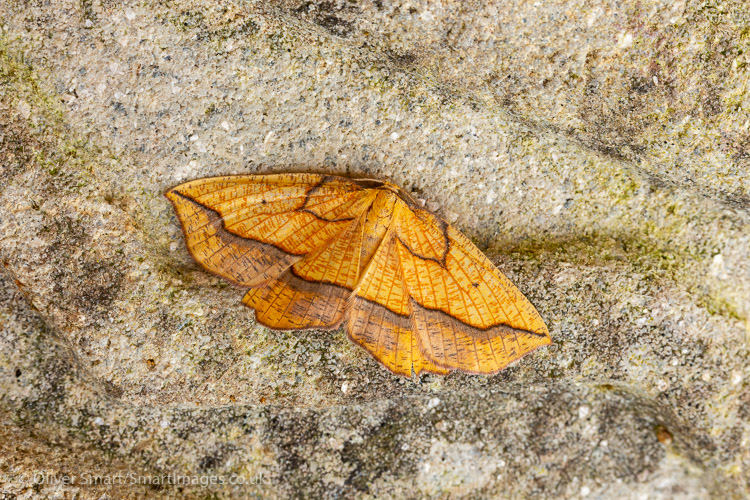
During the next phase of COVID-19 I was able to work from home and during this period I completed a lot of local wildlife photography and in particular running my moth trap every few days. I have studied moths at home since 2007 but during the recent events it has been possible to run the trap regularly.
This has been a great opportunity to increase the number of species recorded from my home location but also the chance to take images of some of them. I have written an article for All Things Wildlife on moth-trapping so please read it here.
For more of my stock images please view my collection on RSPB Images.
March - April 2020 - 'Lockdown', UK
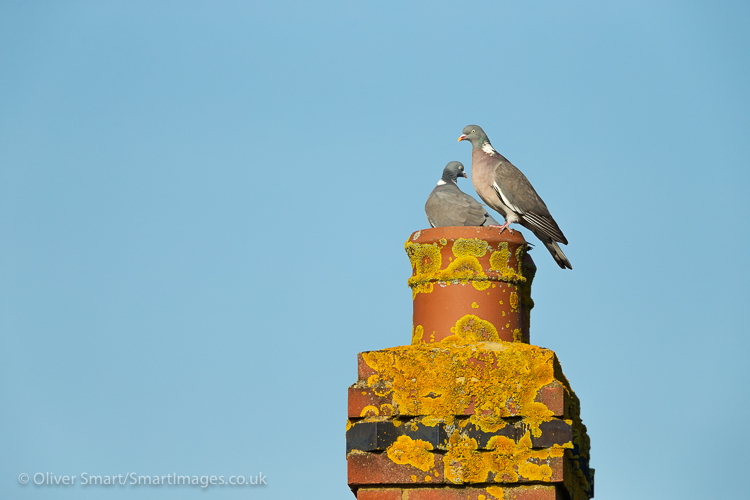
In these unprecedented times wildlife can have a really important place in our lives. For me it is essential to get my daily fix of nature or else I would probably get very lonely and depressed. Thankfully nature is free and everywhere and even the smallest outside space can attract interesting animals and plants.
I live on the edge of an urban park but it is amazing what wildlife can be found. I am putting out a moth trap every couple of nights to see what species are around as well as getting my daily walk or exercise (jogging or cycling). I've found Common Kingfishers nesting a few hundred metres from home, a nesting Eurasian Wren only 10 minutes walk, large clumps of flowering Lesser Celandine along with many other species. And this will only increase as spring continues apace into May and beyond.
Even from the house I have been able to photograph common birds which are very confiding, including Common Starling & Common Wood Pigeon. All of which make for some pleasing images and not costing me a penny. So far in five weeks I have driven just two miles to get food and the rest has been by foot or cycle; brilliant!
For more of my stock images please view my collection on RSPB Images.
12 March 2020 - East Devon, UK
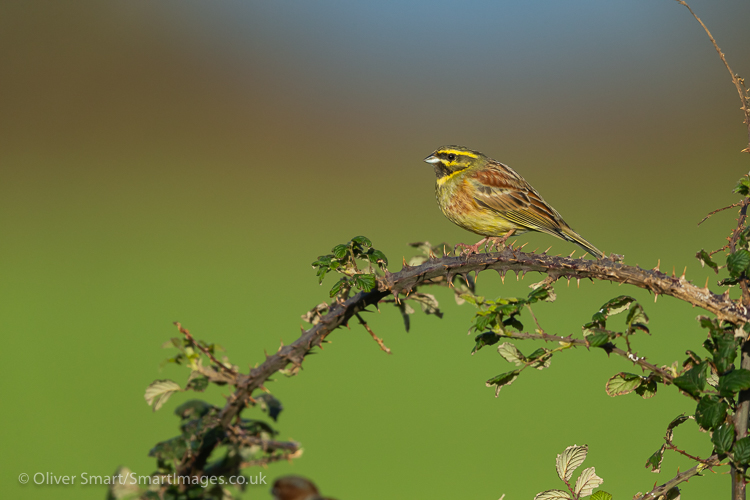
I've always classified myself as a birder or birdwatcher and not a twitcher but there have been occasions when I've really enjoyed twitching rare birds. I've not normally had time in recent years to chase rarities, but at the start of 2020 I was invited to compete in a UK year list. I therefore had the excuse to twitch a few more species that I wouldn't normally attempt to see. This has taken me mostly to sites in the south-west of England but elsewhere too where I've been staying with friends and then birding good species close by.
On one of these occasions I was birding in Devon and after a fantastic Long-billed Dowitcher sighting (soon to be surpassed by Ross's Gull!), I had one of the best afternoon's photography in a long while. The species I was shooting was Cirl Bunting and with glorious light and a perfect position I took over 1000 images. Thankfully it was a quick editing session as the best images stood out and here are a few, along with some House Sparrows visiting the same location here.
For more of my stock images please view my collection on RSPB Images.
January - March 2020 - General, UK
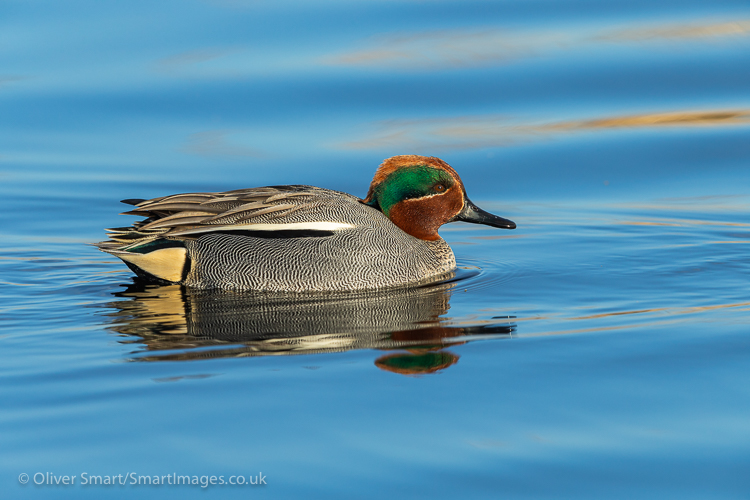
2020 started with a bang, having seen the New Year in during a visit to Norfolk. Friends and I decided to complete a year list of bird species and I got off to a flying start. Unfortunately Coronavirus brought this to an abrupt suspension in March when lockdown was enforced.
By the time I had to remain at home I had clocked up 170 species with some wonderful rare birds too including Ross's and Laughing Gull (images here). The latter took me five attempts to see it and the bird posed beautifully, if not, in better light.
Trips to London, Wiltshire and the Somerset Levels all produced good birds and photo opportunities and amazingly in three months I'd seen/found five Firecrests!
For more of my stock images please view my collection on RSPB Images.
9 December 2019 - Aberystwyth, Wales, UK
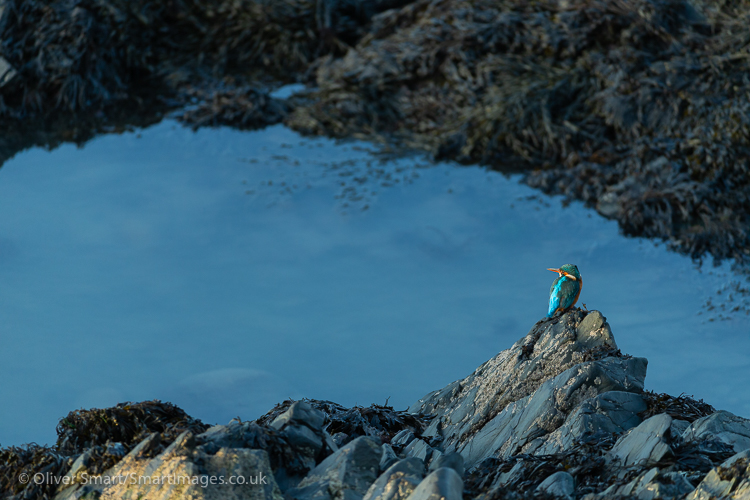
I love travelling with friends, and using my camper I enjoy many wild experiences available around the UK. A stormy weekend along the seafront at Aberystwyth was certainly an interesting experience. Winter is an ideal time to visit, with fewer people around yet still plenty of accessible wildlife around the harbour and seafront.
The target on this visit was the Common Starling roost which happens on the pier each evening. We were lucky to have been able to capture the beauty of the murmurations with warm sky hues along with a successful attempt at blurring the water too.
For more images from this location please view my collection on RSPB Images.
16 - 17 November 2019 - London, UK
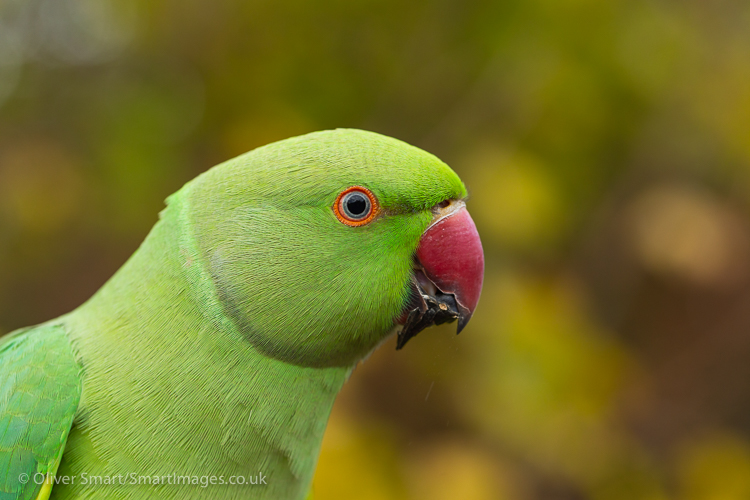
Cities may be overcrowded with people and wildlife has to somehow find their own niche. Thankfully there are many wonderful old parks and gardens in the capital that attract a wealth of species.
The one advantage for a photographer is that most of the animals are very confiding, having become accustomed to the volume of human traffic.
With these facts in mind it allows you to be more creative with your images as it is easier to entice your subjects.
For more images from this location please view my collection on RSPB Images.
2 November 2019 - Hawk Conservancy Trust, Andover, Hampshire, UK
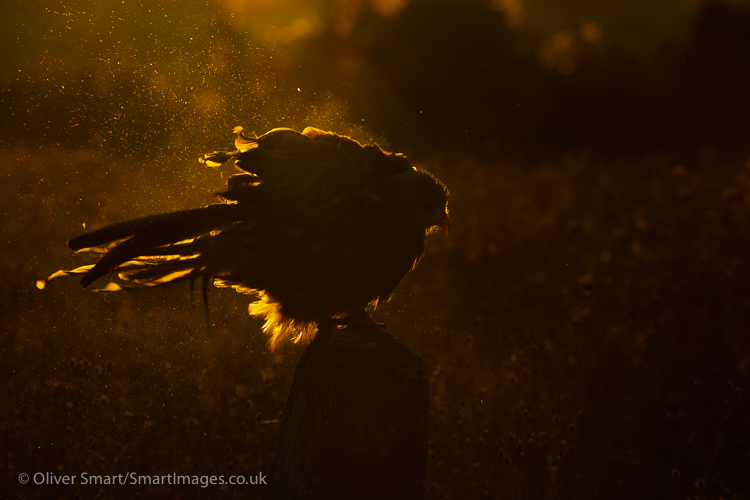
Following the cancellation of my first ever workshop due to severe weather, I was able to watch the Rugby World Cup final. Sadly that did not go my way either so I simply had to look forward to my workshop on the Sunday instead.
Quite unbelievably the conditions were absolutely opposite to the day before, with calm conditions, (at times) glorious light and only a light breeze. A lovely group of clients thoroughly enjoyed the session and we managed a good range of species and images throughout a thoroughly enjoyable day.
For availability and booking on future events please visit my workshops page.
For more images from this location please view my collection on RSPB Images.
2 November 2019 - Wiltshire, UK
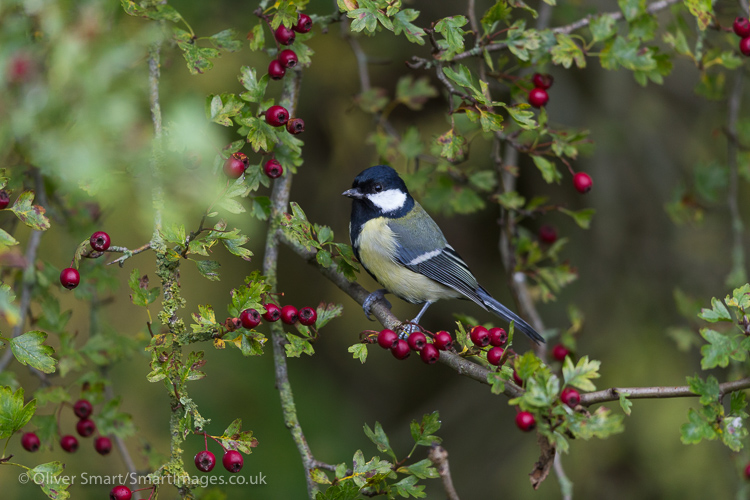
A visit to Langford Lakes in the autumn can conjure up a number of late departing migrants. However, it was the common birds I was keen to photograph on this visit, partly because of very poor light for water-based subjects, but also I was keen to capture images of Marsh Tit, a species I have never had visit my garden.
To achieve a reasonable speed of 1/125 second I was using between 1600 and 2000 ISO. I was only likely to obtain static perched images so keeping the noise to a minimum was important.
For more images from this location please view my collection on RSPB Images.
25 - 26 September 2019 - Arne, Dorset, UK
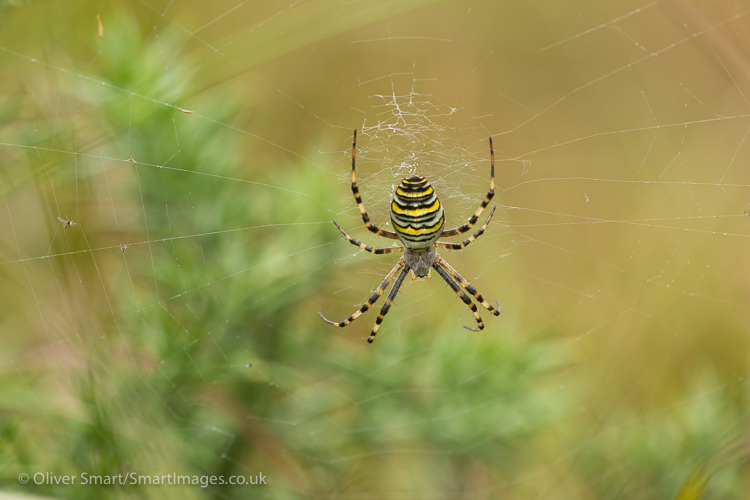
Heathland is very much a managed habitat but with so many specialised species it is one of the most incredible locations for unusual wildlife in the UK.
We have lost most of our heathland in the past 50 years so the few fragments that remain are protected to encourage and secure the futures of some of our most iconic species.
Late summer and early autumn is a good time to look for spiders here and both Wasp and Raft Spiders can be found with relative ease. Arne also holds all six species of British reptile too so it's a great place to visit if you enjoy your herpetology.
For more images from this location please view my collection on RSPB Images.
21 July 2019 - Wiltshire, UK
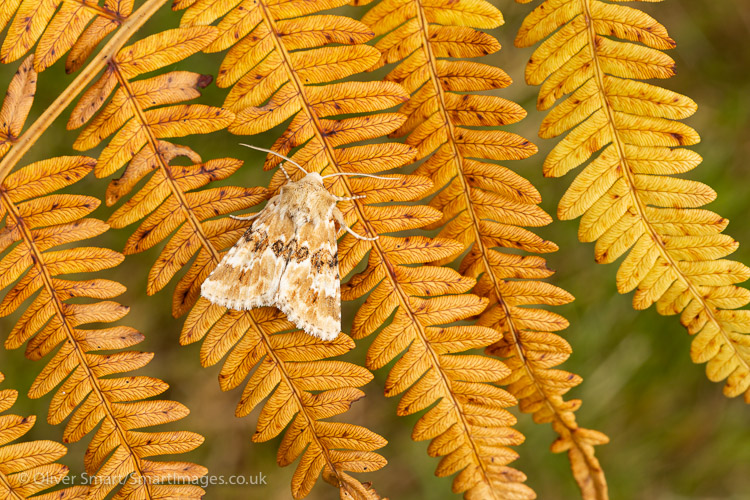
Staying with friends in Wiltshire I took my moth trap having seen the forecast, encouraging my hosts to put out the trap overnight. The summer is such a great time to attract moths and having no idea what could turn up in a new location is one of the most exciting aspects.
The garden was relatively small with only a limited amount of cover, mostly grass lawn and a few sparsely planted borders. Neighbouring gardens appeared to be more well-stocked with plants, shrubs and trees and so even though at first glance the opportunity looked relatively poor there was always hope.
With clear skies on a mild evening and light breeze we caught 53 species in total and were able to photograph a good selection of these. Interestingly I picked up 11 lifers on this one evening, which was great considering I've been moth-trapping for 12 years!
For more images from this location please view my collection on RSPB Images.
21 - 22 July 2019 - Wiltshire, UK
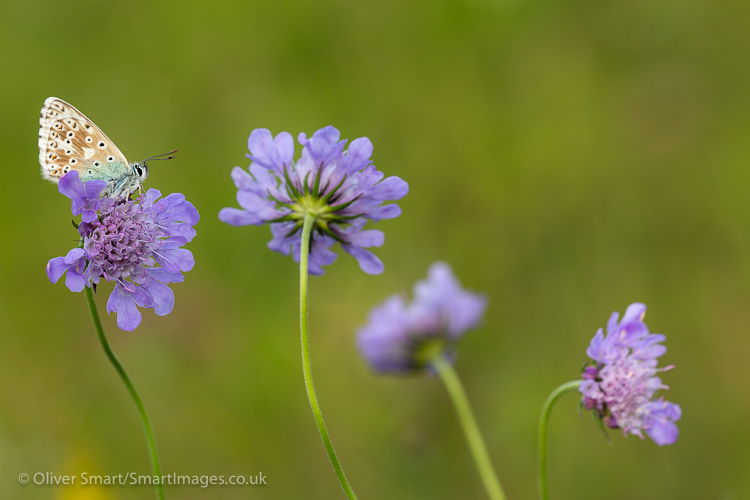
Photo shoots do not always go to plan and quite often the target species is nowhere to be found and no matter how much research and effort is made in the field wildlife does not perform on cue!
I think this is perhaps why wildlife photography is so exciting and fascinating as you never really know what you are going to find and photograph. Thankfully I enjoy all wildlife groups so no matter what my target species is I love being outdoors, wandering and exploring, and if I come home with some nice images of a different species then I'm still as happy as could be.
For more images from this location please view my collection on RSPB Images.
14 - 16 June 2019 - Skomer & Ramsey Island, Wales, UK
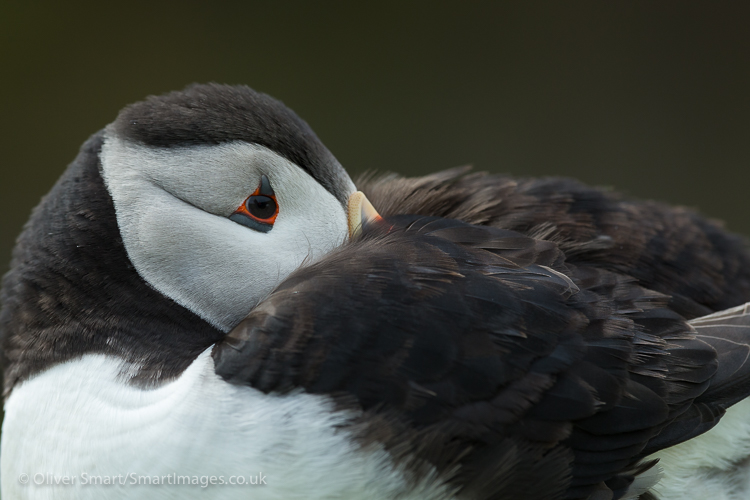
My birthday weekend treat and what a treat it was! Three days exploring west Wales and some wonderful remote islands. Booking for accommodation was far too late but day trips allowed great views and photographic opportunities for a number of seabirds and landscapes.
I have really started to enjoy shooting wildlife small in the frame and am not frightened to leave the big lens behind or choosing a smaller telephoto or wide-angle to shoot with instead when on location. The perspective and creative composition is greater enhanced when you can see more within the image.
For more images from these locations please view my collection on RSPB Images.
1 - 2 June 2019 - Oxfordshire, UK
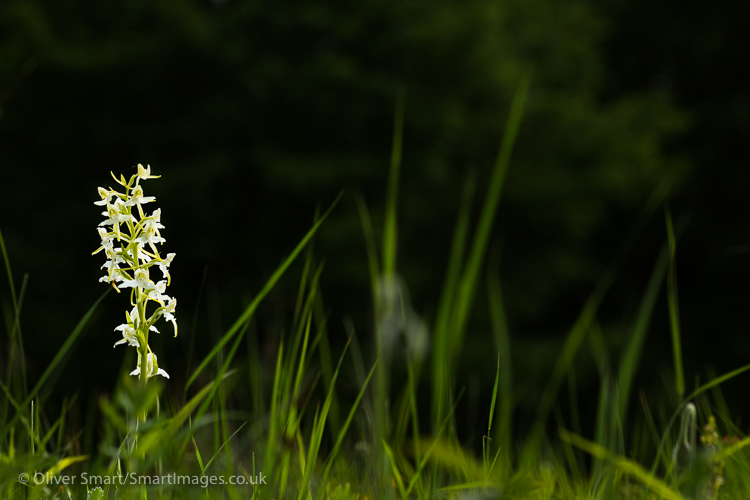
I'm happy to admit my knowledge of wild plants is very limited and for me the best way to learn more is to get out and start exploring. Of course my objective is to try and photograph the subjects I'm searching for, but I ensure I do plenty of research before and after a shoot to increase my understanding and interest in the subject matter.
Field guides and online resources are so good that it does not take long to pick up the basics and begin to appreciate the diversity and beauty of the botanical plethora in the British Isles.
For more images from this location please view my collection on RSPB Images.
18 - 26 May 2019 - Peru
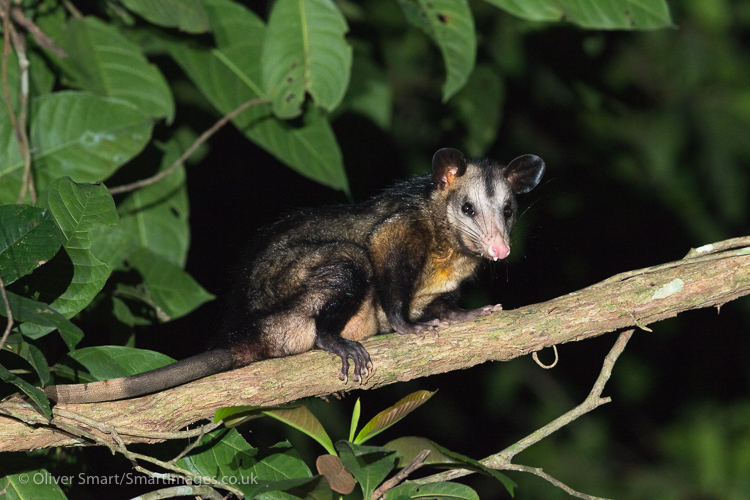
During the British Birdfair in August 2018 I placed a last minute bid on an auction lot for a trip to Peru. I hadn't completed any research on the trip, the wildlife or the company I was travelling with, however what a trip it was!
A friend and I stayed with Inkaterra throughout Peru including the Amazon and Machu Picchu. The accommodation was absolutely sublime; set in picturesque surroundings but welcoming nature to your door!
For more of my stock images please view my collection on Alamy and enter your 'Peru' and click on the blue search icon.
16 May 2019 - Hampshire & Surrey, UK
On the journey to Gatwick Airport for a trip to Peru, my friend and I spotted many Red Kites in the sky. Tracking down the location we saw they were feeding in a field currently being ploughed. View plenty of time on our hands we stopped and watched the action, counting over 70 birds soaring and coming down to feed on invertebrates in the freshly tilled soil after each tractor pass.
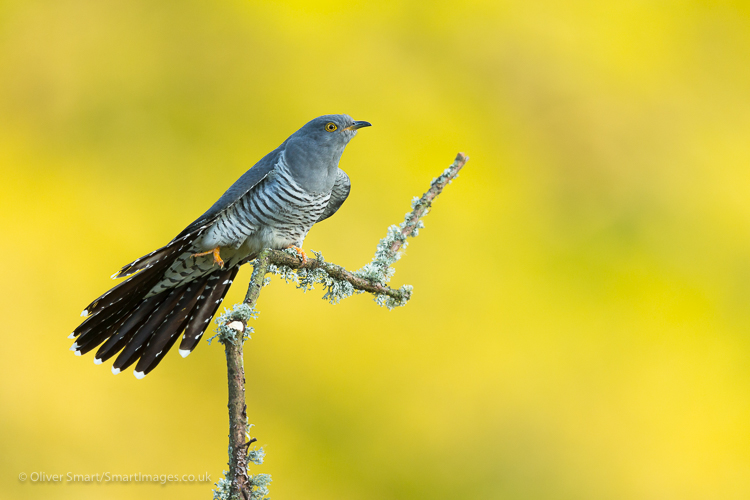
Following on our drive we visited an RSPB reserve in Surrey and was delighted to locate a rather famous cuckoo which delighted all the waiting photographers. I kept moving position to obtain different angles and compositions and it was very interesting to watch everyone else missing most of the following shots!
For more images of the Common Cuckoo please view my collection here or for images of Red Kite visit here.
6 May 2019 - Exmoor, Somerset, UK
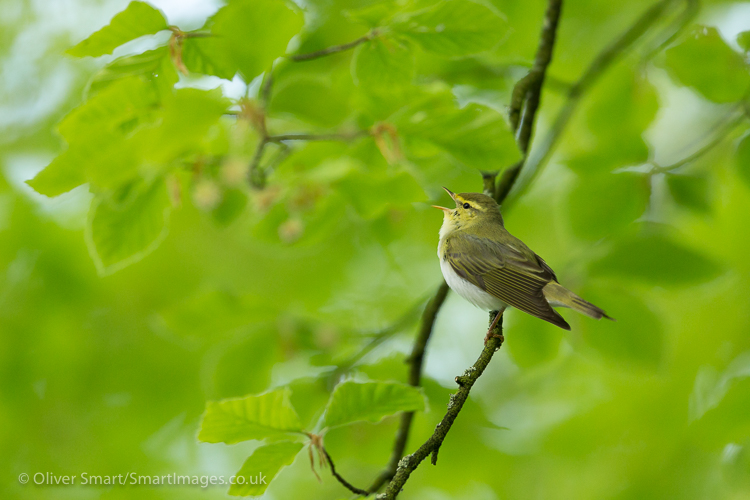
Spring is a magical time of year and finding yourself walking around an ancient woodland at dawn you realise just how beautiful the British countryside is. If only there were more woodlands like Horner Wood in Somerset.
Camping in Halse Combe I explored the woods in the hope of finding three summer migrants; Wood Warbler, Pied Flycatcher and Common Redstart. I found all three in reasonable numbers, and with the former two I was able to find very obliging individuals to photograph. I cannot wait until the 2020 spring and hopefully take a return visit.
For more images of this visit please see my collection on RSPB Images.
28 April 2019 - Hawk Conservancy Trust, Andover, Hampshire, UK
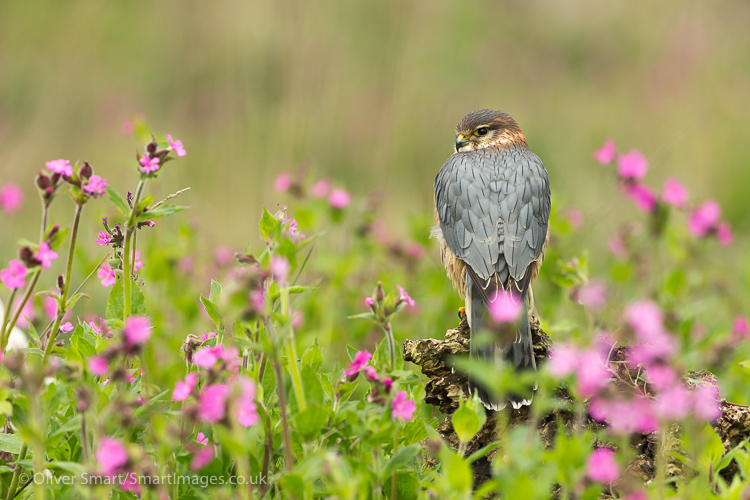
Workshops are a great way to get close to many species of bird of prey and owl and at the Hawk Conservancy Trust this is a prime location to do it.
Having led workshops here for nearly 10 years I have a good knowledge of the birds, props and settings with which to shoot. I lead tours in spring and autumn to maximise the beautiful colours from blossom and flowers in April or May to the turn of the season in November when leaves are all variety of orange, yellow and green. For more information on my next events please visit my events page.
For more images from this location please view my collection on RSPB Images.
2 - 16 April 2019 - Ethiopia
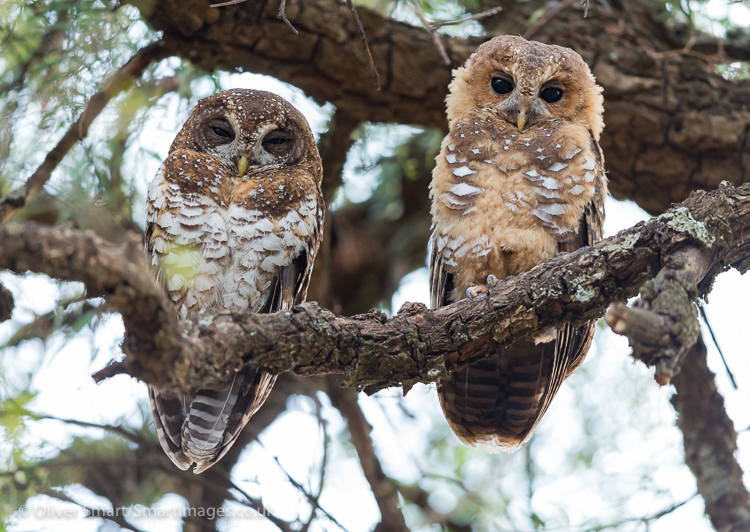
My first photo tour leading a group for Reef & Rainforest to Ethiopia and what a trip we had. The number of bird species for a land-locked country is incredible, not to mention the 40 or so mammals we encountered. Of course not all species are photographable but a great number were.
The next tour to this wonderful country will be in November 2020. For more details please visit my photo tours page.
The tiny selection here gives a taste of the quality of the wildlife and more images will be available on Alamy soon.
13 February 2019 - Wiltshire, UK
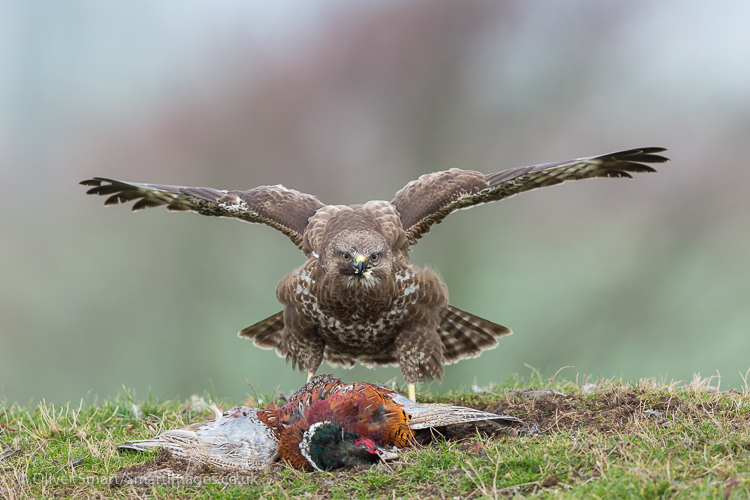
A late winter visit to the buzzard hide in Wiltshire was a great way to fill a mid-week day off. I've been working on a garage project and whilst I waited for the next phase to take shape, I enjoyed the close encounters with six buzzards, two red kites, magpies, carrion crows and a raven all in the space of a few hours.
The variety of images from compositional perfection to frame-filling action makes this a fantastic opportunity to get close to some of our most charismatic common British species.
The hide is rented to photographers and bird watchers on a daily basis and you can book a place to use the hide on my hide bookings page.
I'm just hoping there will be another bout of snow and I will get over there as soon as it is possible to do so!
For more images from this location please view my collection on RSPB Images.
9 - 10 February 2019 - Somerset Levels, UK
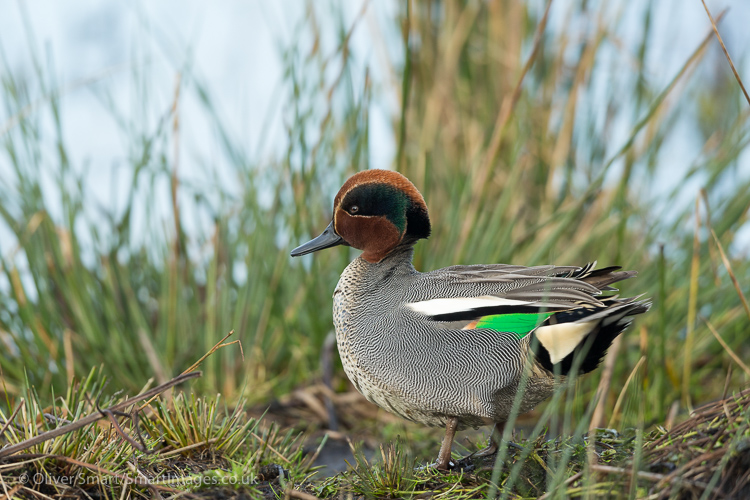
As the winter nights start to show signs of lengthening, I often take a trip to the Somerset Levels to enjoy the spectacle of the starling roost but also to track down many of our over-wintering waterfowl and waders.
The Avalon Marshes covers a vast area and within this superb wetland habitat is Ham Wall, owned and managed by the RSPB. This year the starlings have been roosting near the Avalon Hide so on the first day we made our way to the hide for the roost. Needless to say the sun didn't appear, however the spectacle was remarkable and so close to the hide you could hear the birds chatting to each other in the reedbeds. I used slow speeds for virtually all the shots on this day and also converted the images to black and white which worked well.
On the Sunday we headed to Greylake, also managed by the RSPB on the off-chance of seeing Common Snipe close to the hide. In fact we were amazed by the quantity of birds just in front of the hide and spent several hours with a cold head-wind beating against us photographing the birds. The sun appeared for large chunks of the morning which delighted us and allowed for some great action and compositional shots.
The afternoon and evening was spent back at Ham Wall where the sun continued to shine with rim-lighting around the low clouds at sunset. All in all a magical weekend in one of Britain's most excellent wetland inland locations.
For more images from this location please view my collection on RSPB Images.
23 January - 1 February 2019 - Goa, India
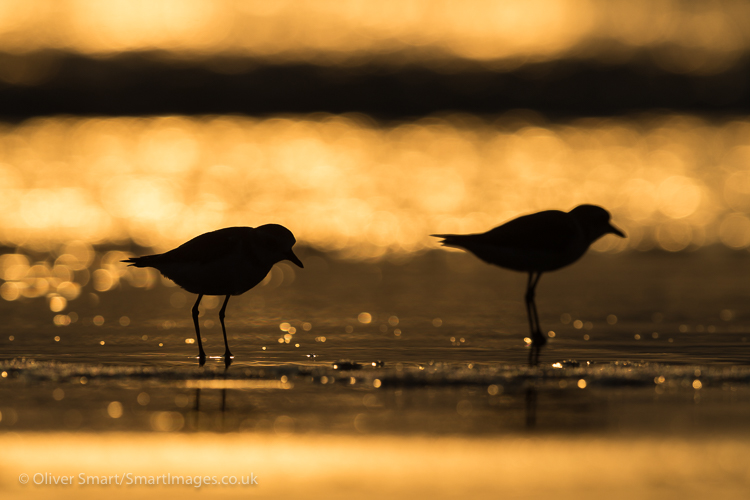
A last minute opportunity to visit Goa in India to spend a wonderful 10 days with Lauren was something I could not miss. I was luckily already on holiday and so a quick flight and visa booking and off I went.
We spent some time along the coast to the north of the state and then taxied over to stay in a delightful lodge called Nature's Nest to the east, just outside a number of park boundaries. We visited Mollem National Park and Wildlife Sanctuaries at Bondla and Bhagwan Mahavir.
The birdlife was fantastic and generally very approachable, where we tallied some 150 species and 35 lifer birds. I was also lucky to spot a Palm Civet on one of my nightly walks and plenty of Indian Giant Squirrels too.
For more images from this trip please view my India 2019 collection on Alamy. When opened, click the search icon below my profile.
2 November 2018 - Wiltshire, UK
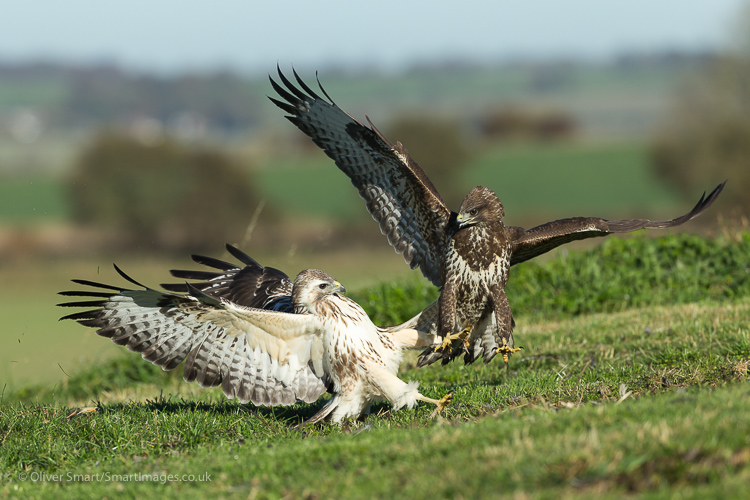
A unique experience and a chance to revisit a hide that I helped to design on a private farm in Wiltshire. I love watching wildlife behaviour and this visit was an amazing opportunity to watch the 'mantling', 'intra/interspecific competition' and 'sparring' of Common buzzards Buteo buteo.
Set on the side of a hill the distant farmland offers a pleasing backdrop to the action on the hillock in front of the hide. The hide is available to be used on a daily basis up to three people in a group. For future hide session dates please visit my hide bookings page. Bookings will be limited and only available for short periods on each release of new dates. The hide is booked for the sole use for you and your group up to a maximum of three people.
For more images from this location please view my collection on RSPB Images.
2 - 4 November 2018 - Hawk Conservancy Trust, Andover, Hampshire, UK
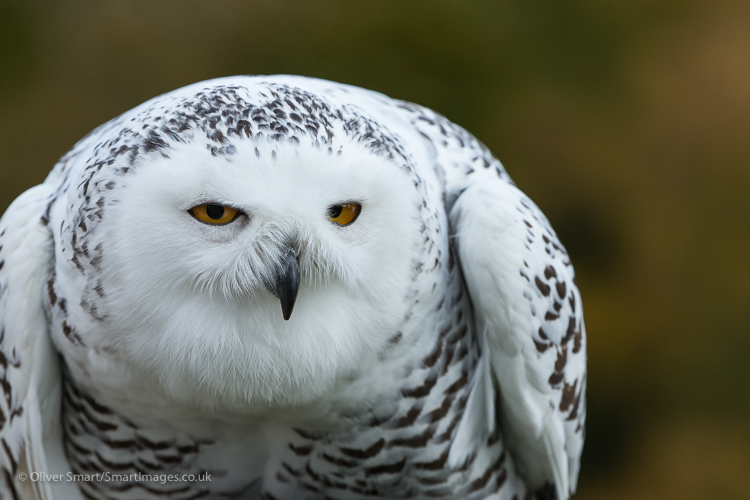
Two weekends each year I lead bird of prey and owl photography workshops. In the spring I focus on wildflowers, blossom, props and green habitats with fresh new foliage.
In the autumn I look for beautiful colours to compliment the birds, including leaves, bark, fungi and any other interesting props or ideas I have on the day. I also encourage and tutor skills for flight techniques too.
Here are a selection of images from the two autumn workshops in November 2018.
For future workshops please visit my events page, however please note that these days are booked up very quickly so please book early to avoid disappointment.
21 October 2018 - Bushy Park, London, UK
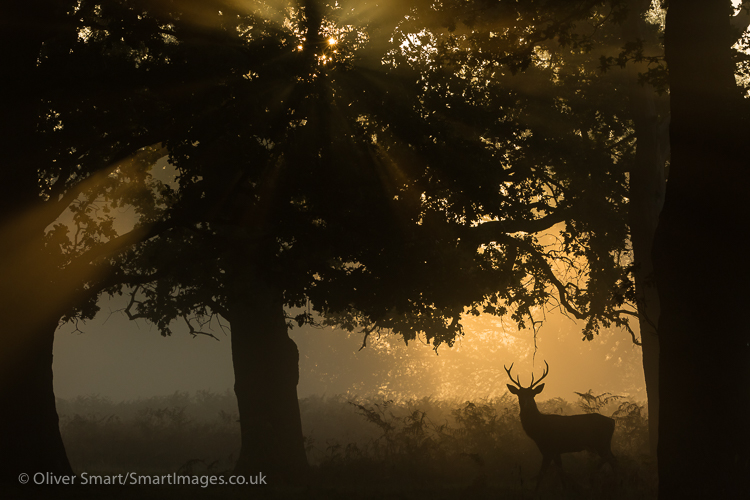
After the drama of Richmond Park on the Saturday, I decided to visit Bushy Park on Sunday for some contrast to the habitat with a chance of different compositions. What I didn't expect was the mist was so thick it was not possible to see more than 20m to begin with.
It was therefore a gamble which direction I went in and I chose to head east, predicting that if the sun appeared I would at least be looking the right way. What I never imagined was the extraordinary combination of light and conditions that formed, perhaps some of the most dramatic I've experienced. The sun broke through the mist, creating wonderfully atmospheric images with light rays bursting through the tree canopy and an orange misty glow beneath.
For more images from this location please view my collection on RSPB Images.
20 October 2018 - Richmond Park, London, UK
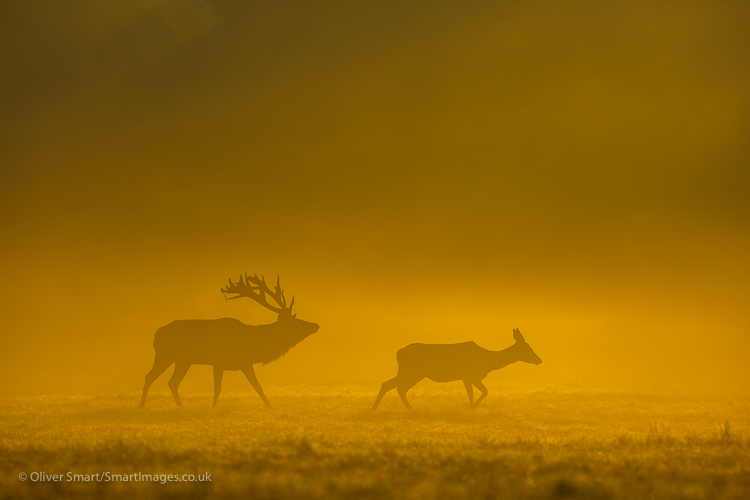
Timing is one of the most valuable assets to a wildlife photographer. You can visit a site many times but when the conditions work it can give you the wow factor.
A visit to London in October was planned to coincide with the autumn Red Deer rut. The timing for the rut itself was probably slightly too late but at this time of year the inversion of temperatures can create amazing misty conditions over the parkland. Getting a strong sunrise to coincide created incredibly atmospheric conditions for shooting.
Once the mist had been burnt off and the main drama was over it was then time to explore the rest of the park and capture some of the other interesting native and non-native species that make the city home.
For more images from this location please view my collection on RSPB Images.
26 August - 9 September 2018 - Svalbard
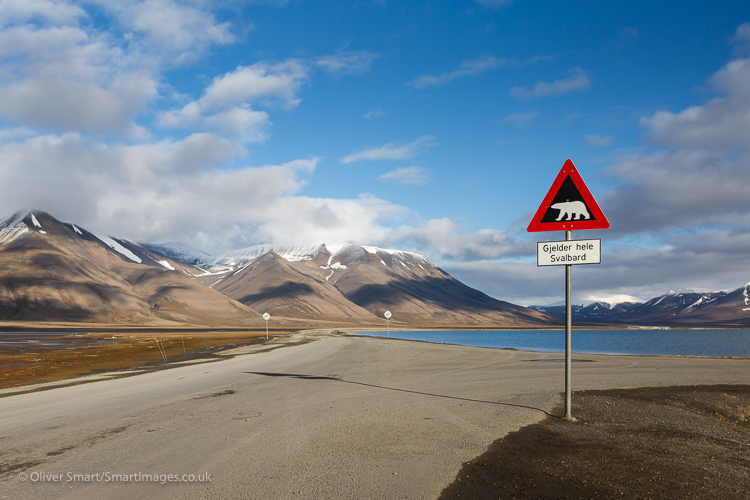
Seeing the arctic in the autumn is always interesting with the changing colours of few plants, the migration of wildlife departing for warmer climes and the reappearance of some snow on the peaks.
To see Svalbard in this way, I decided to do so via a small schooner, the Noorderlicht, which I sailed for ten nights around the western and north-western reaches, finally crossing 80 degrees north and visiting some remarkably stunning locations.
With a small group of sixteen and five crew this was a magical journey visiting cultural and historic sites as well as remote spits for campfires and arctic wildlife.
This very small selection of images captures some of the beauty and wildlife of this unique archipelago.
12 - 20 May 2018 - Hungary
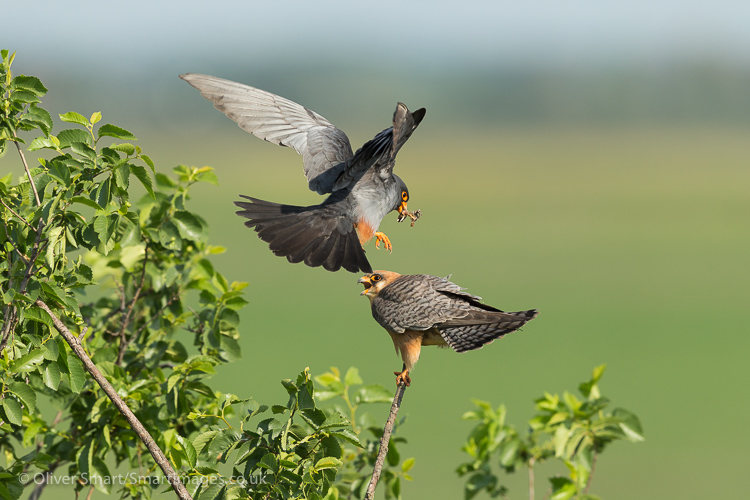
I have led tours to Hungary for many years and every trip I come back with a whole new portfolio of material. It really is a very special place and although I missed 2019/20 with other travel plans I very much look forward to returning in 2021.
For further details and additional slideshows please view my Tours page.
For more images from my Hungary tours please view my collection on RSPB Images.
28 - 29 April 2018 - Hawk Conservancy Trust, Andover, Hampshire, UK
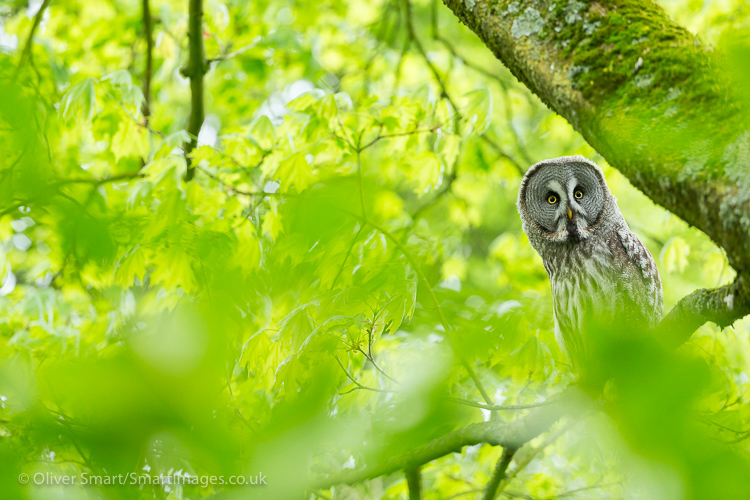
Two weekends each year I lead bird of prey and owl photography workshops. In the spring I focus on wildflowers, blossom, props and green habitats with fresh new foliage.
In the autumn I look for beautiful colours to compliment the birds, including leaves, bark, fungi and any other interesting props or ideas I have on the day. I also encourage and tutor skills for flight techniques too.
Here are a selection of images from the two spring workshops in April 2018.
For future workshops please visit my events page, however please note that these days are booked up very quickly so please book early to avoid disappointment.
22 - 27 February 2018 - Estonia
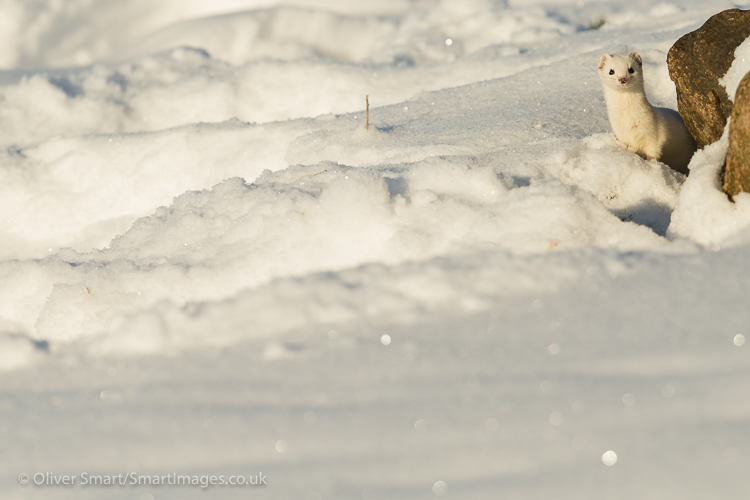
A chance visit to this beautiful country following a prize draw win at the British Birdfair in 2017.
The prize was for three days photographing White-tailed Eagles near Parnu in the south of the country. Unfortunately the weather was particularly cold, dropping to -23 at times and the 'reliable' birds decided not to come to the feeding station.
Fortunately there were a few other wildlife interests, namely a Least Weasel which entertained us for 30 minutes or so, but having missed our target bird we left a little disappointed. For an additional two days we explored the delights of Tallinn, a wonderful little city with lots of history to take in.
For more images from this location please view my collection on RSPB Images.
16 - 30 January 2018 - Vietnam
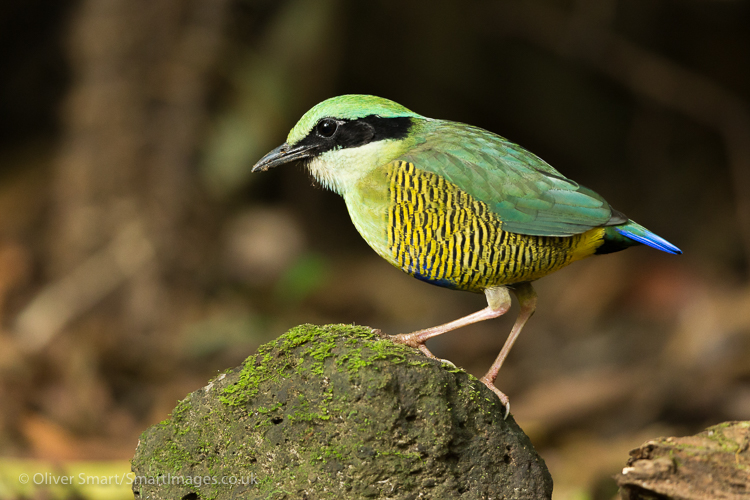
With 276 species of bird and 16 species of mammal, our two weeks in this lovely country was in species counts a relative success.
Unfortunately early in the trip, which latterly included a week in Cambodia too, I tripped and jarred by lower back. This caused a lot of discomfort throughout the tour, but it did appear to improve, that is until I returned home where it triggered a complete failure and I slipped a disc! One of the most painful things I've ever experienced and I'm very glad that after many months I am fully recovered.
Vietnam has suffered similar destruction as so many other countries throughout the World and this was very noticeable with the vast areas of forest cleared for plantations (often rubber) and the lack of species in some areas was evident. Fog hampered some of our higher elevation excursions but overall it was a pleasant visit to the country.
The wildlife and birdlife was, as usual, very special and the pittas in particular were enjoyable to watch at length.
14 - 15 January 2018 - Hong Kong
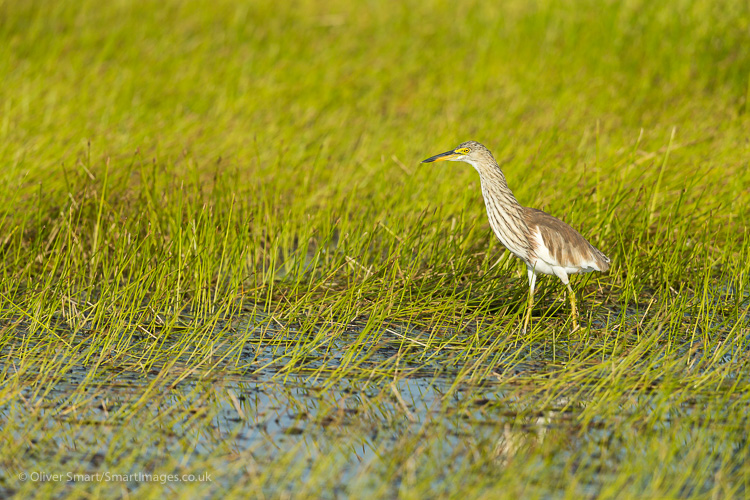
Heading on a journey to Vietnam & Cambodia, my travelling companion and I decided to use Hong Kong as our airport connection point. This gave us a chance to experience some of the Asian birdlife and to catch up with a friend who lives in the city.
As time only allowed two birding sessions we booked local guide David Diskin from Birding Hong Kong who took us to Mai Po Marshes and Tai Po Kau, which were both beautiful areas to visit but also produced 99 bird species and close to 40 lifers!
For more images from this trip please view my Hong Kong 2018 collection on Alamy. When opened, click the search icon below my profile.
7 - 26 May 2017 - India
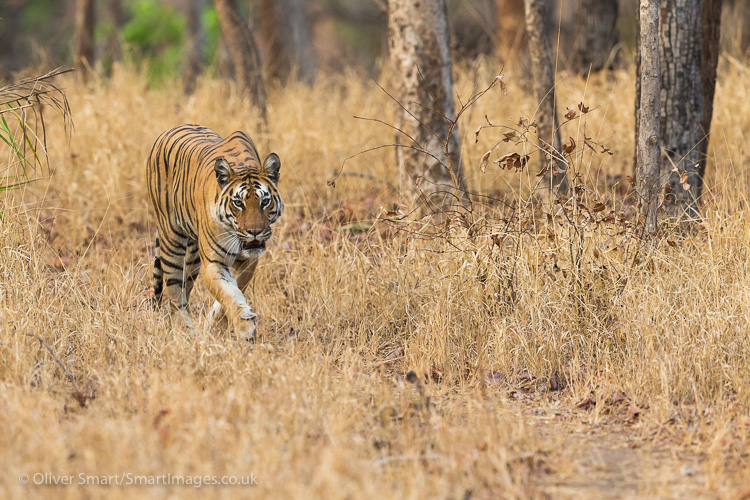
My first big experience in Asia, having only visited for a 10-day trip to Nepal last year. India was to be special however, as this was a trip to see one of the largest land carnivores on the planet.
I spent 21 days in national parks and some 20 tiger game drives and a further 10 rickshaw trips in Keoladeo. I was actually surprised at how difficult it was to locate tigers, however once found they would normally hang around for a decent period of time!
The locations and habitats were very interesting and diverse. Visiting during the dry season allowed better visibility, however it is generally a lot hotter. I spent roughly three days at each of the following: Tadoba, Pench, Kanha and Bandhavgarh.
23 April 2017 - Hawk Conservancy Trust, Andover, Hampshire, UK
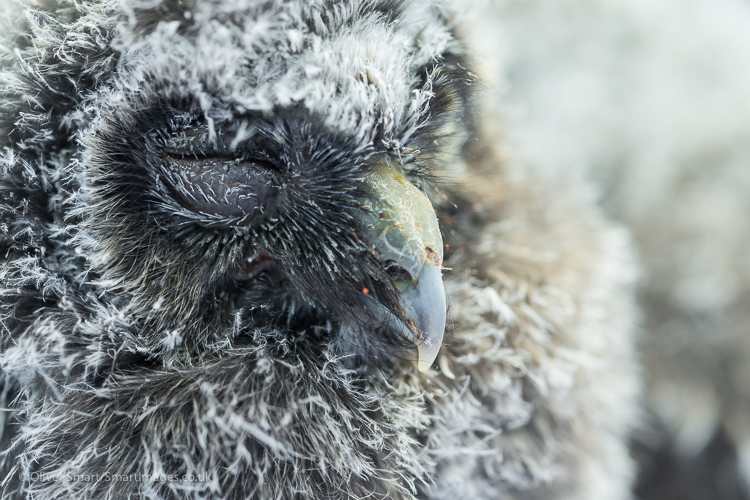
Certainly the highlight for the group this spring was a pair of Long-eared Owl Asio otus chicks that we were allowed to photograph under close supervision.
I used an old crow nest and built it up to make it look as natural as possible. Two handlers were on standby just in case one wanted to take an early fledging!
The other great opportunity this spring was the use of a hovering Common Kestrel Falco tinnunculus being trained by one of the falconers. Although the images show the ankle equipment it was the perfect chance for the group to practice their tracking and panning skills.
11 February 2017 - Wiltshire
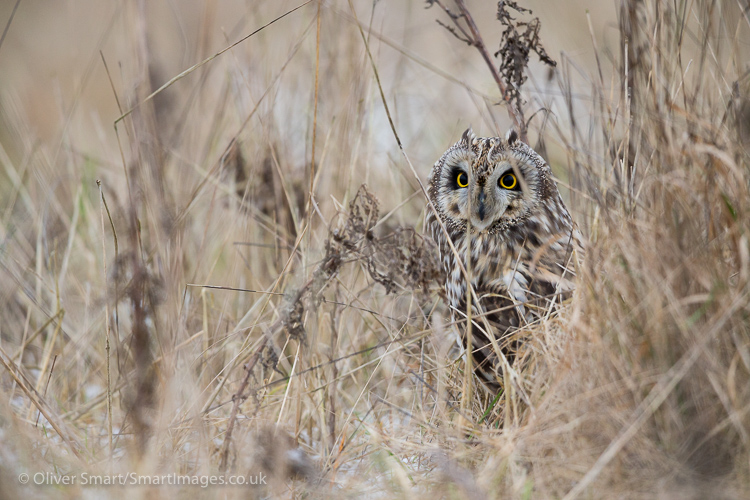
I shall never cease to be impressed by the wildlife of the British Isles. I get to travel to some remarkable foreign destinations, however I equally enjoy visiting local sites and spending hours watching and photographing wild species in the UK.
During the winter I enjoy visiting a friend's farm in Wiltshire to experience the sights of wintering Short-eared Owls Asio flammeus and the numbers of Common Buzzards Buteo buteo and Red Kites Milvus milvus that visit a feeding station. Lots of set-aside land and overwintering provisioning also attract a large number of passerines which I shall attempt to spend more time on in the future.
18 - 27 November 2016 - Nepal
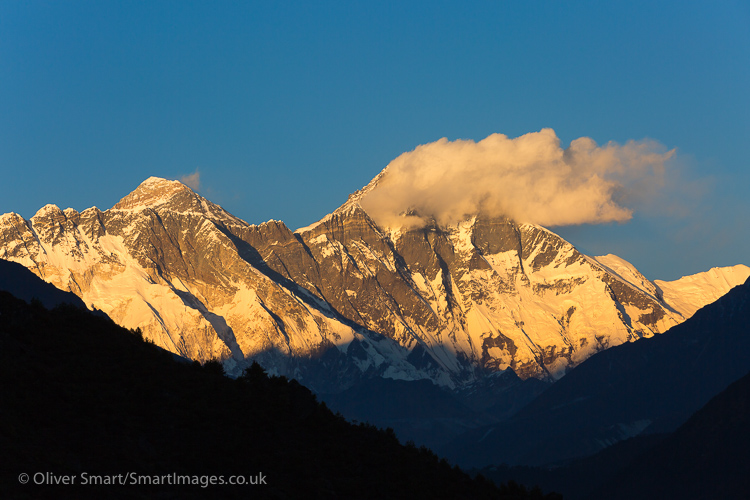
Nepal is one of those places which you long to visit, plan for years and then spend a month there (at least!). In my case I had a keen interest to go, booked it within two weeks of being offered a trip with a friend and headed into the Himalayas for less than ten days! Crazy, yes, but what an unbelievable place and experience.
We headed along the trekking trail from Lukla towards Pangboche on a linear return route which will take you eventually to Everest Base Camp. There was no chance of us completing the full journey on this expedition as we simply did not have enough time, but in five tough days of trekking we at least had magnificent views of the tallest structure on Earth.
Back to Kathmandu for a night and then we headed to Chitwan National Park in the south of the country. This was an epic road journey in itself but worth it to see some of the rare and wonderful creatures that live in the warmer part of the country. The images represent just a snapshot of what can be seen in Nepal and with a limited kit bag too for this trip I was hardly able to shoot a bird photograph the whole time!
May & November 2016 - Hawk Conservancy Trust, Andover, Hampshire, UK

During 2016 I ran my two regular workshops at the Hawk Conservancy Trust in Amport near Andover.
Once again the spring (for wildflowers) and autumn (for colour) workshops proved popular, both being fully booked. Clients were exposed to a variety of weather conditions along with a range of beautiful British and European species (with the odd bird from a little further afield!). This offered a wonderful mix of conditions and opportunities to explore and experiment with...the best way!
Using natural settings and a variety of props it is always great to see the results from the group. Here are a few of the shots I took whilst getting everyone into the 'best' position. This is fundamental to a successful day to ensure the jesses and rings and hidden and making the most of the available light.
For future workshops please visit my events page, however please note that these days are booked up very quickly so book early to avoid disappointment.
16 - 27 September 2016 - Kenya
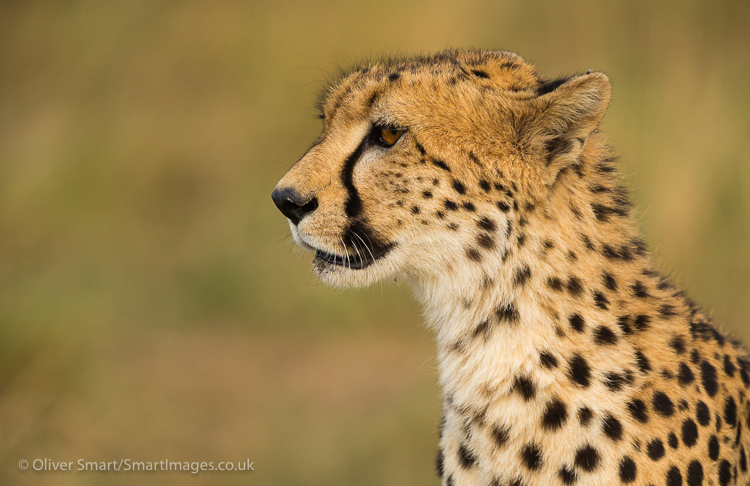
It is not surprising that anyone interested in wildlife probably has an African safari high on their to do list. Well, I certainly did and I have put it off until now (2016) purely as I wanted the 'right trip' to come along.
In 2015 exhibiting at the British Birdfair I came across a company which offered dedicated photographic opportunities from a vehicle designed for the photographer. With a good travelling friend we went to explore what the Maasai had to offer and in particular to photograph the Blue Wildebeest Connochaetes taurinus migration. This involves tens of thousands of animals crossing the Mara River literally in search of greener pastures. The problem is there are lots of predators and dangerous waters to negotiate!
The drama was incredible and often when little appeared to be happening. The tension and sometimes the sense of death in the air was breathtaking. I will add another post soon with more images of this amazing wildlife spectacle.
I also visited the Nairobi National Park for three nights too. This is an incredible location for wildlife and if all big World cities had similar opportunities for native wildlife then we would be in a much better place for sure.
2 - 8 July 2016 - Tiszaalpár, Hungary Photo Tour
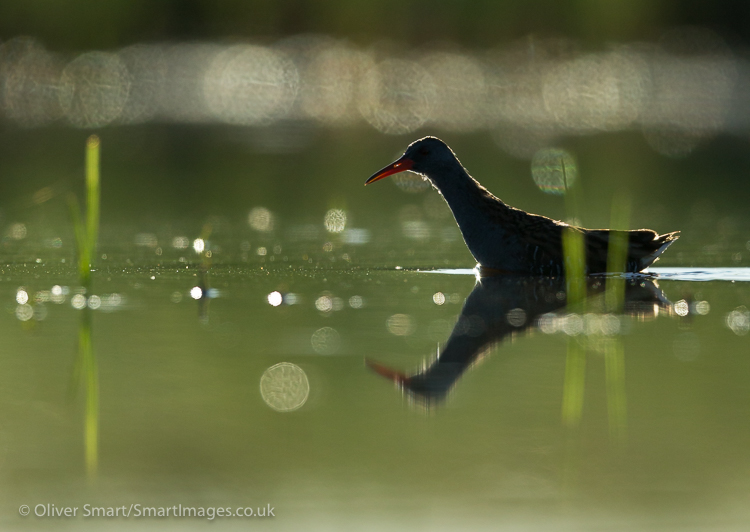
My third successive photo tour to the Kiskunsag National Park and yet again it did not disappoint. With established accommodation and excellent local knowledge we were able to maximise the sites and wildlife.
New pools were discovered this time around, which led to some great images photographing birds into the rising or setting sun (even with atmospheric mist!). We also found a site for watching dozens of Eurasian Spoonbills Platalea leucorodia heading to roost at sunset!
I'm taking a break in 2017 so I can undertake some independent travel as well as allowing the ranger to continue locating and building new opportunities for a tour I will lead in the spring of 2018. The next trip will focus on the breeding birds rather than return passage, so watch this space for more news or sign-up to my quarterly newsletter to be kept informed.
If you would like more information on future tours then please visit my Photo Tours page or contact Oliver.
27 May - 8 June 2016 - France

France offers such a wide variety of habitats, weather conditions and amazing wildlife and a relaxed two week trip to the Aude region in southern France was a great opportunity to explore this area in late spring and into early summer.
Many of the sites were ideal for birdwatching although limited for photography, without the time to set up hides or stalk the wildlife. There are a great number of species here and although the migration was over we still recorded in excess of 105 bird species and 16 species of butterfly without much effort.
For a great place to stay and explore this stunning region which includes many famous castles and wonderful food and wine visit Birding Languedoc.
5 - 20 March 2016 - Ghana
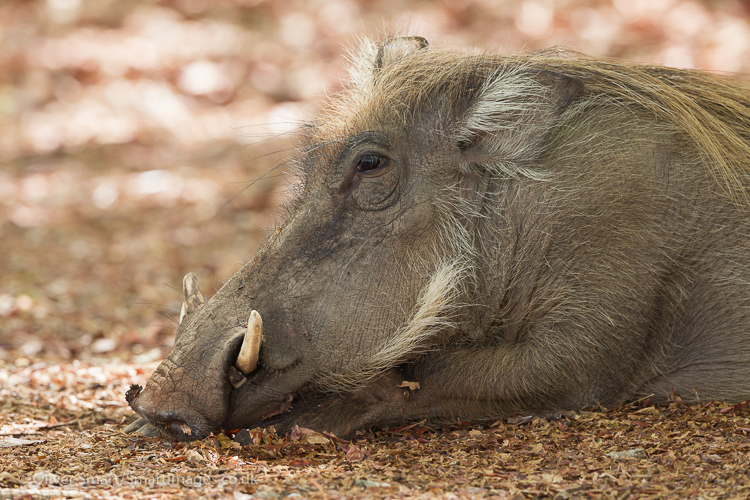
My fourth trip to Africa and another interesting, if not the most productive experience of the continent yet. I joined a birdwatching and nature tour, however opportunities for photography were very limited so if you are keen to take images of the birds and wildlife here, ensure you book on a tour which allows plenty of time to watch the wildlife, rather than tick it off and move on to the next species.
That being said, it was a friendly country, with generally good food (no illnesses), no mosquitoes in the dry season (amazingly) and in two weeks you can cover most of the country and all the top sites. Mole National Park being a particular highlight as big game is still present here, albeit not always easy to observe and you cannot wander off without a ranger.
The driving between areas can be long and rather dull as the roads are pretty poor in places and every village and town appears to be obsessed with speed bumps. The landscape has been heavily deforested and is a monotony of plantations and crops or otherwise lifeless looking scrub during the dry time of year. Otherwise the travelling was not too much of a problem and you can pick up a few species on the way too.
It is an interesting and accessible destination for those wanting to record good numbers of west Africa's bird species and in my two week expedition I recorded some 374 bird species.
For more information on the tours of Ghana please visit Ashanti African Tours.
This is just a very small sample of my images here and there will be a much greater selection on Alamy soon.
12 - 17 February 2016 - Highlands, Scotland
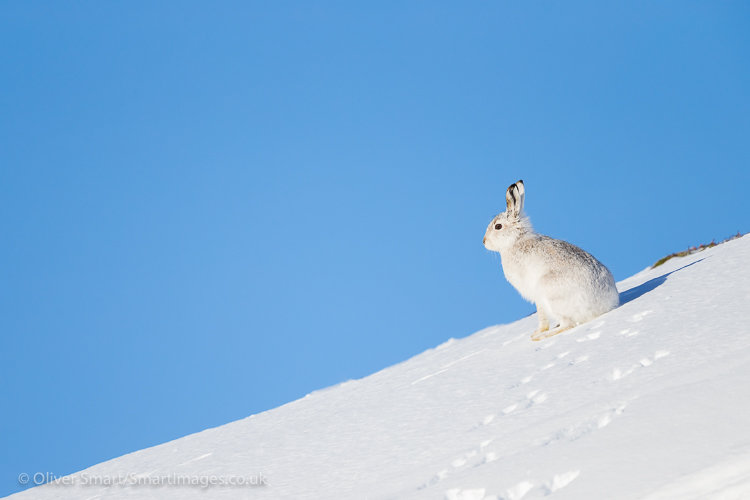
Scotland has always been a favourite destination to visit and over the years I have been many times. My grandfather took me into the Highlands on several occasions and I still feel this is the place I like to go when I return.
This trip with a friend during the winter was specifically focussed on searching for Mountain Hares Lepus timidus in their winter coats. This means you have to be wrapped up as there is likely to be a lot of snow about. We took my VW T5 Transporter campervan and stayed for several nights in the snowy mountains, thankfully only getting stuck once!
The hares performed very well, however we put in a lot of time with them, not rushing but allowing the animals to get used to us and our cameras. This certainly paid off with the resulting images.
14 - 25 November 2015 - The Gambia
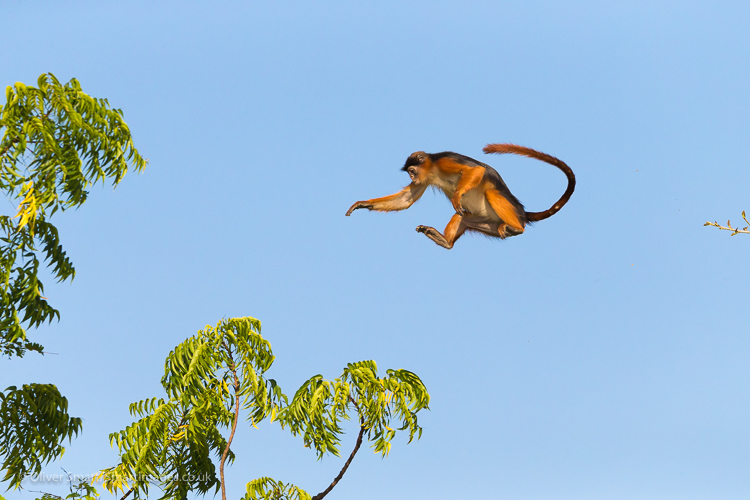
My third trip to Africa and another wonderful experience of the continent. I've relaxed into the way of life in the tropics now and I enjoy every minute, whereas perhaps in the past I would have felt a little anxious, especially with all my camera gear!
This adventure was organised by my good friend Ashley Grove who runs birdwatching and photography tours to this gem of a birding country on the west African coast. Surrounded by Senegal, The Gambia River bisects the north and south banks and with a land area smaller than Wales it certainly boasts an impressive and relatively easy to see bird list. In 11 days we scored some 250+ species.
Photographically it is a top location too as many species are relatively confiding and boat rides can also get you into the mangroves and along the river which make birding and shooting all the more fun.
For more information on birding and photography tours please visit Ashley Grove Wild Images and mention you've come via here!
For more images from this trip please view my Gambia 2015 collection on Alamy. When opened, click the search icon below my profile.
4-10 July 2015 - Tiszaalpár, Hungary Photo Tour
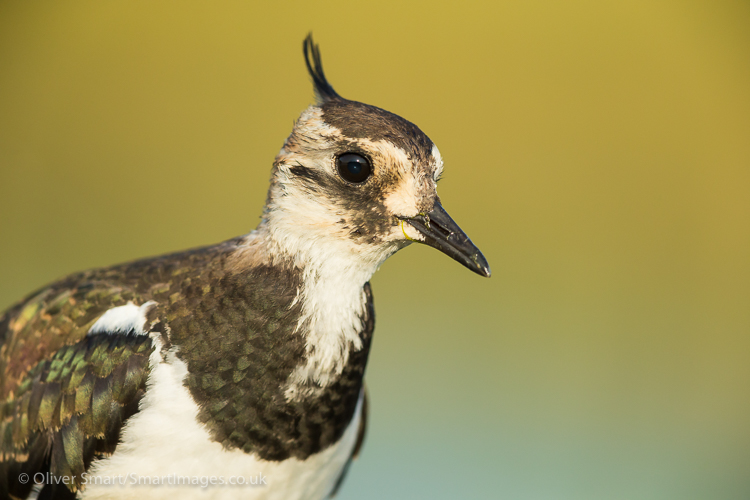
The latest from my photo tour to Hungary in July 2015. Another superb trip with many new species photographed or others done even better than before. The variety of subject matter, different locations and props is great and with 117 seen and 76 photographed by the group it is a remarkable place to visit.
The weather this season during the trip was very hot, peaking at 39 degrees. This was followed by a very heavy storm, with incredibly strong winds, perhaps even hurricane force and a good deal of rain.
The new lodge is now complete so is even better placed for local photography and a number of kingfishers visiting the garden!
Places on my 2016 tour are now full but if you would like more information then please visit my Photo Tours.
If you are interested in photographing some wonderful birds in Hungary in the future then please contact Oliver.
5 - 8 June 2015 - Bempton Cliffs, Yorkshire, UK
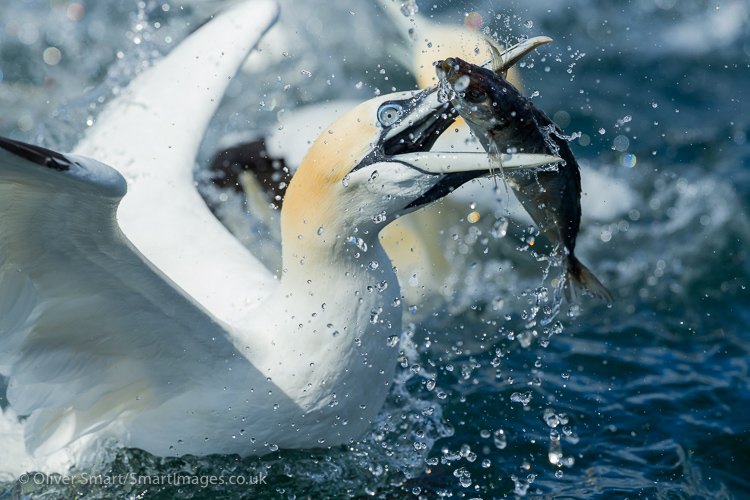
I've visited Bempton Cliffs just once before in poor light so it was about time for a revisit. This excursion was to incorporate a trip out to sea for diving gannets and due to rough seas I managed to finally get on board on the Monday.
The cliffs are dramatic, breathtaking and home to tens of thousands of seabirds. The sight, smell and sound is second to none and my favourite habitat of all.
Seabirds have had a rough time in recent years with a depleting food stock, forcing the adult birds to hunt further offshore for food. This is very concerning as the demands of their chick(s) are too much if food stocks are low, the adults abandoning or in many cases not even laying. The cliffs seem quieter somehow, and I hope that their fortunes will improve in the very near future.
The aim of this trip was to try and illustrate both the beauty of the birds and their surroundings and here are a few images from the weekend's shoot.
7 - 17 April 2015 - Galápagos Islands, Ecuador
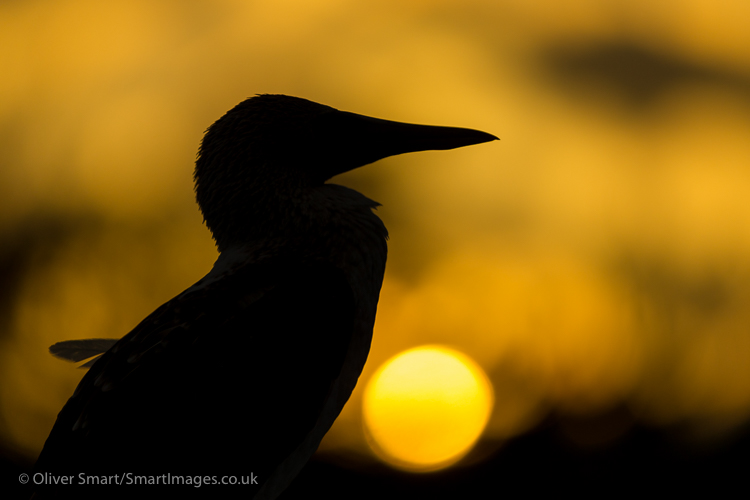
Spring 2015 was another very special time for travel. I've not had many inklings to visit the Galápagos Islands as they are visited by so many tourists, however, having planned three weeks in Colombia I thought it crazy not to make the most of my time in South America.
The other timely factor was my photographer friend Hugh Rose was leading a tour with local expert guide Juan Saucedo onboard the Samba. Knowing the right people for a trip of this calibre makes for more enjoyment, not to mention having people keen to get you on land for the best light.
This was also the first trip using an underwater housing for a 5D Mk III camera. The Nauticam housing was purchased from Underwater Visions. I was amazed at how much I enjoyed the opportunity to experiment with underwater photography, however I cannot yet claim to be an expert I was thrilled with what I achieved by snorkelling and free-diving to get beneath the marine wildlife.
More images will be available on Alamy & RSPB Images soon.
5-6 & 19-20 April 2015 - Guayaquil, Ecuador
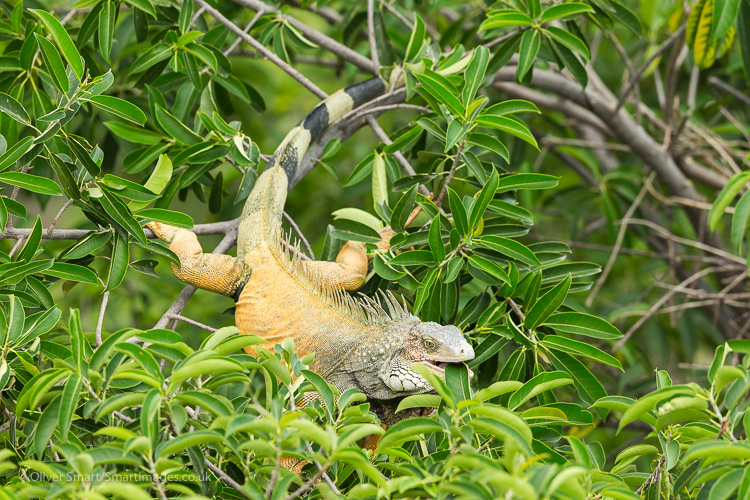
In-between Colombia and the Galápagos Islands I spent a couple of days in Guayaquil (the largest Ecuadorian city) and a couple of days at the end. There was not too much time for birding or photographic but a couple of day trips added to the ever growing list and also a few interesting images, including a flock of several thousand Wilson's Phalaropes! Another amazing migration undertaking by these birds.
17 March - 5 April 2015 - Colombia
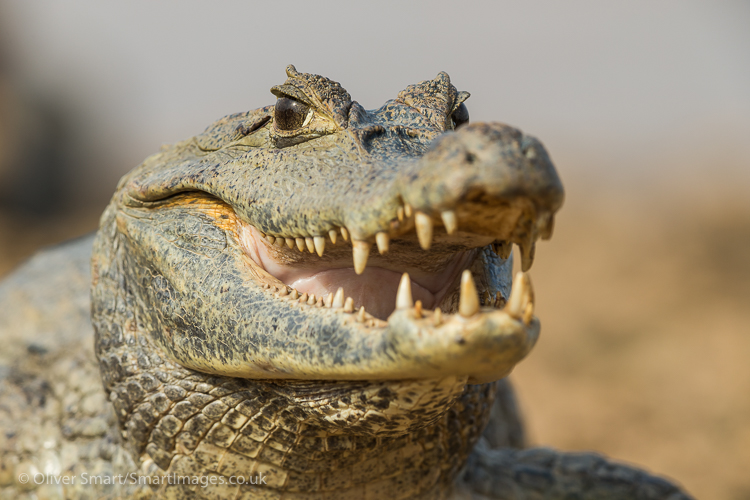
This year I travelled to South America for the second of two trips to the continent, the first to Argentina and Chile in 2013/4 and this spring to take on the delights of Colombia, Ecuador and the Galápagos Islands.
The wealth of wildlife in Colombia was extraordinary, especially with the 1900 or so species that have been recorded here, 1/5th of the World's bird species! So many highlights, it is impossible to record here but let's say an encounter with a twelve inch tarantula was one that I will never forget!
We covered the Llanos plains, jungle, river, mountain, forest, montane and urban habitats, each containing a wealth of species. I think it was one of the hardest places to birdwatch as every bird seen was new for the list, quite incredible.
Photography was also quite tough but as with every trip there are always a huge number of opportunities and potential. And as ever I would love to go back!
Here is a small selection of shots from the trip. More will be available on Alamy soon.
15-30 October 2014 - California
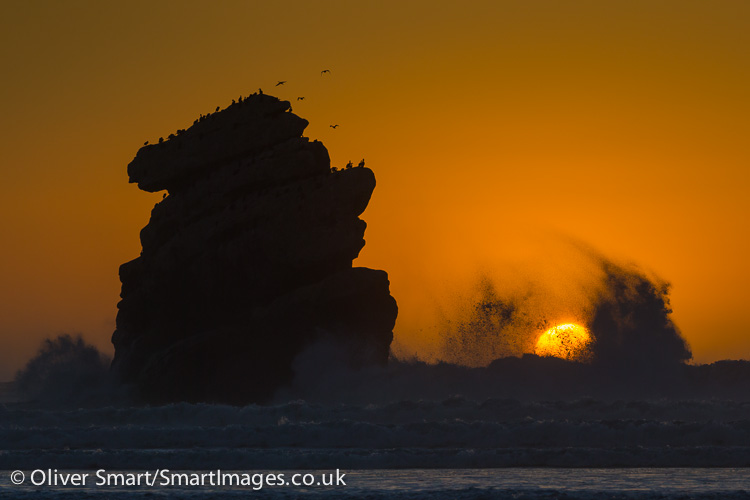
My first trip to the west coast of mainland USA and I thoroughly enjoyed the road trip from San Francisco to Los Angeles with my wife Helen.
It was a great combination of wildlife watching, meeting friends and family and enjoying the food and drink of this famous region.
There are many really exciting wildlife spectacles to be had and I certainly found the trips around Moss Landing to be some of the best for whale watching and of course the Sea Otters.
This is just a very small sample of my images here and there will be a much greater selection on Alamy soon.
18 September 2014 - ZSL Animal Photography Prize 2014 Awards
Oliver's images chosen as category winners for the prestigious Zoological Society of London Animal Photography Prize 2014 competition. Titled If Only They Knew the cuddling Polar Bears (Alaska) was awarded winner of category 'Last Chance to See'. The King Penguin image (South Georgia) was awarded winner of category 'Size Matters' and titled Lost in a Crowd.
The award ceremony was a fantastic evening with an exhibition showing the winning and highly commended photographs. A live band played from the balcony, which set the exciting tone for the evening. The celebration of all 35 images brought together likeminded photographers, fellows of ZSL and a number of special guests including Bill Oddie. Presented by the Director General of ZSL Ralph Armond, Oliver picked up his two awards with great pride and a big smile on his face!
To purchase the two winning images as prints please order from this slideshow or from the Home page. For digital sales and editorial use contact Oliver Smart directly.
9-15 June 2014 - Tiszaalpár, Hungary Photo Tour

Here is a very small selection of images taken on my recent Hungary photo tour I led in Tiszaalpár.
It was a very hot week but we were blessed with good weather throughout and some amazing photo opportunities. Our hide sessions included woodland, steppe drinking pools, tower hide, canoe rides, marsh hides, floating hide and single species opportunities.
We photographed more than 50 species during our 6 night stay and saw and heard many others too. A week never feels long enough, but after 12 hide sessions with early starts and late finishes it was a manic yet thrilling experience.
This year our guide took us by canoe onto the Tisza River too where we were able to witness and photograph the amazing emergence of May-flies, a stunning spectacle.
Dates are now available my 2016 tour (from 2nd-8th July) so if you would like more information then please visit my Photo Tours page with details on how to book.
If you are interested in photographing some wonderful birds in Hungary during July 2016 then please email me here.
5-7 June 2014 - Skomer, Wales, UK
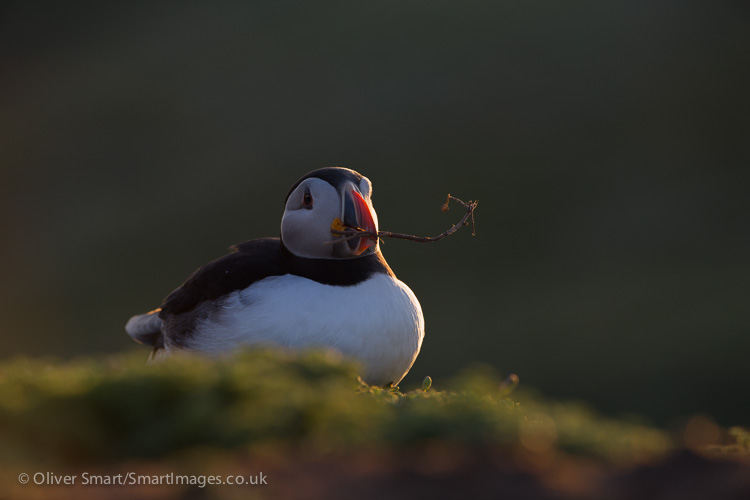
I always love visiting new island destinations and Skomer has been on my hit list for some time. I managed to get two night's overnight accommodation at the farm and although I wanted to stay longer this was a great opportunity to visit this very important seabird haven.
From the small harbour at Martin's Haven, the short boat ride across is enough to whet your appetite and the excitement builds quickly until you notice the 87 steep steps you have to climb with all your luggage to get to the main footpath!
With a mixture of conditions over the two days including gale force winds, thunder, lightening, heavy downpours and glorious sunshine we really did experience all types of weather.
The island is host to some 630,000 Manx Shearwaters and is one of the most important sites in the world for this species. A night walk after 11pm on an overcast evening was a brilliant way to see and more evocatively hear the shearwaters as they emerge and return to their burrows. The rain showers also brought out hundreds of frogs and toads.
More images will be available on Alamy & RSPB Images soon.
31 May 2014 - Reptile Workshop, Arne, Dorset, UK
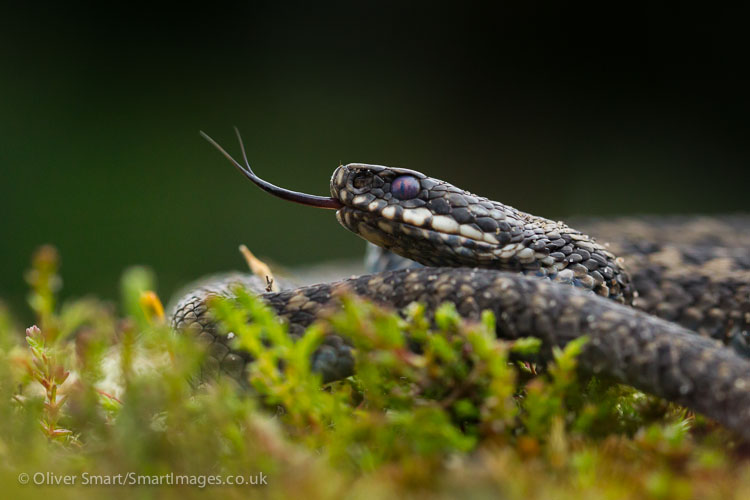
The second in a series of wildlife workshops in 2014 took me to Arne in Dorset where I assisted in running a fantastic reptile photography shoot. We had eight clients and a fantastic licensed handler to deal with the four wonderful species we had to work with.
We dipped on Sand Lizard and Grass Snake this time around but Common Adder (male), Common Lizard (female), Slow Worm (female) and Smooth Snake (male) all performed really well. We also were rewarded with great views and opportunities for shooting Golden-ringed Dragonfly (male) and Black-tailed Skimmer (female) too.
One of the tips from this shoot was to use a polariser to cut out unwanted glare from the skins of the reptiles. It also helps to saturate some of the natural heathland plant colours too.
The species in the slideshow sequence are Common Adder, Slow Worm, Golden-ringed Dragonfly, Smooth Snake, Common Lizard, Black-tailed Skimmer, Common Adder, Common Lizard, Slow Worm and Smooth Snake.
More images will be available on Alamy soon.
27 April 2014 - Hawk Conservancy Trust, Andover, Hampshire, UK
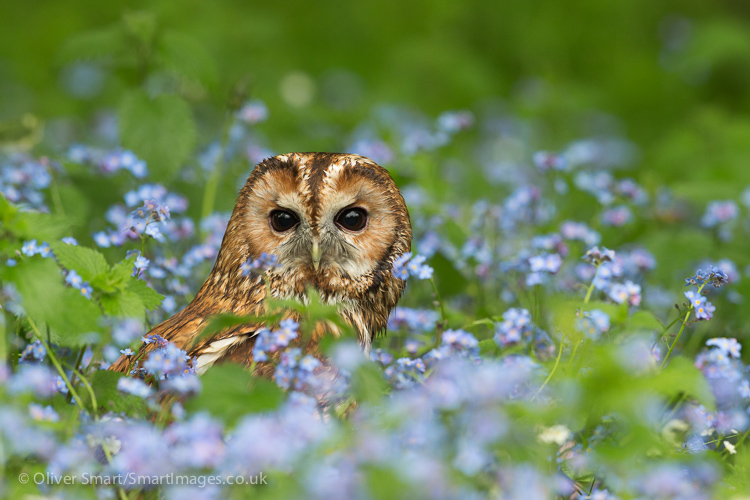
Another wet and overcast day at the Hawk Conservancy Trust for my April workshop. The participants looking forlorn and disheartened at the start of the day but within a few minutes of showing my slides and inspiring them about the positive impact rain and diffused light can have they soon began to liven up.
I was also testing my new Canon 200-400 lens this weekend too and all the images here were taken with it. Other than a slight green cast it creates, which can be easily adjusted in Lightroom, I have to say that I am mightily impressed with it.
26 April 2014 - Solihull, Birmingham, UK
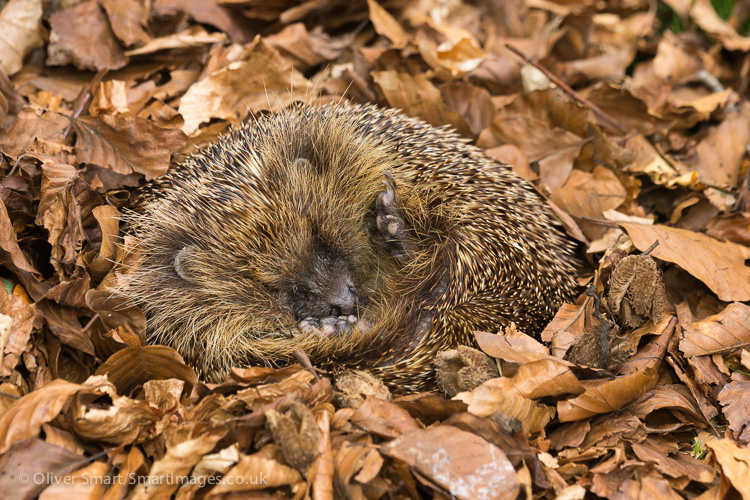
The first of the 2014 series of wildlife workshops took place in late April and we were thrilled with the success of the two gorgeous species: harvest mouse and hedgehog. The harvest mice are captive bred and the two used were both males. It was interesting to see their different personalities; one being as bold as brass and the other only occasionally exploring his surroundings.
The lovely Cellie is a rescue hedgehog and can no longer be released into the wild, so he has become akin to a celebrity and performs very well for photographers.
The garden setting is ideal for staging the two mammal species and with lunch and drinks to break up the day it is a great fun experience for anyone interested in nature photography.
31 March - 5 April 2014 - Spanish Pyrenees, Spain
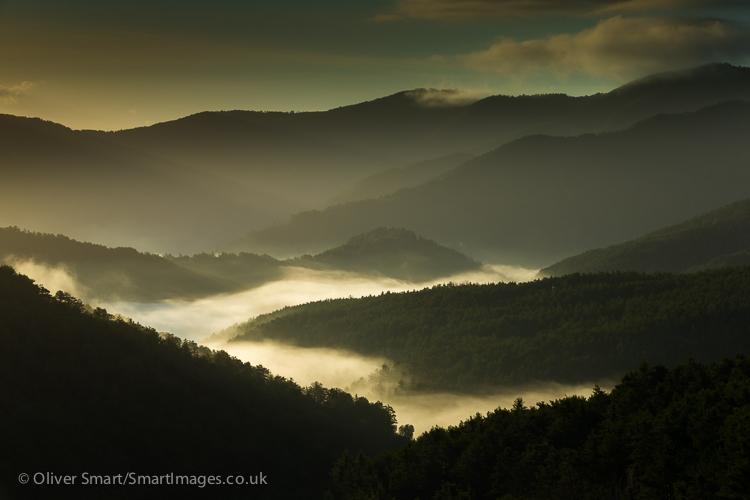
One of the highlights for me at the British Birdfair is the auction which takes place throughout the weekend in the centre of the showground. On the Sunday afternoon the auction reaches its climax which attracts all the bargain hunters who want to snap up a great product.
The proceeds are passed to the Birdfair fundraising project for the year and in 2013 this was towards Birdlife International's work on migratory birds in the grasslands throughout America. The event raised £270,000, which was an outstanding achievement.
So you are probably wondering what this has to do with my trip to Spain. Well, amongst the auction items was a week's birding trip to the Spanish Pyrenees which we won. The excursion was organised by Go Birding and Julen Gayarre. We stayed in the nearby village of Burgui, which was also fantastic.
In April eight of us headed to Bilbao and enjoyed an amazing week of birding, something I have not done for some time. Julen was a superb guide, tailoring the trip to our own wish list and working tirelessly for some of the more demanding clients! In such a frantic itinerary photo opportunities are generally a bit limited but I did get to see several new species and others in quite unusual places (i.e. dozens of Ring Ouzels in snow covered mountains!). The highlight though had to be Wallcreeper and several attempts and lots of patience finally secured this delightful little bird.
During the six days we recorded an amazing nineteen species of raptor, Great Bustard, Eagle Owl, Dupont's Lark, Penduline Tit and many Firecrest.
The species in the slideshow sequence are sunrise near to Burgui, Eurasian Griffon Vulture, sunrise near to Burgui, Tengmalm's Owl, Pyrenees landscape, White-backed Woodpecker signs, Black Woodpecker signs, Pyrenees landscape, Wallcreeper and Navarra landscape.
More images will be available on Alamy soon.
12 February 2014 - Tiszaalpár, Hungary & Subotica, Serbia
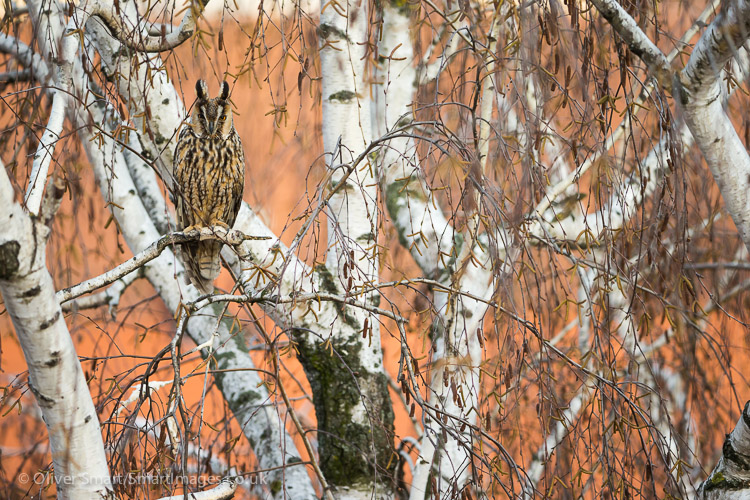
Following on from my summer 2013 trip to Hungary I made another quick visit in February 2014 to check out the wintering species as well as a day at a new hide in Serbia. A week prior to my visit there was a good deal of snow on the ground and birds were very busy coming to feeding stations.
Unfortunately this had all melted during my visit and the temperature rose significantly, reducing the number of birds needing to get free food handouts. That being said I did manage to secure some new images and had the best views of a Long-eared Owl roost too, with at least twelve birds present.
If you are interested in photographing some wonderful birds in Hungary during June 2014 then please contact me for more information and to be registered for my newsletter.
The species in the slideshow sequence are Long-eared Owl, Middle Spotted Woodpecker, Common Crane, Greater Spotted Eagle, Hooded Crow, Common Buzzard, Greylag Goose and winter sunset.
For more images of this species click here or from this trip click here.
17 - 23 January 2014 - Patagonia, Chile
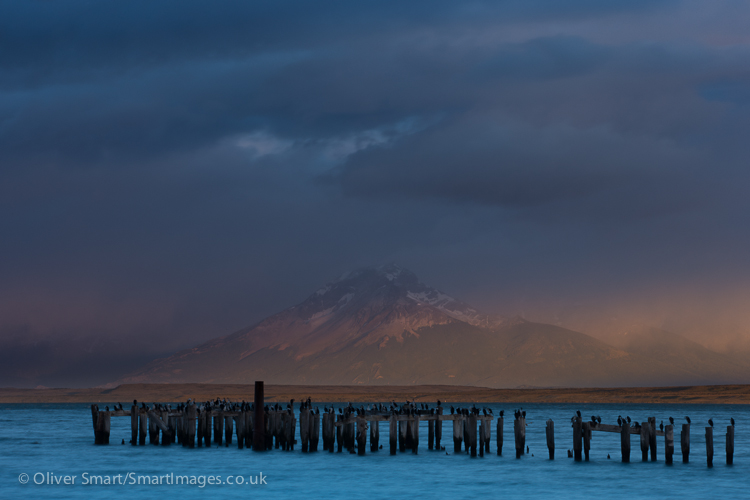
Following my journey to the Falkland Islands, South Georgia and the Antarctic peninsula, I finished off my trip with a week in Chile.
The week focussed on two key regions; Torres del Paine National Park and Puerto Natales. This expedition was led by expert bird guide Claudio Vidal from Far South Expeditions. There were many highlights of course but Andean Condor and a distant Puma were certainly a couple of the exciting wildlife experiences.
The species in the slideshow sequence are Blue-eyed Shag, Southern Wren, European Hare, Chilean Swallow, Guanaco, Porcelain Orchid, White-crested Elaenia, Austral Negrito, Chiloé Wigeon and Austral Parakeet.
More images will be available on Alamy soon.
6 - 13 January 2014 - Elephant Island & Antarctic Peninsula

On our way to Antarctica we stopped at Elephant Island. Here we observed the extraordinary landing and refuge for Captain Shackleton's men who remained for four months whilst their skipper and three of the crew made a daring crossing to South Georgia, the nearest place with inhabitants. If you've not read the book then get it!
We landed once at Cape Lookout where we photographed and enjoyed the antics of a colony of Chinstrap Penguins and then headed to Antarctica.
The coldest place on Earth, we started off wearing t-shirts in the sun aboard ship, however we were soon wrapped up once the winds picked up!
We visited a number of locations including Deception Island (where we swam in the sea!), Livingston Island, Cuverville Island, Cierva Cove, Port Lockroy and Jougla Point, Petermann Island, Booth Island, Yalour Island, Danco Island, Neko Harbour (for our Antarctic continent landing!) and eventually after three attempts Baily Head.
For more images of this species click here or from this trip click here.
For exclusive images held with the RSPB click here.
29 December 2013 - 3 January 2014 South Georgia
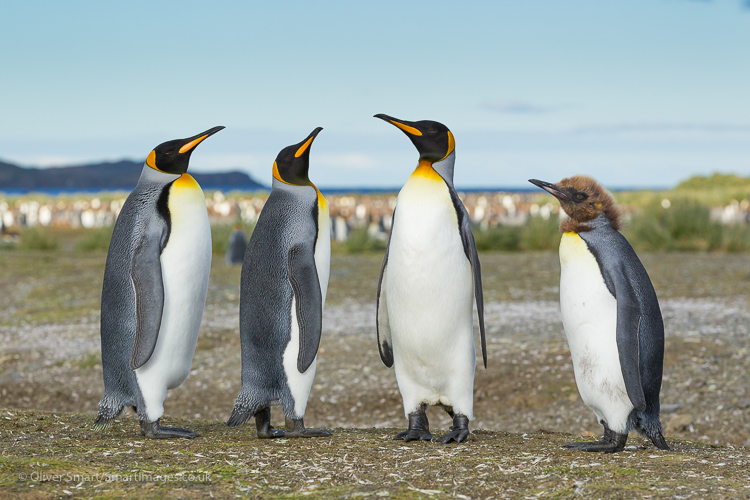
Arguably the most extraordinary, exhilarating and unbelievable place I have ever had the pleasure to visit and witness. The spectacular bird and seal colonies of this UK Overseas Territory are second to none. The beauty, raw nature, weather, smell, sound and sight of South Georgia will never be forgotten. Thankfully I have several thousand images to prove it too!
Our ship navigated along the eastern side of the island stopping off at numerous bays and along rocky peninsulas. We visited the Bay of Isles (including Salisbury Plain), Fortuna Bay, Stromness, Hercules Bay, Grytviken, St. Andrew's Bay, Gold Harbour, Cooper Bay & Cooper Island and Drygalski Fiord. Each landing allowed us to explore and photograph some amazing scenes and wildlife.
Also during the landing at Fortuna Bay we were fortunate enough to be able to navigate the last trekking route of Shackleton and his men across to Stromness Whaling Station where they were ultimately rescued. This was a wonderful opportunity and one I shall never forget.
23 - 27 December 2013 - Falkland Islands
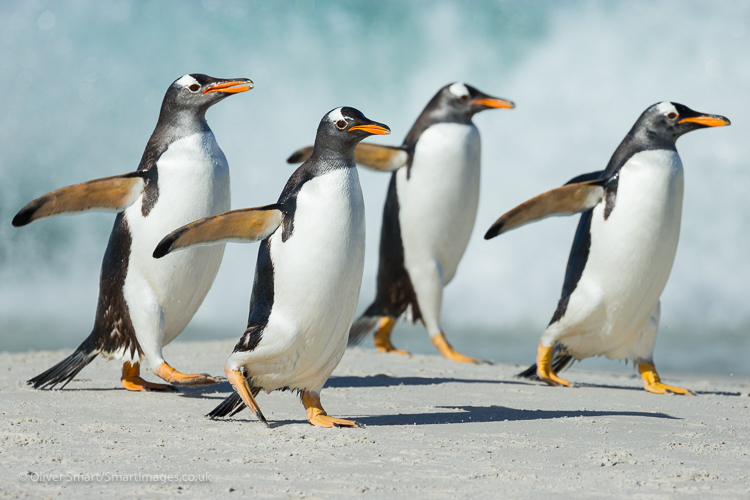
Following a short stay in Ushuaia, the most southerly town in the world, I bordered the Ortelius for a journey of a lifetime. Stopping off in the Falkland Islands, exploring the Scotia Sea, landing along the west coast of South Georgia, visiting Elephant Island and finally skirting the Antarctic Peninsula and visiting several seabird colonies.
The Falklands were a great place to spend Christmas 2013 and three islands including New Island, Steeple Jason Island and Sea Lion Island were our landings. All had incredible scenic wildlife and landscapes and what a truly remarkable place to be.
For more images of this species click here or from this trip click here.
15 September 2013 - Hawk Conservancy Trust, Andover, Hampshire, UK
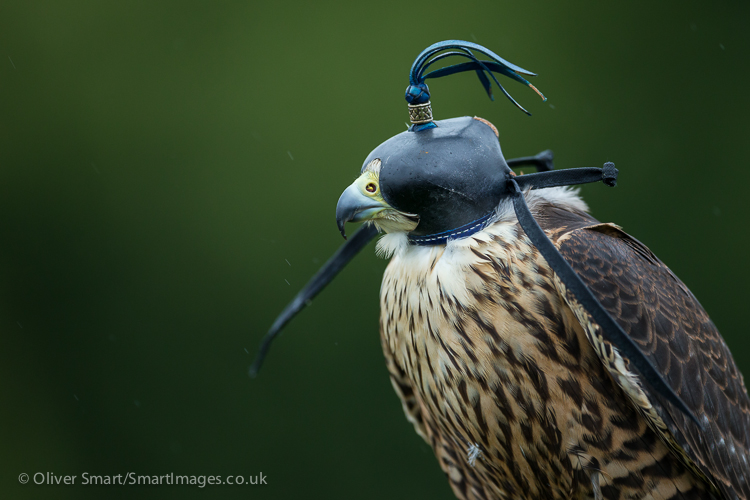
My latest falconry workshop was almost cancelled at the eleventh hour due to a forecast of strong winds and heavy rain. I am really glad it wasn't! Monitoring the weather throughout the latter part of the week I was convinced it would be cancelled and postponed but late on Saturday it was decided the worse of the weather would not arrive until the Sunday afternoon.
The reason for my delight it was going ahead was for some interesting atmospheric shots. Rain and stormy conditions are so effective in nature images and make a real impact. Now I wasn't hoping for a day full of rain but just showers, which is just what we had.
It was pretty overcast too which made shooting a little tricky in the gloomy conditions but all the birds performed admirably. I was pleased with the few shots I took and early signs are the clients had a great day too with some excellent results.
The species in the slideshow sequence are Peregrine Falcon, Golden Eagle, Little Owl, Peregrine Falcon, Long-eared Owl, Merlin, Barn Owl, Red Kite, Tawny Owl, Red Kite.
More images will be available on Alamy soon.
9 June 2013 - Tiszaalpár, Hungary
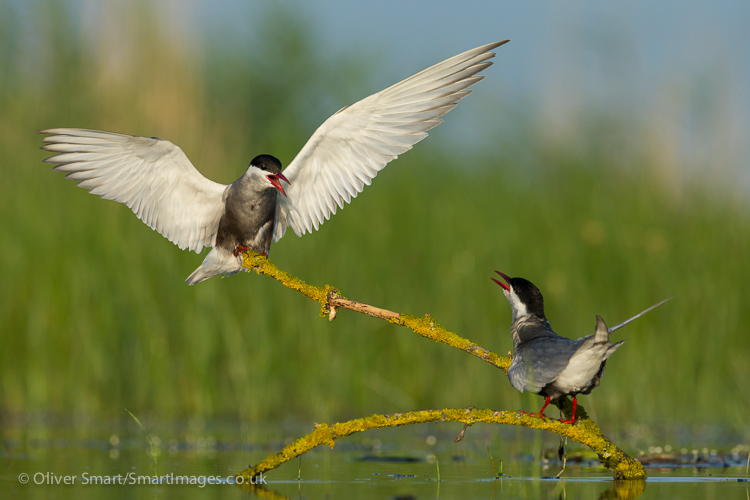


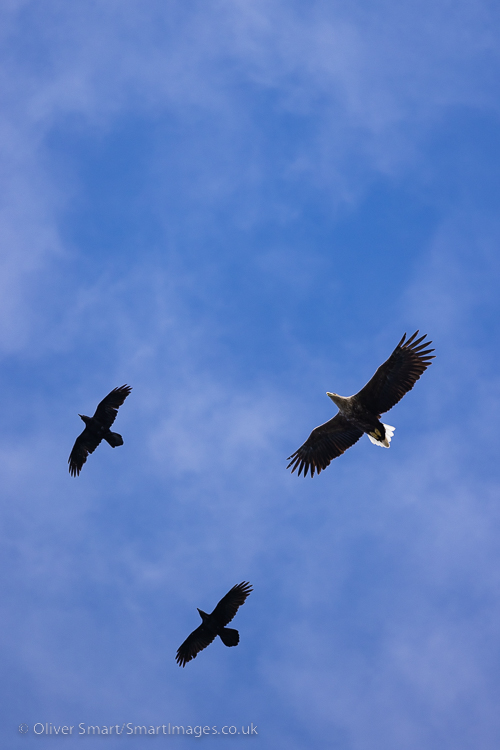
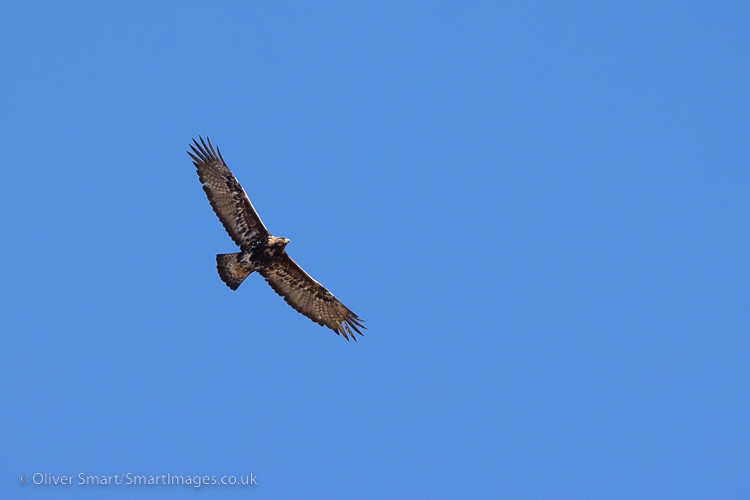
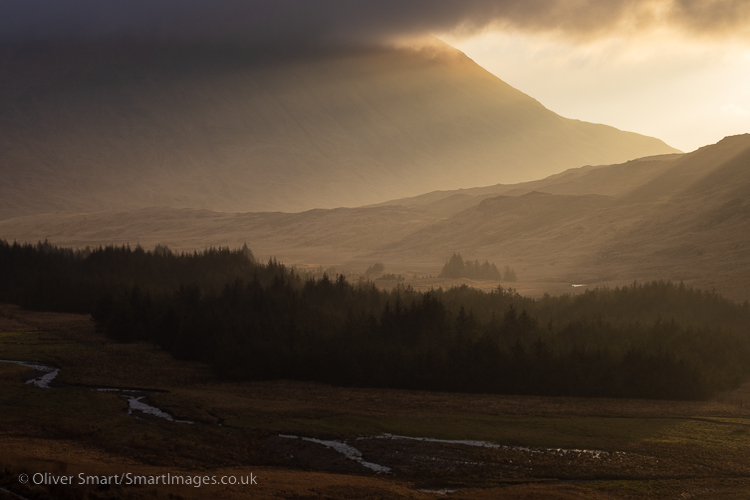
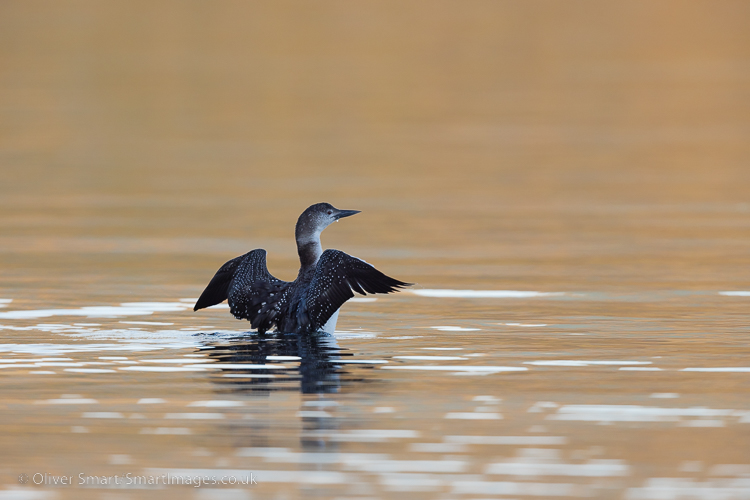
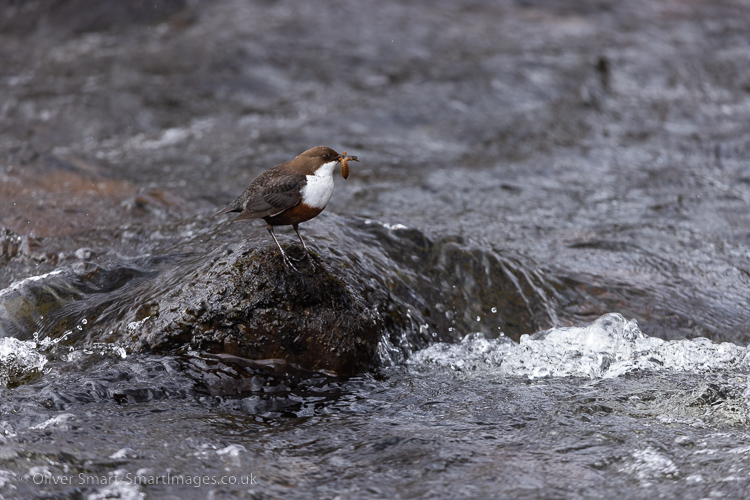
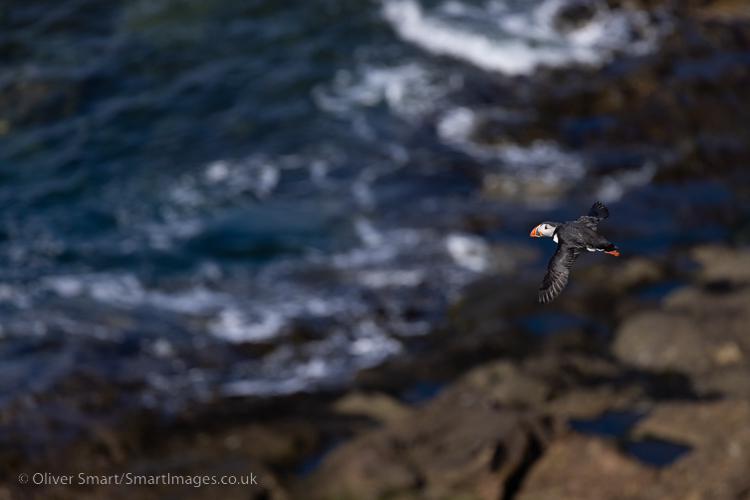
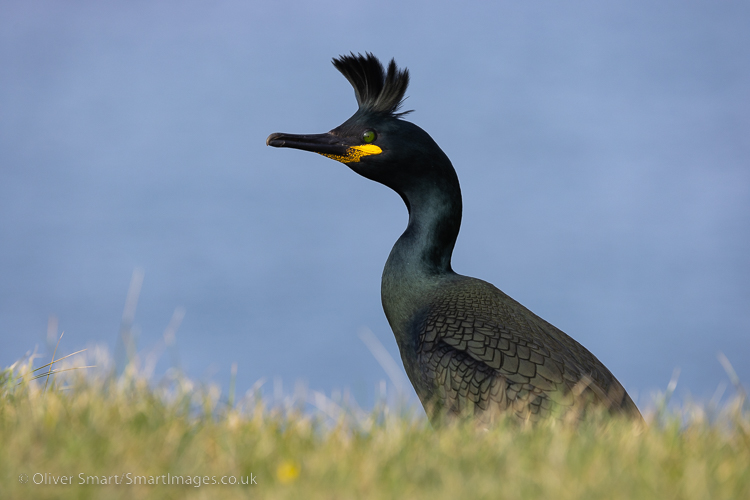
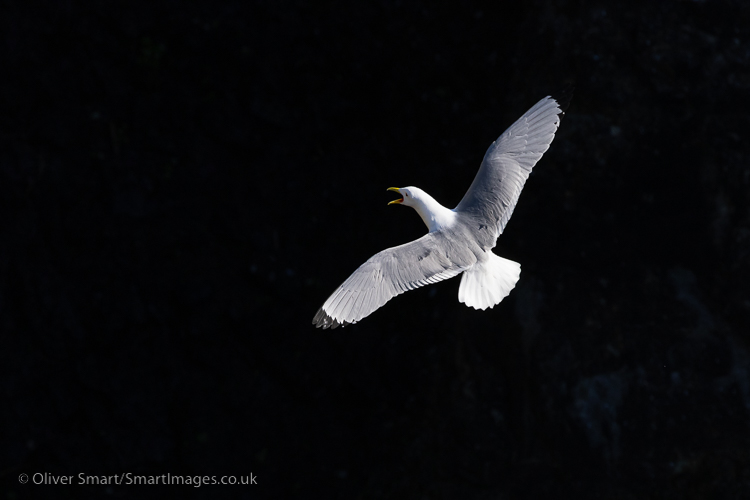
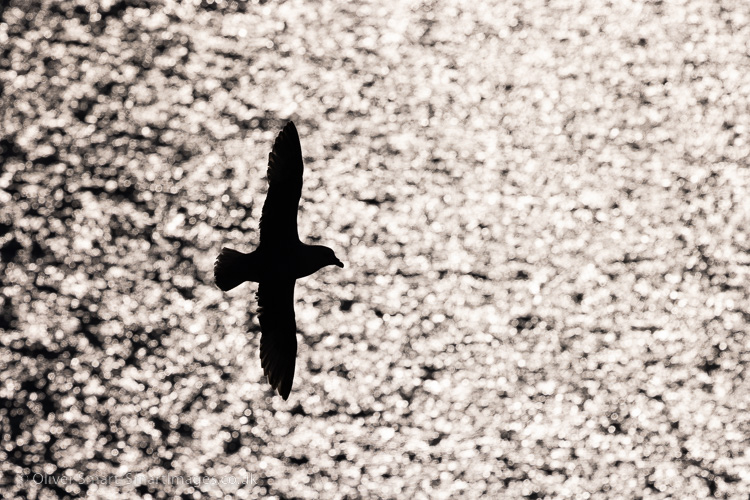
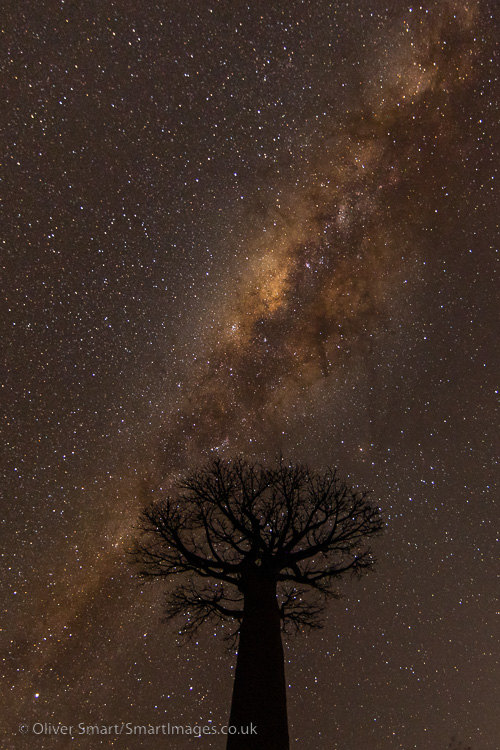
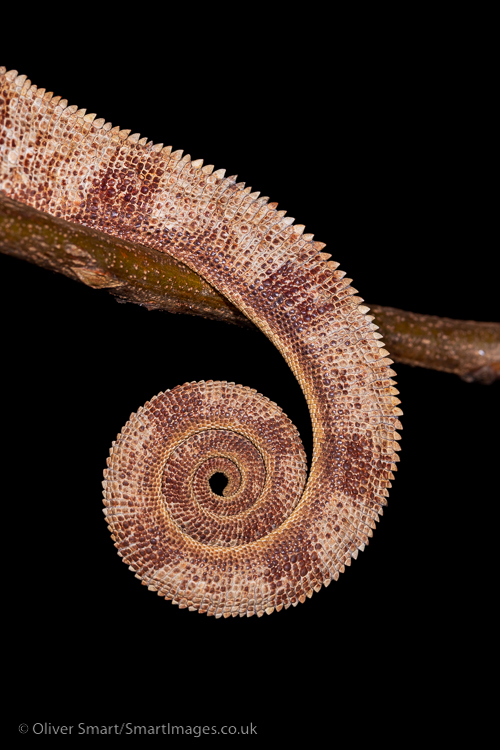
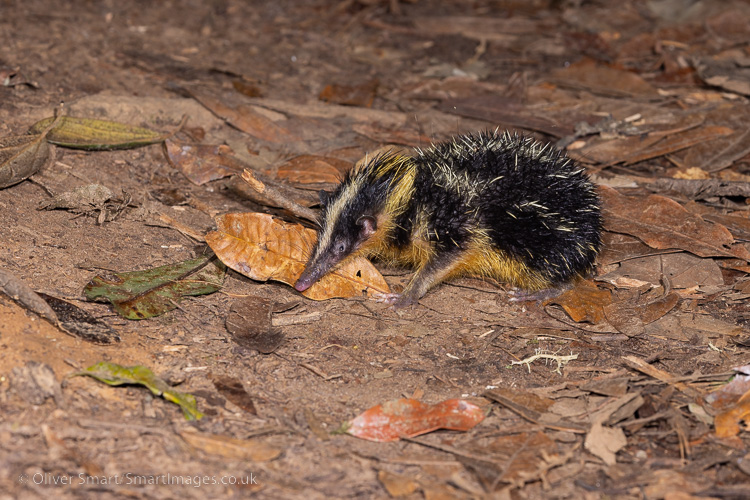
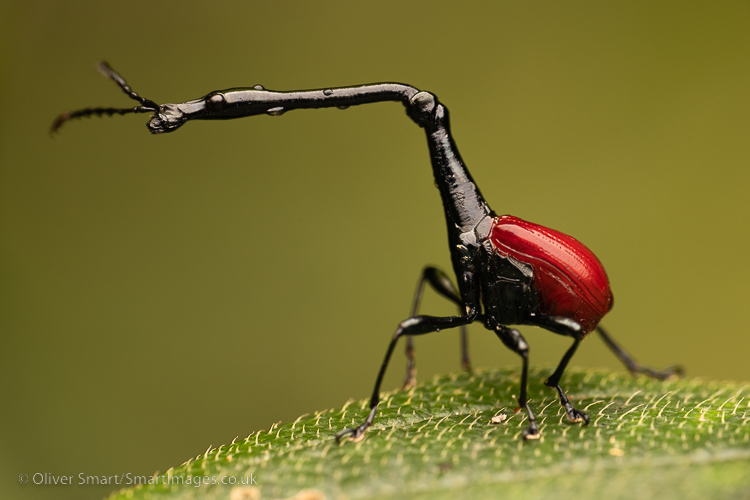
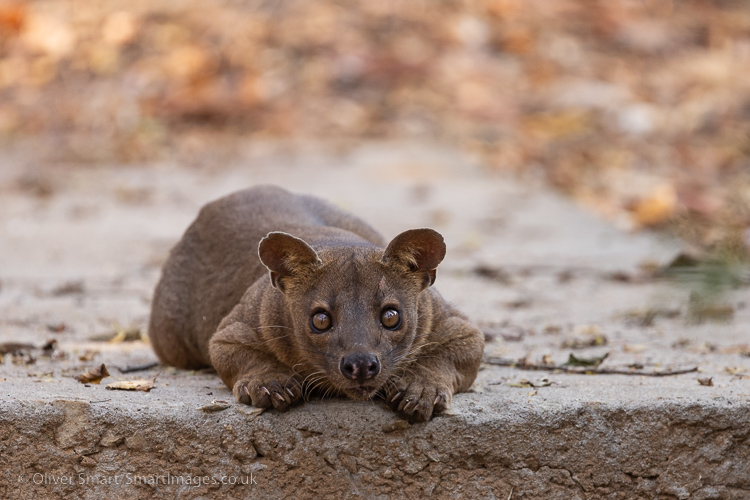
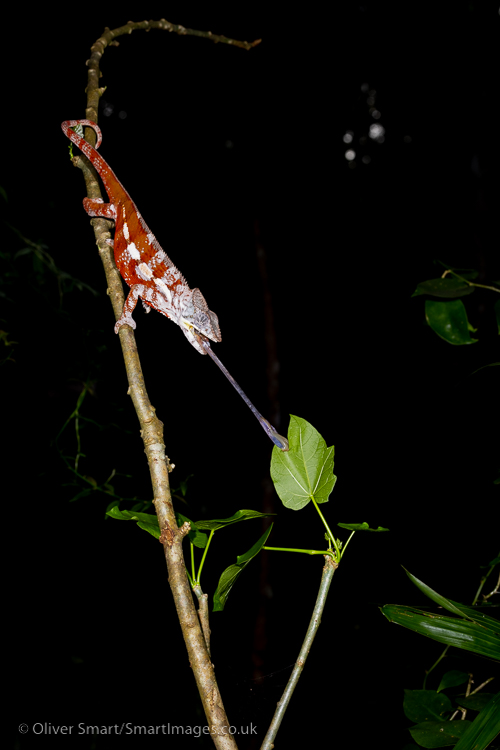
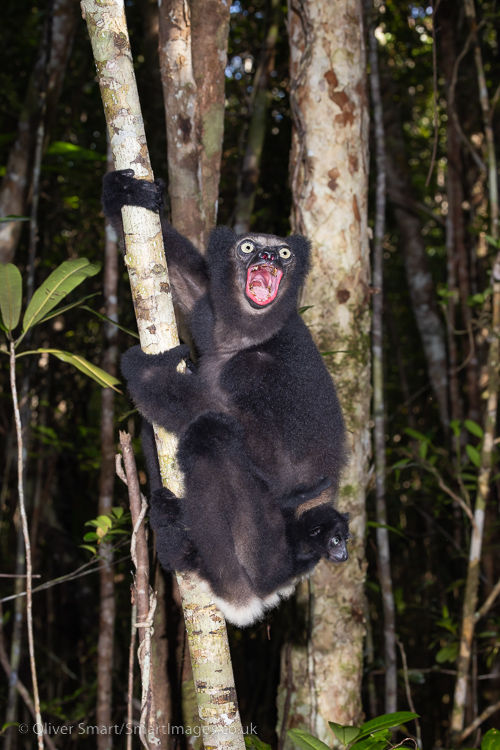
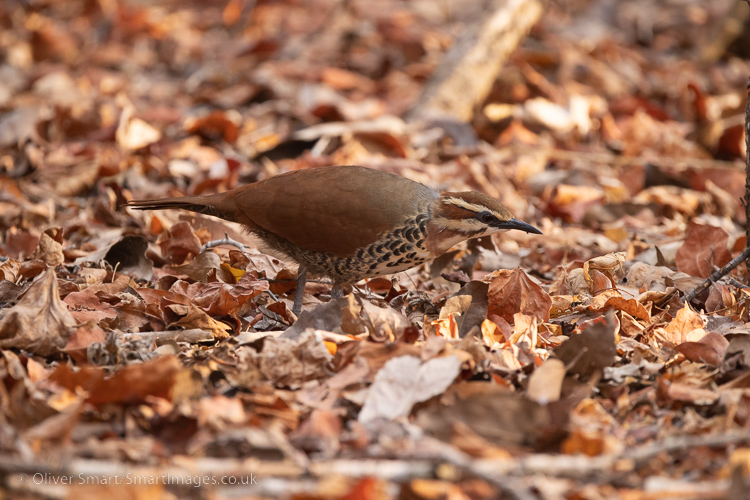
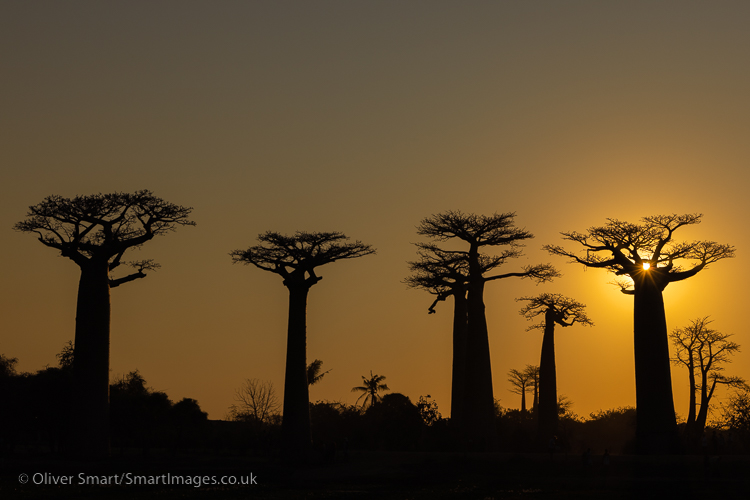
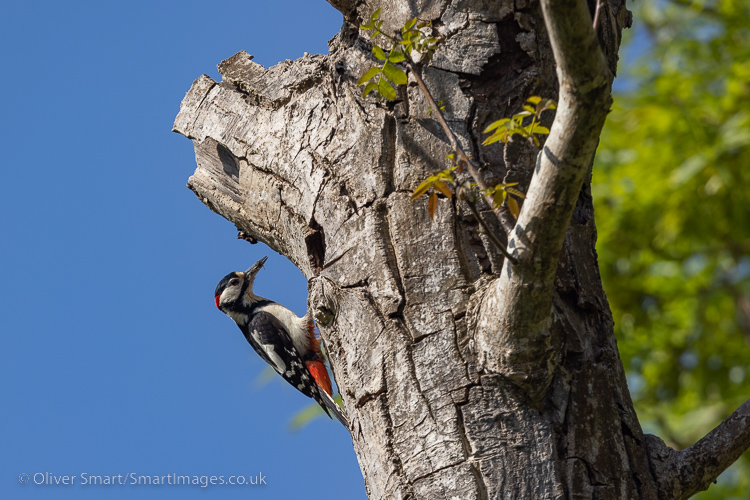
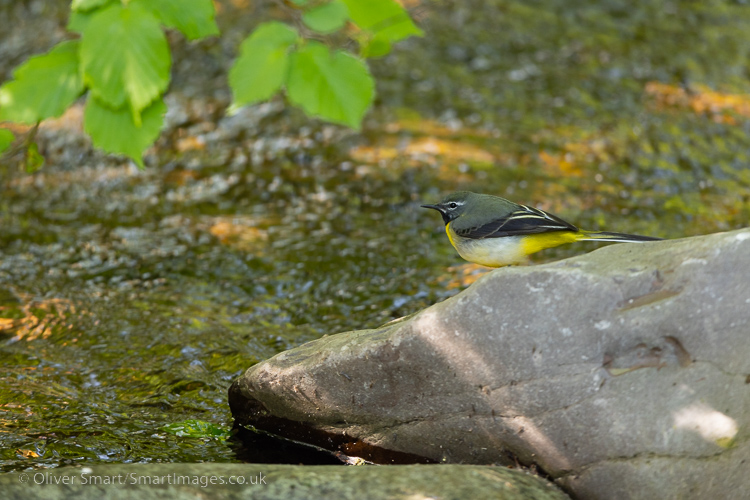
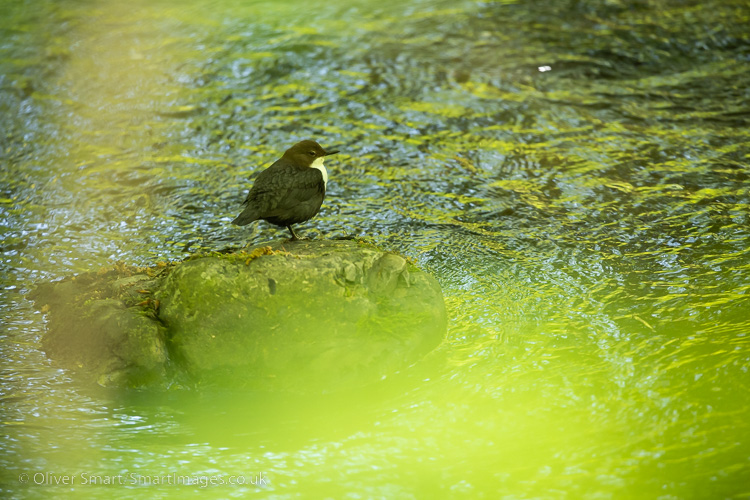
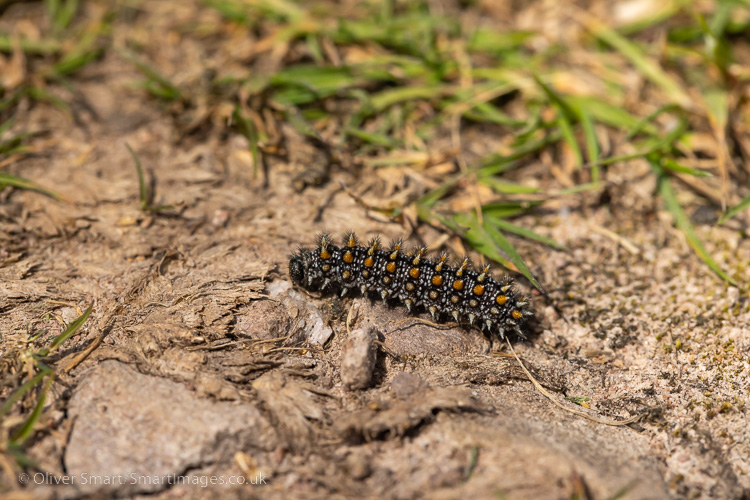
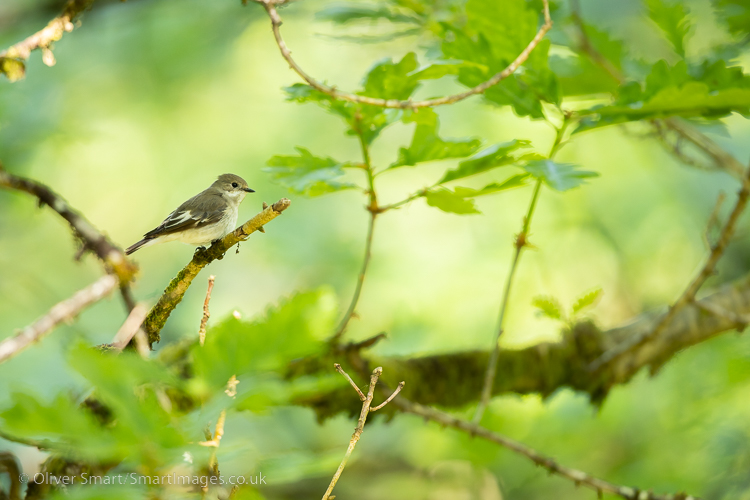
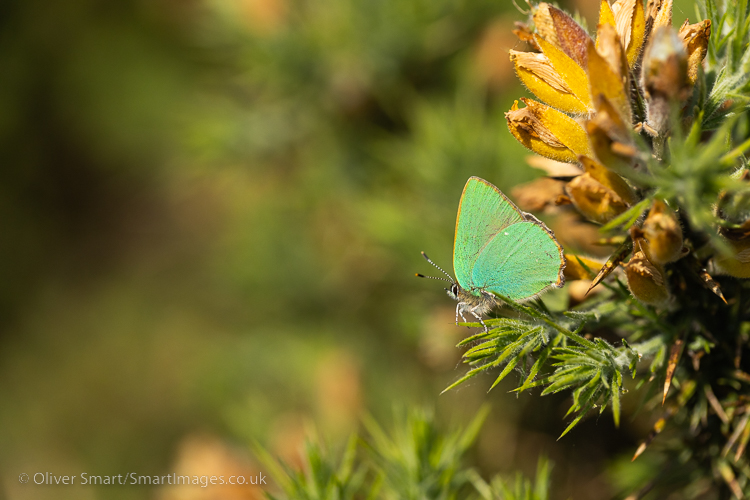
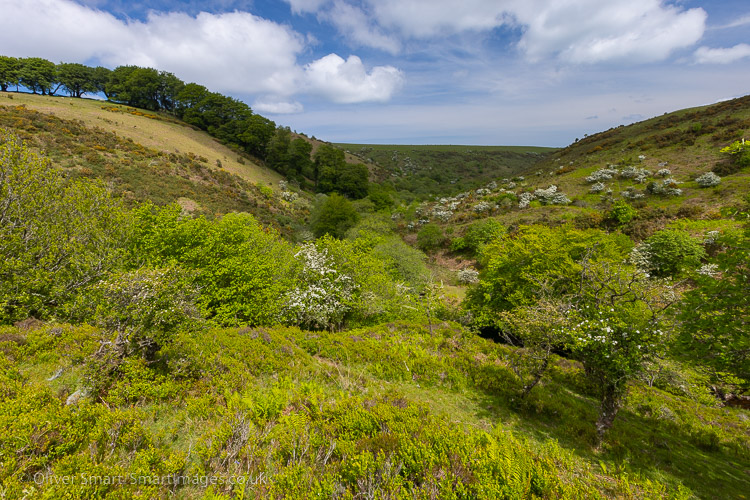
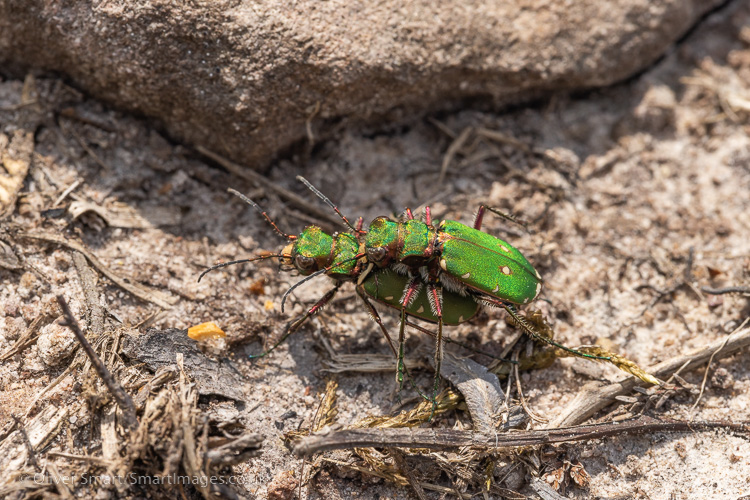
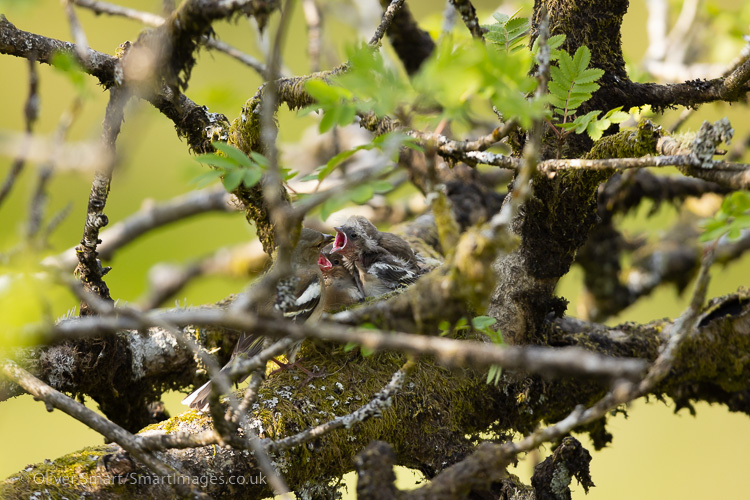
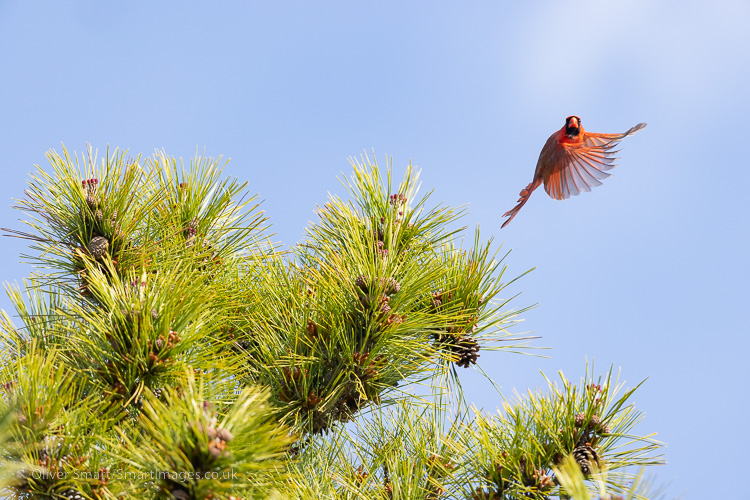

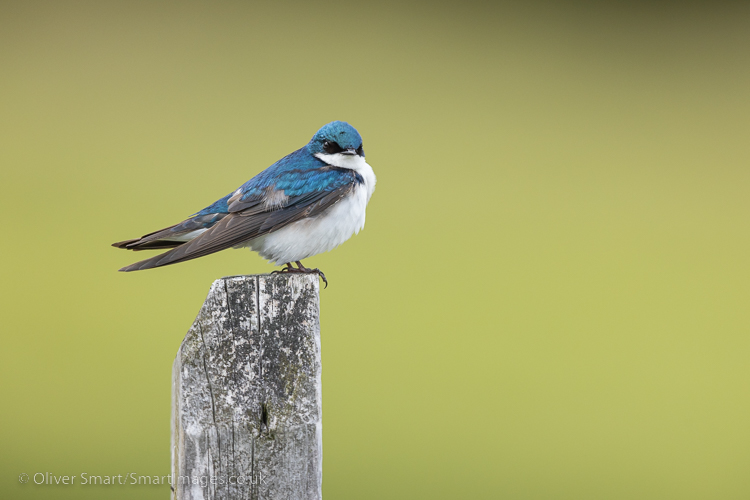
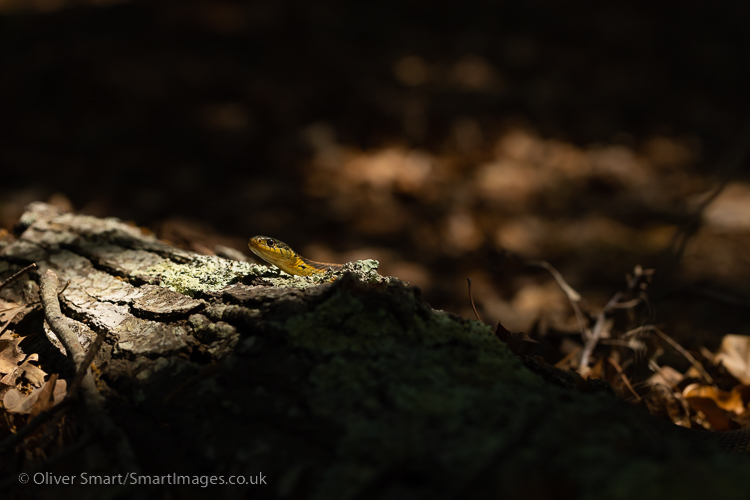
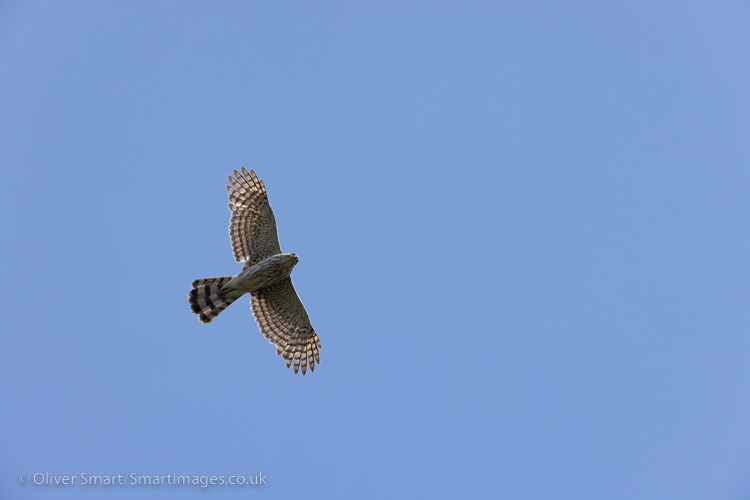
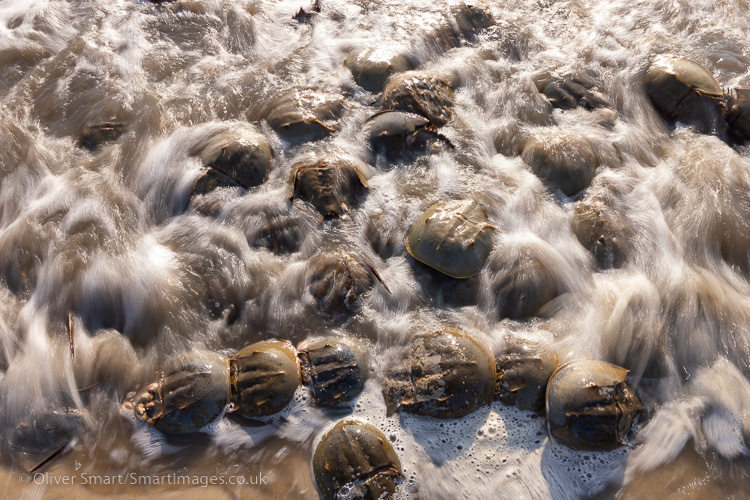
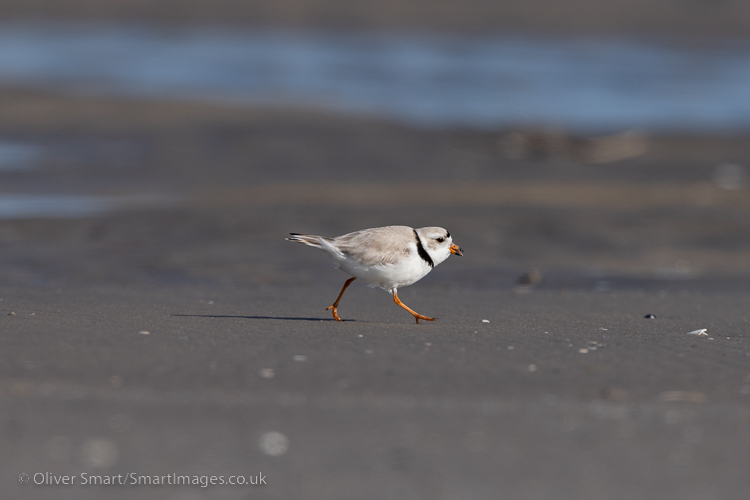

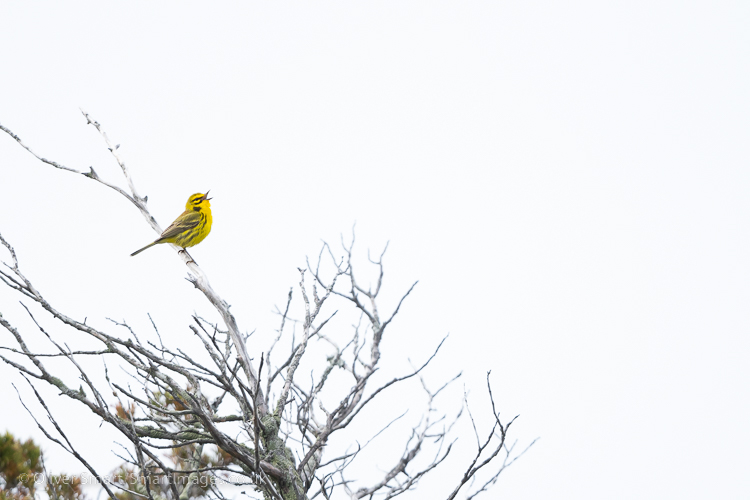
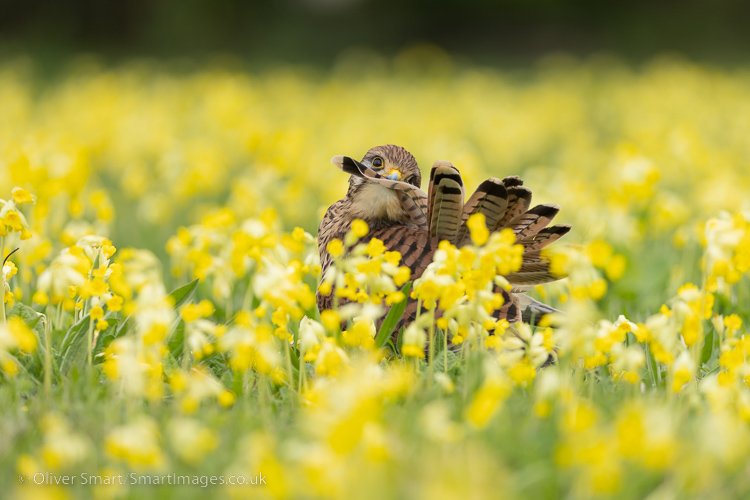
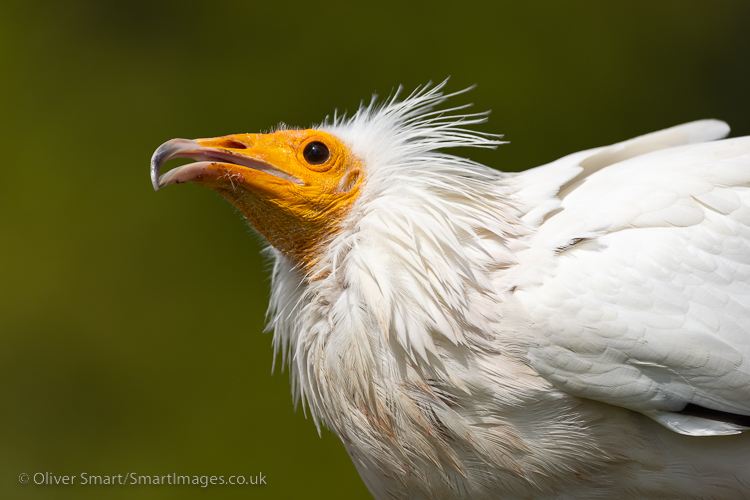
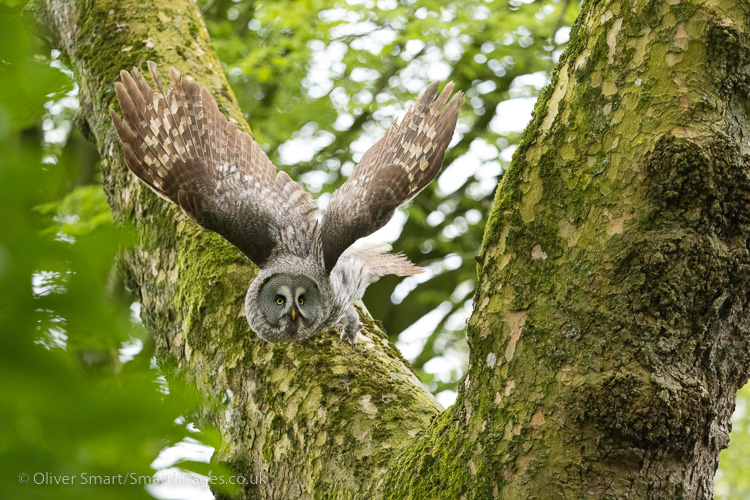
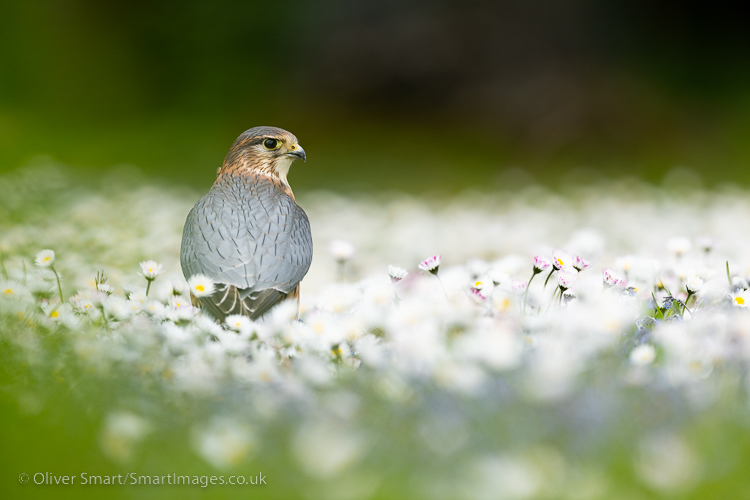
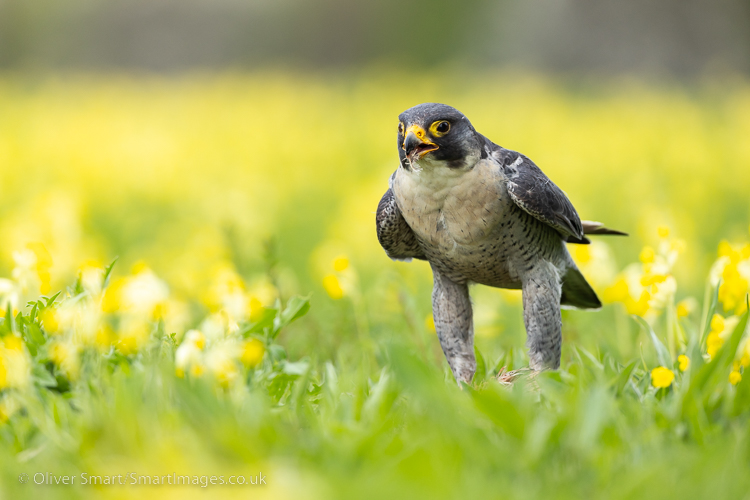
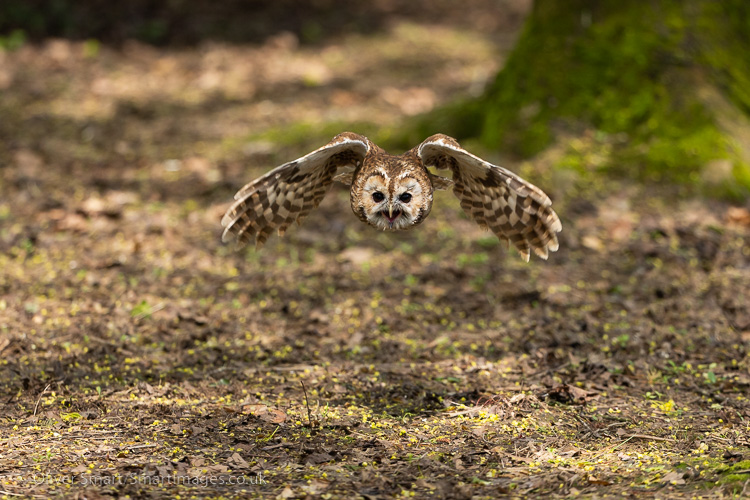
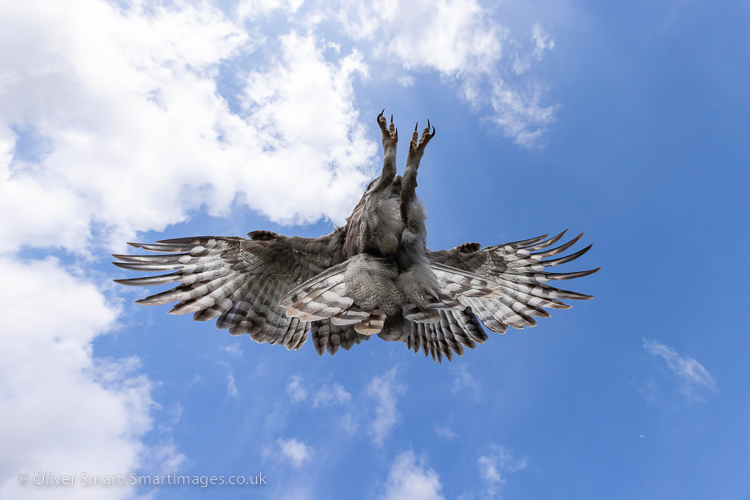
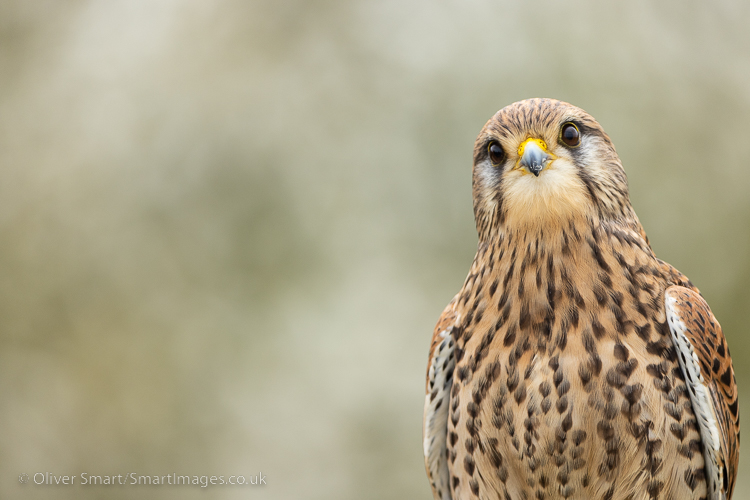
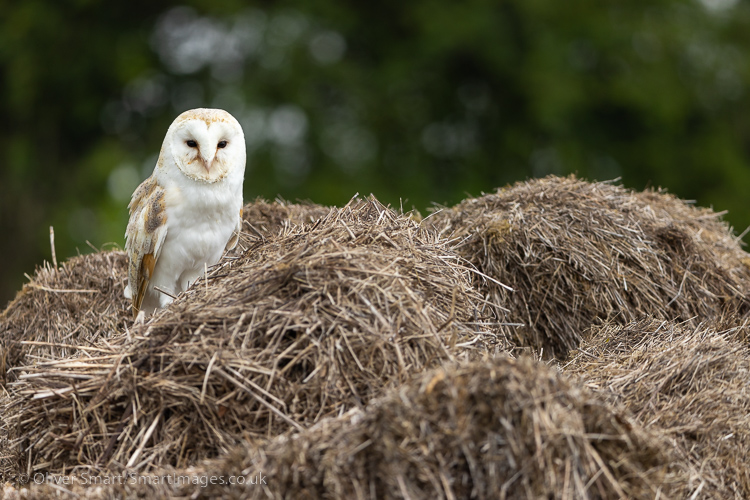
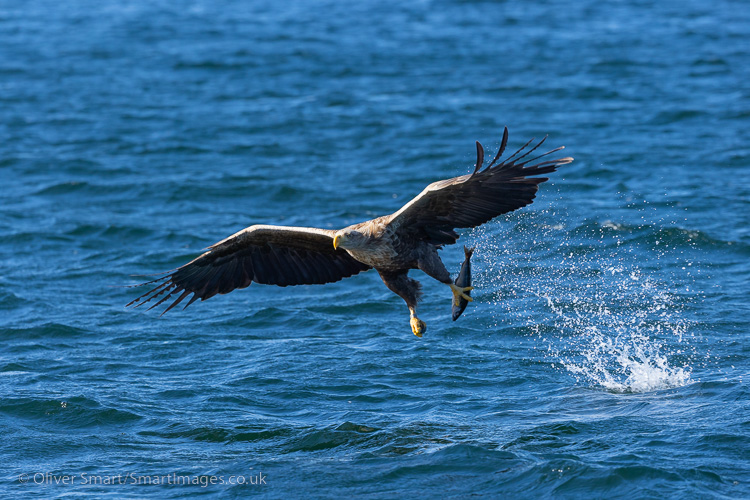
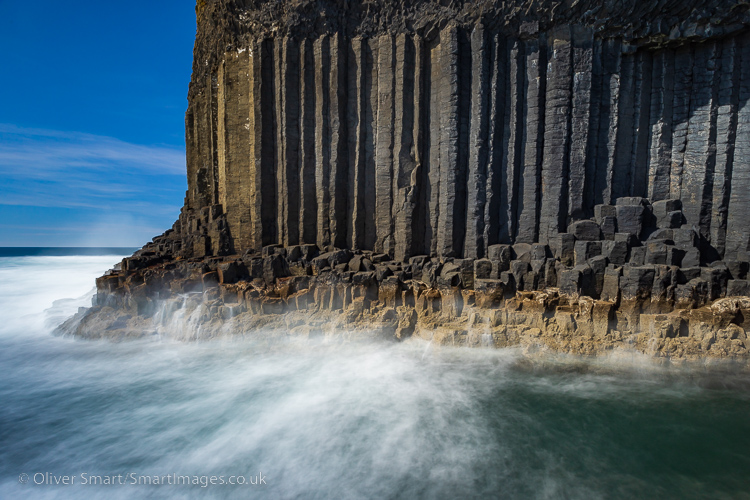
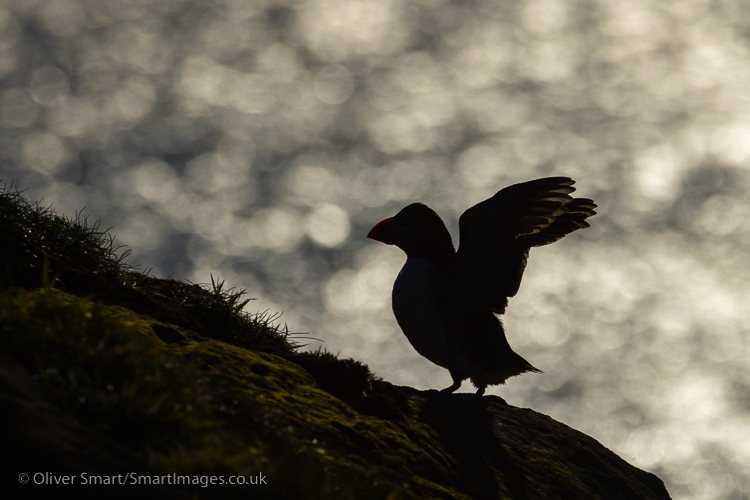
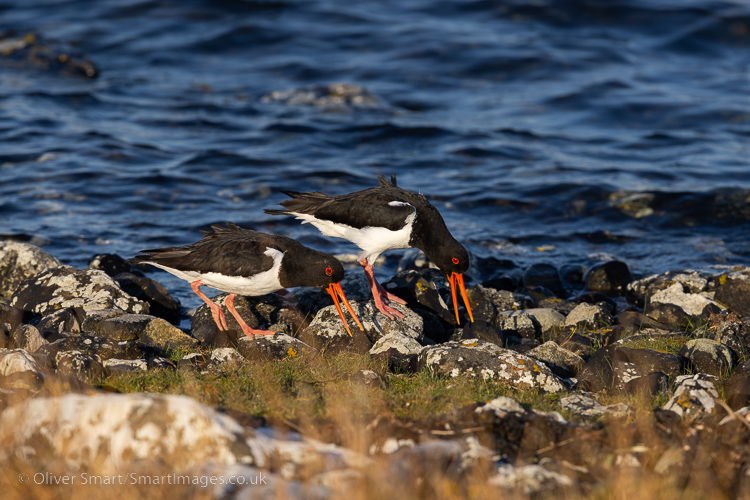
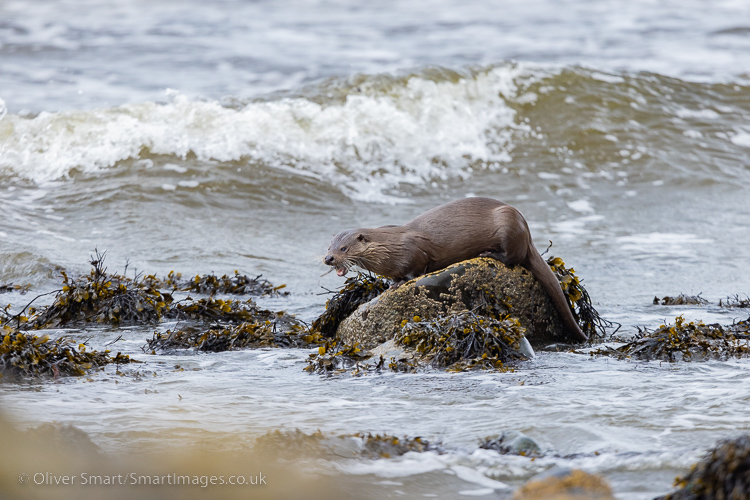
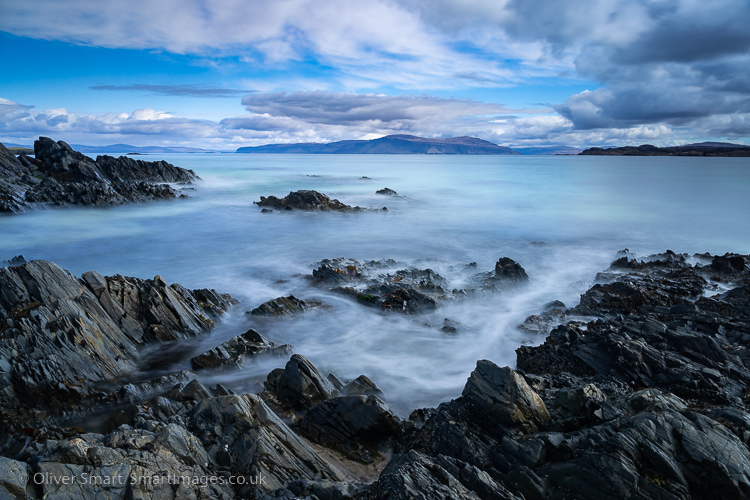
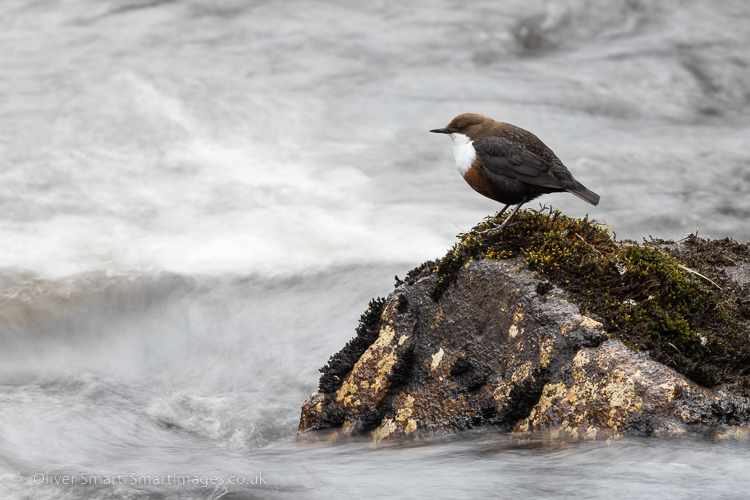
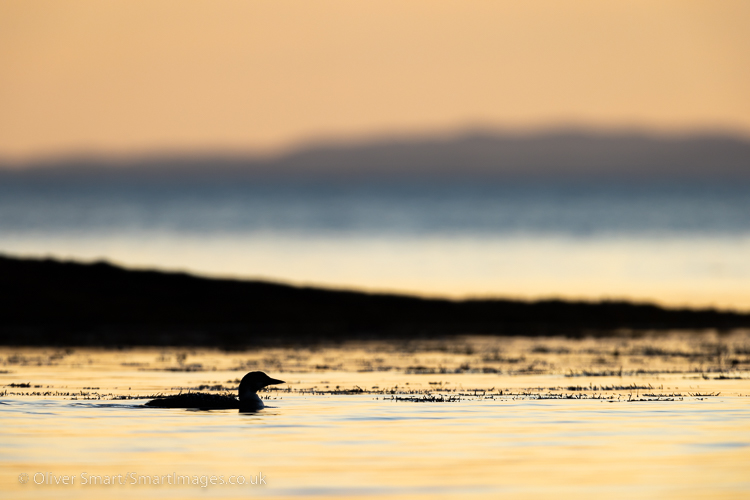
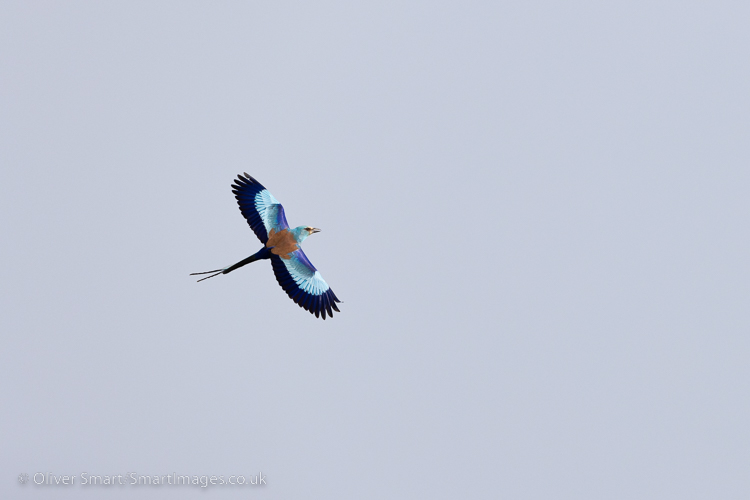
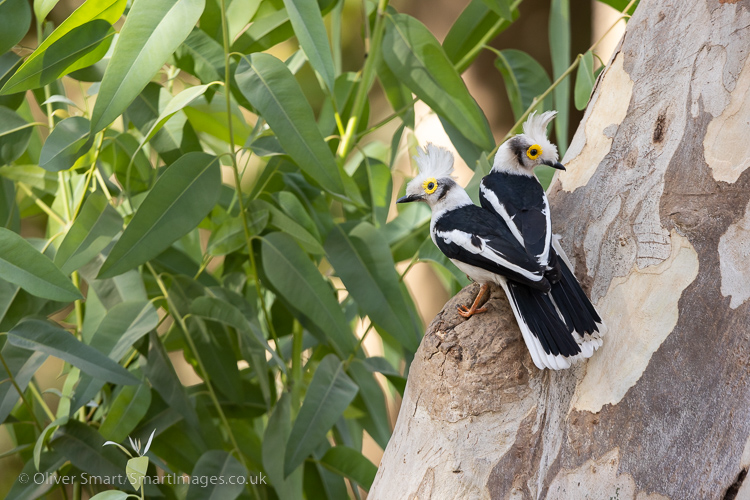
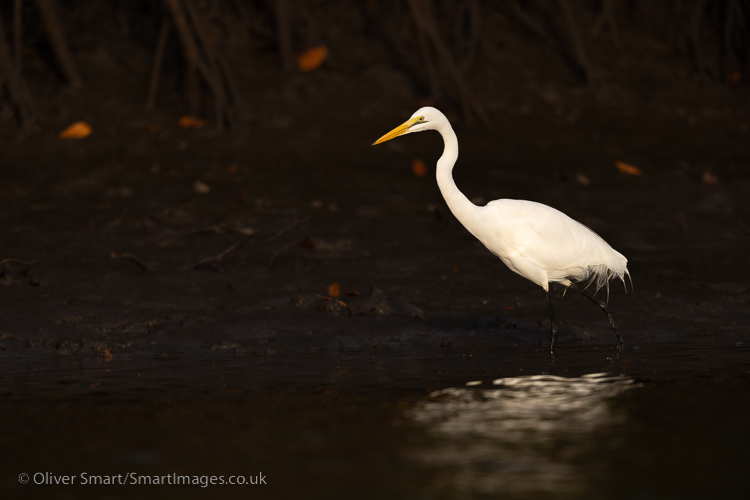
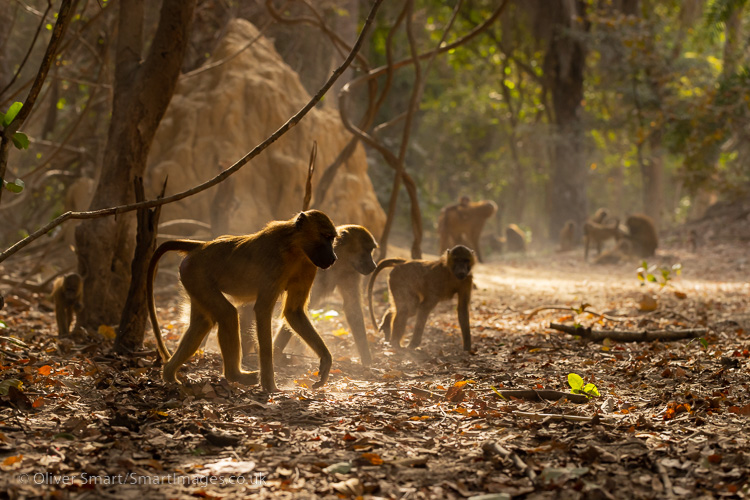
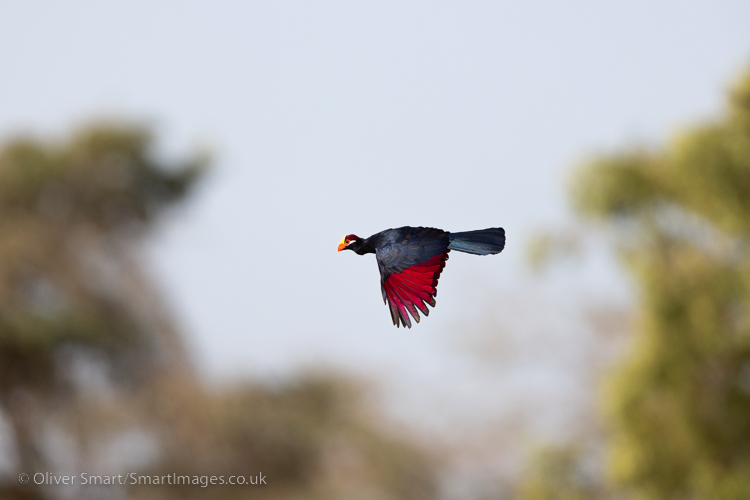
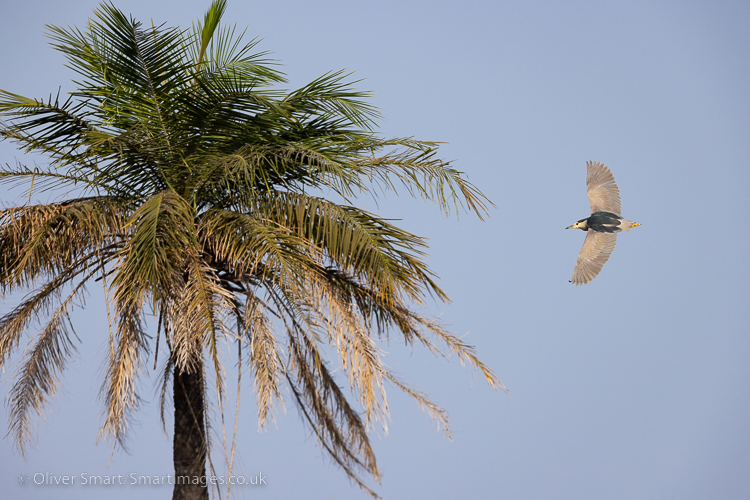
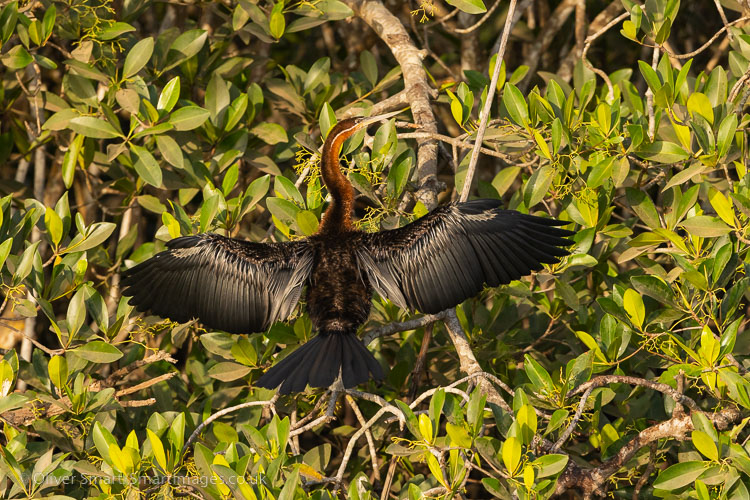
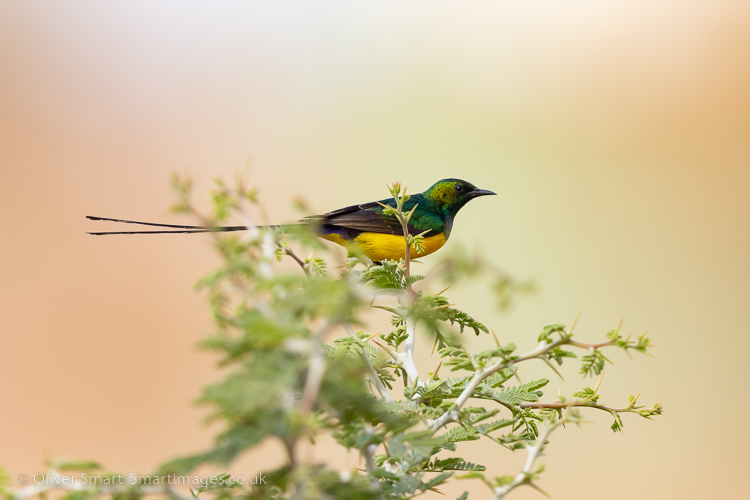
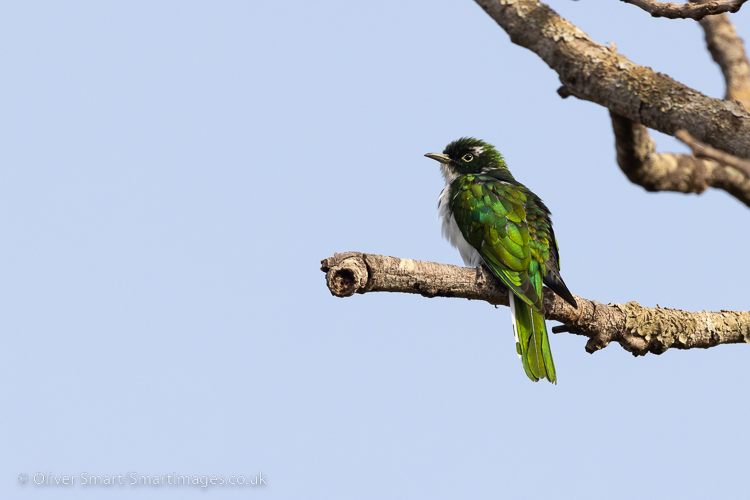
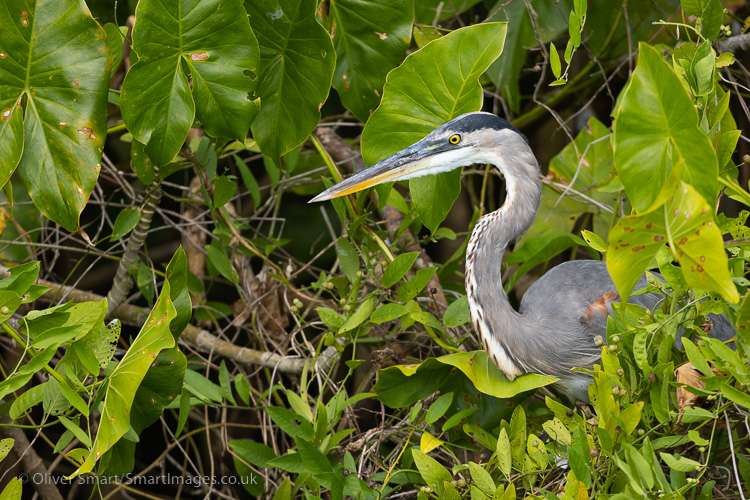
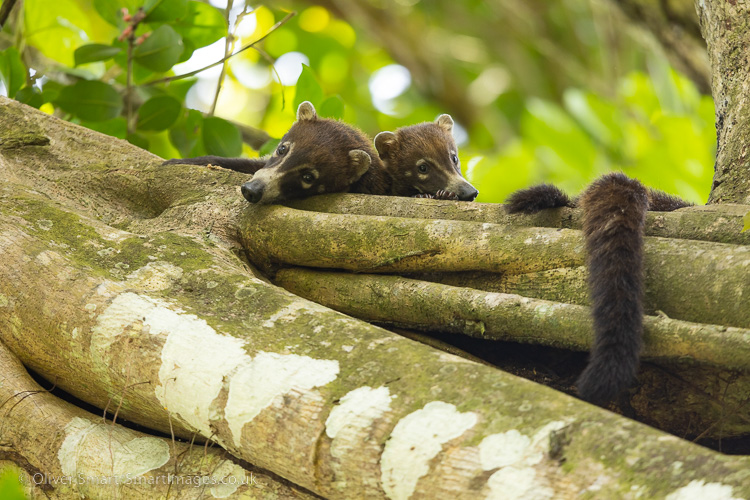
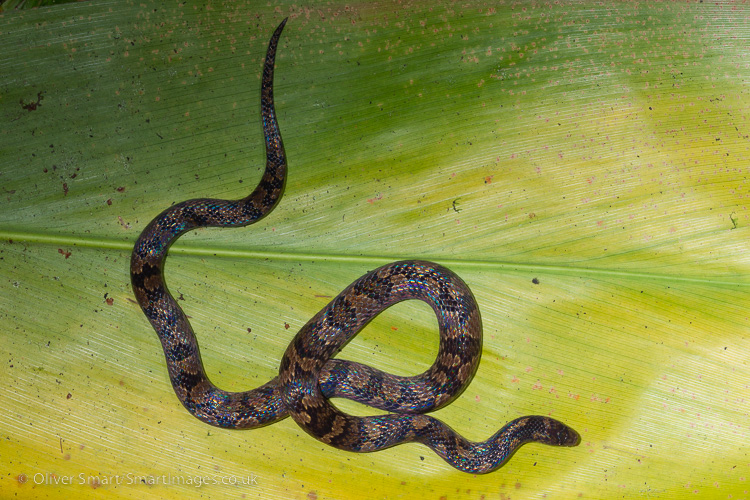
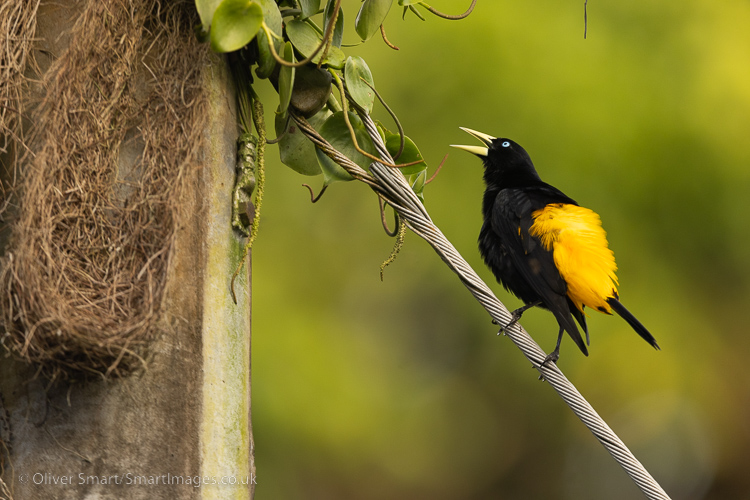
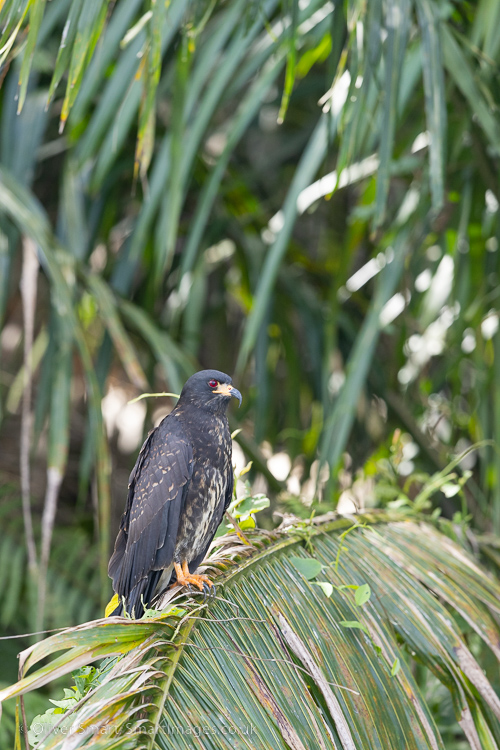
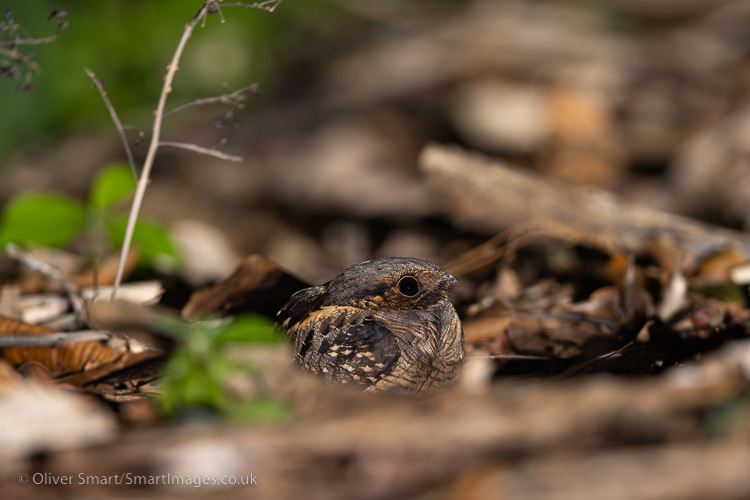
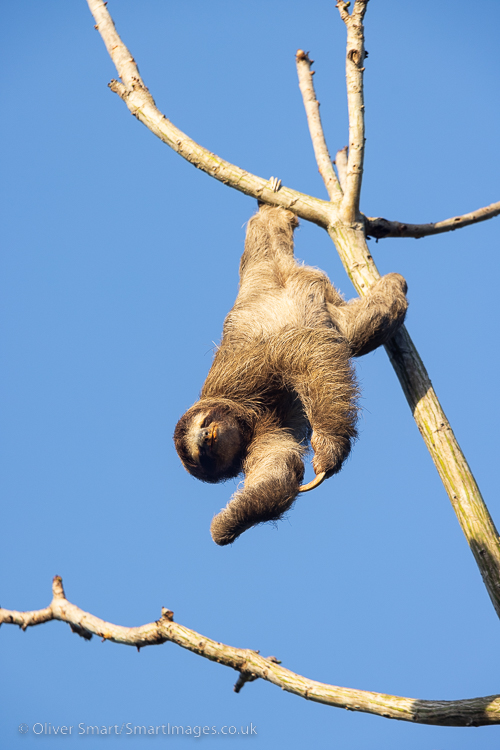
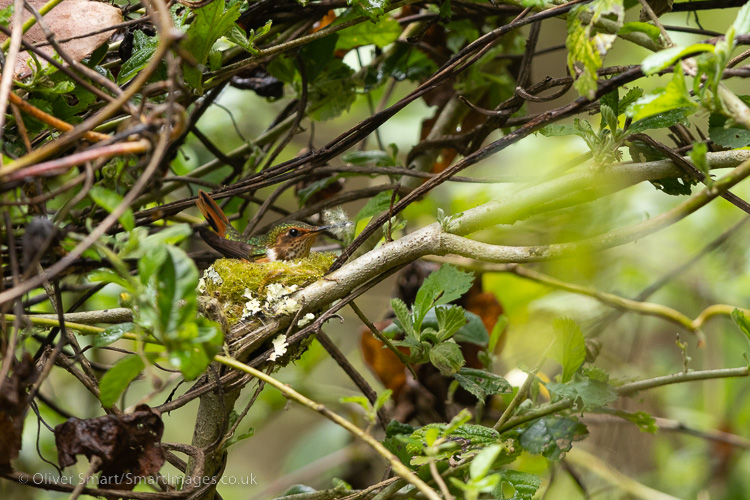
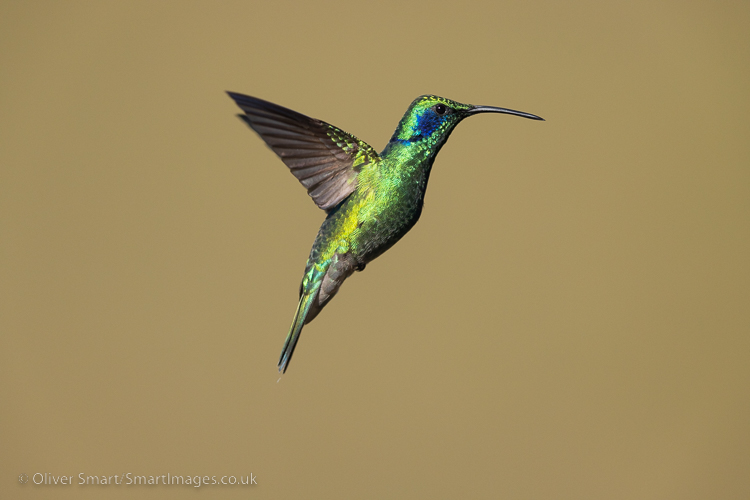
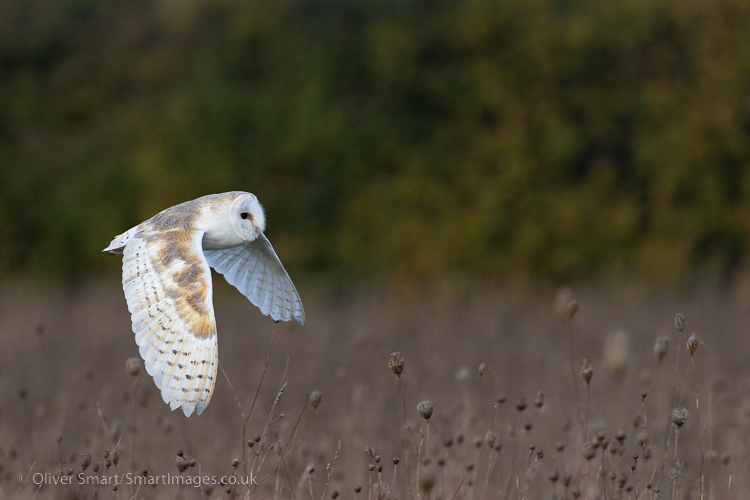
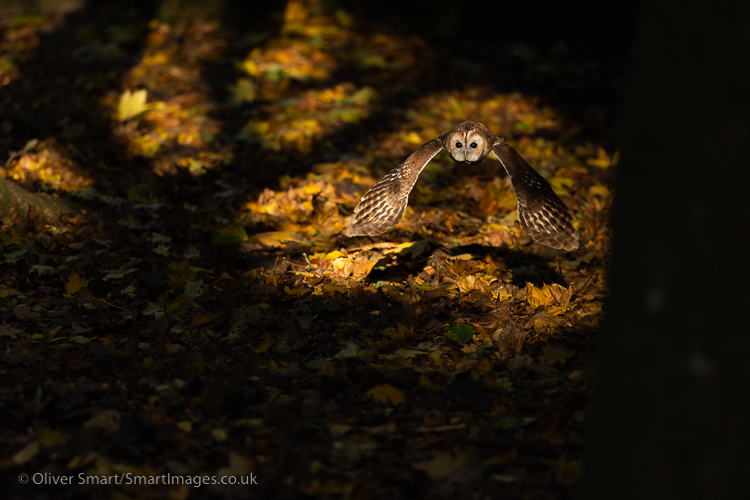
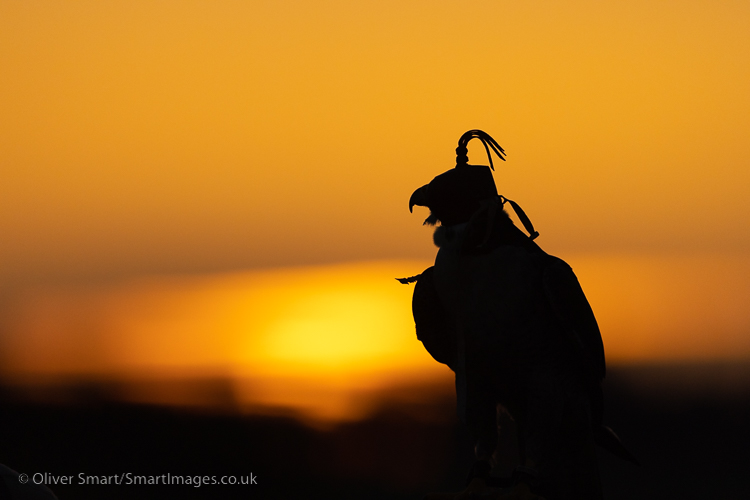
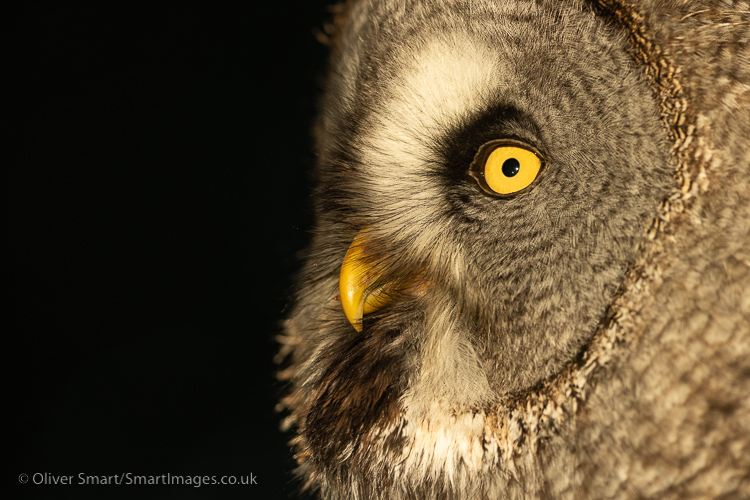
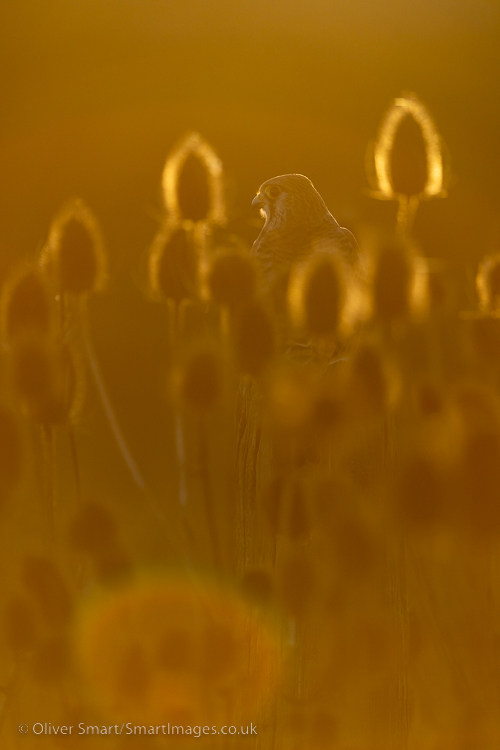
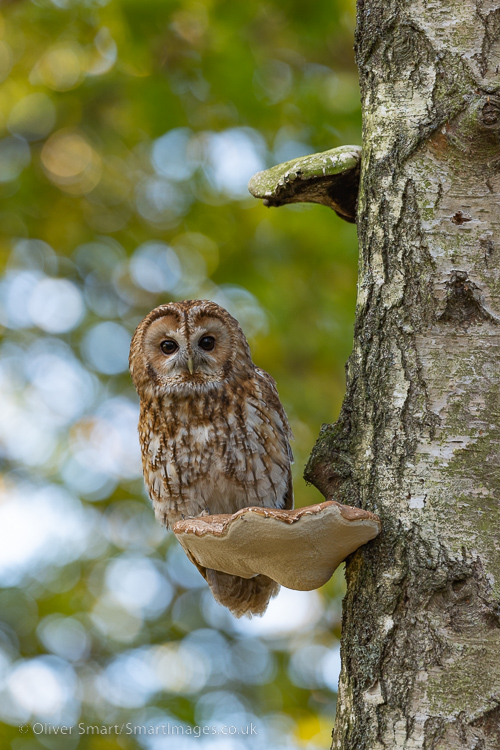
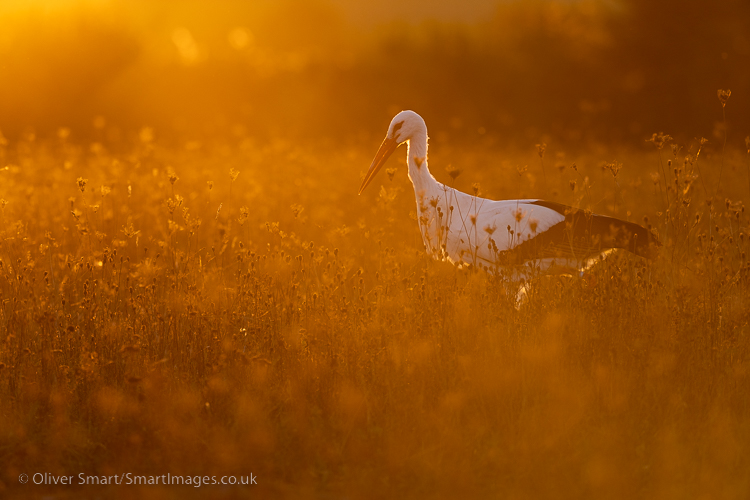
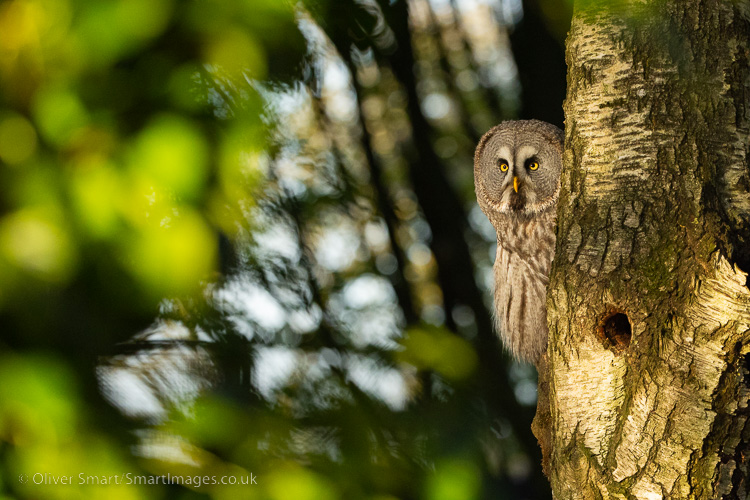
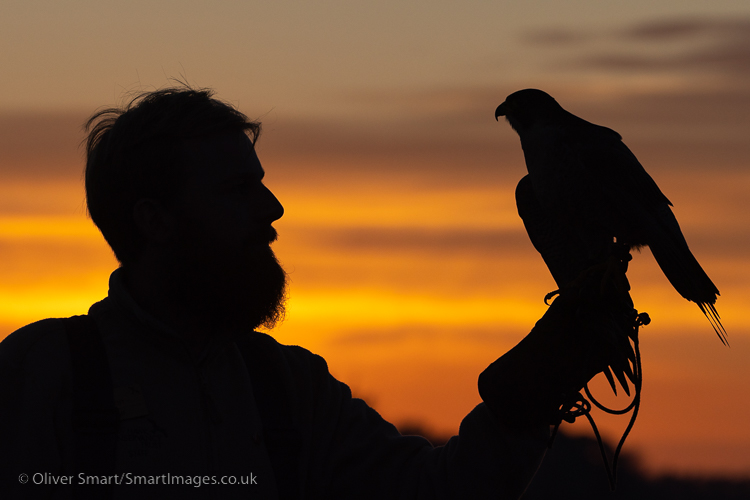
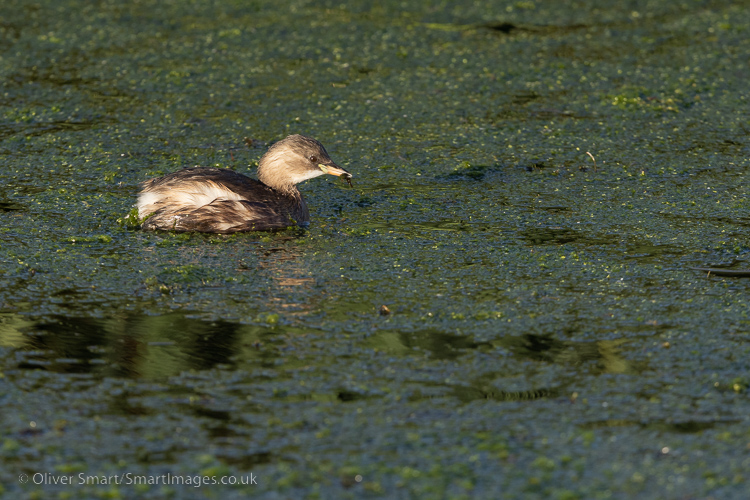
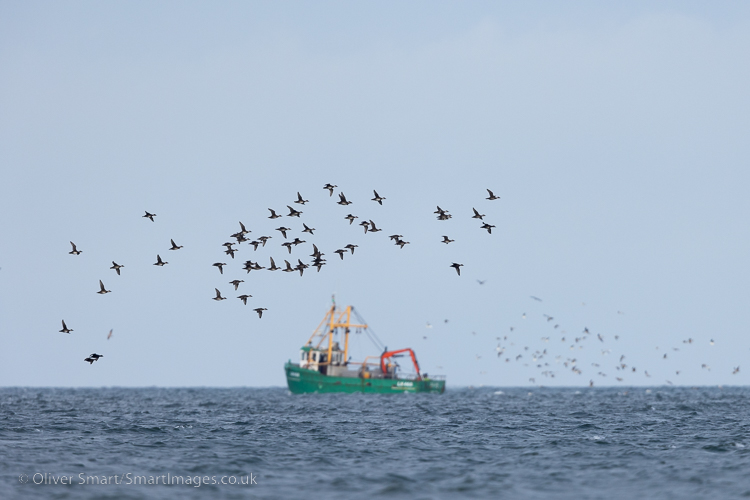
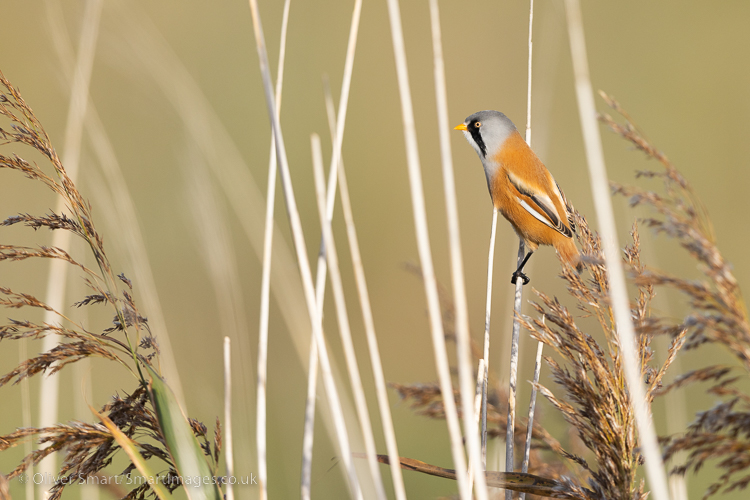
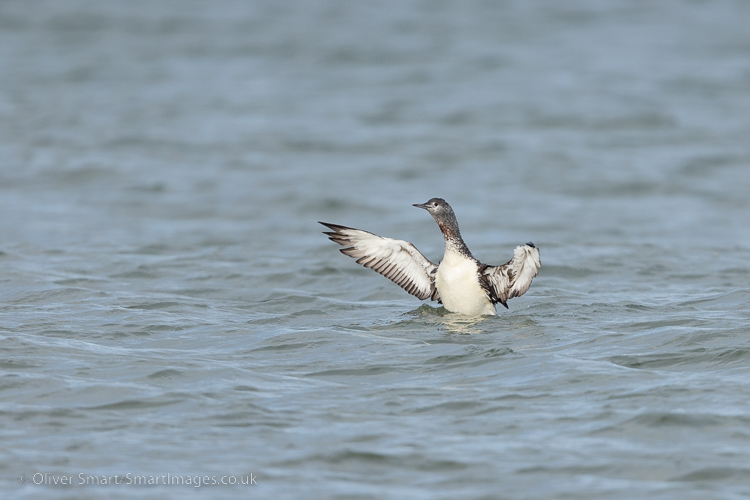
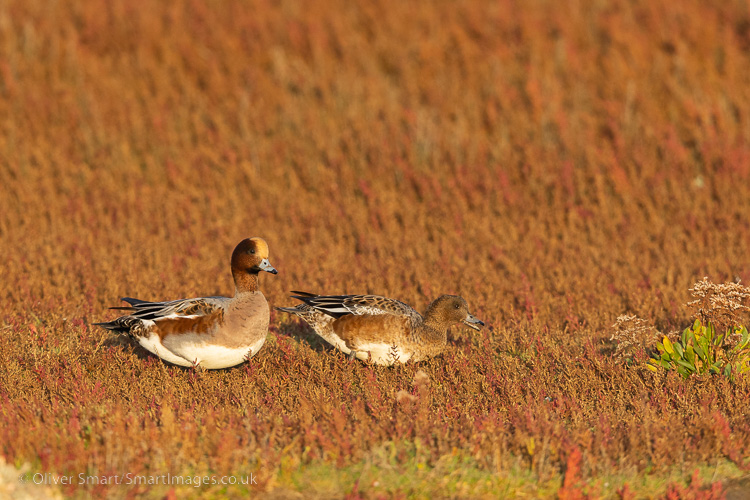
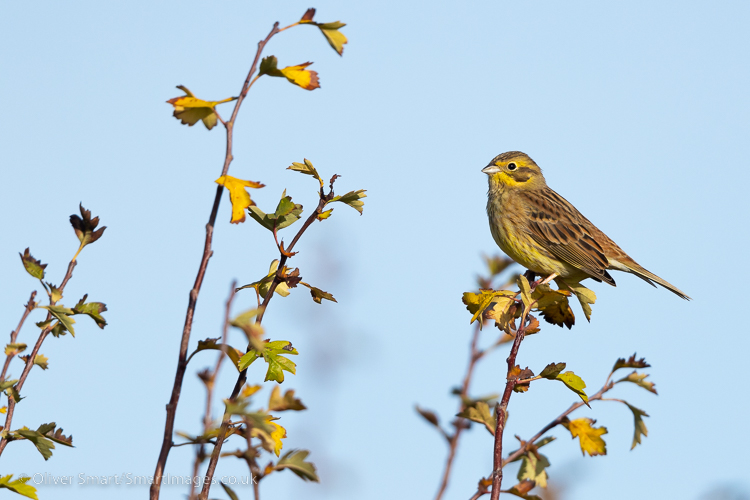
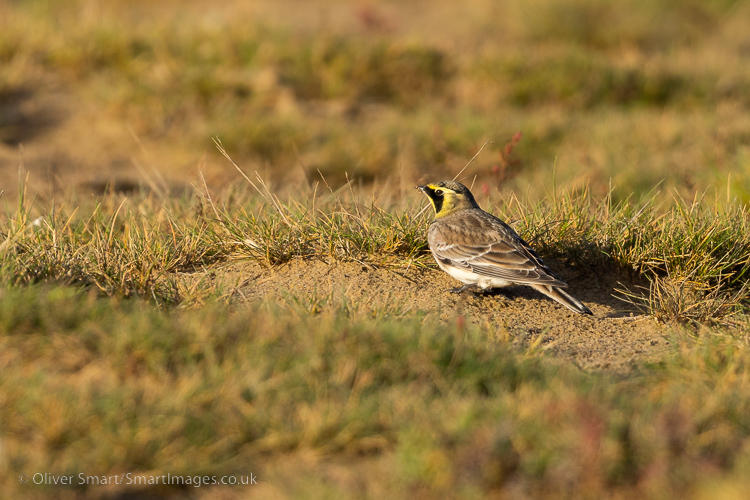
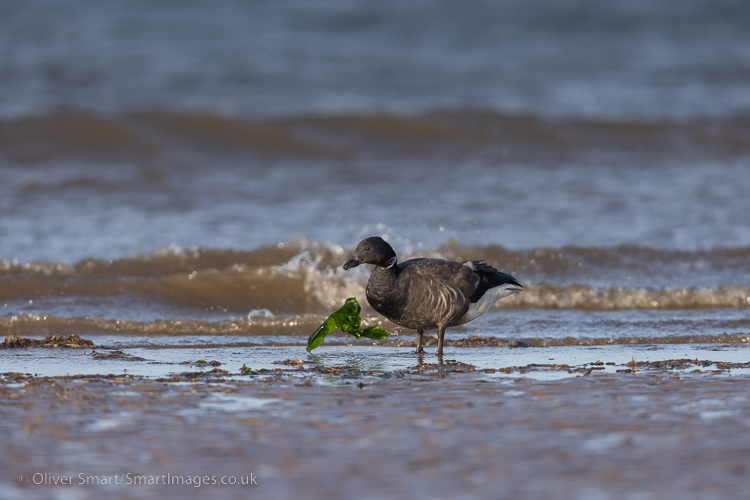
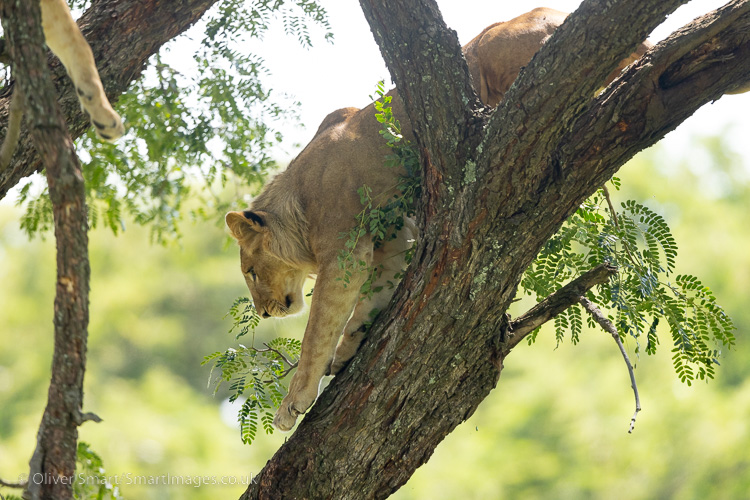
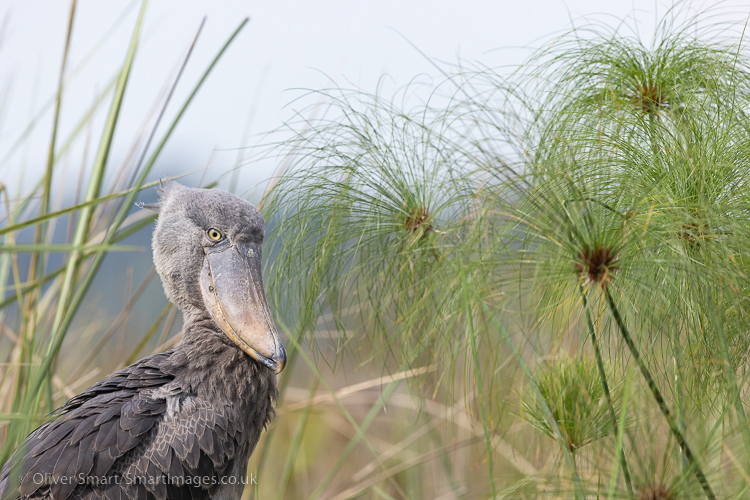
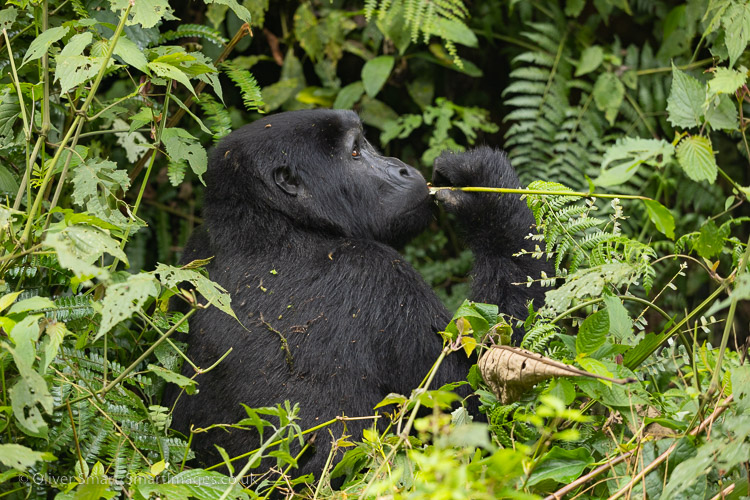
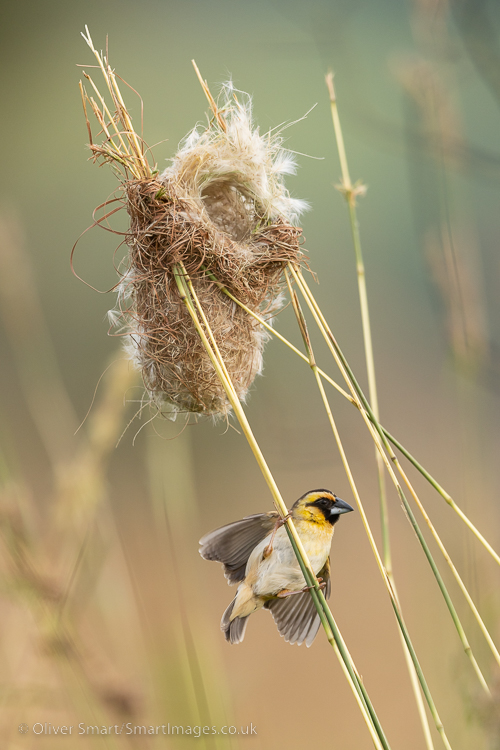
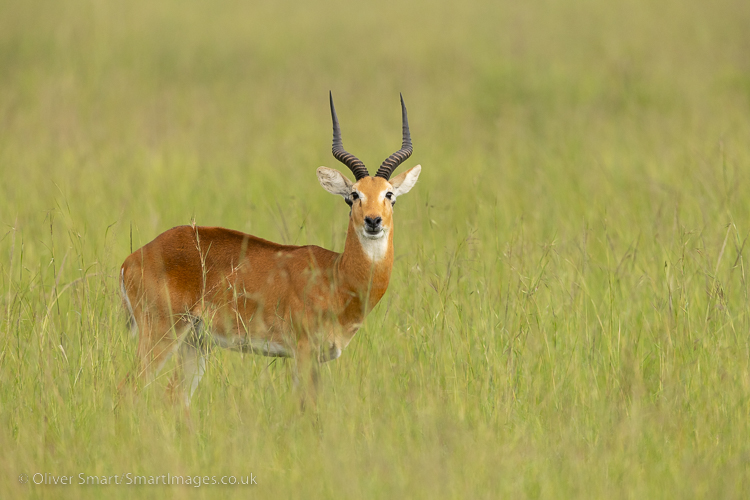
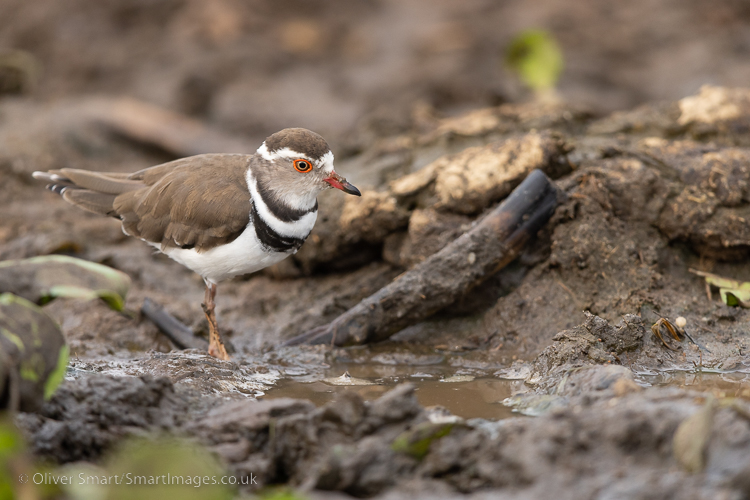
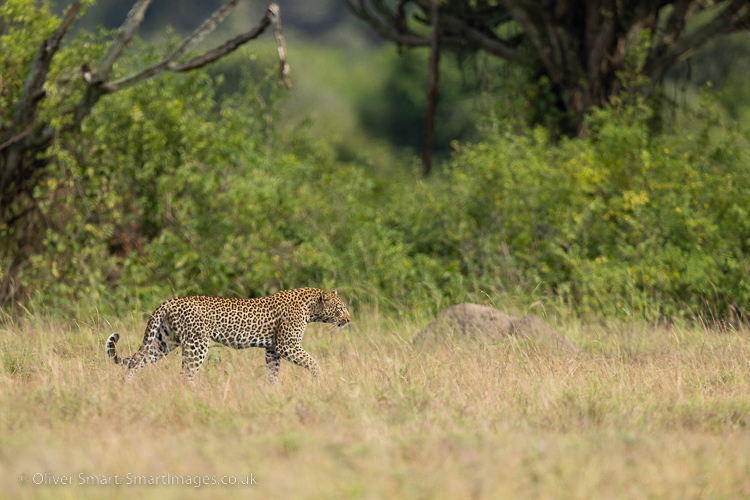
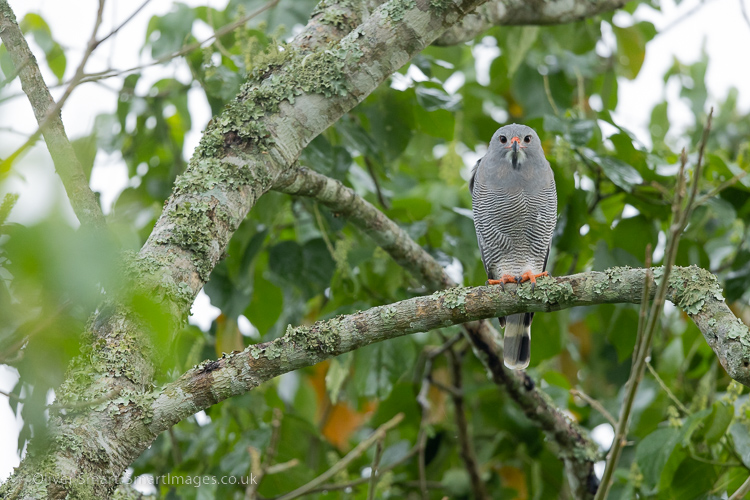
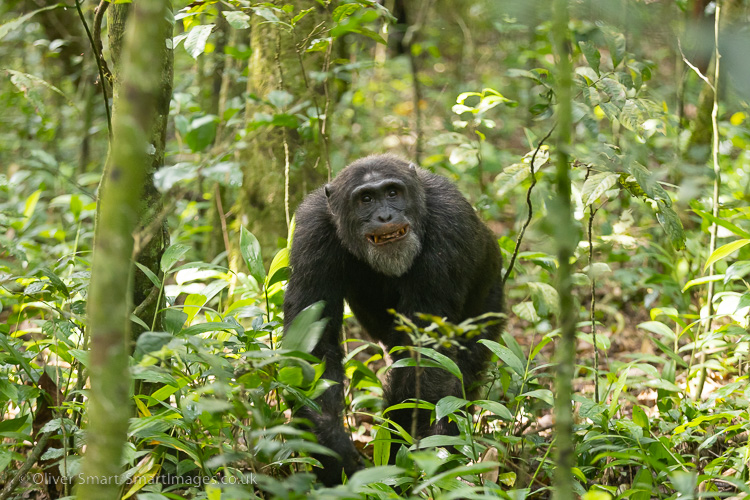
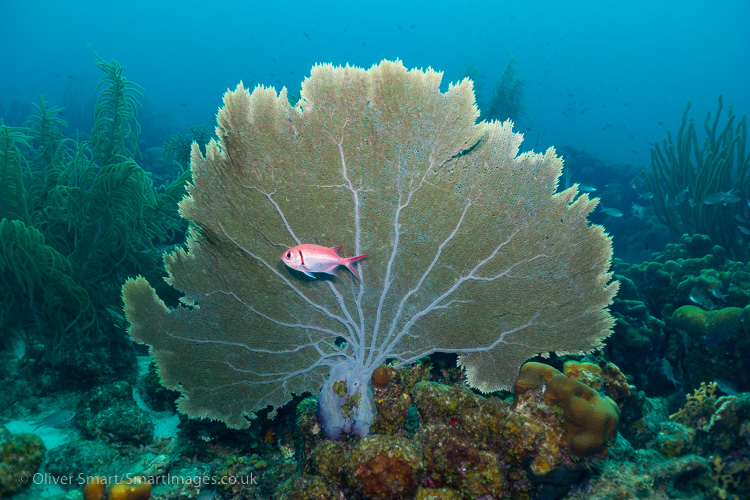
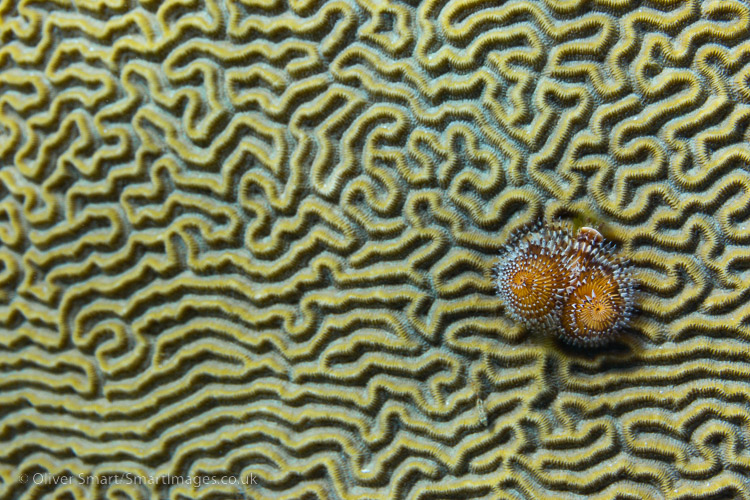
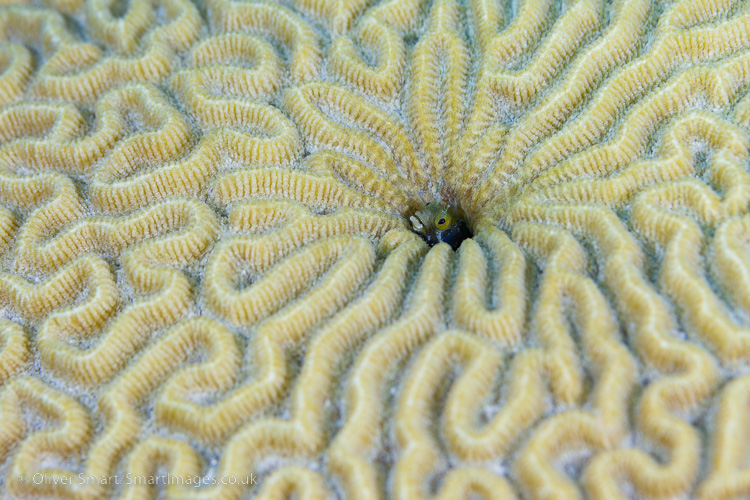

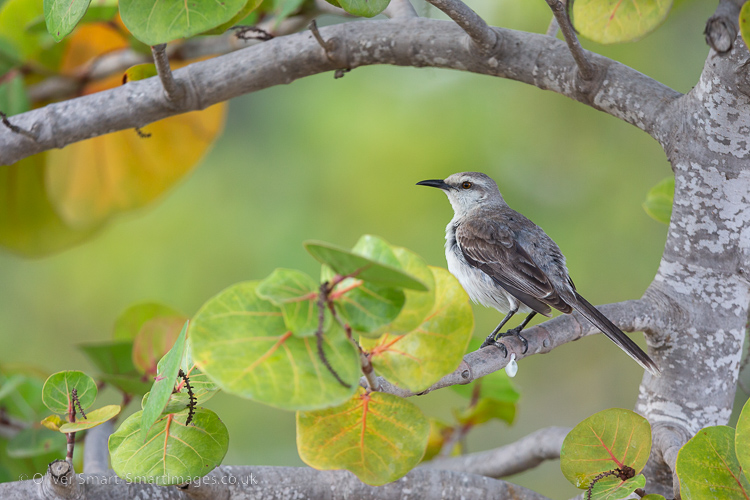
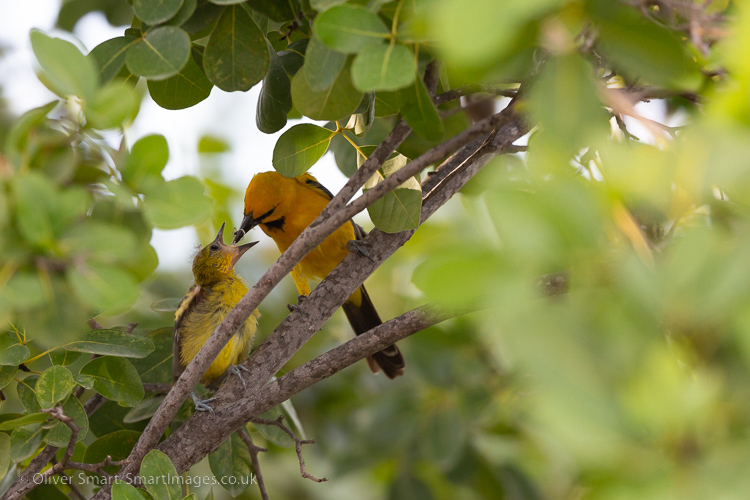
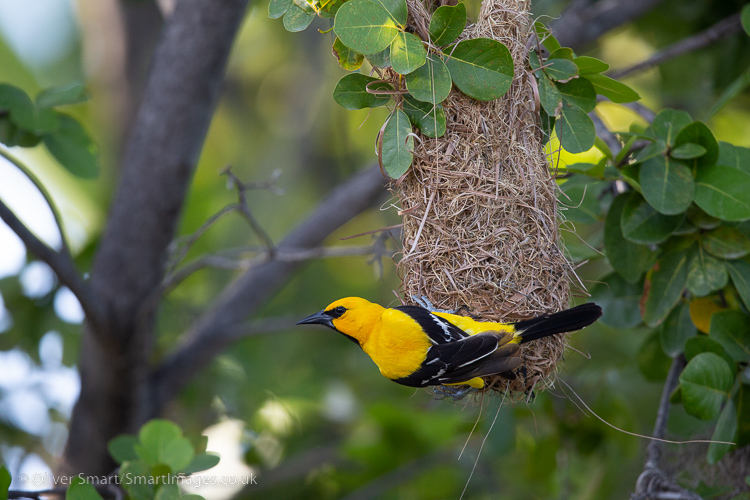
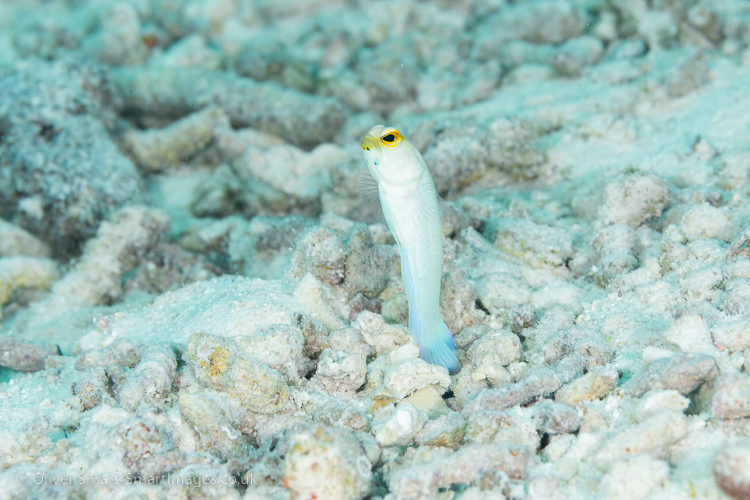
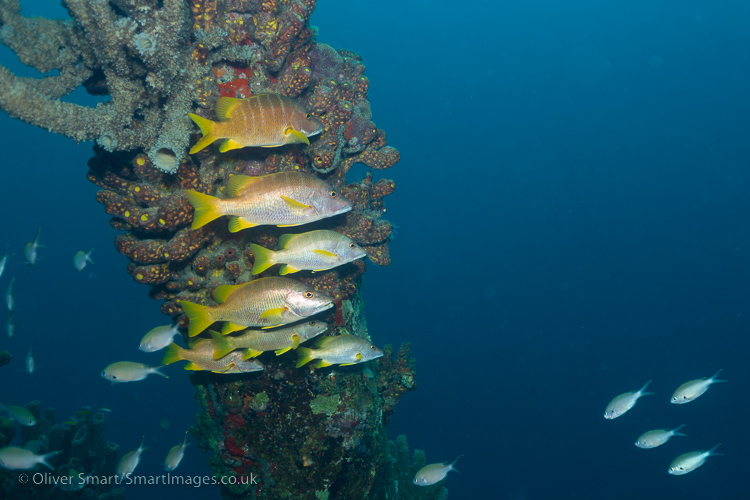
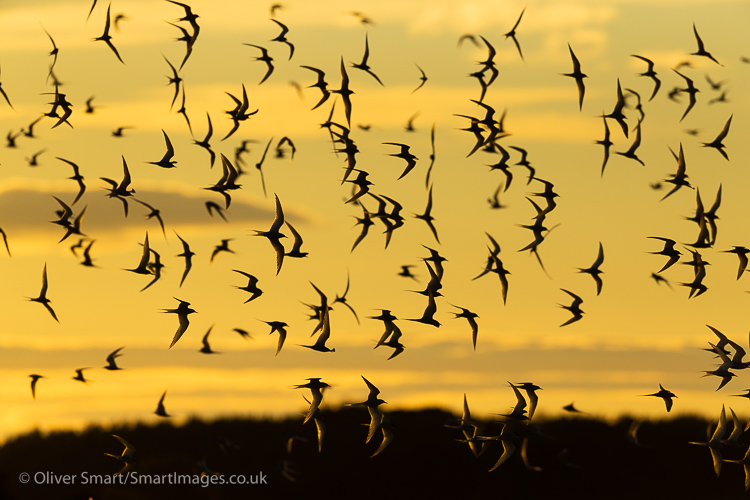
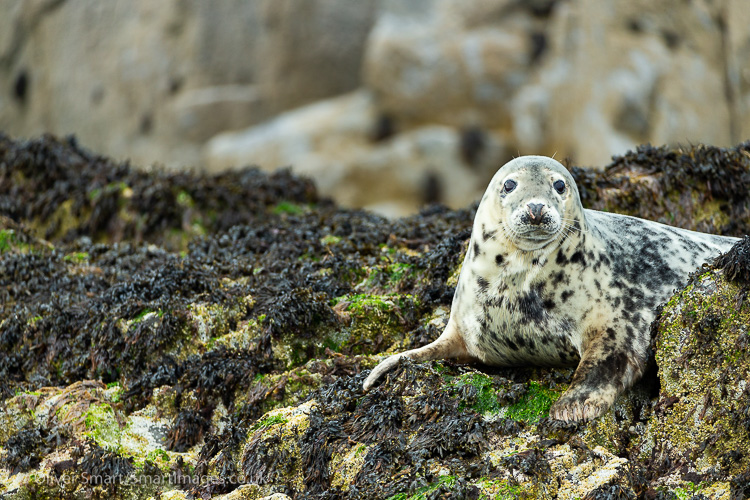
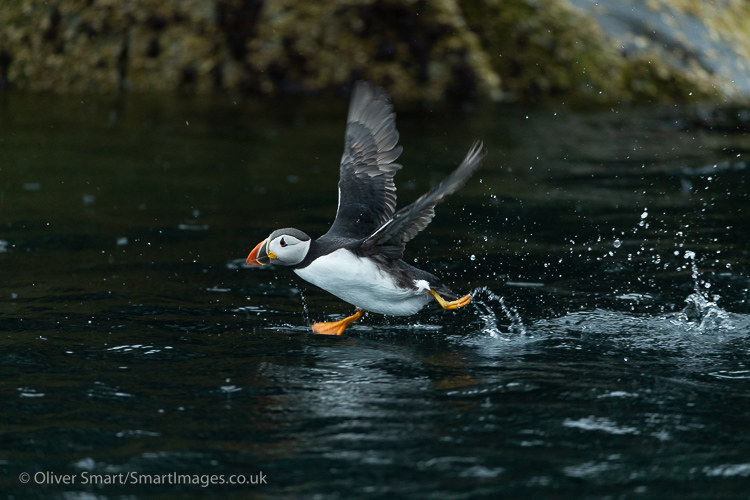
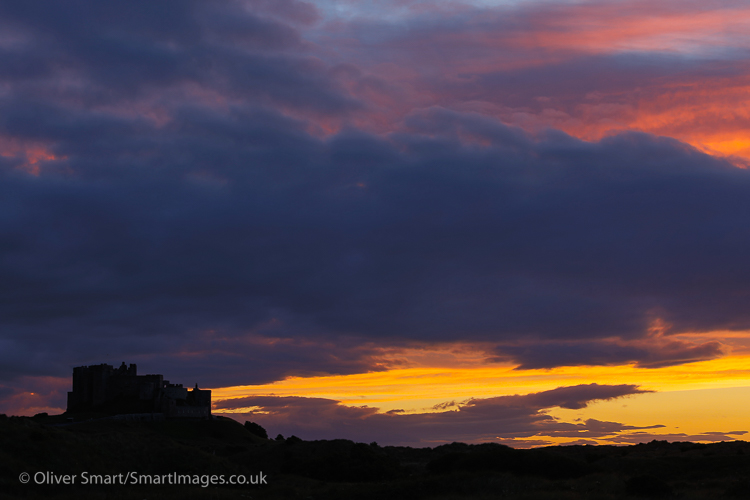
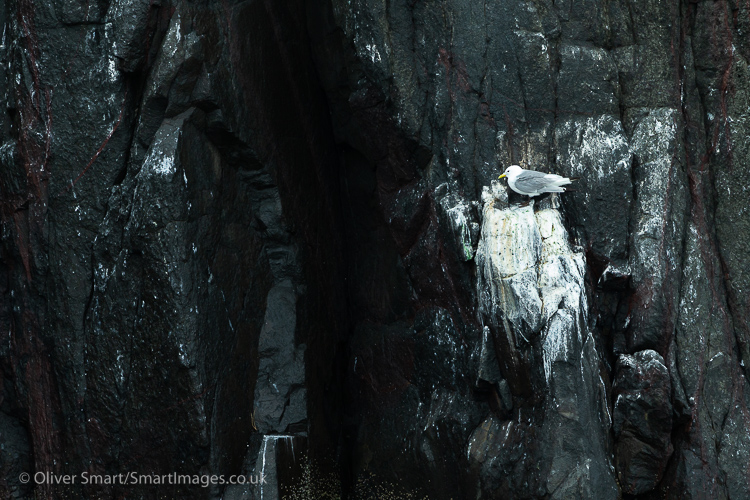
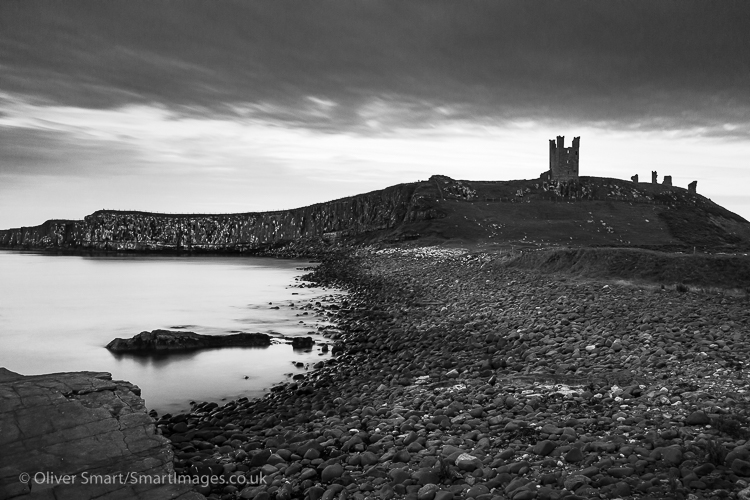
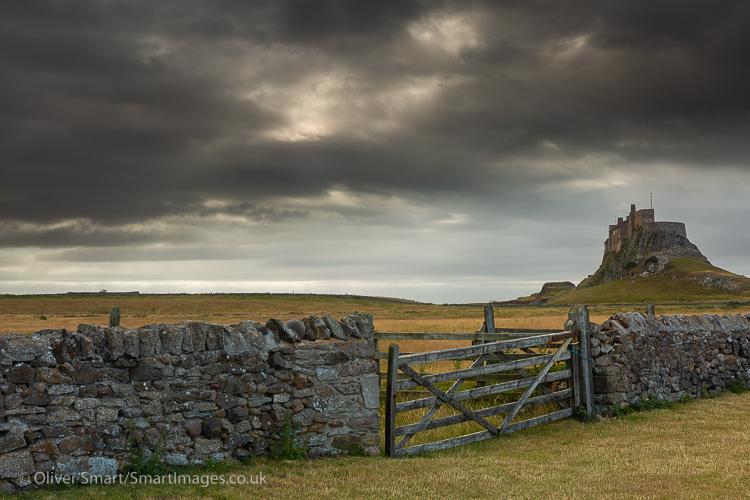
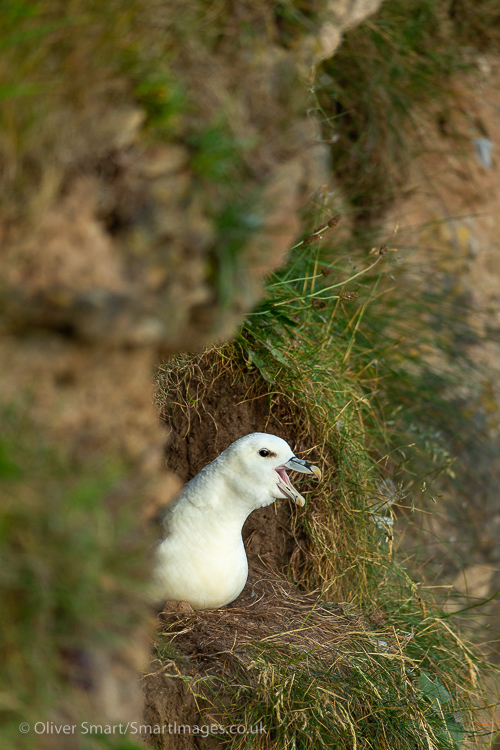
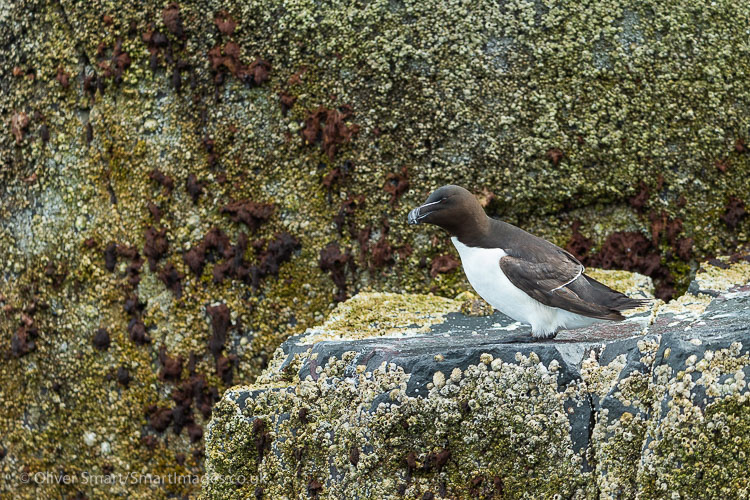
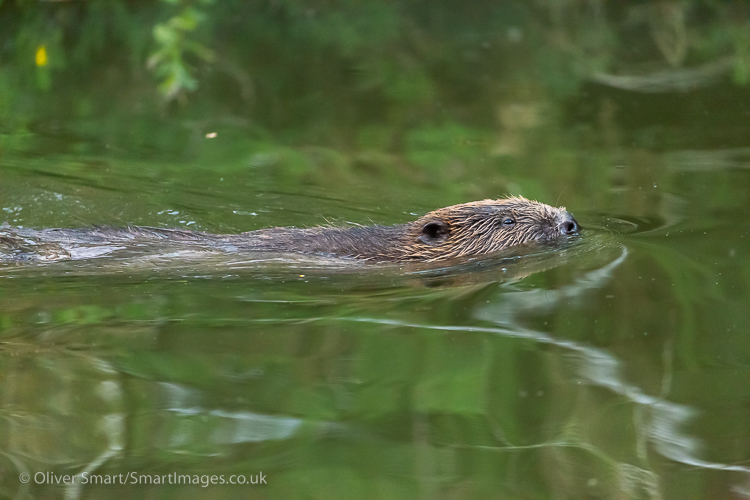
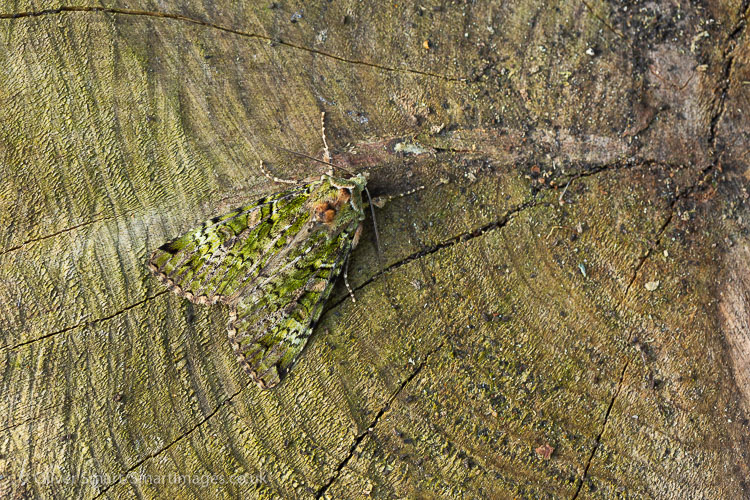
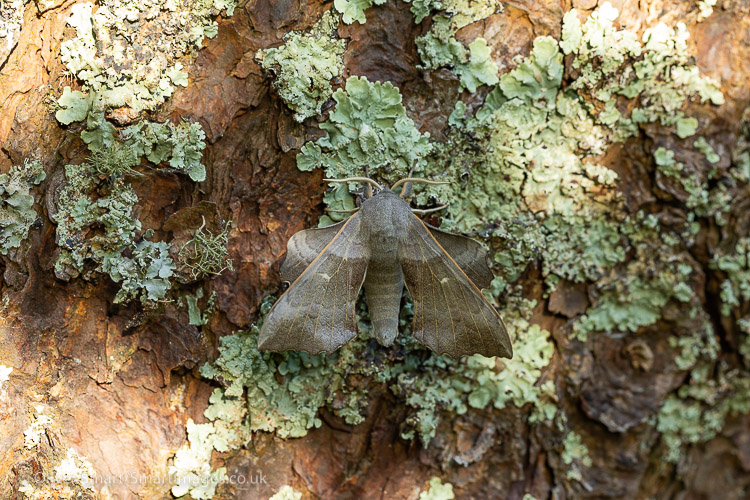
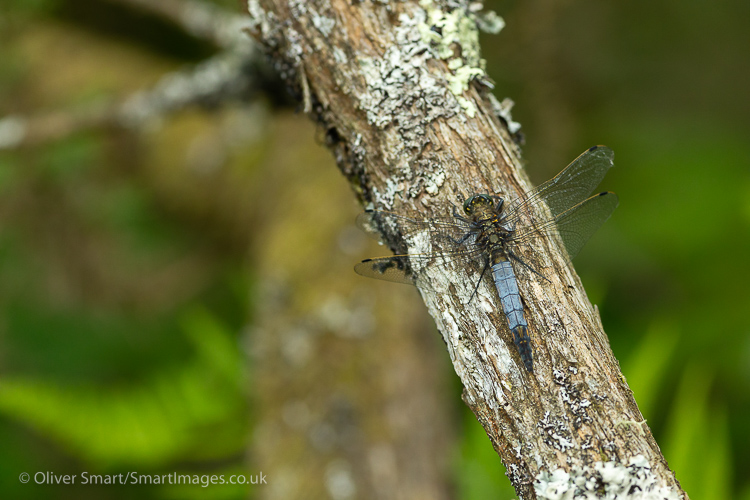
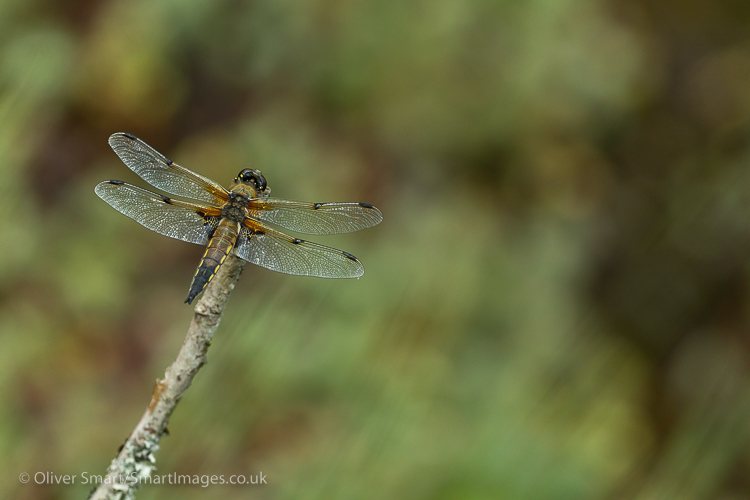
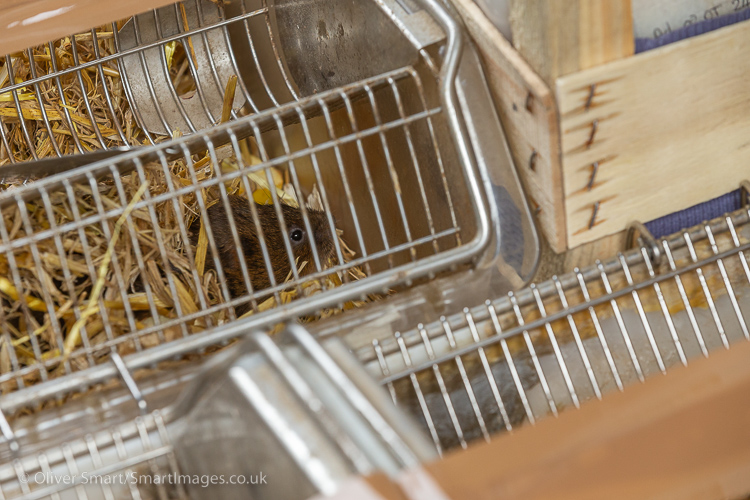
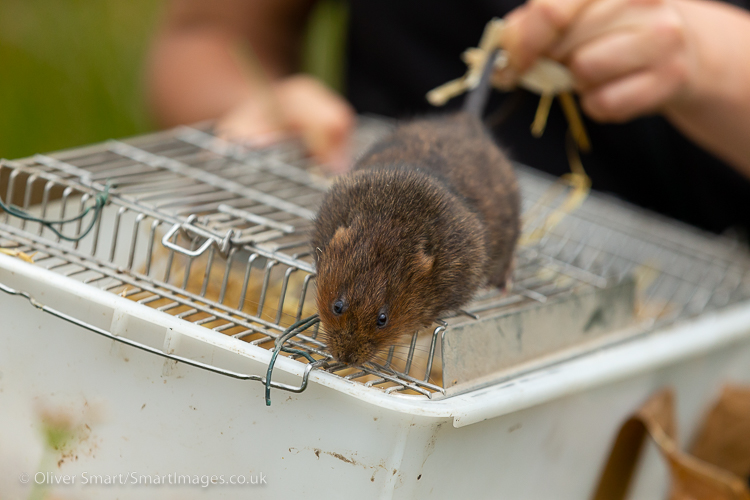
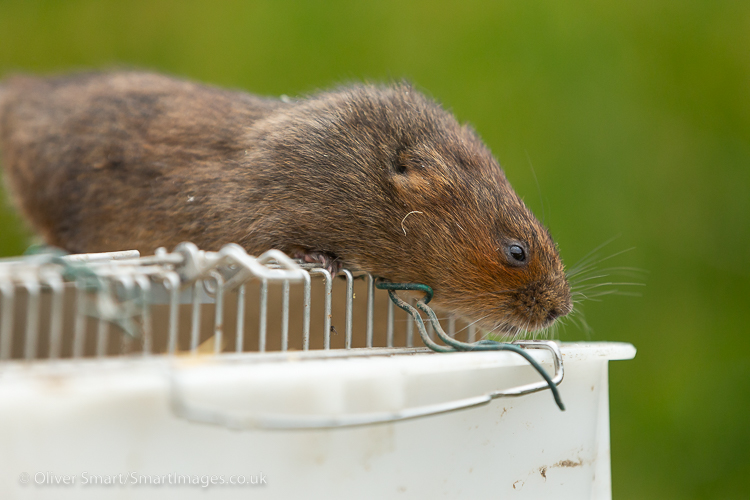
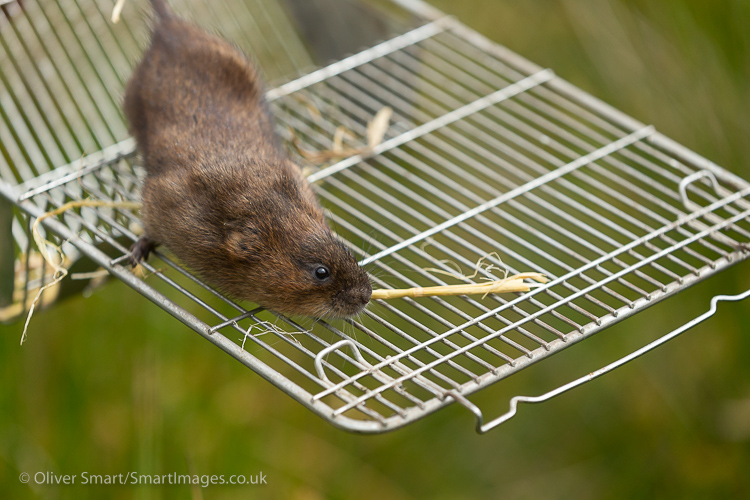
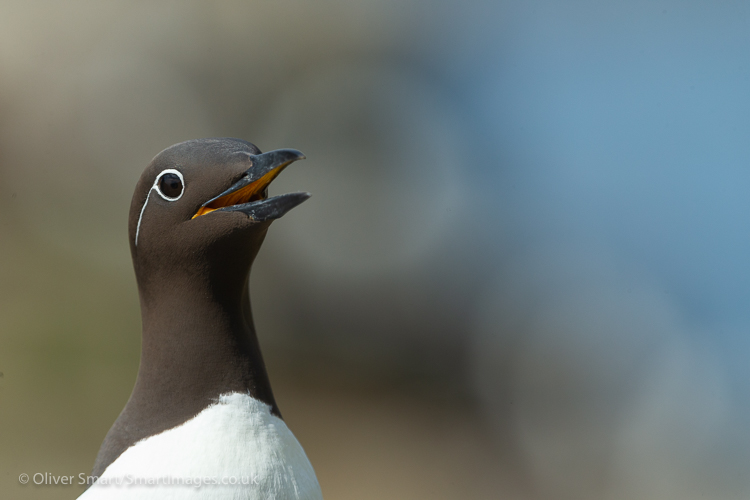
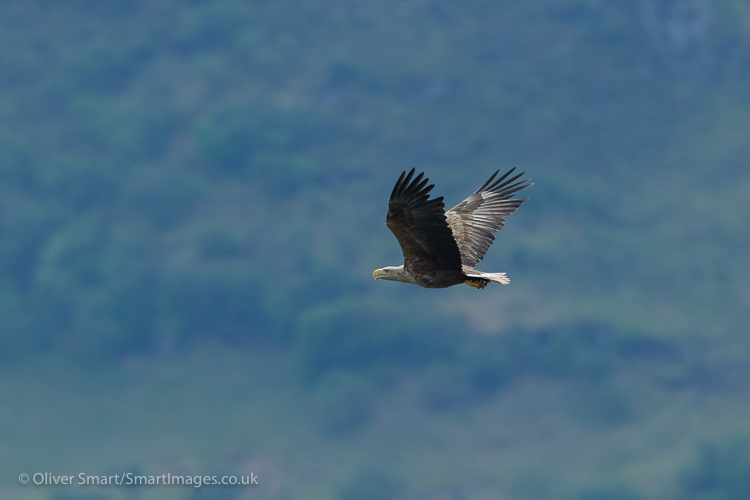
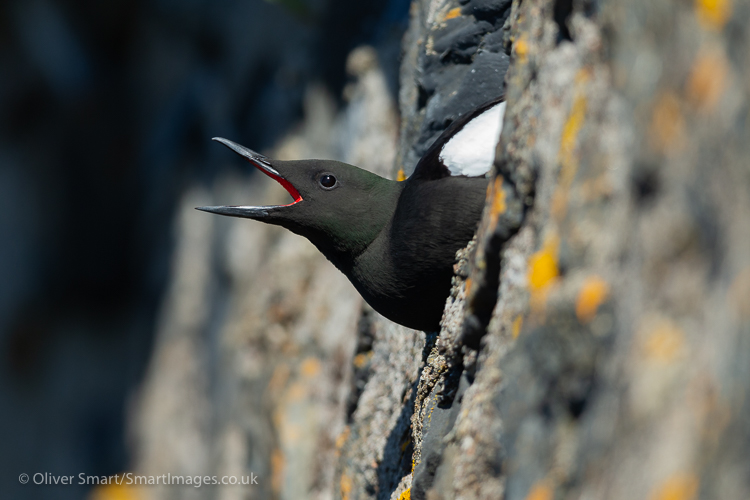
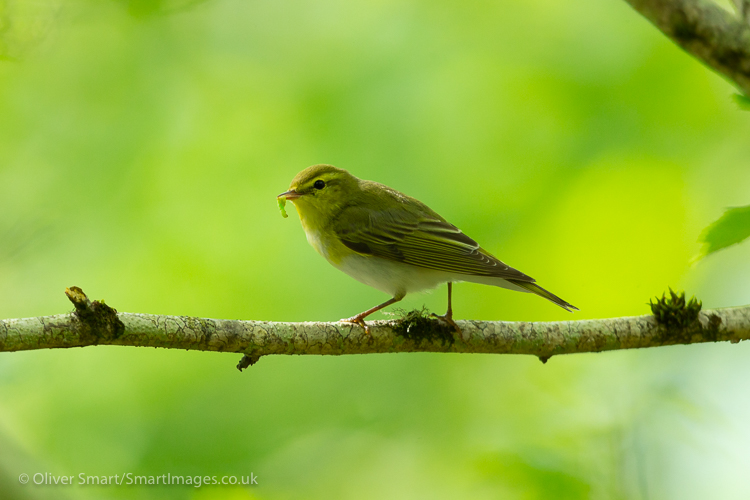
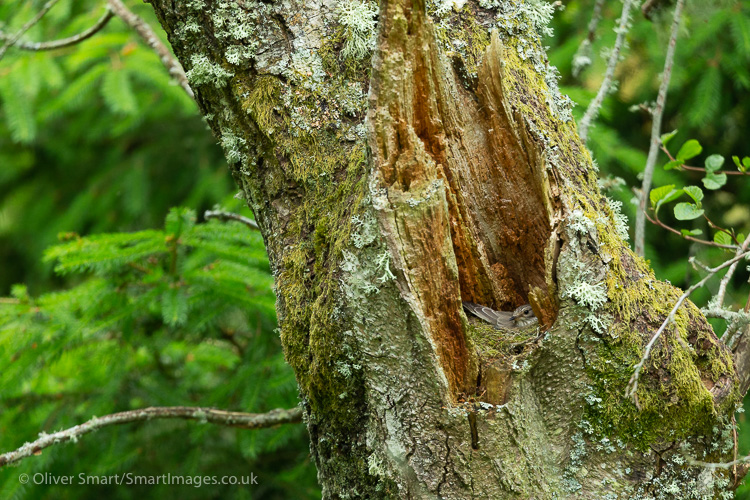
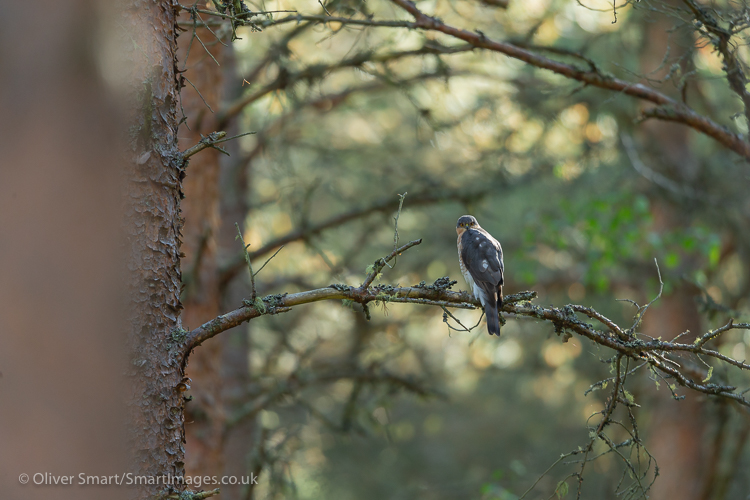
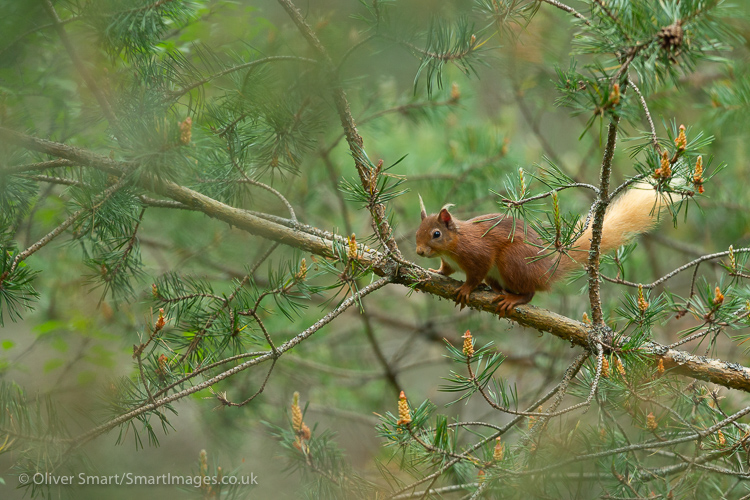
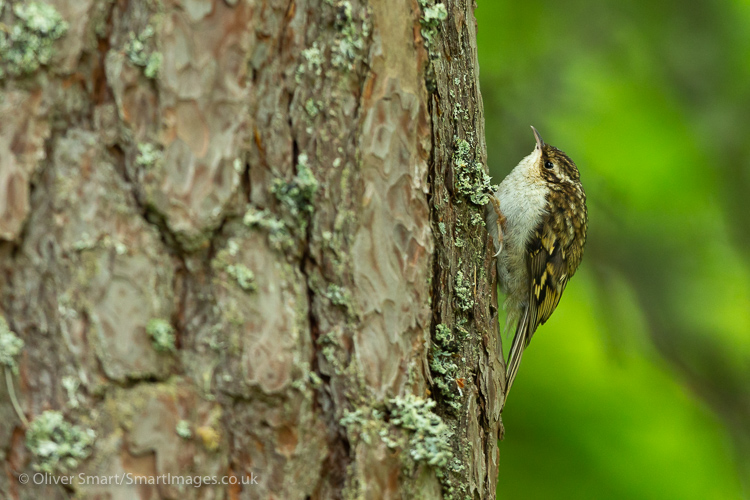
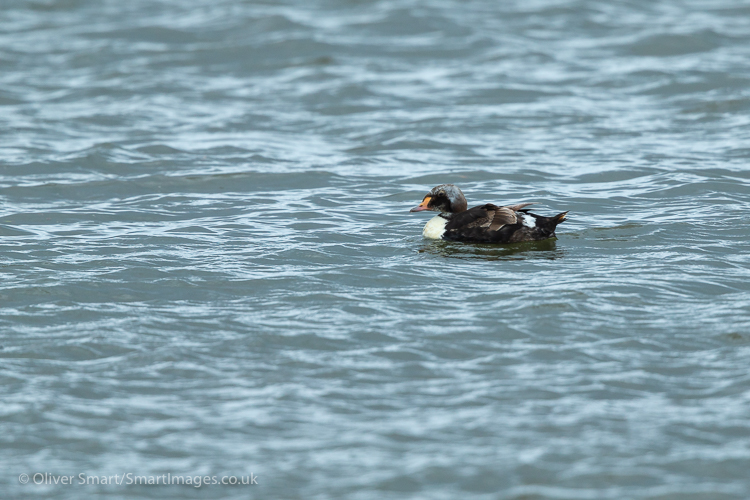
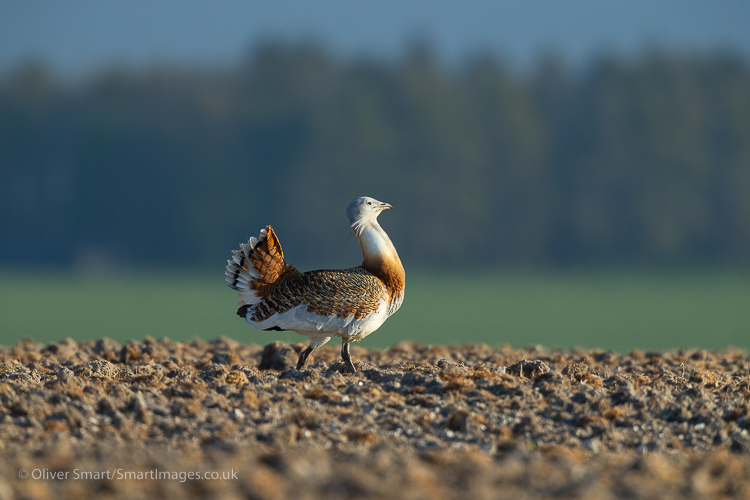
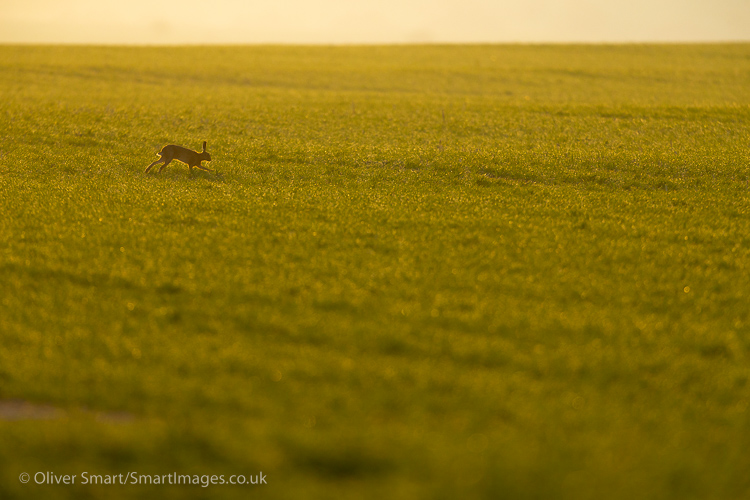
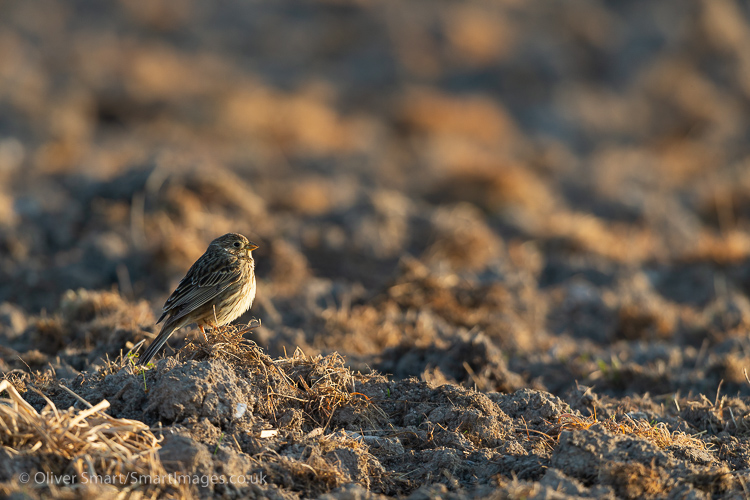
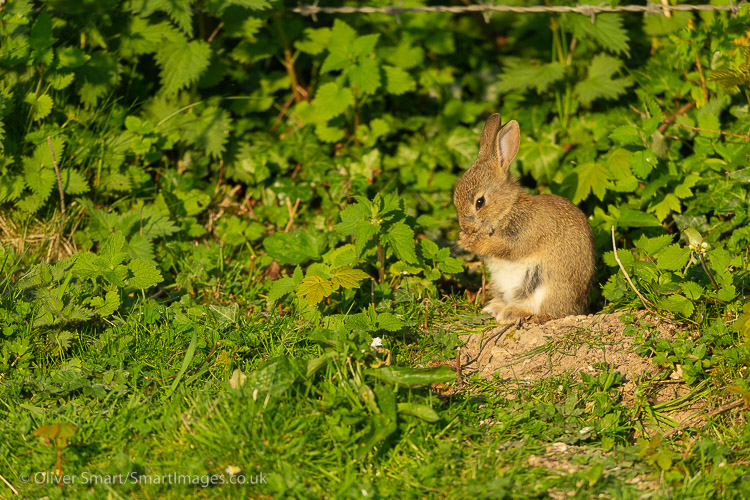
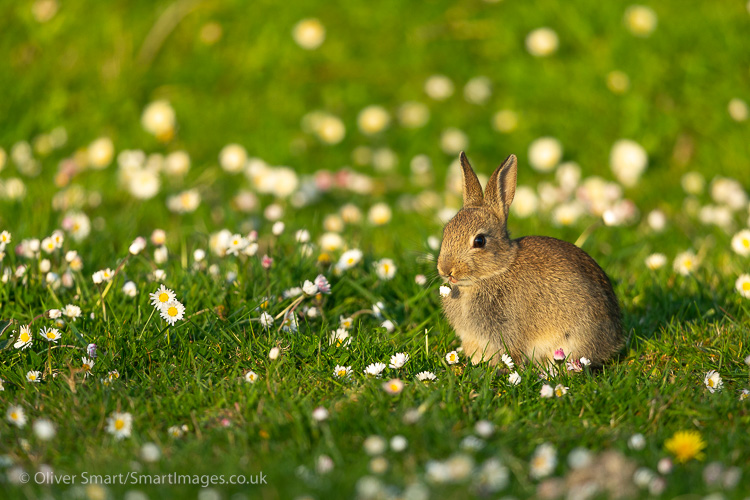
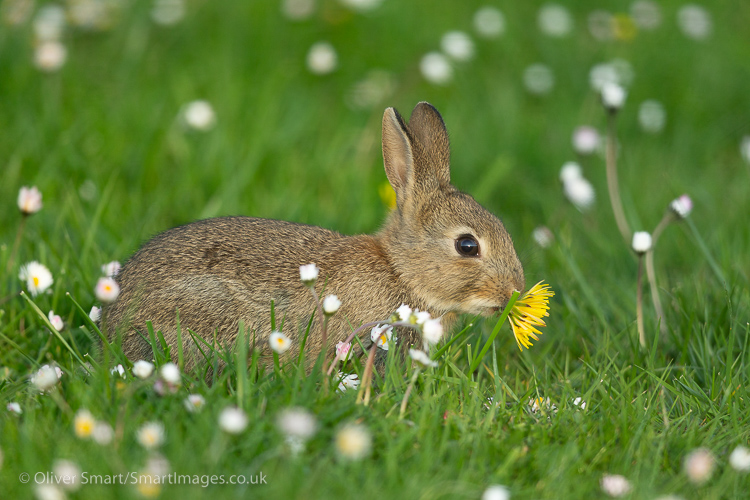
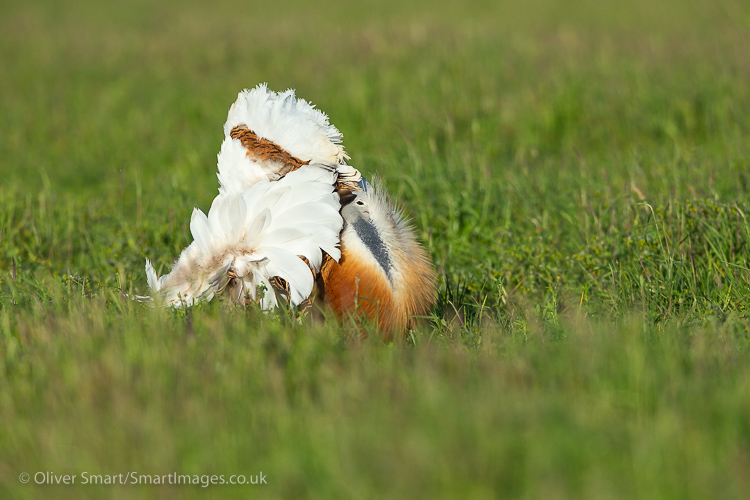
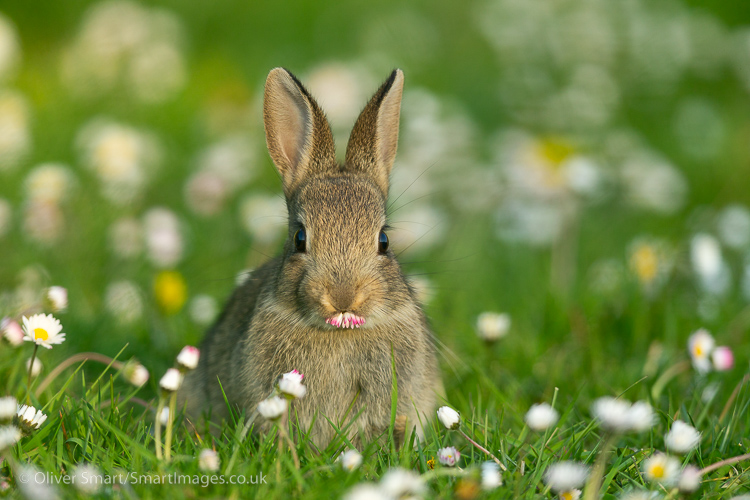
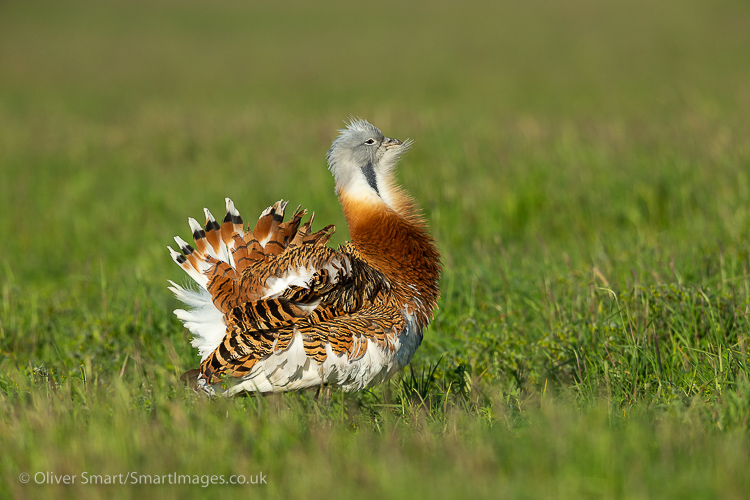
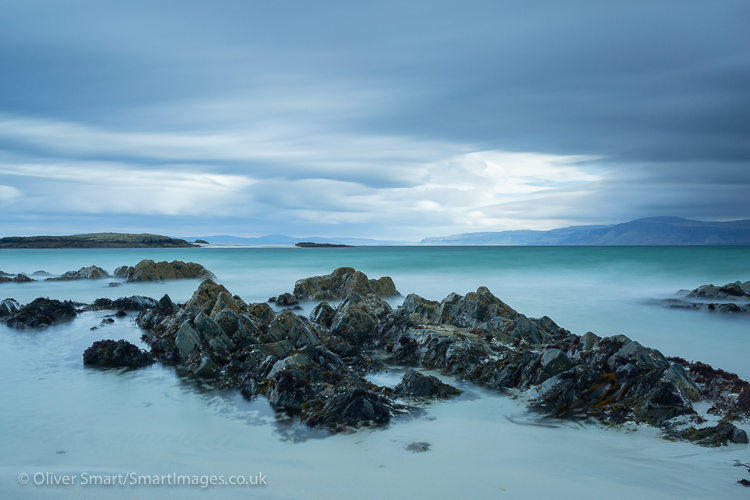
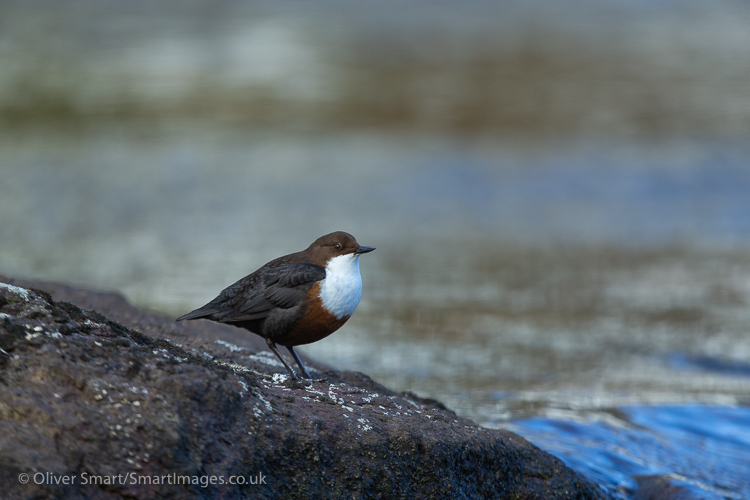
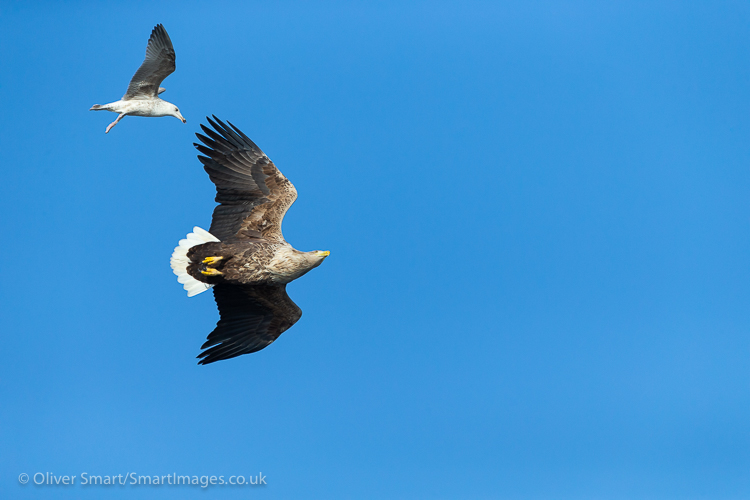
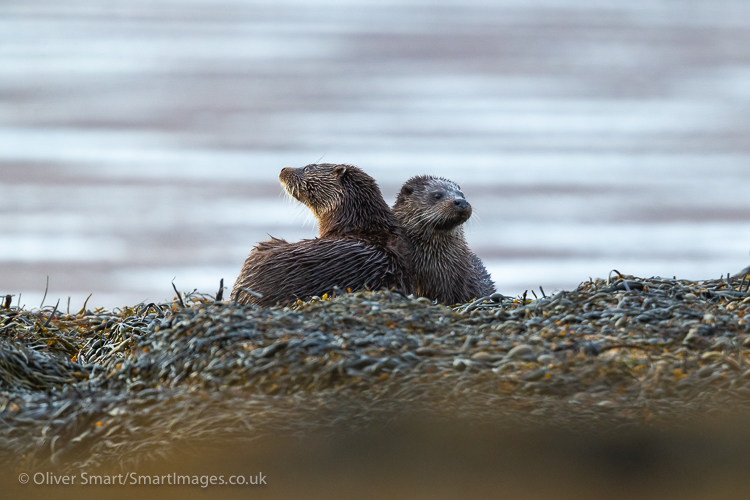
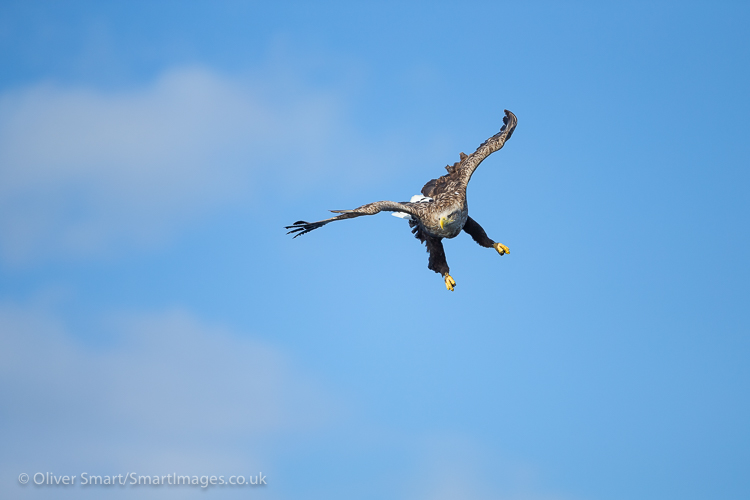
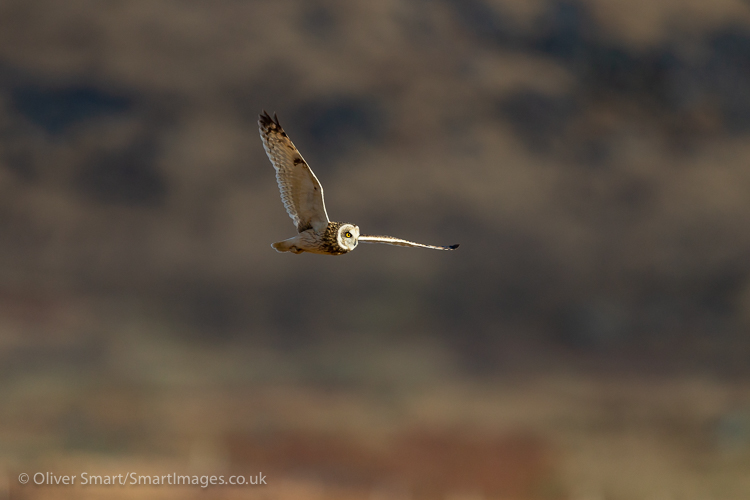
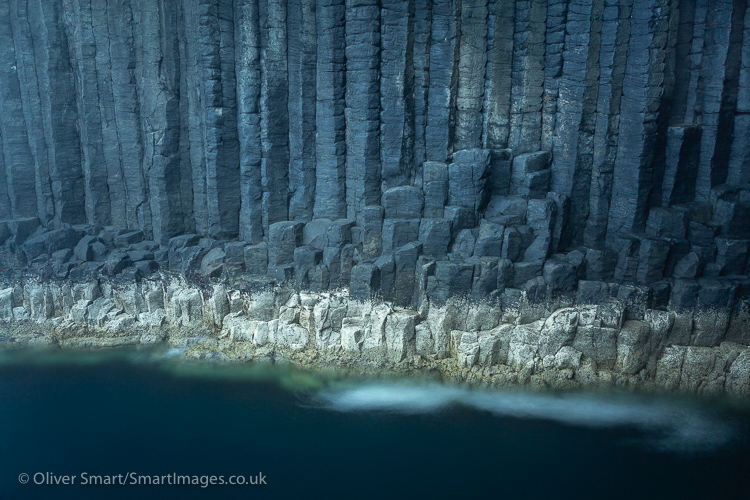
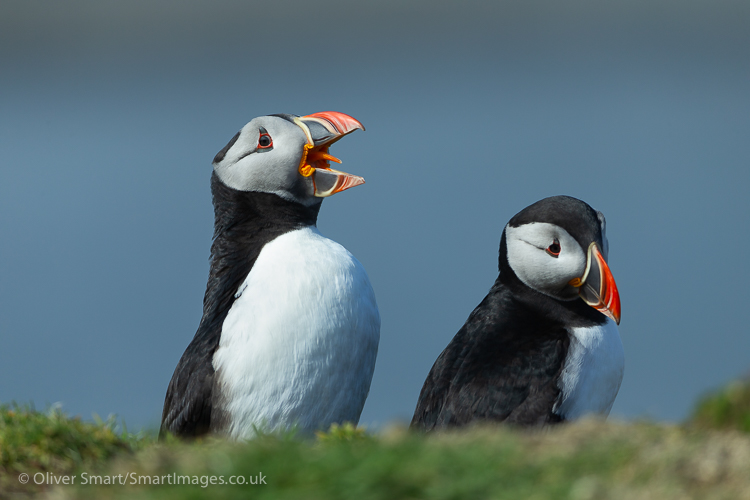
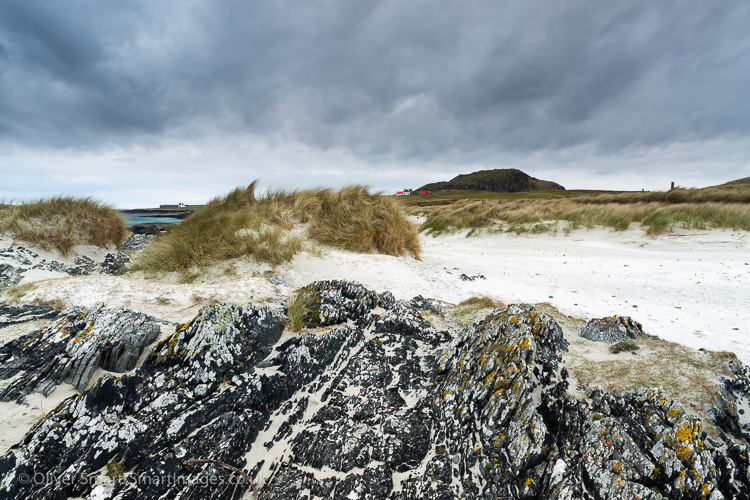
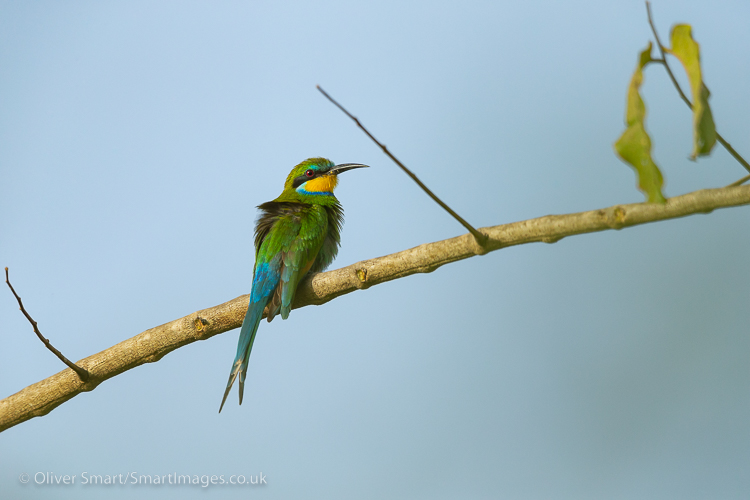
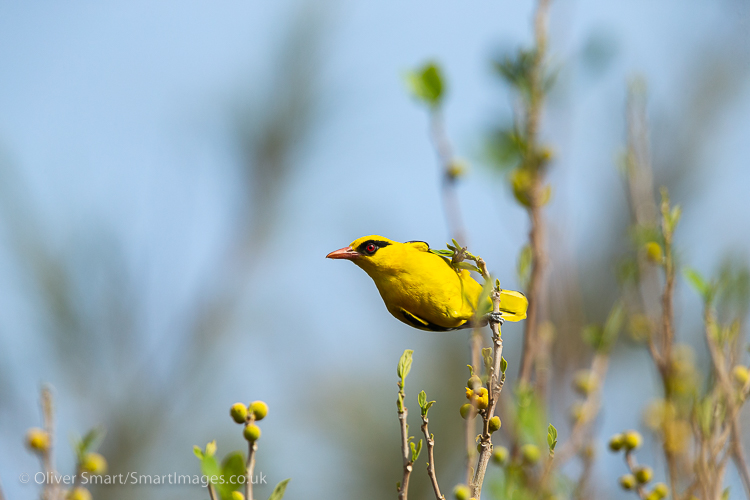
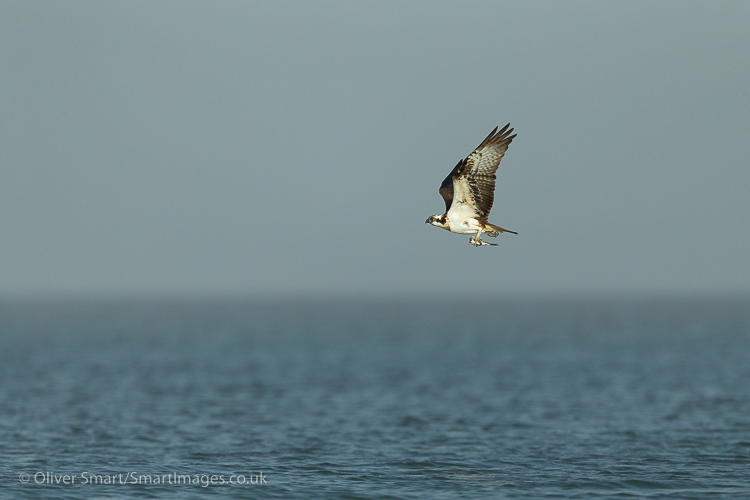
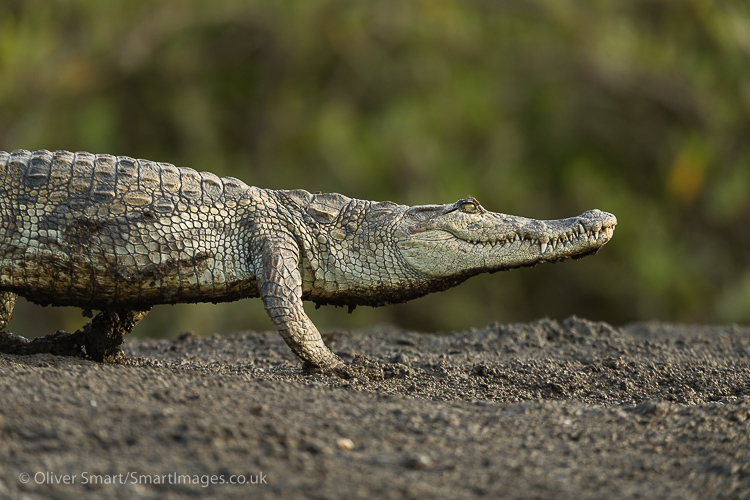
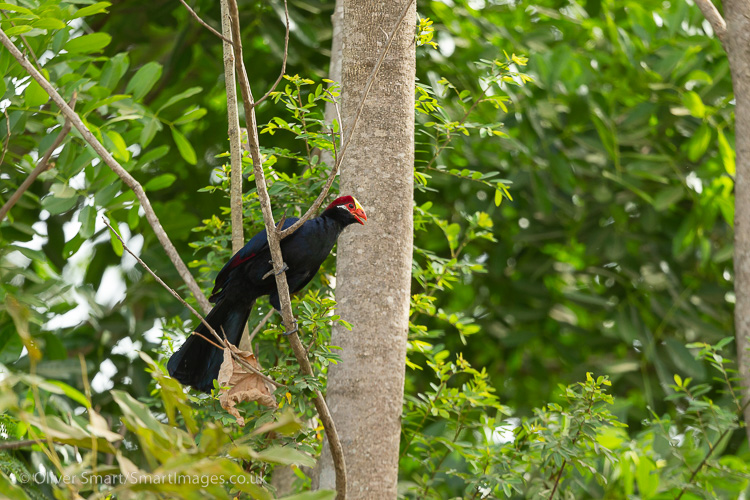
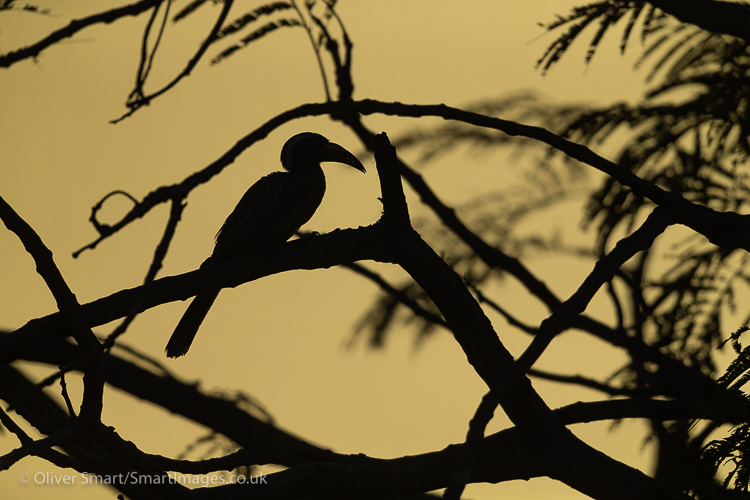
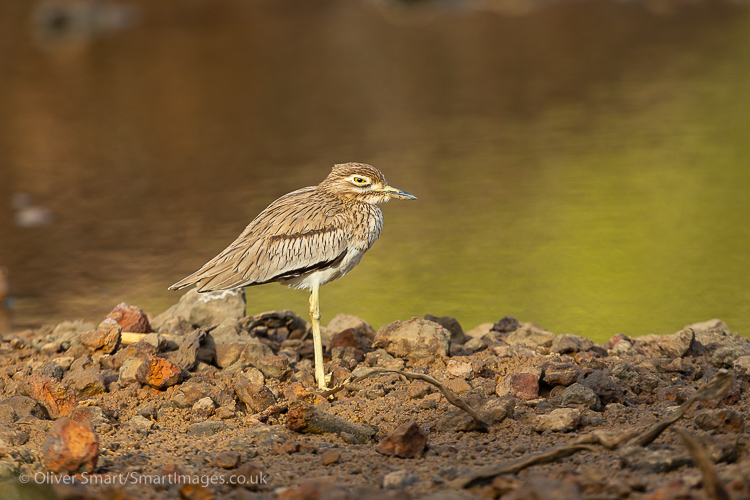
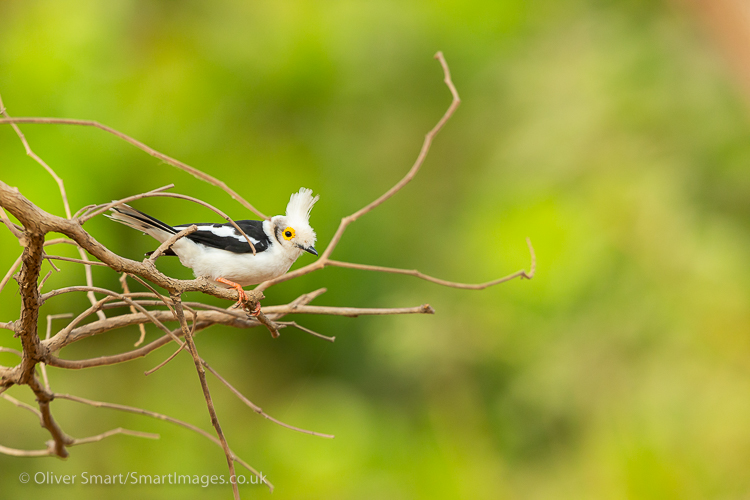
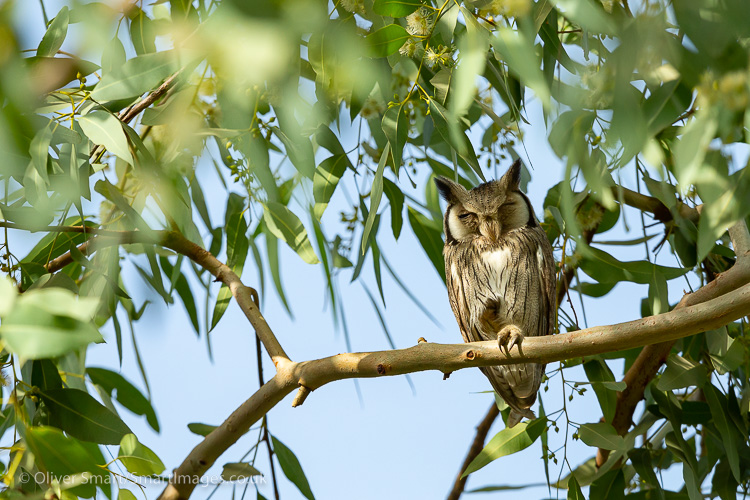
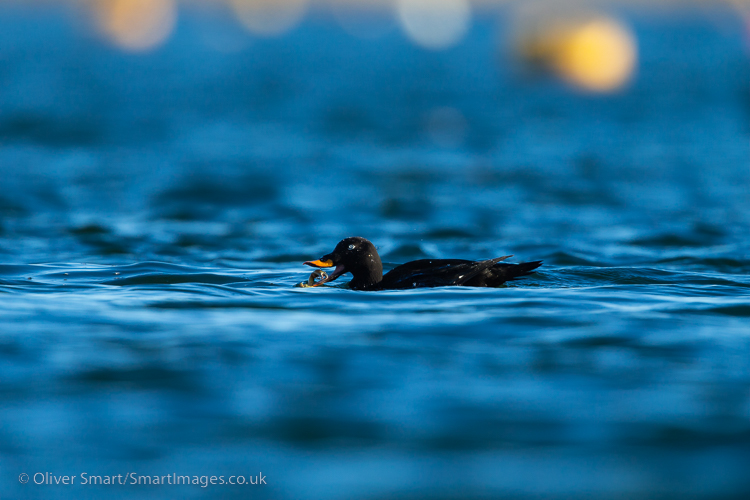
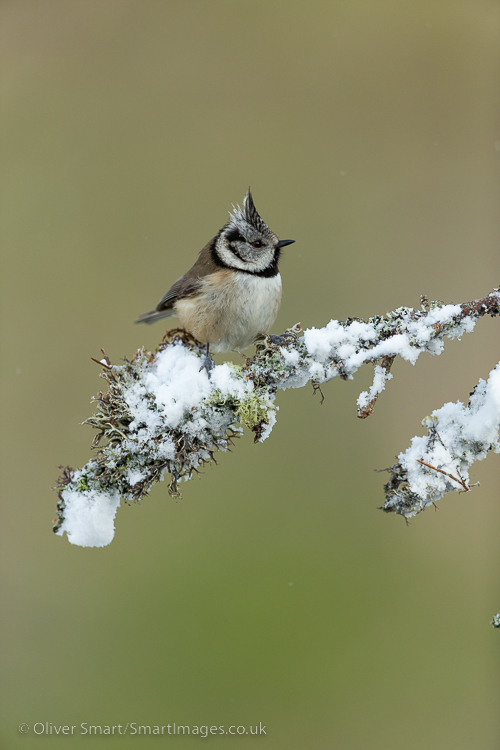
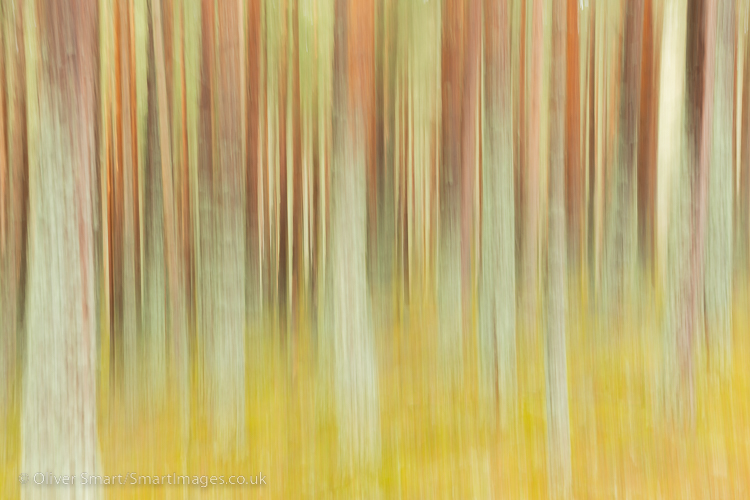
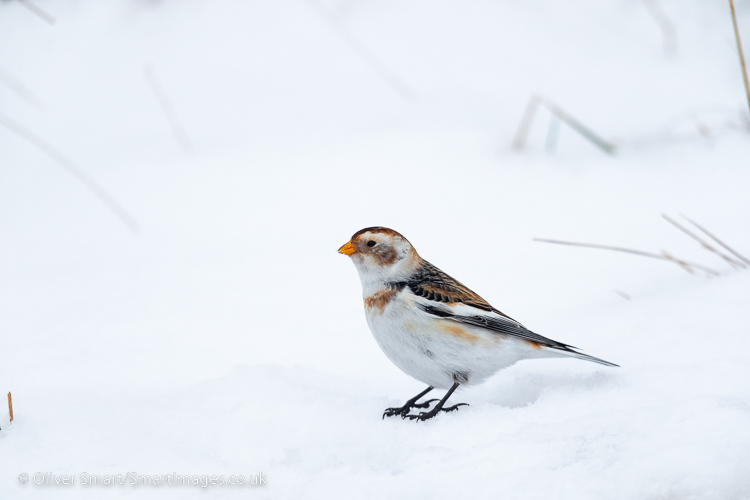
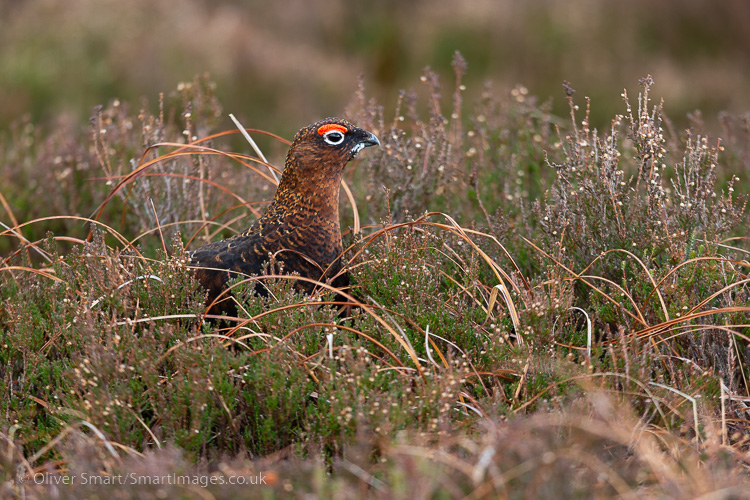
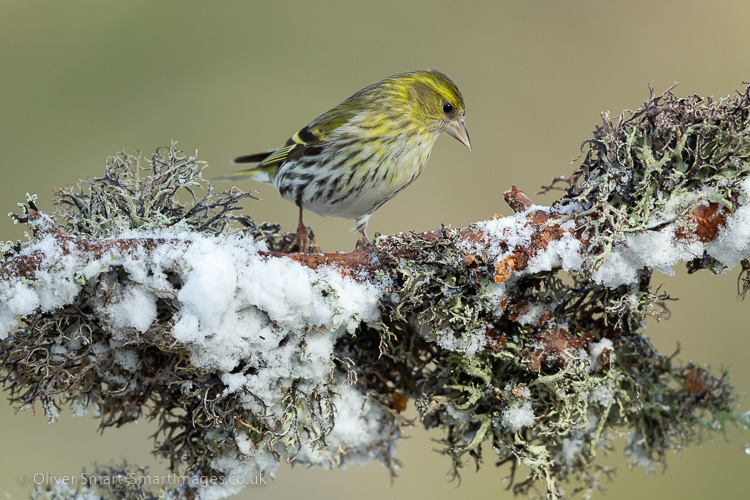
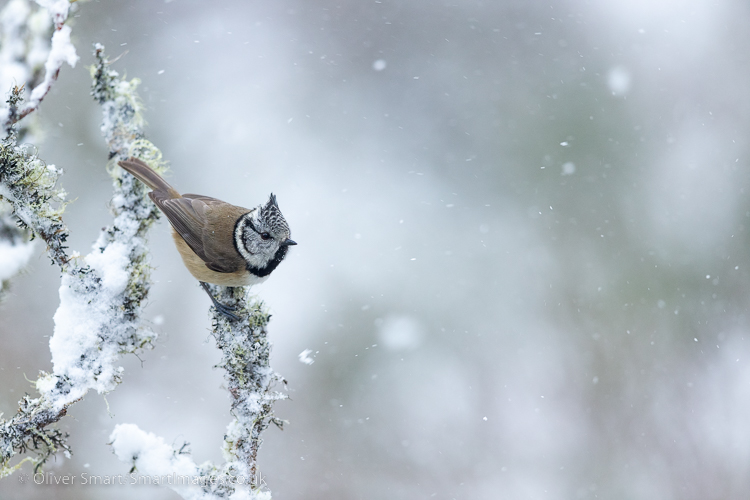
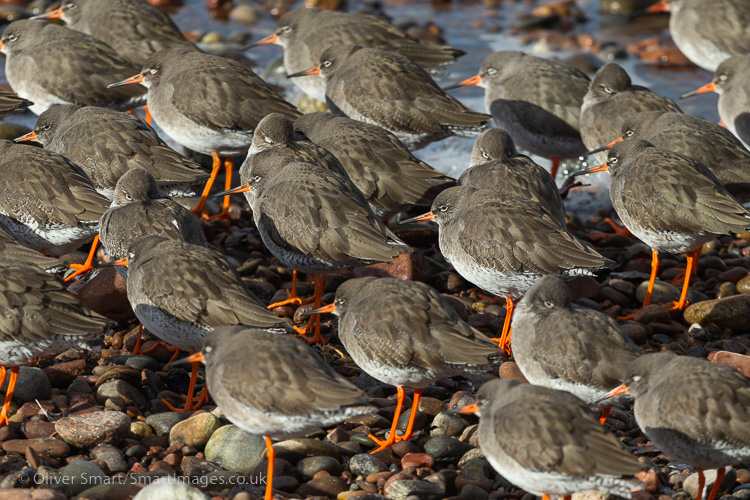
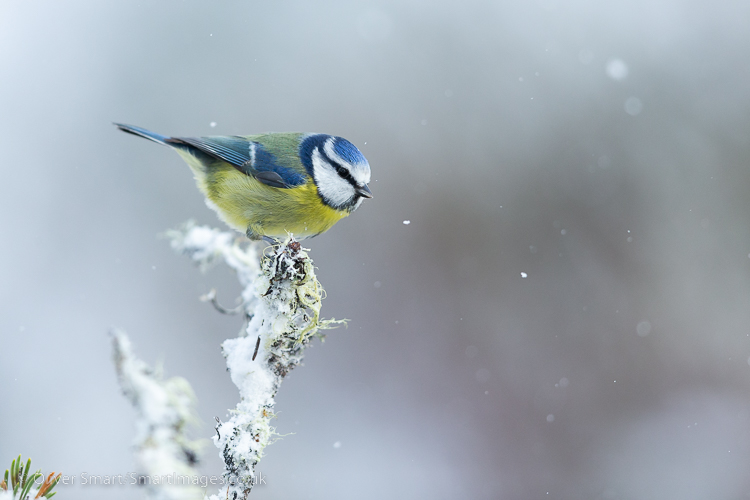
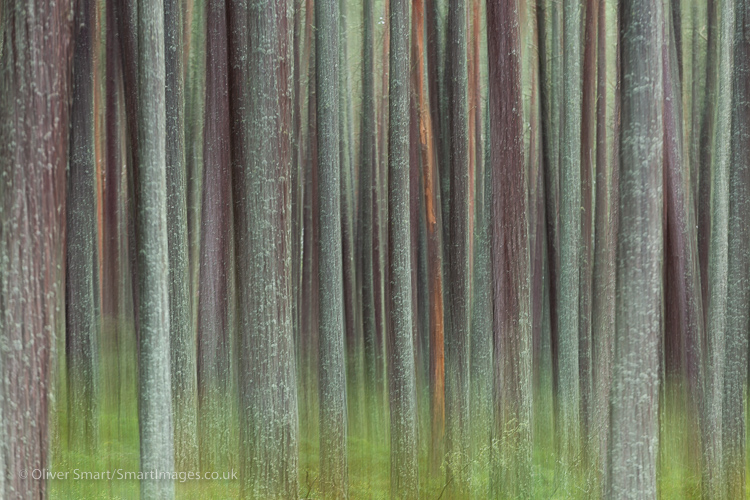
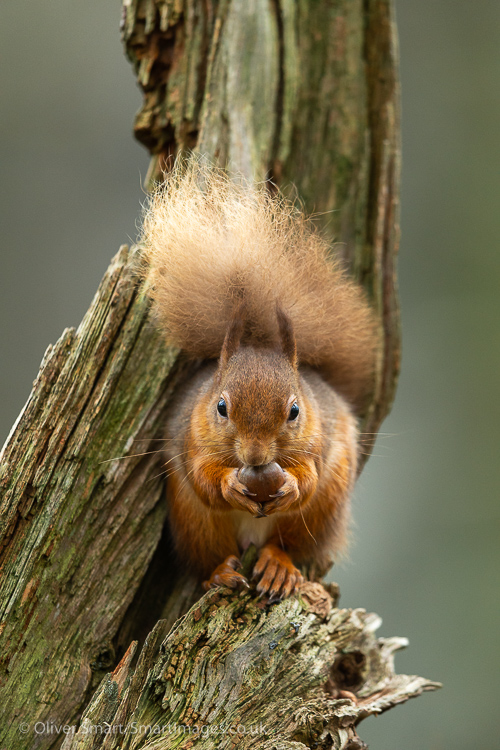
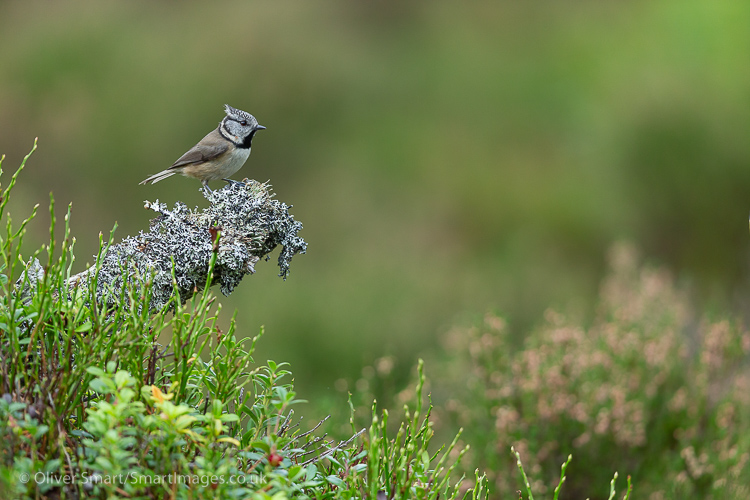
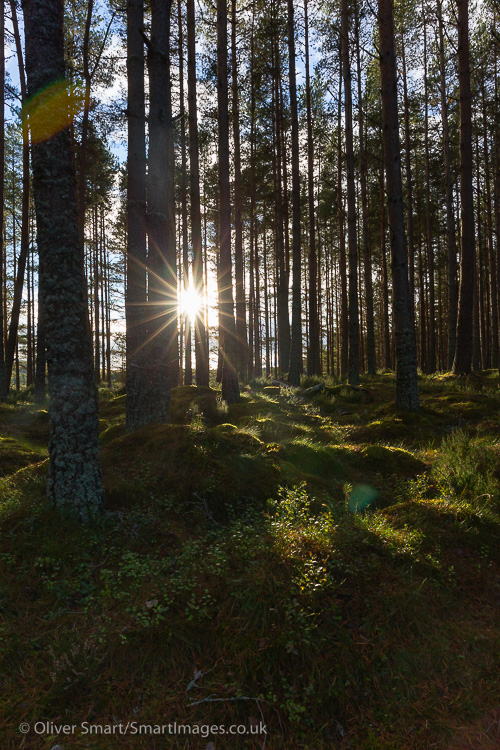
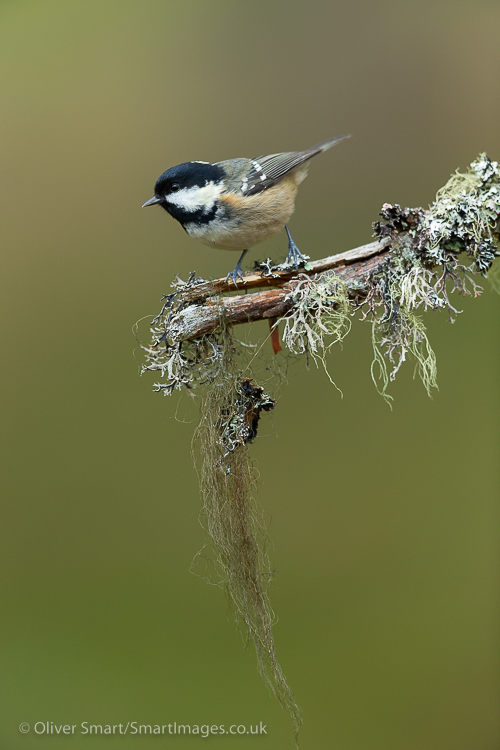
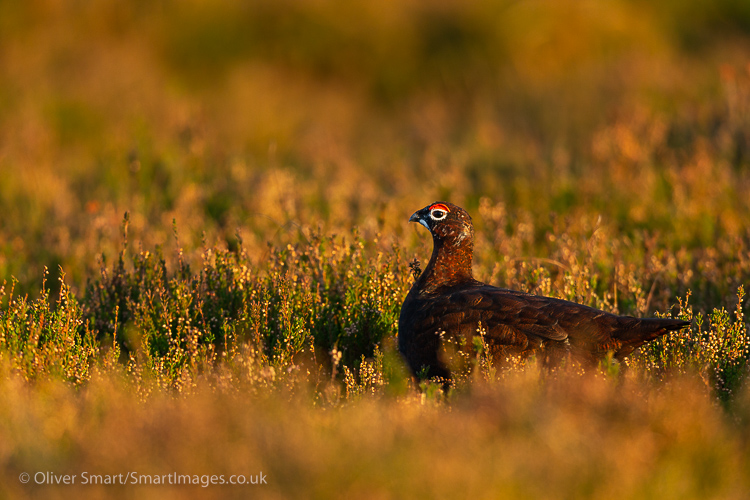
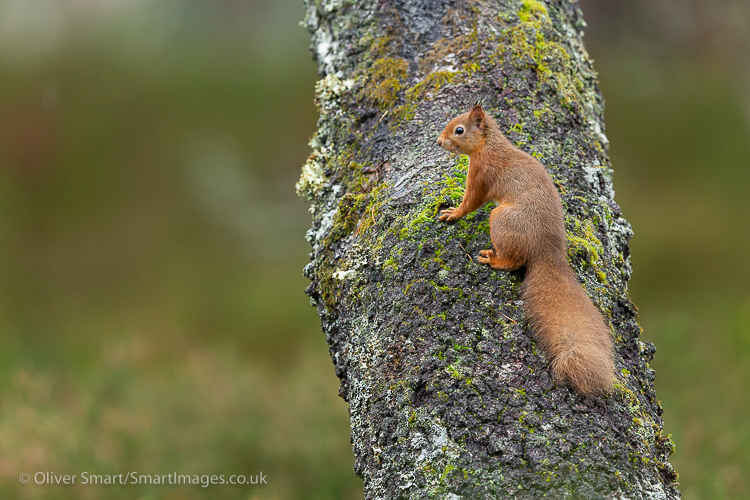
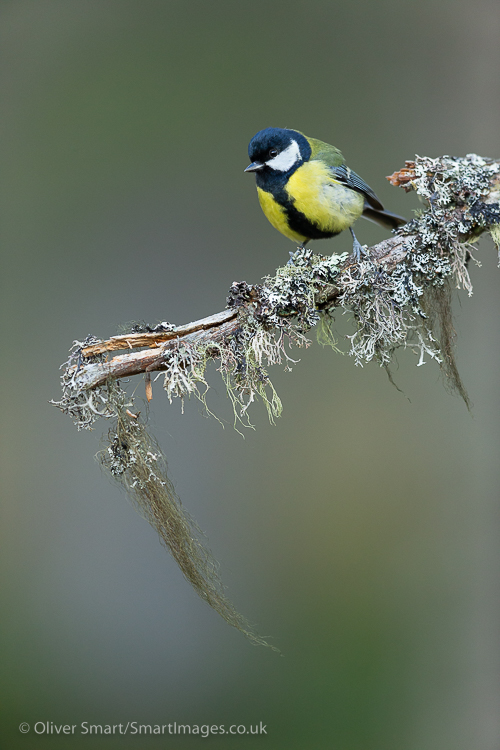
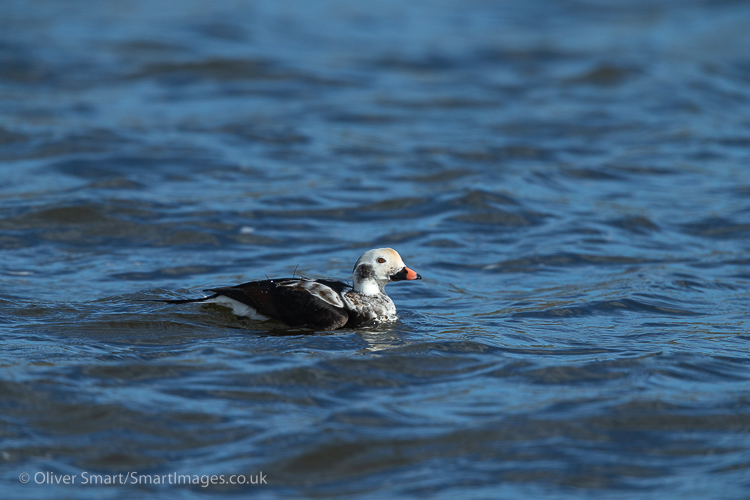
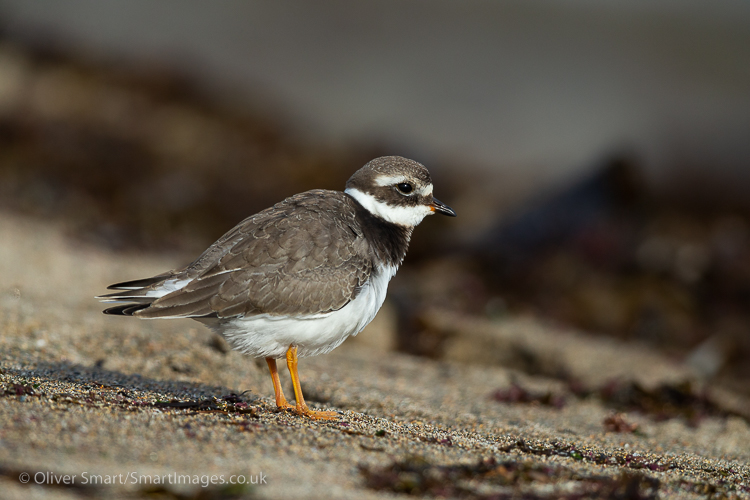
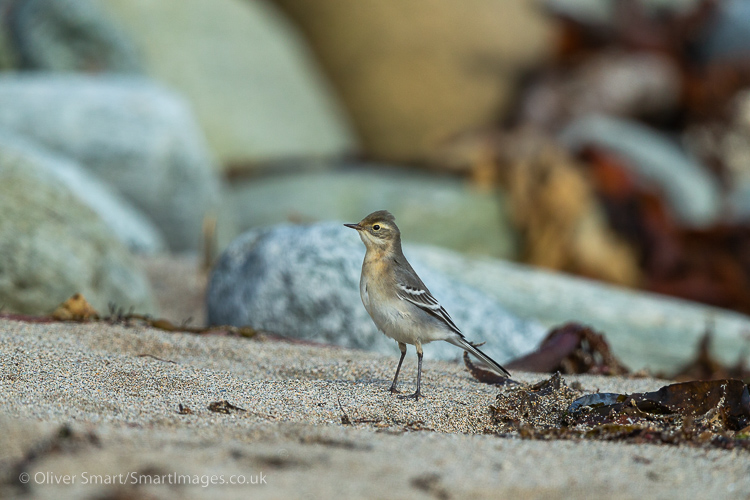
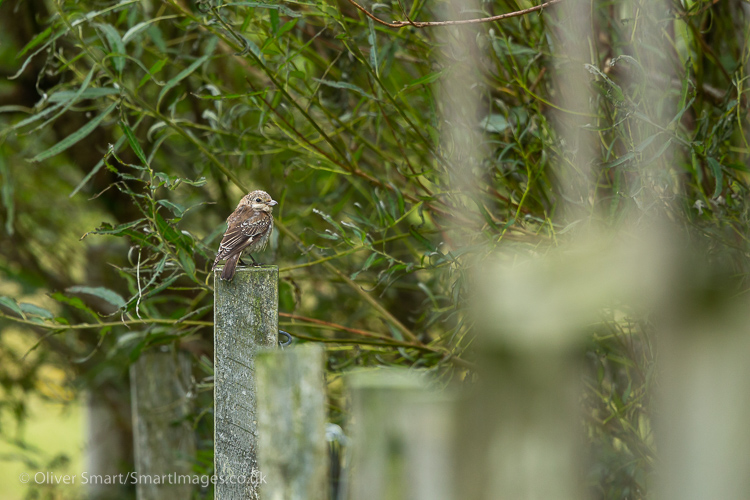
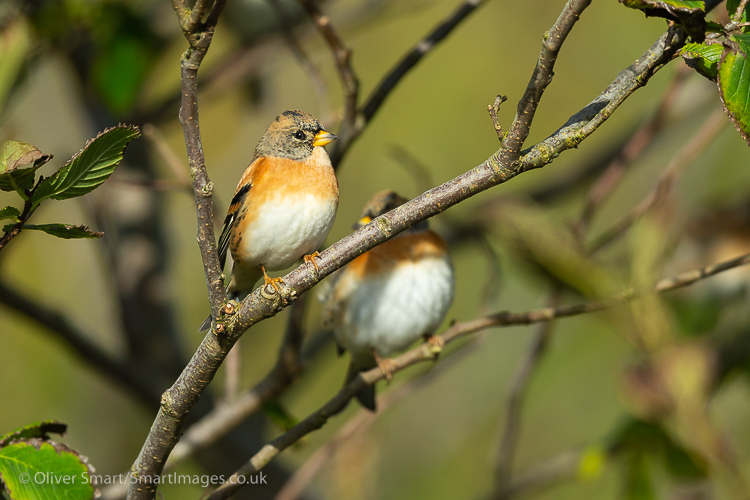
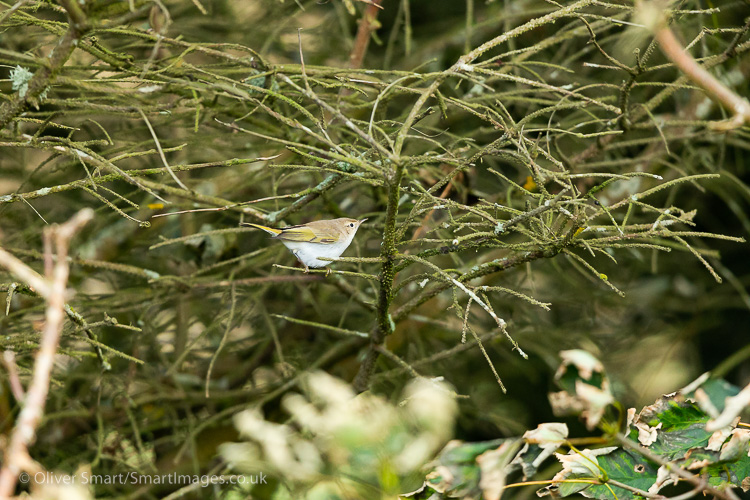
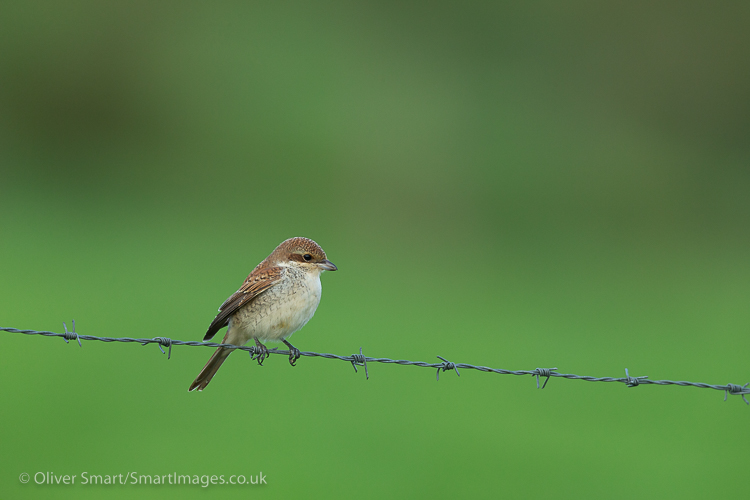
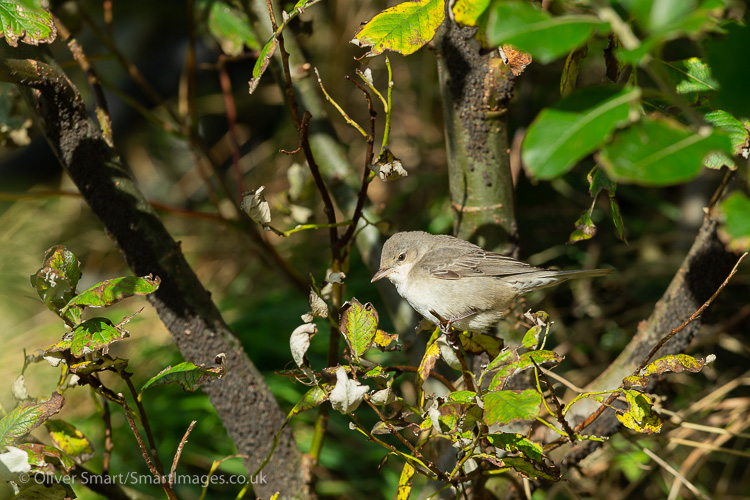
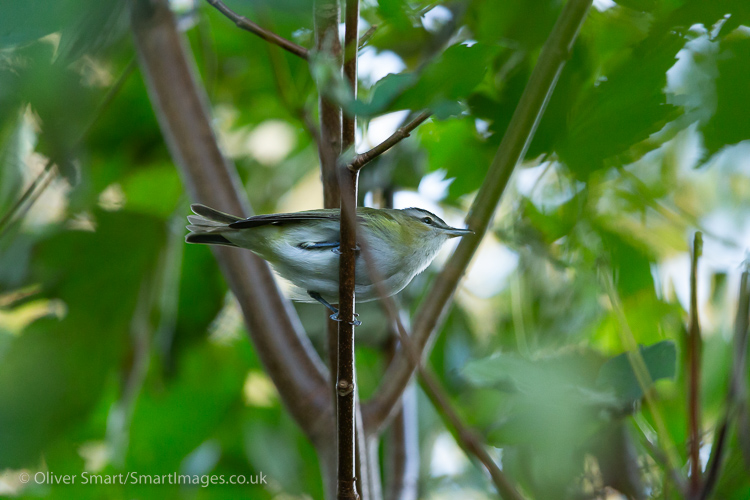
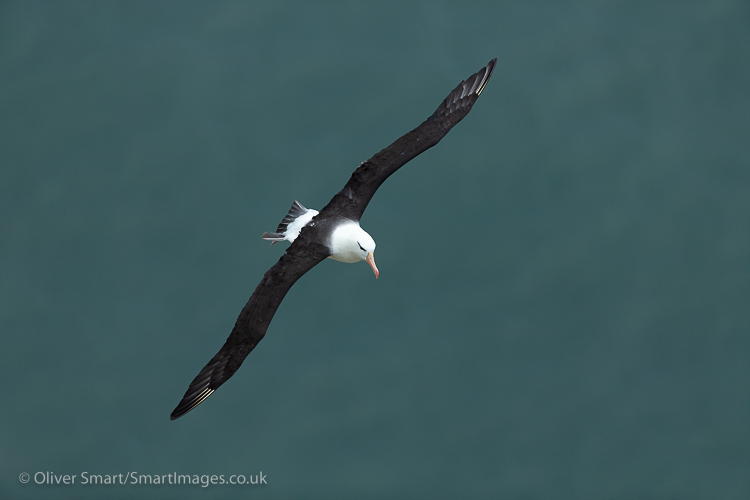
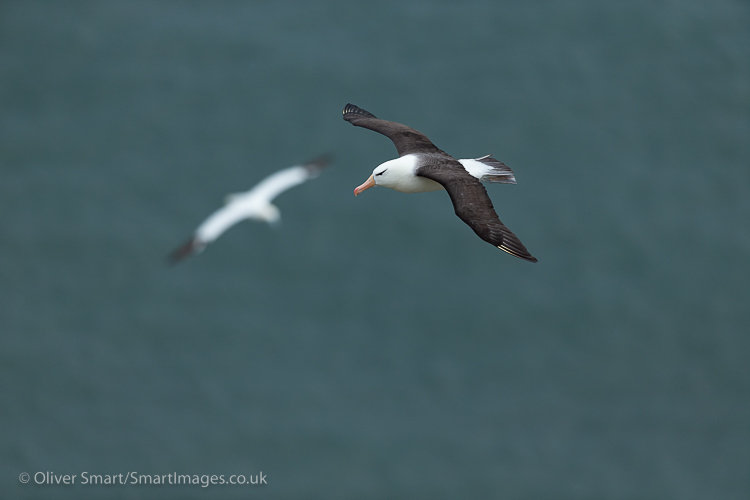
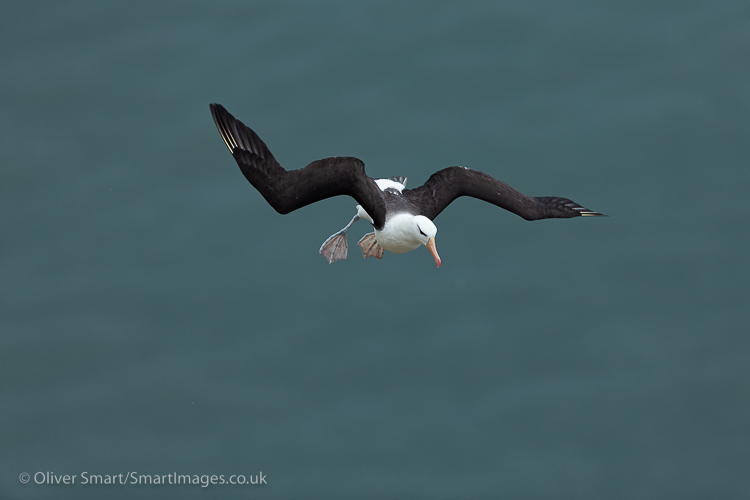
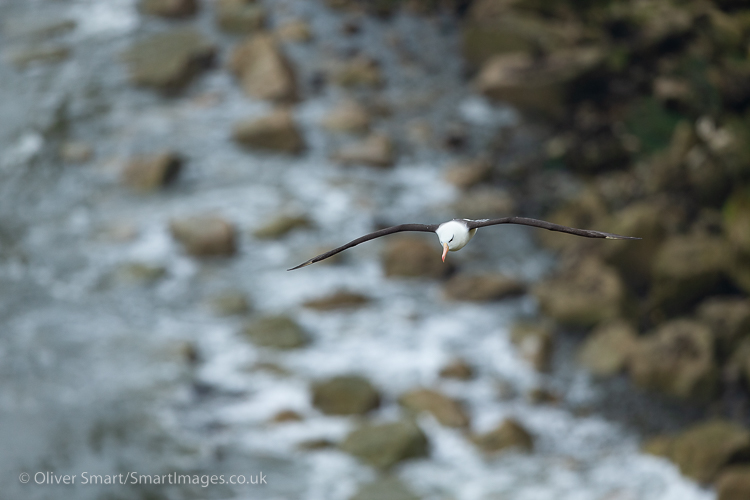
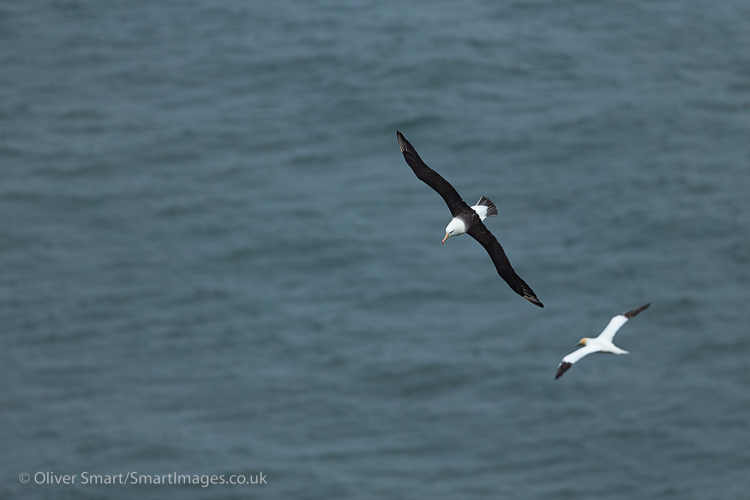
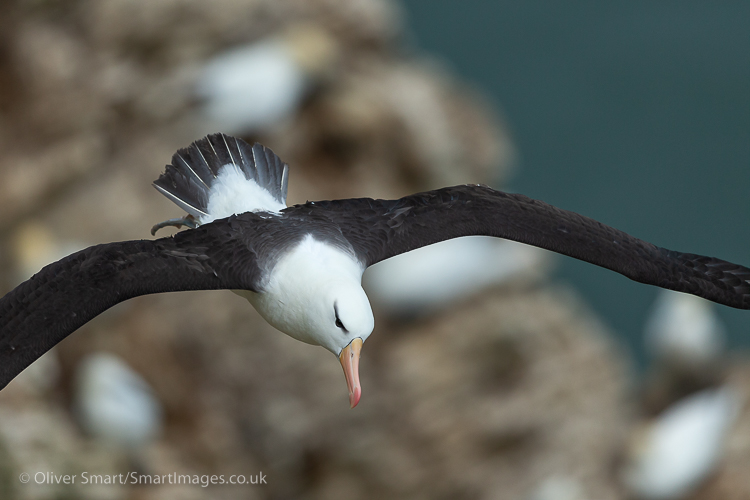
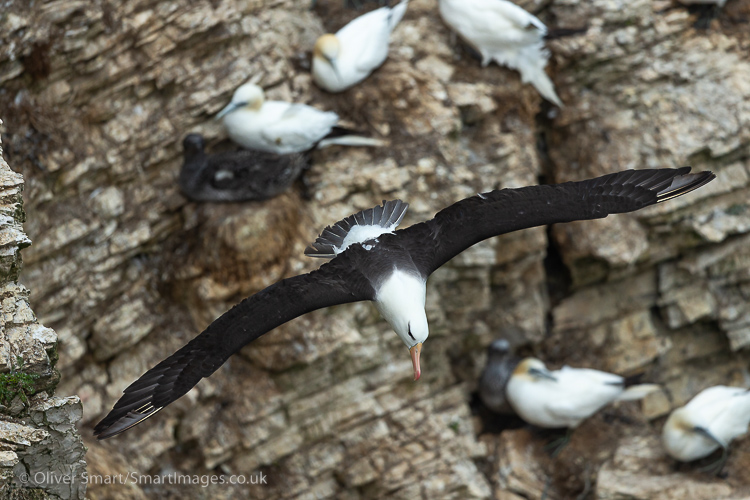
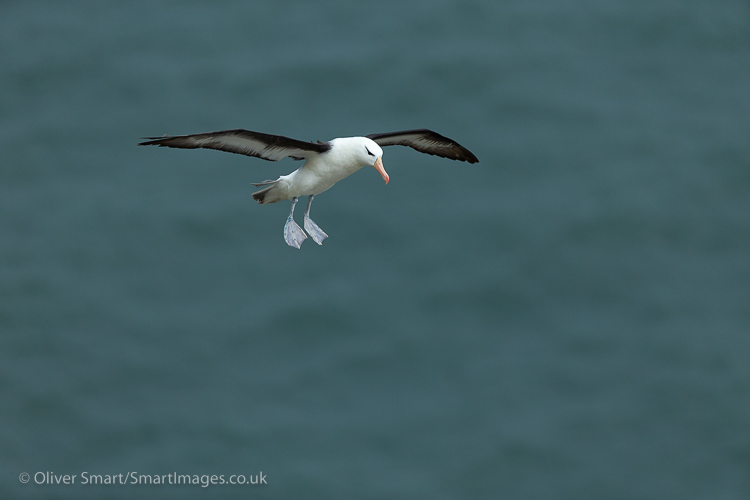
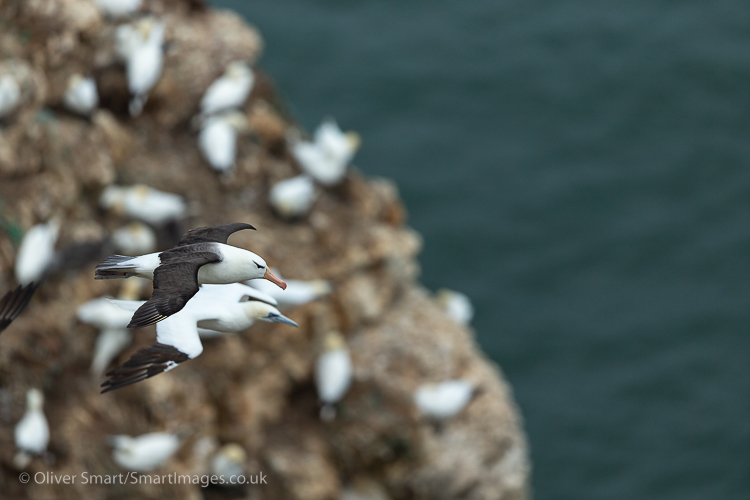
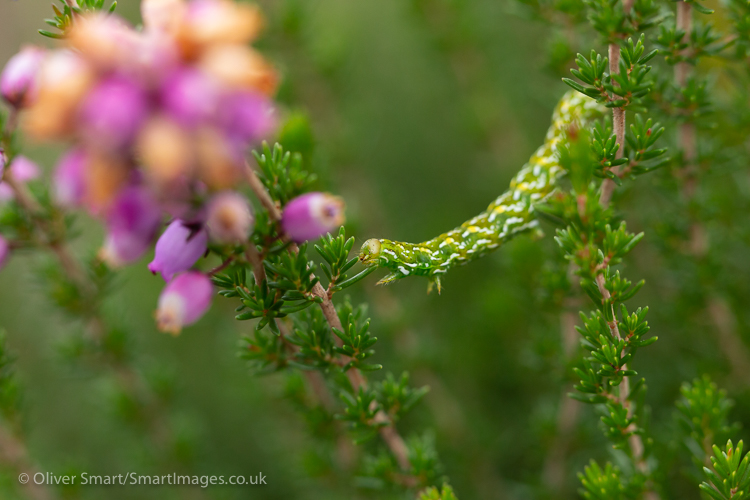
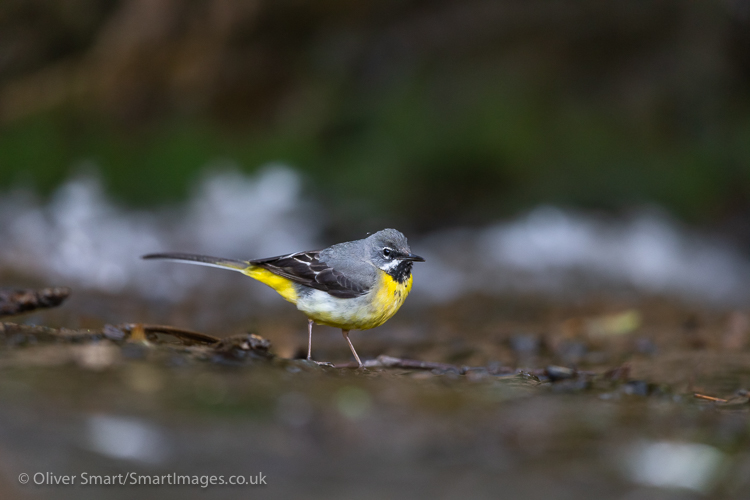
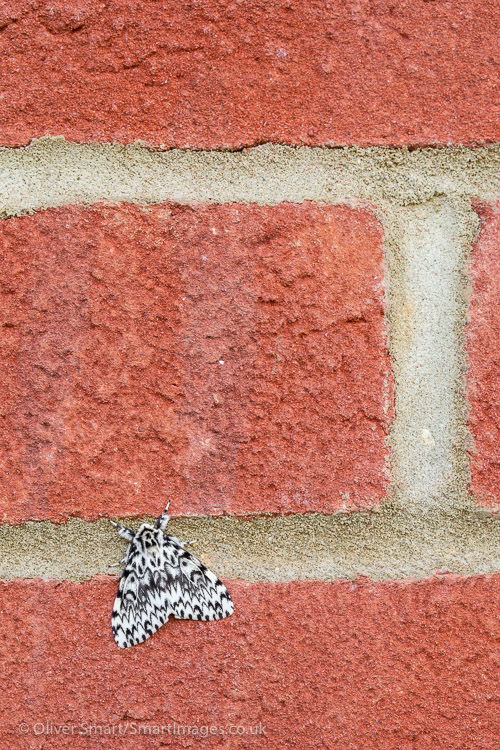
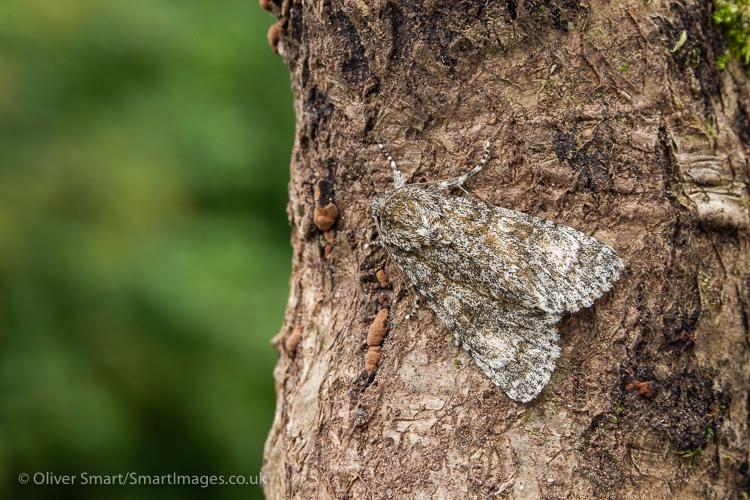
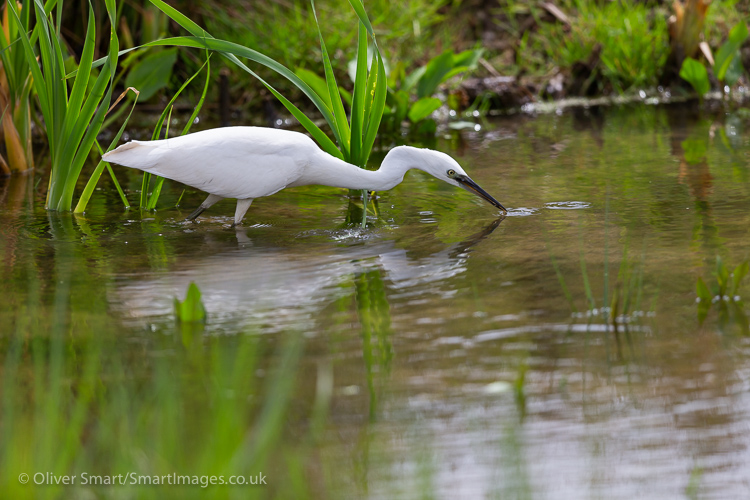
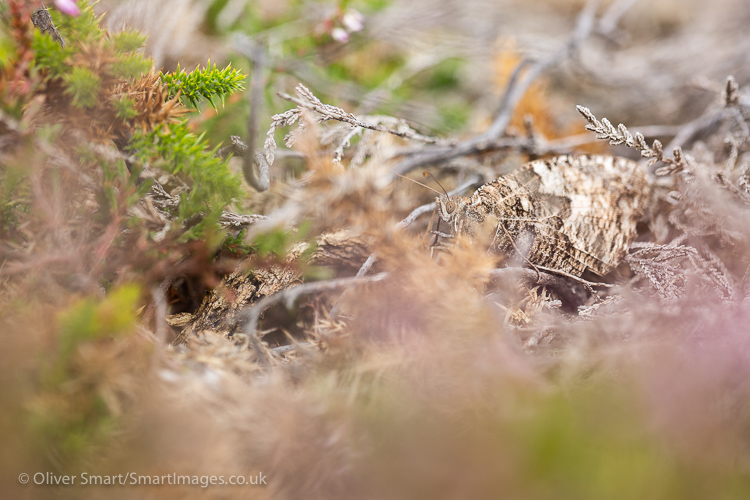
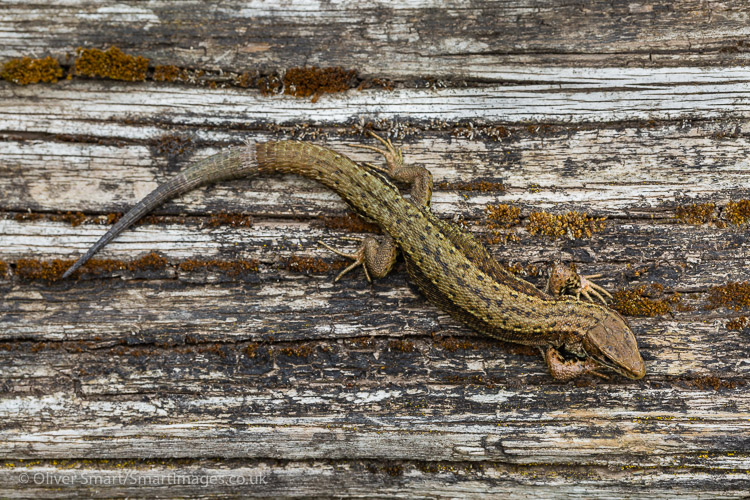
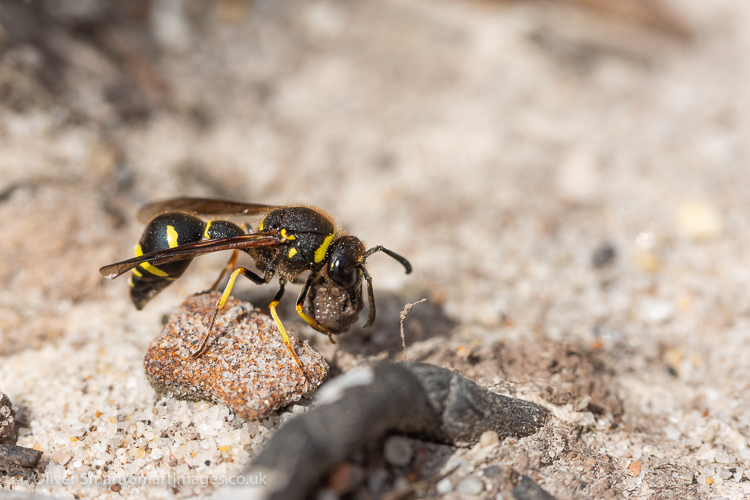
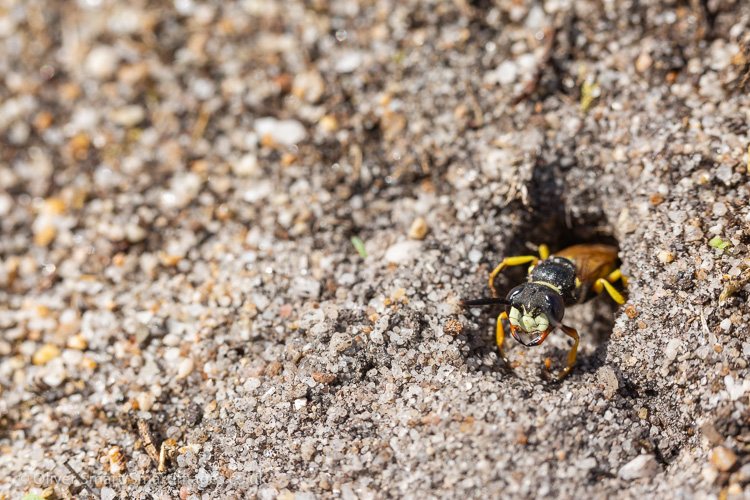
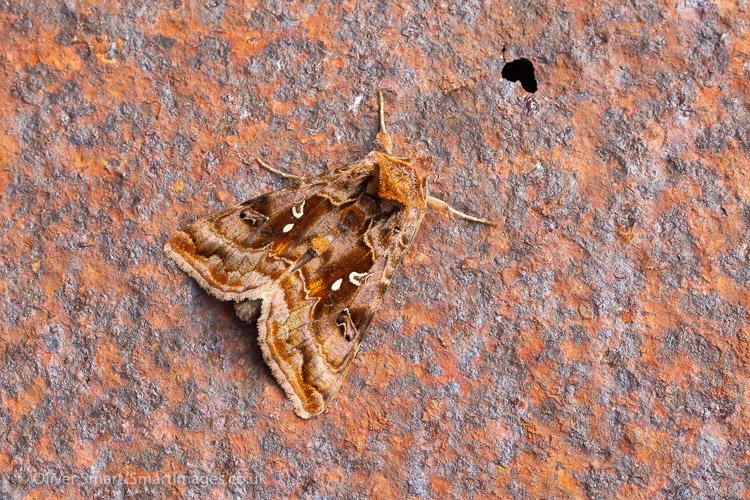
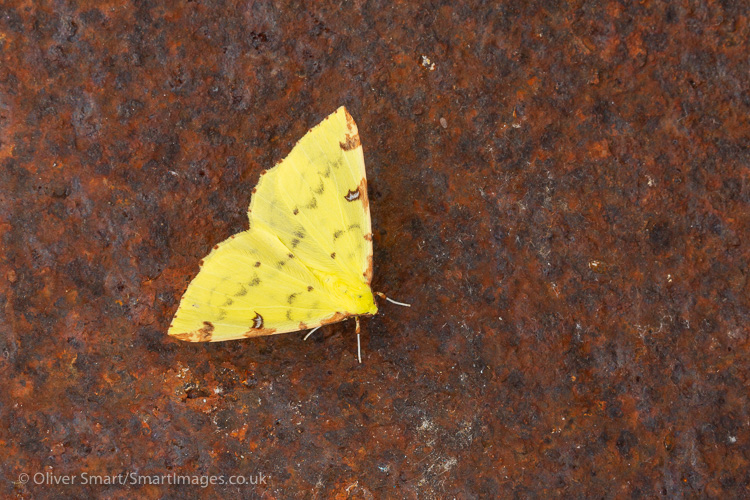
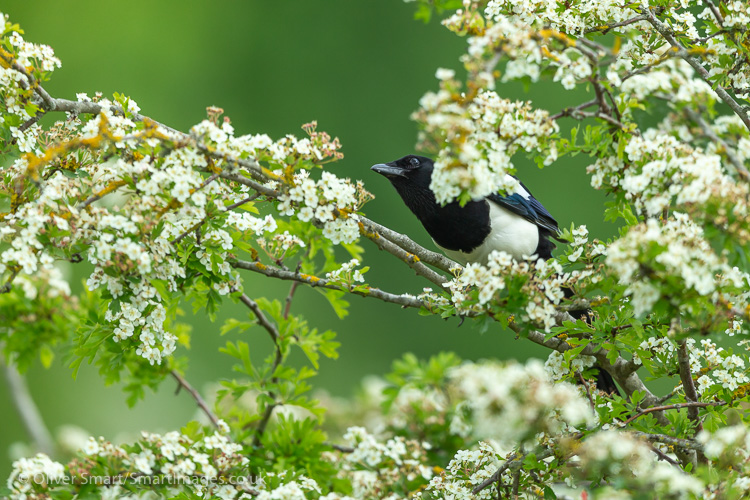
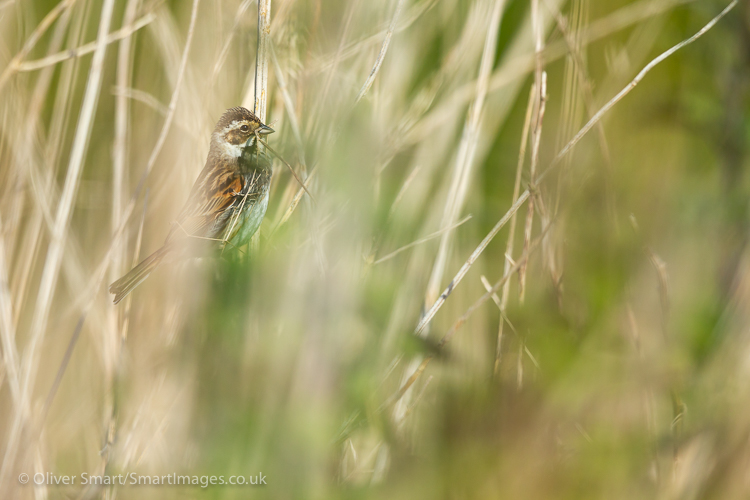
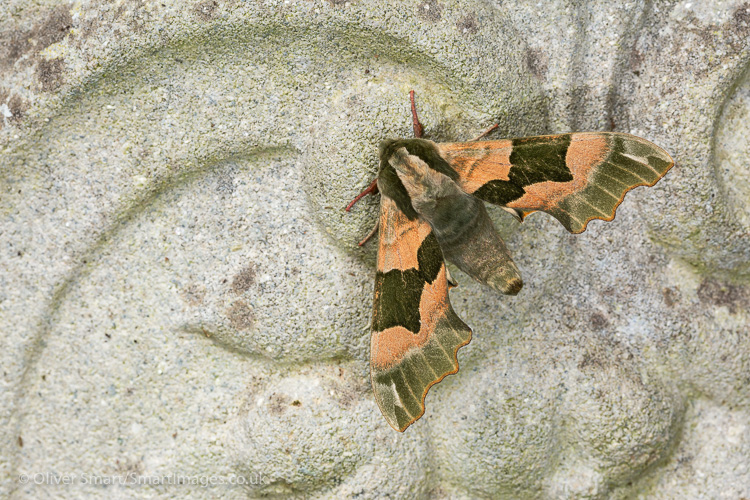
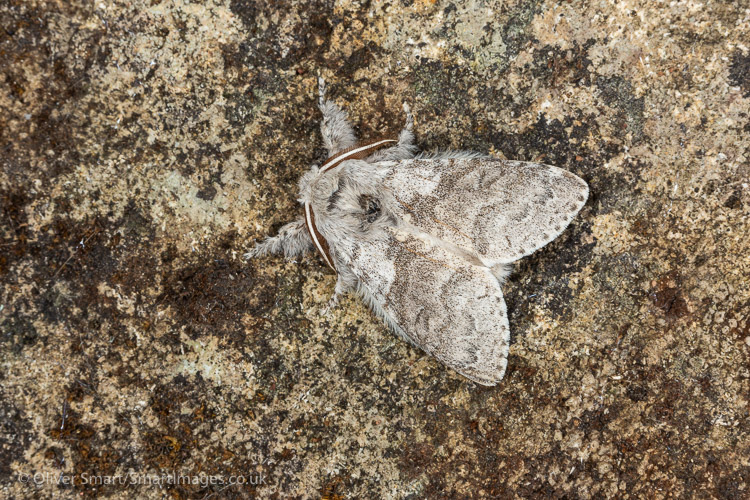
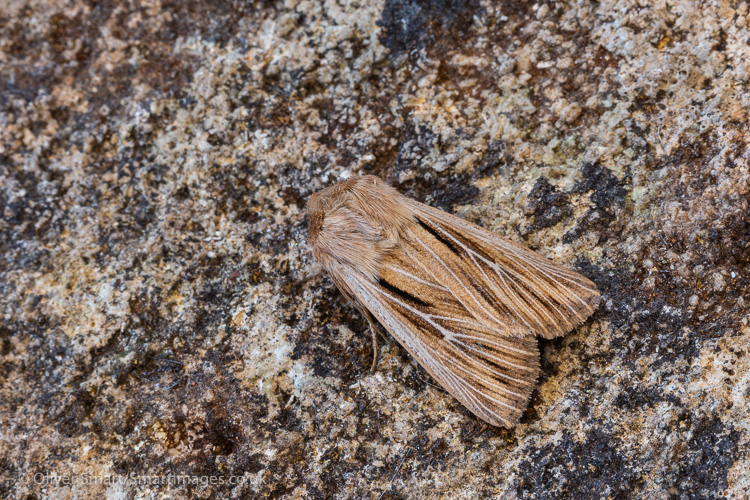
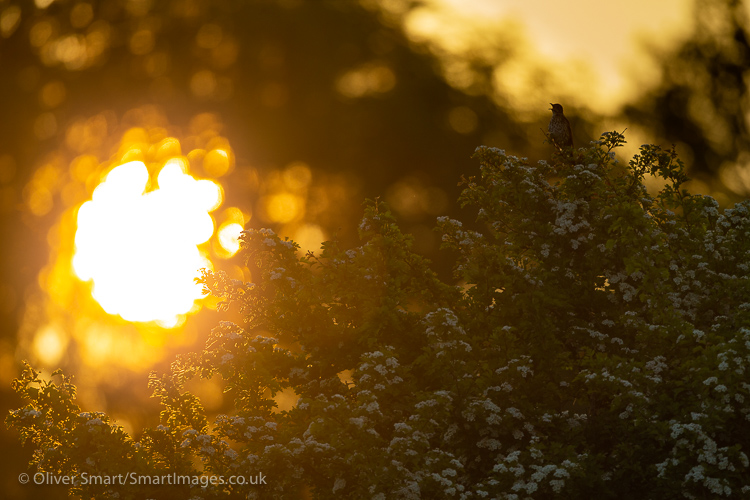

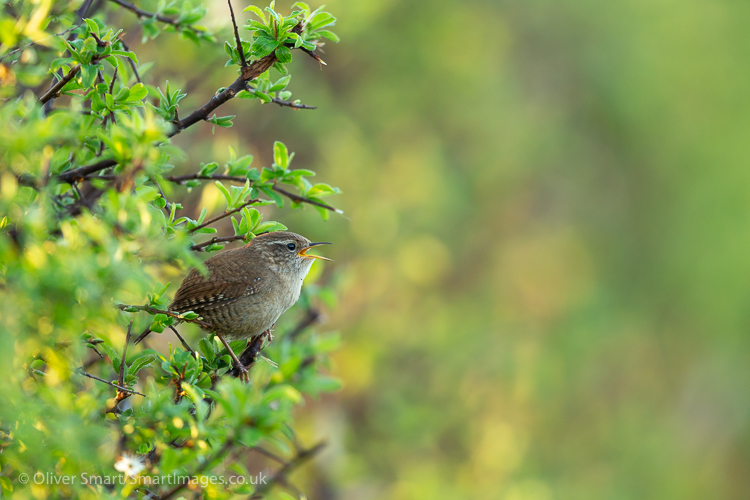
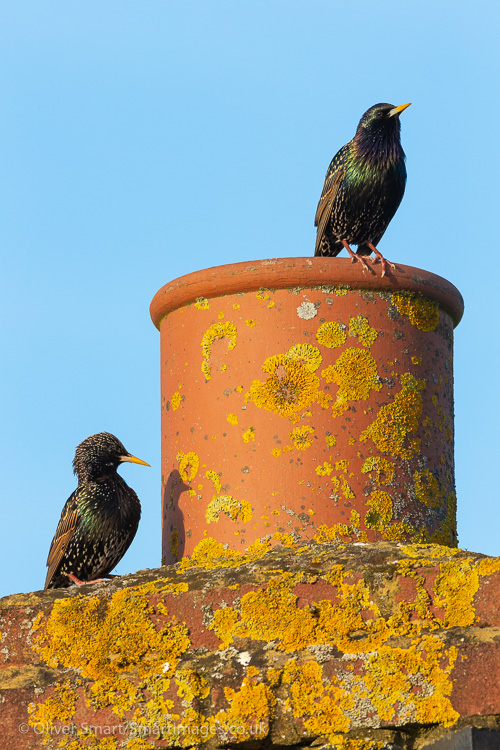
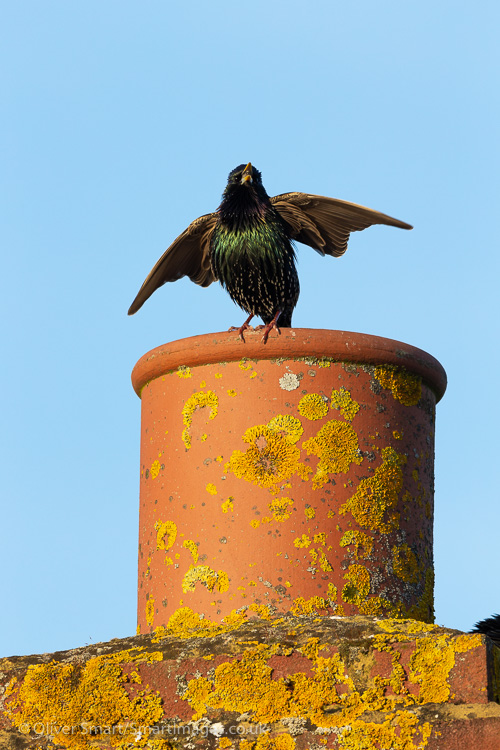
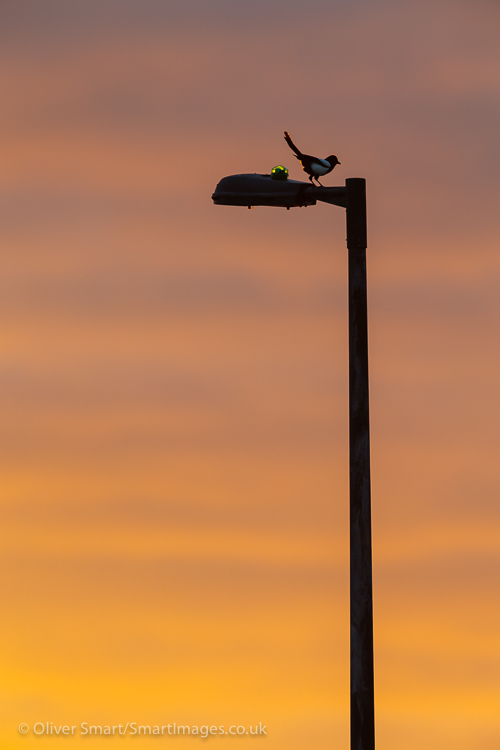
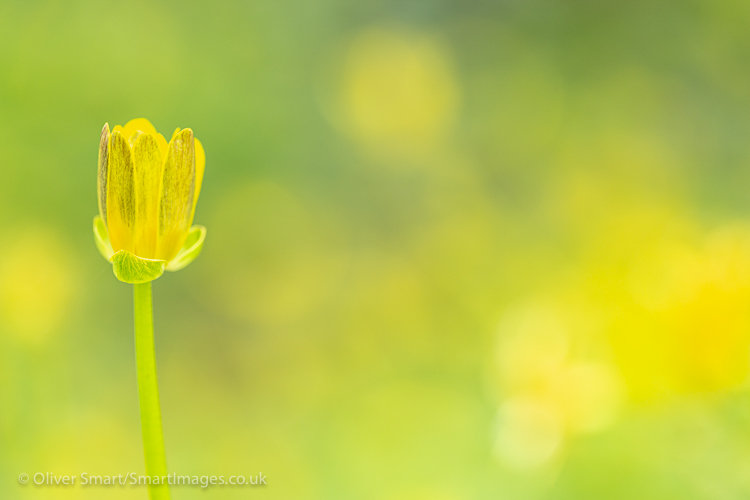
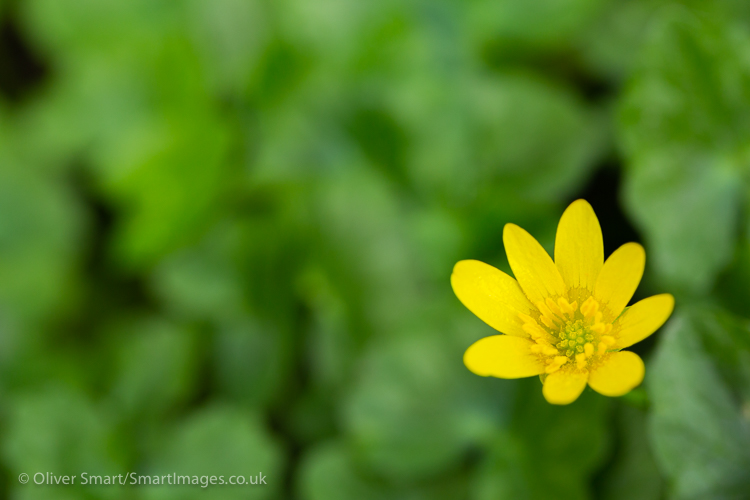
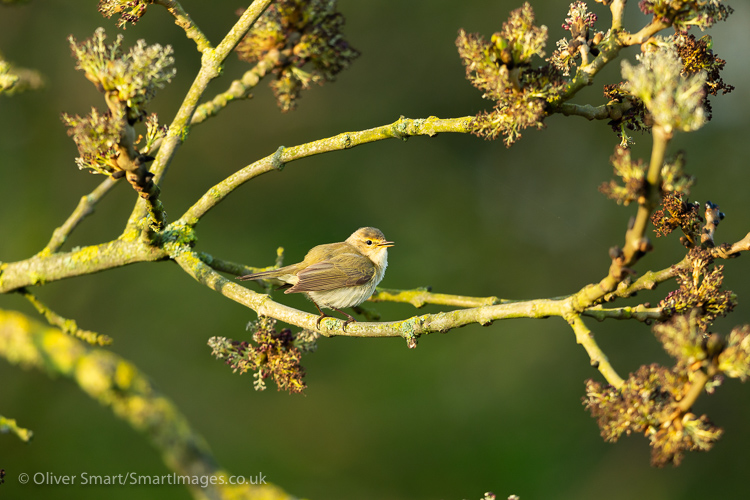
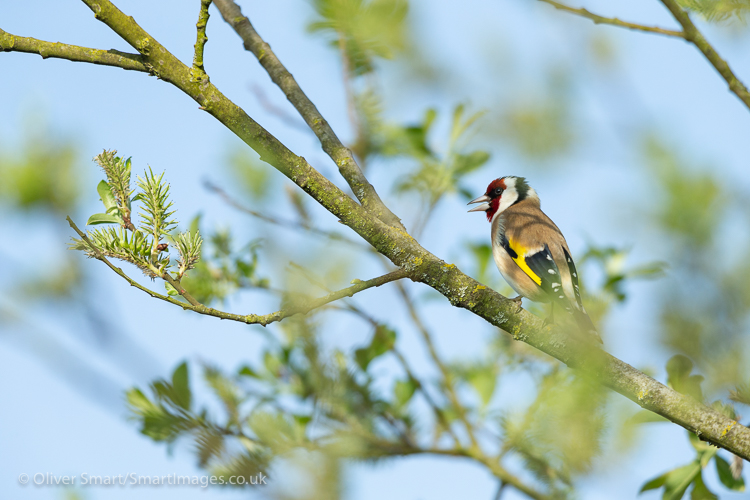
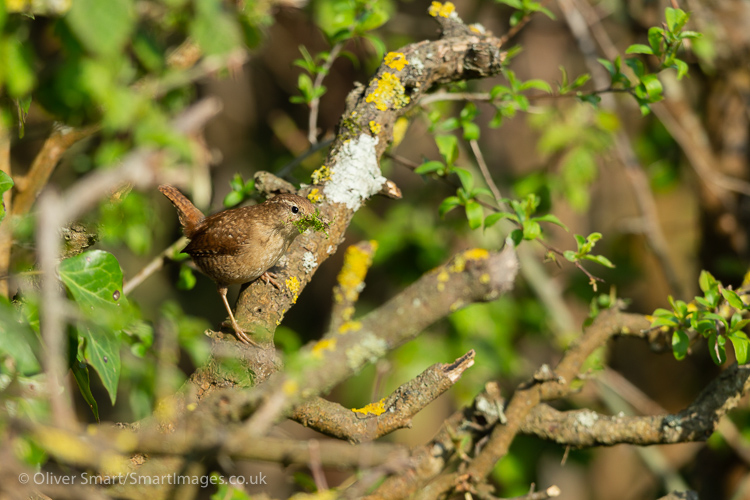
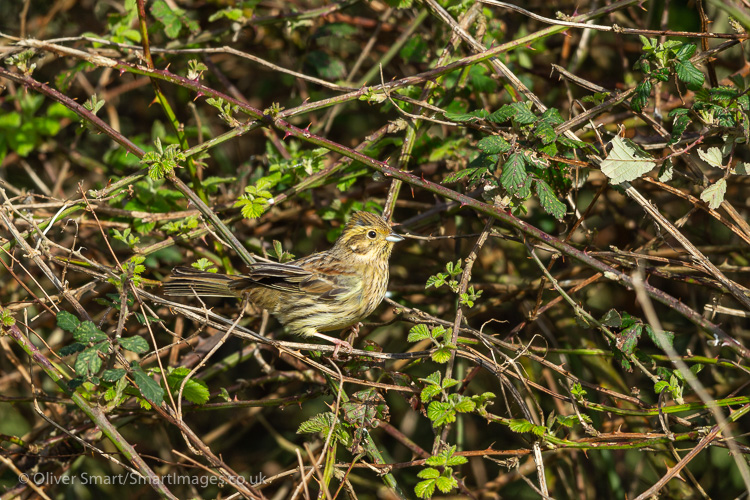
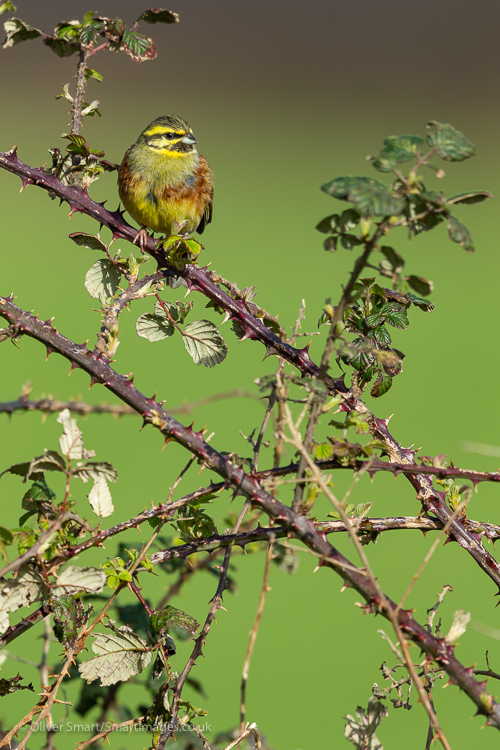
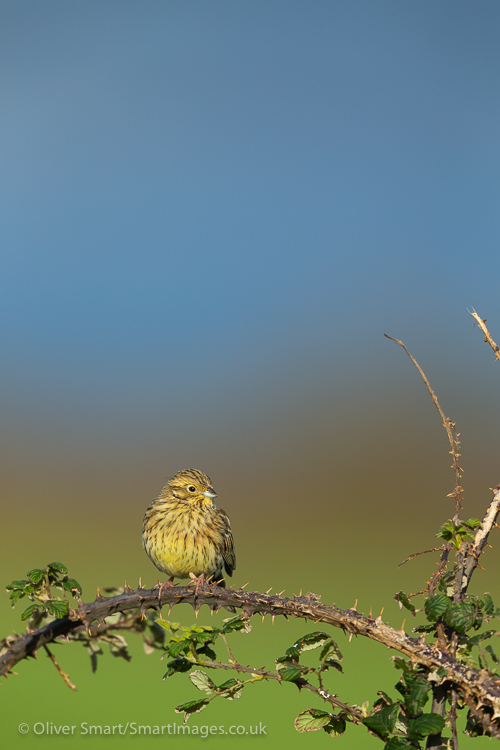
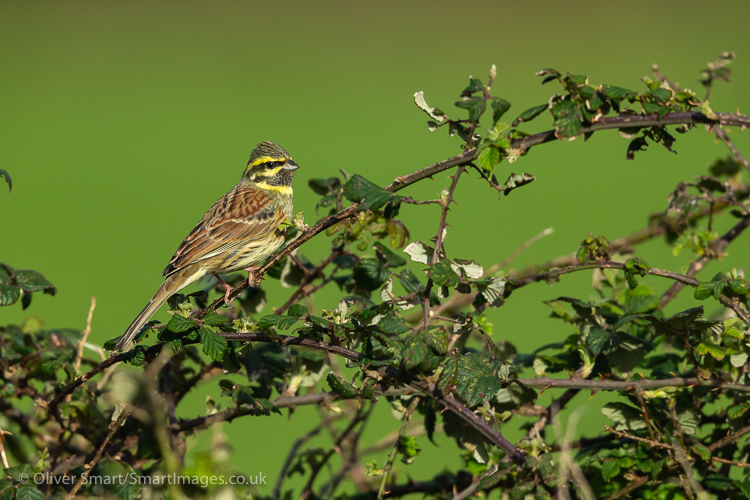
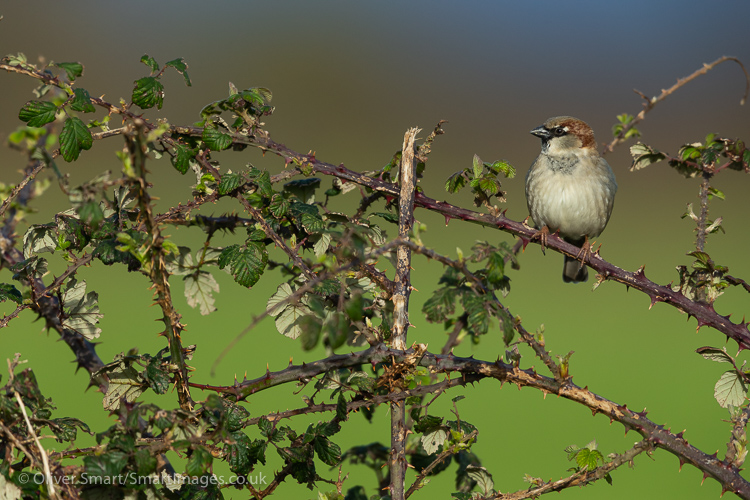
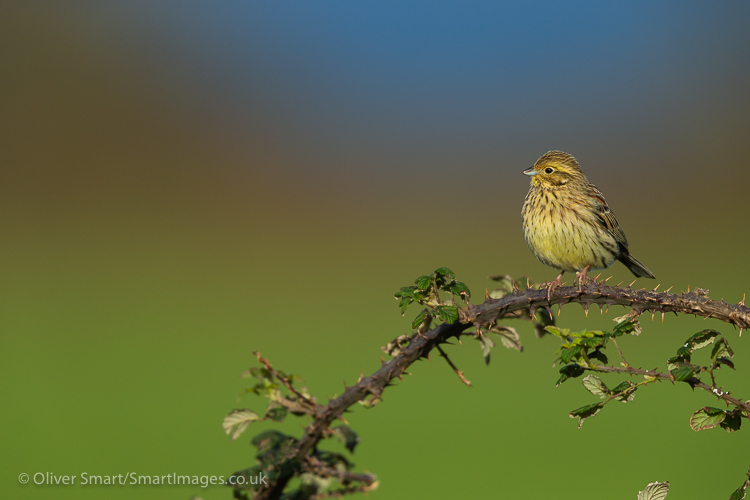
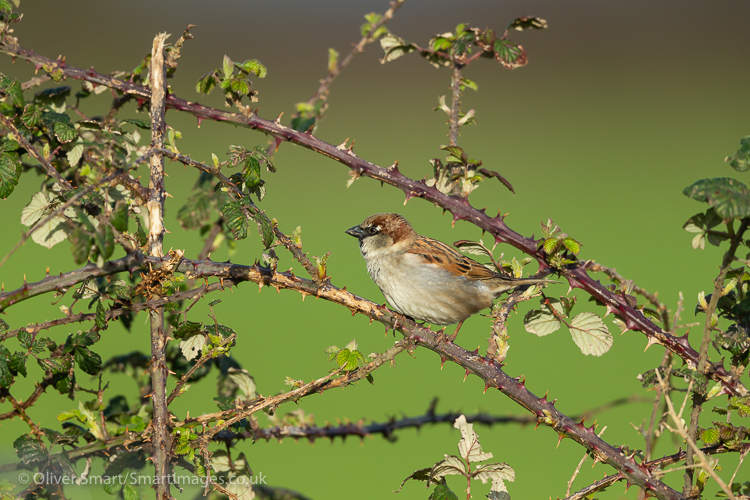
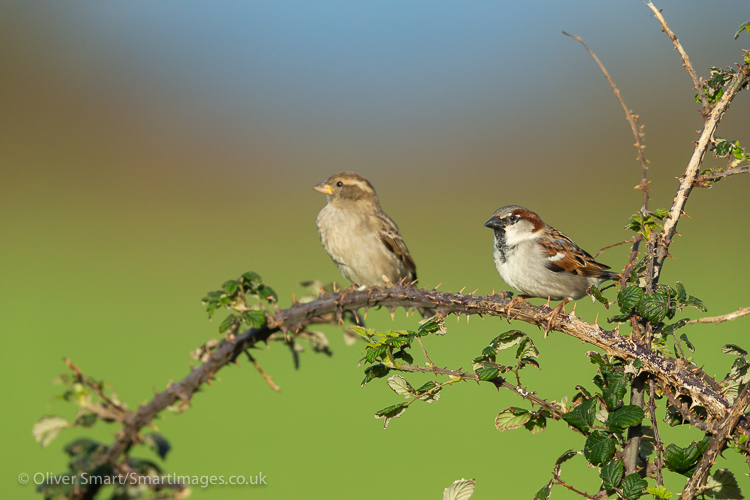
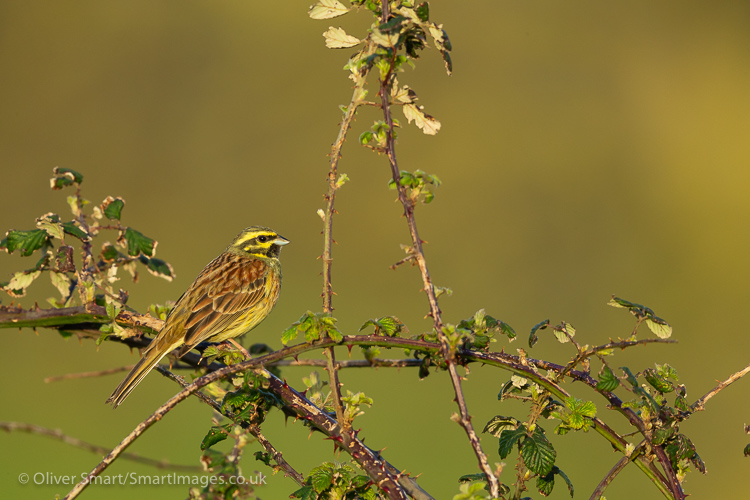
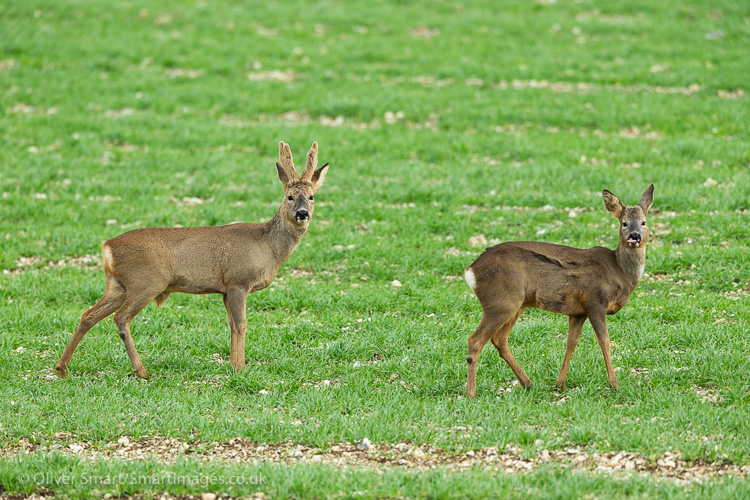
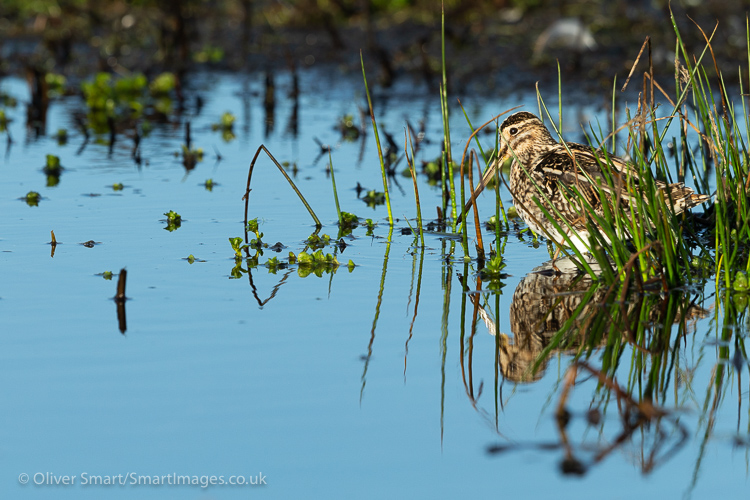
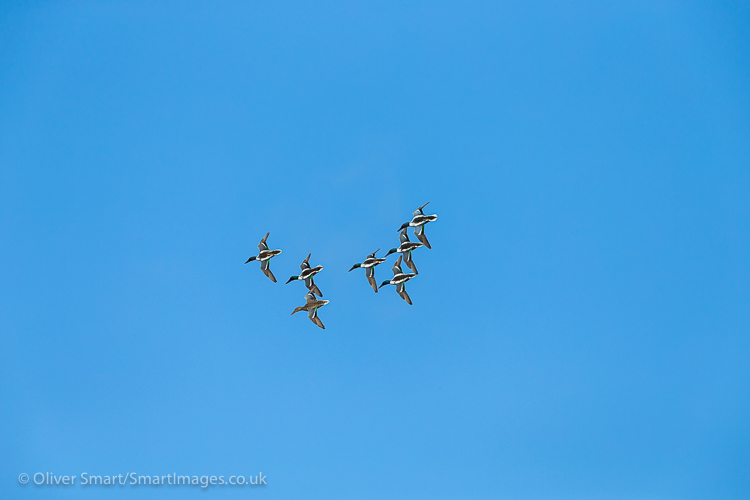
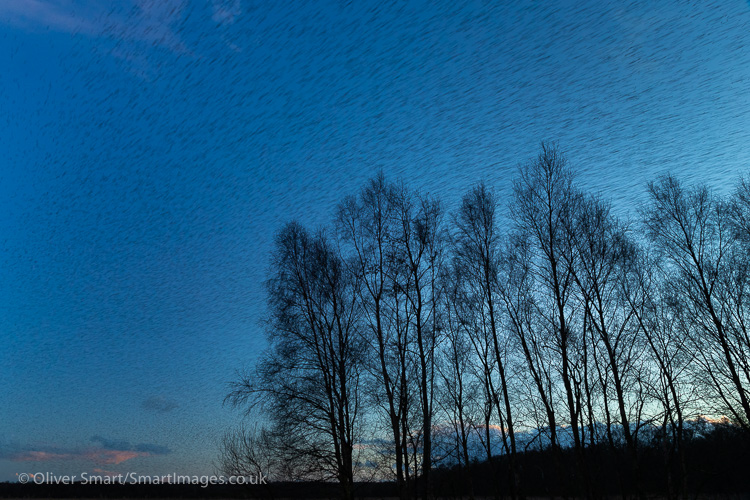
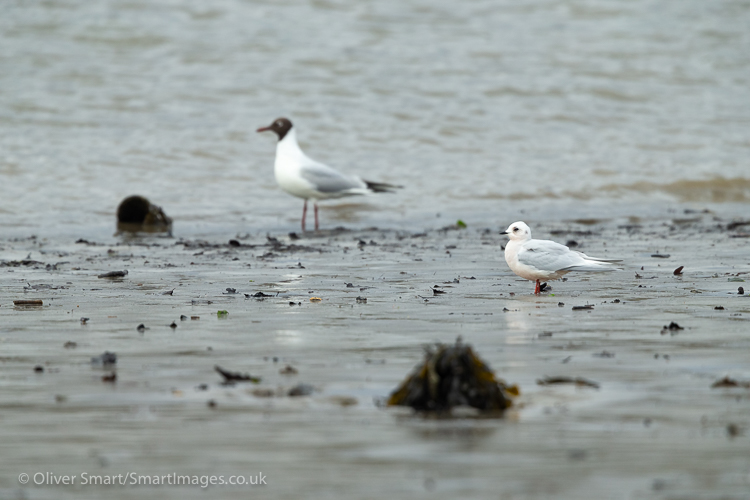
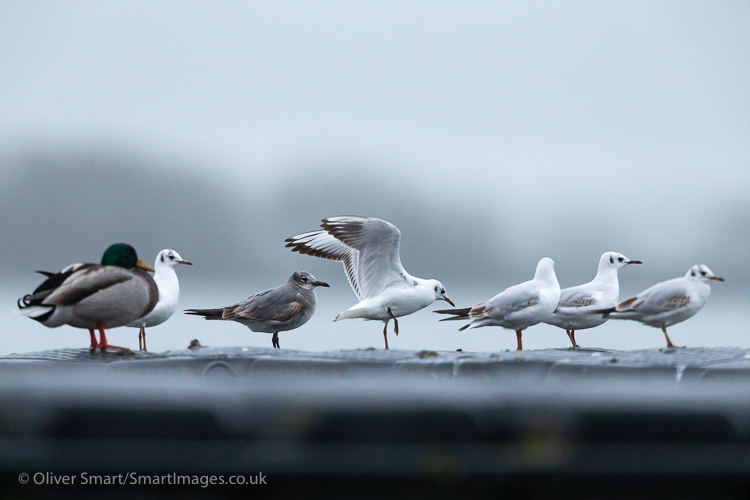
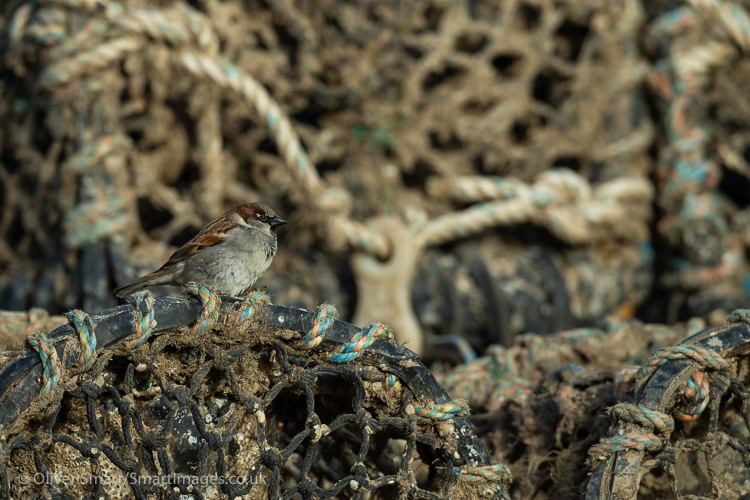
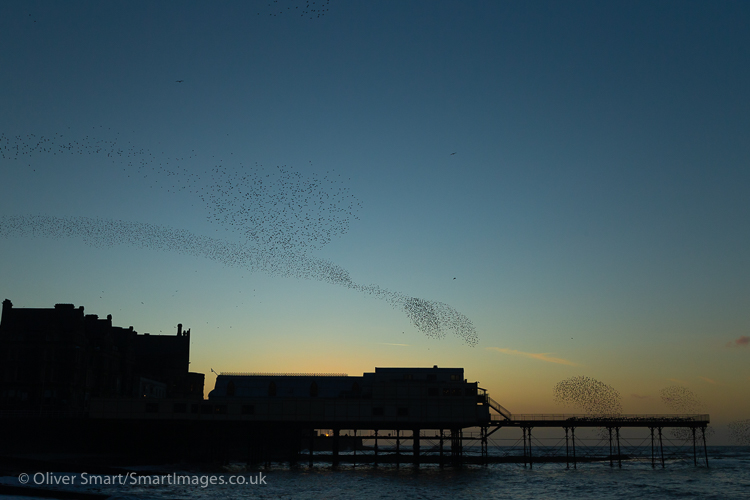
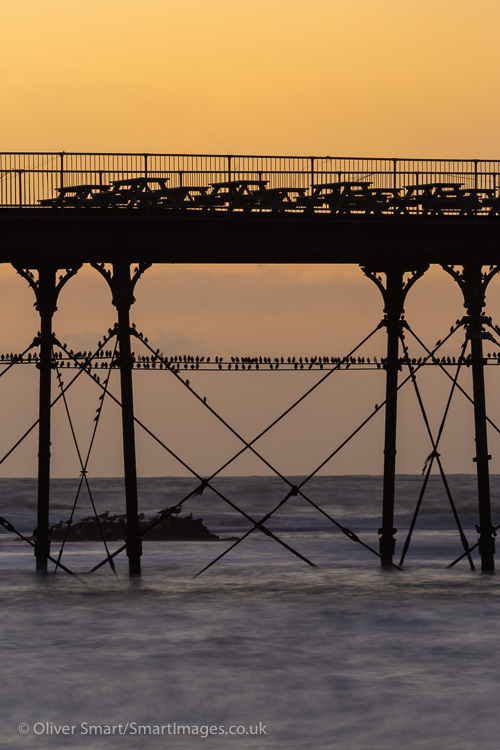
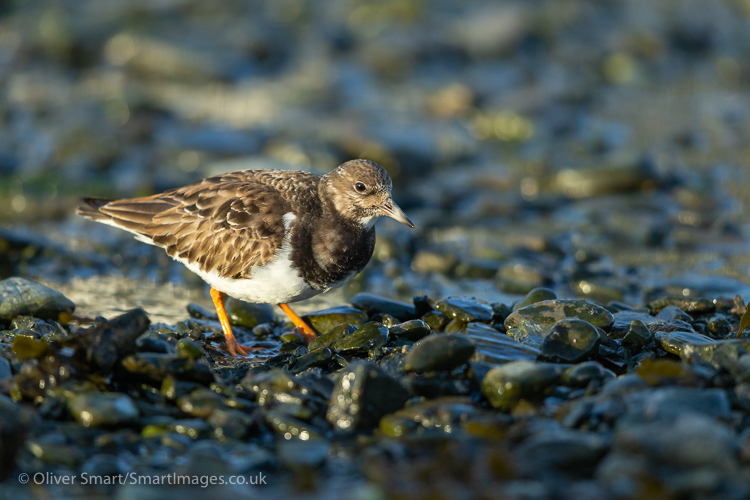
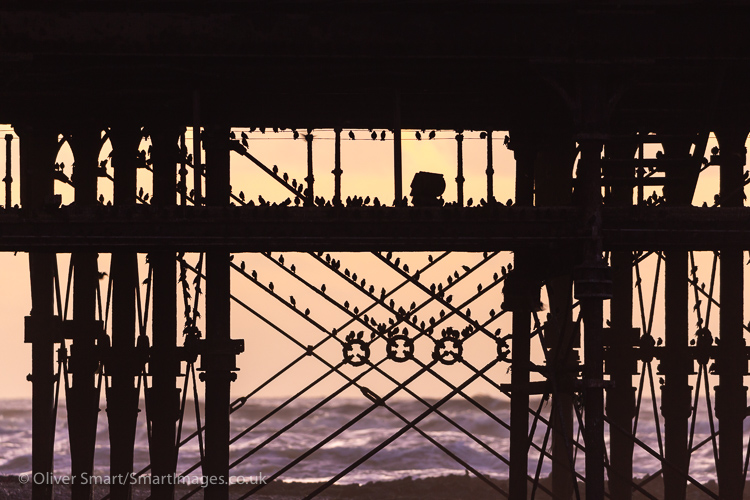
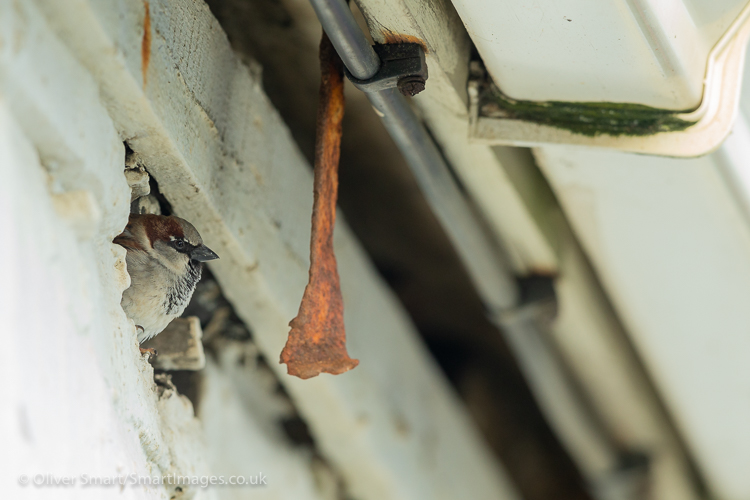
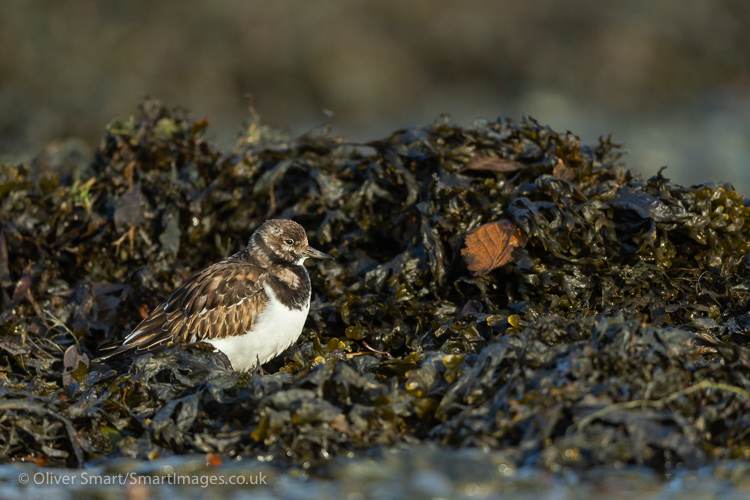
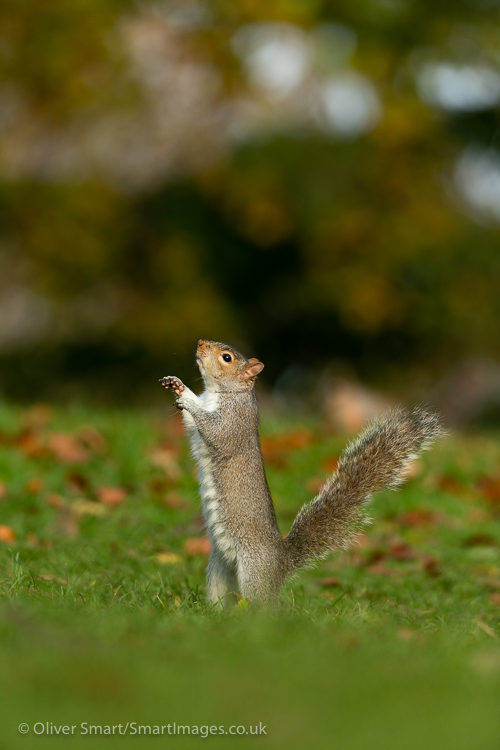
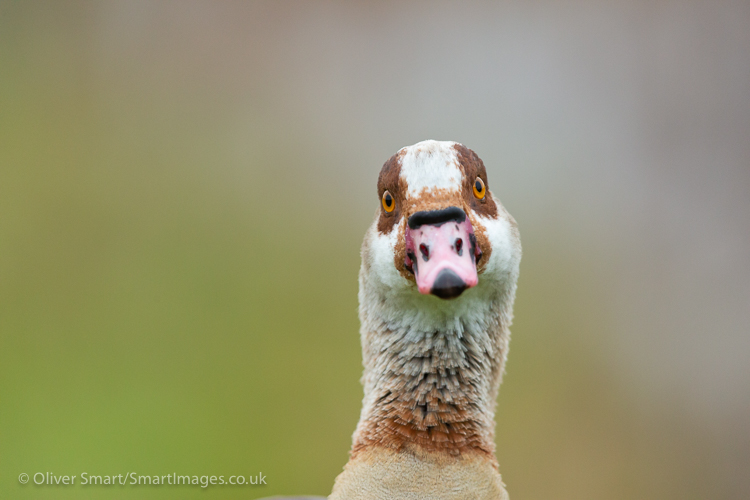
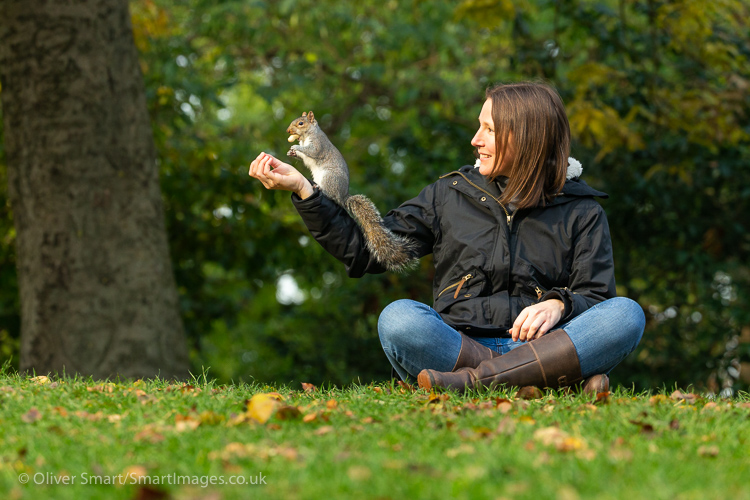
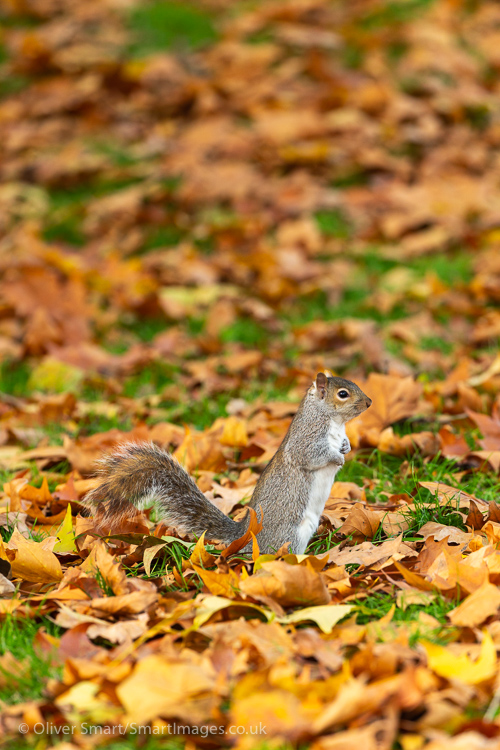
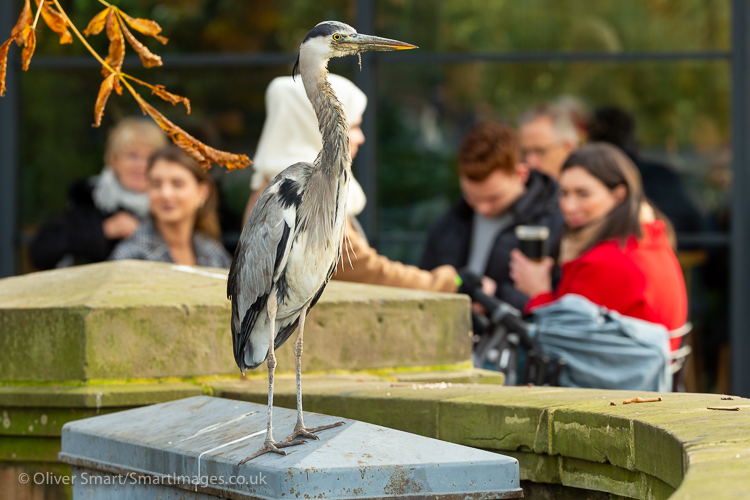
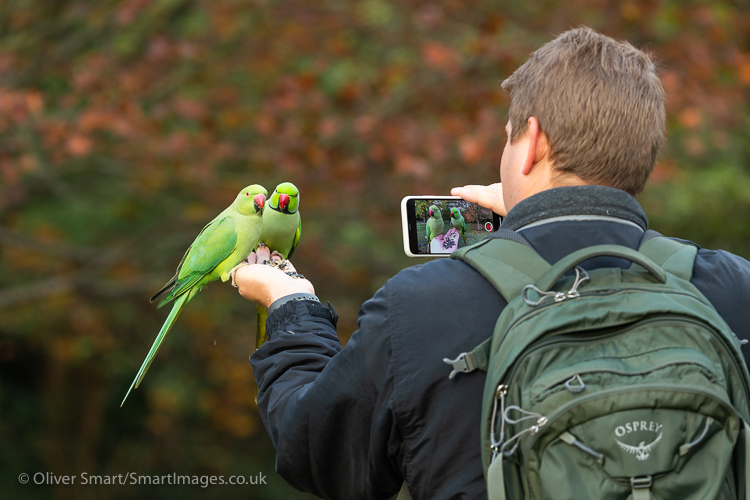
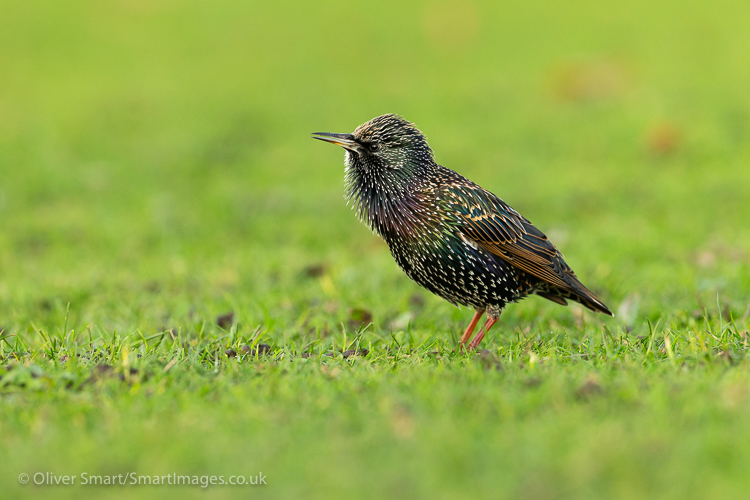
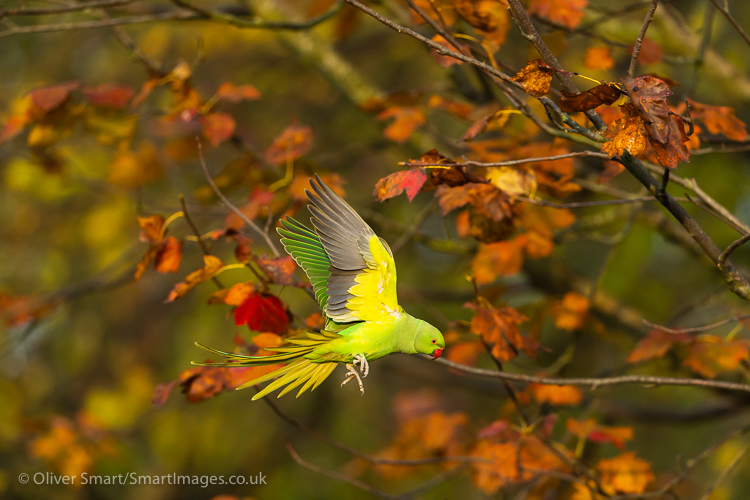
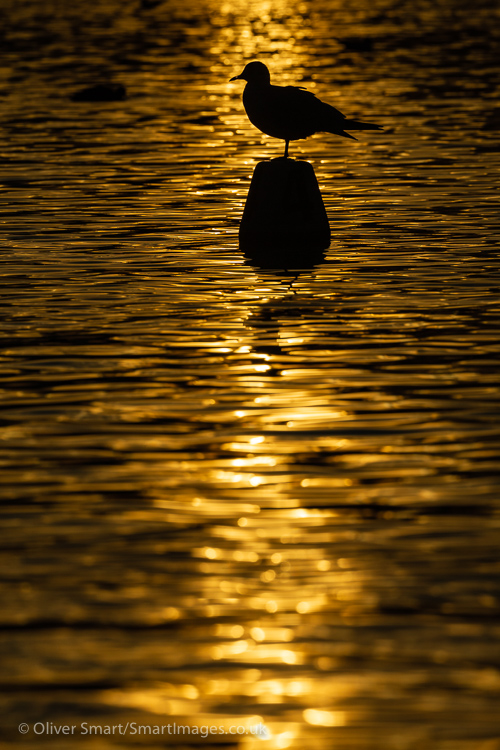
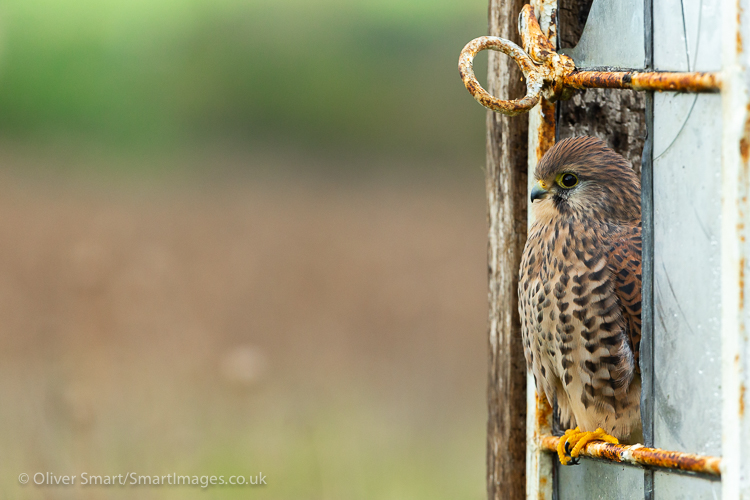
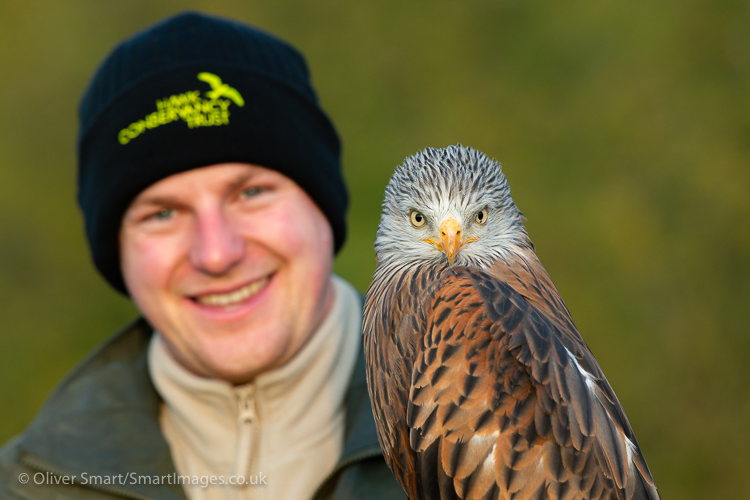
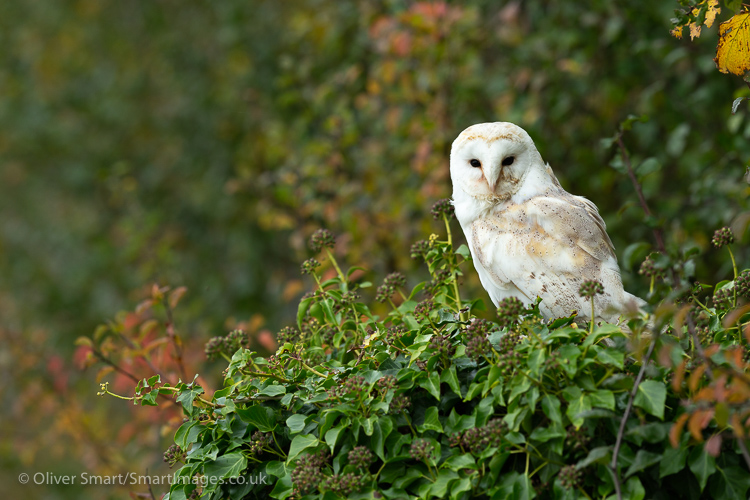
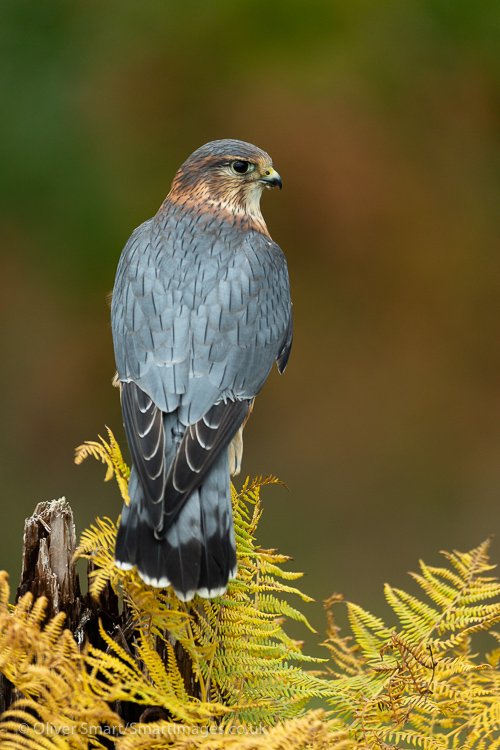
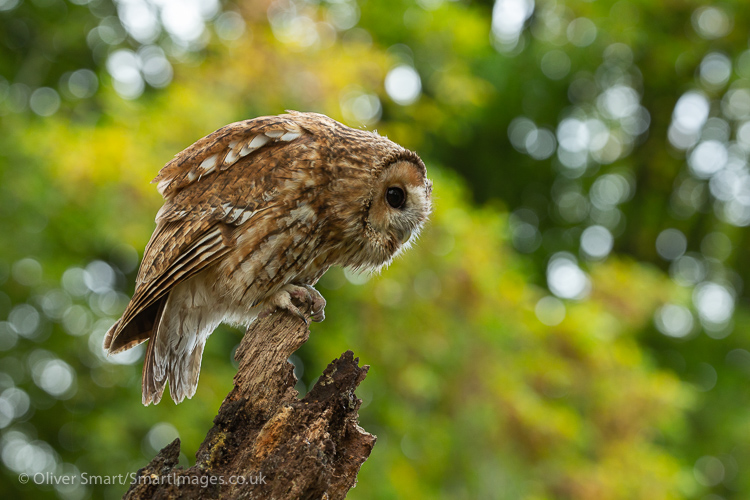
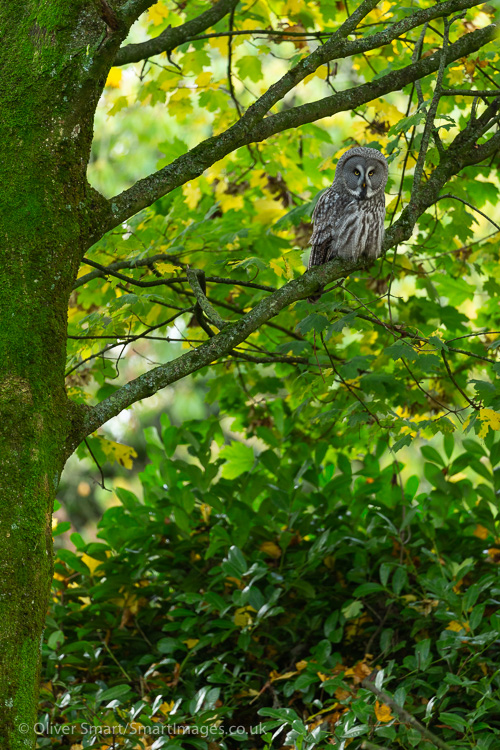
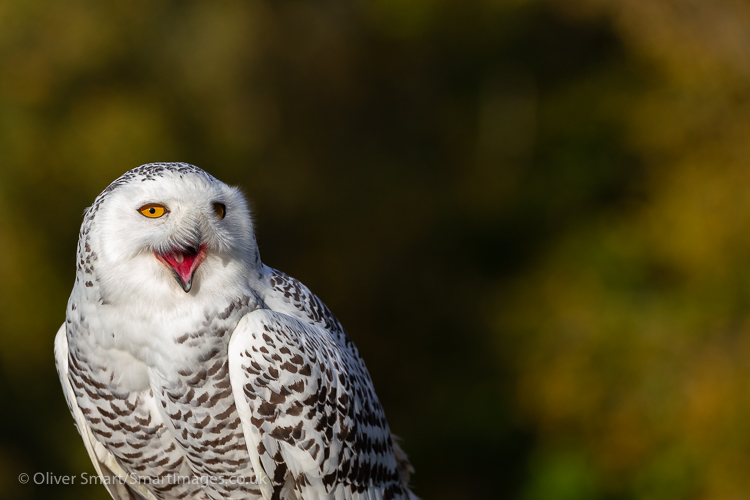
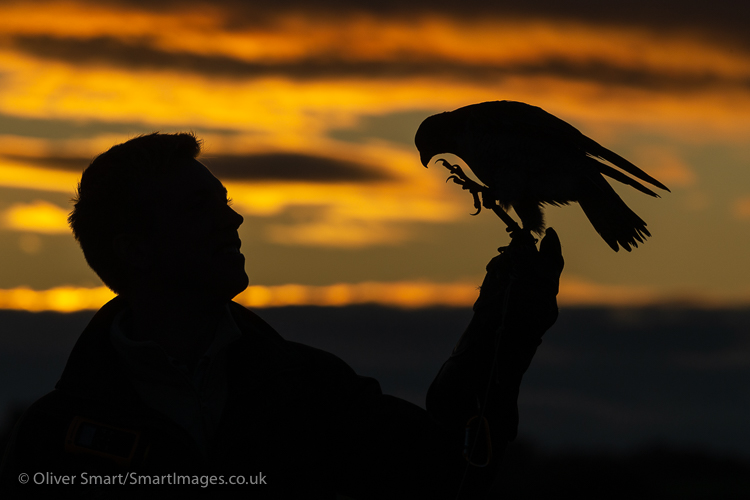
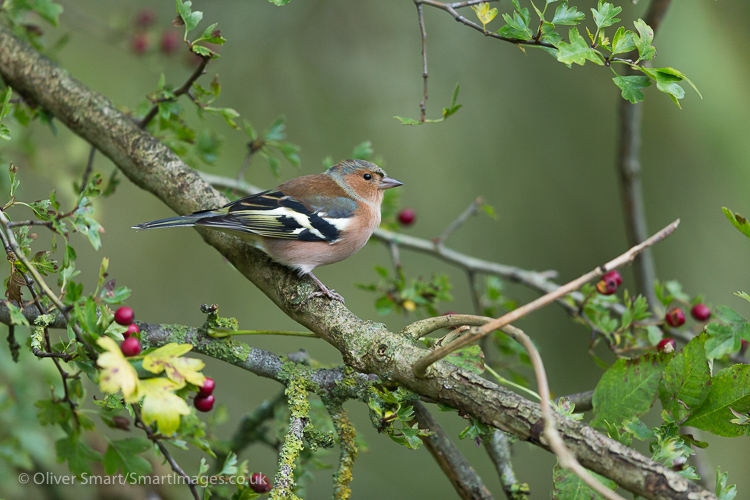
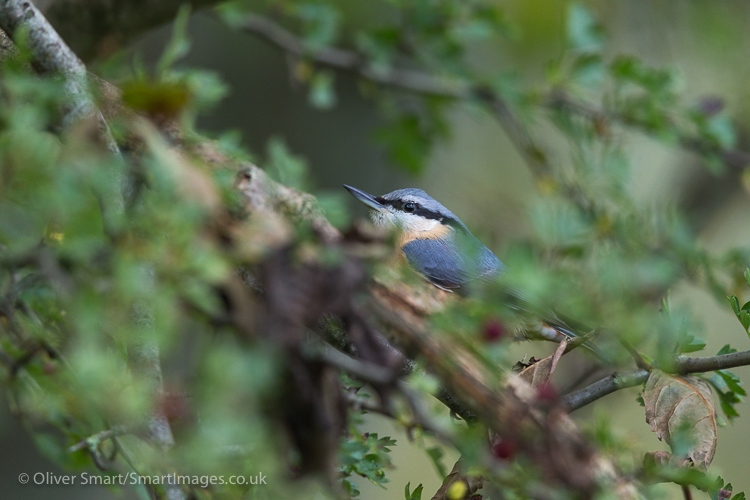
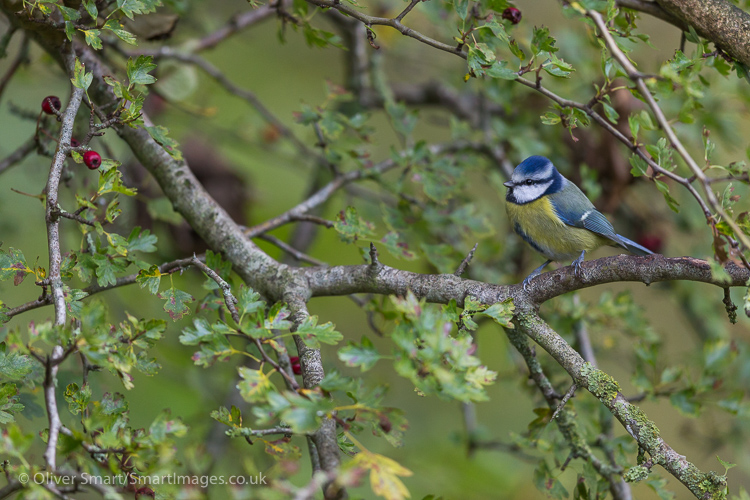
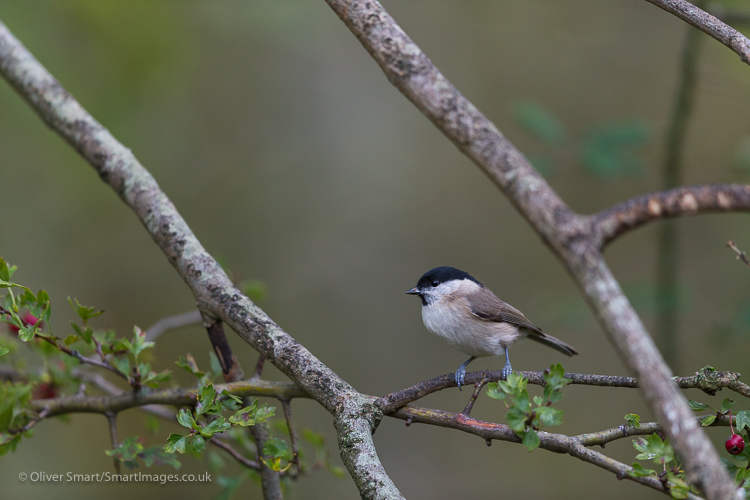
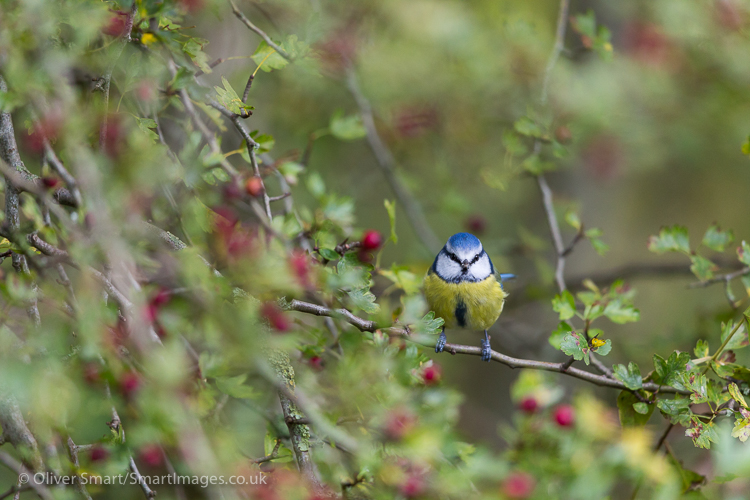
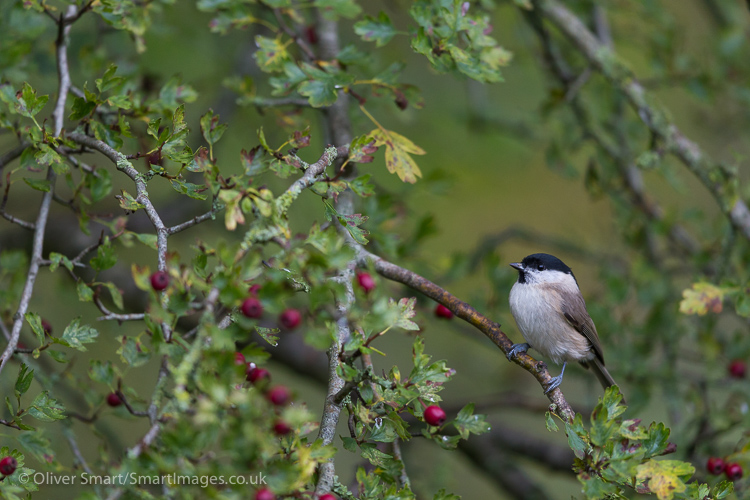
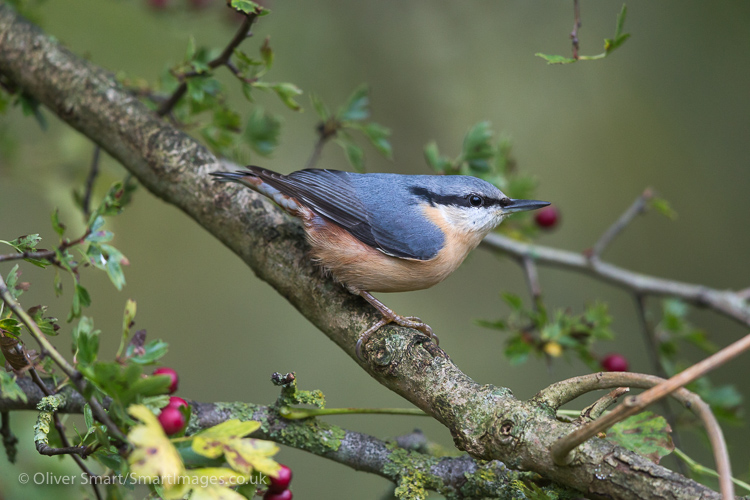
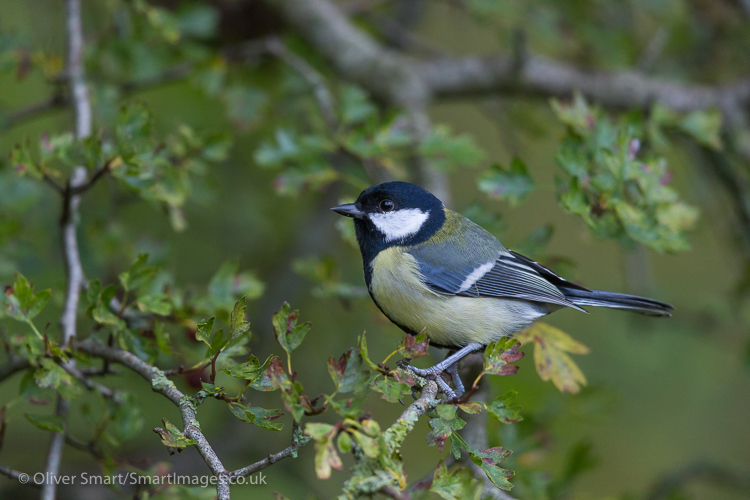
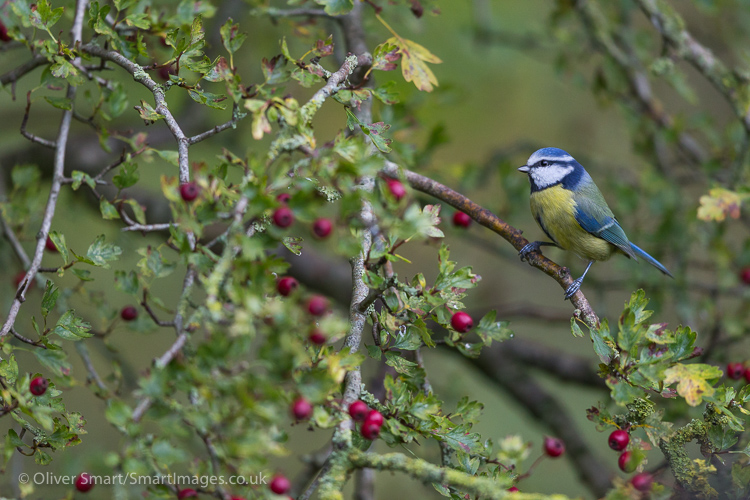
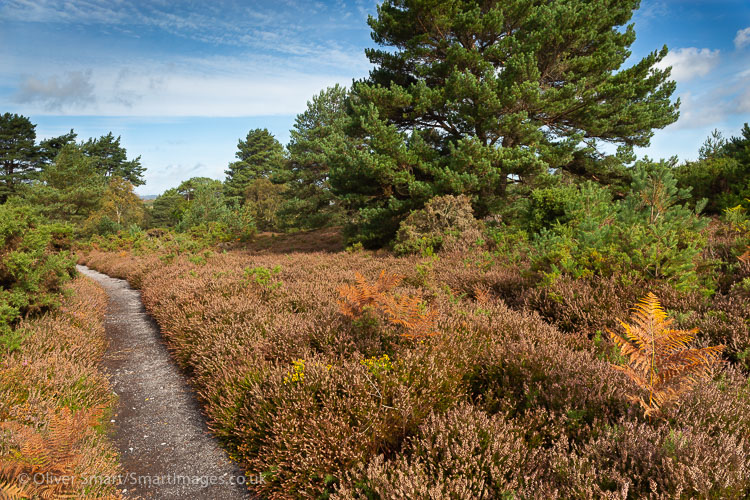
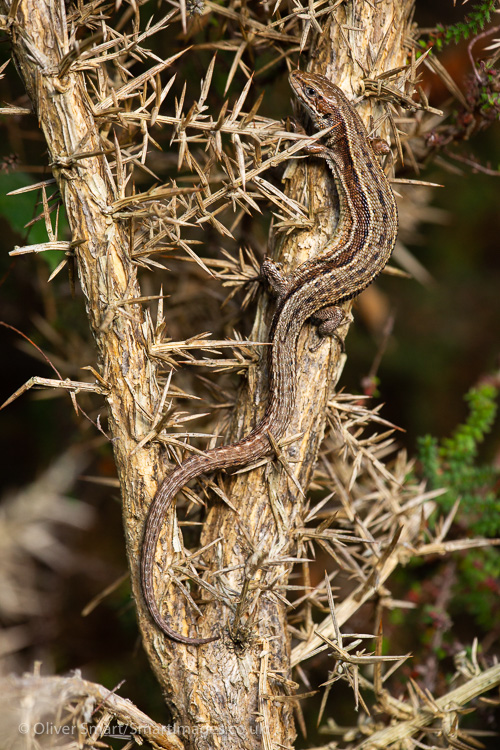
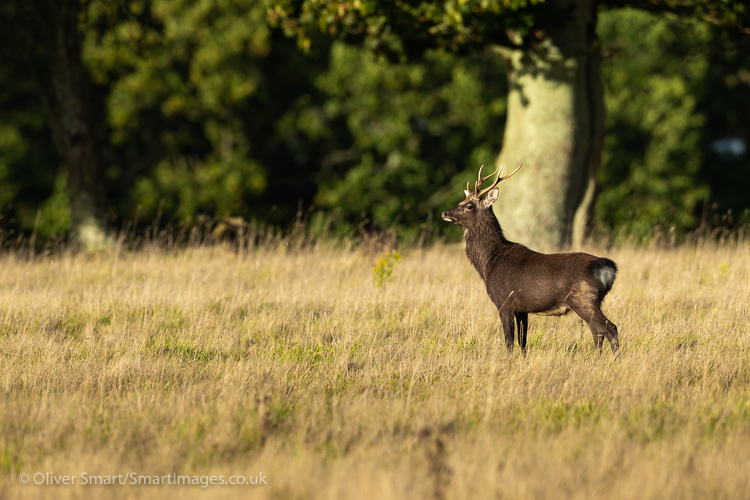
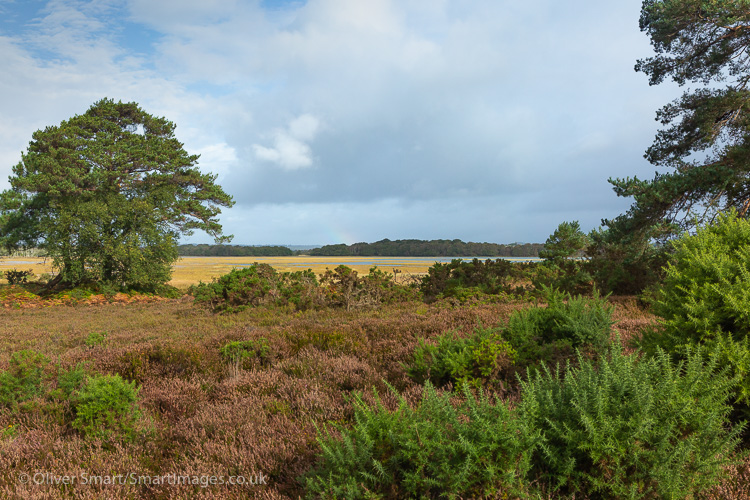
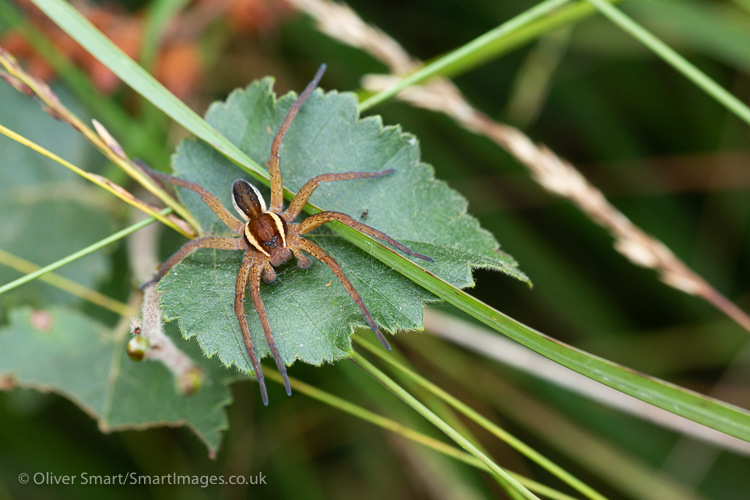
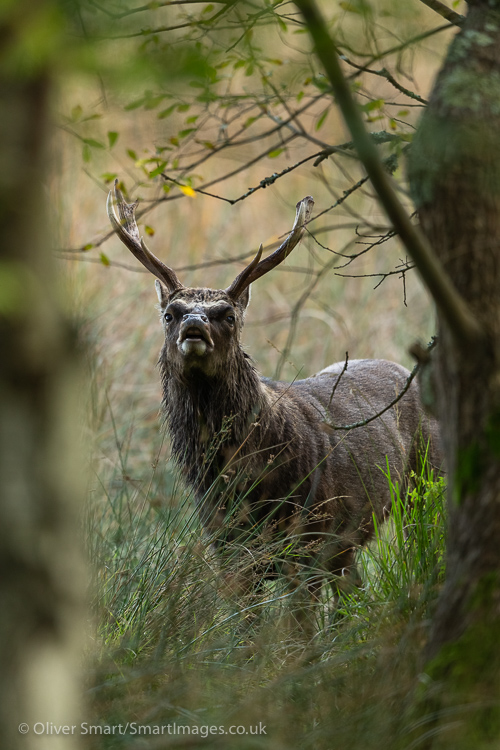
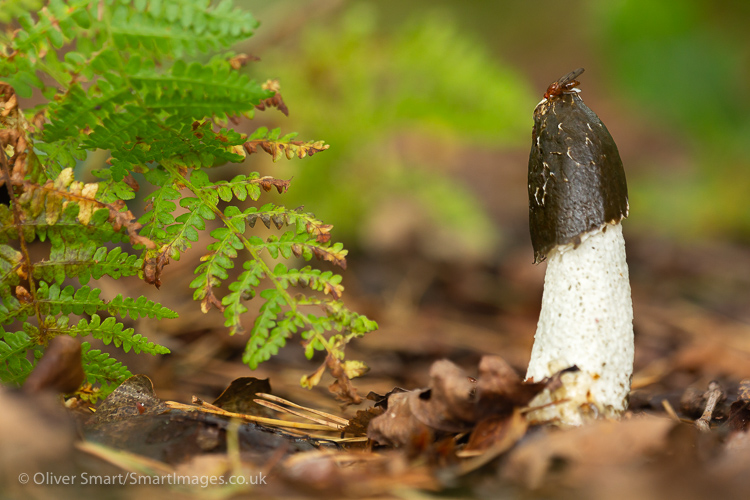
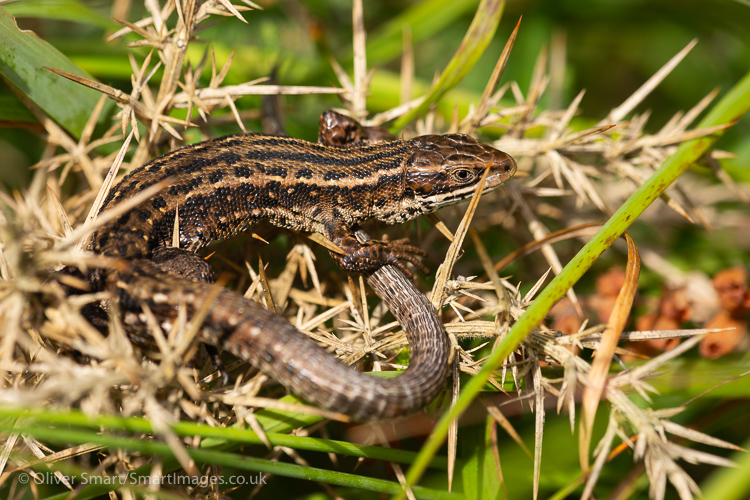
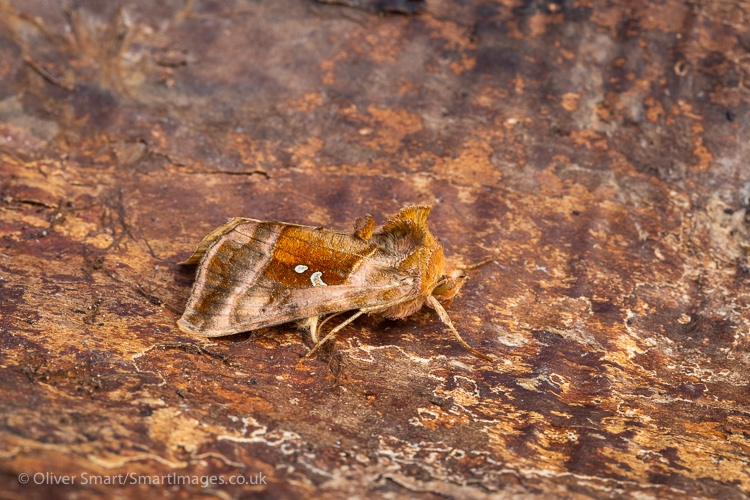
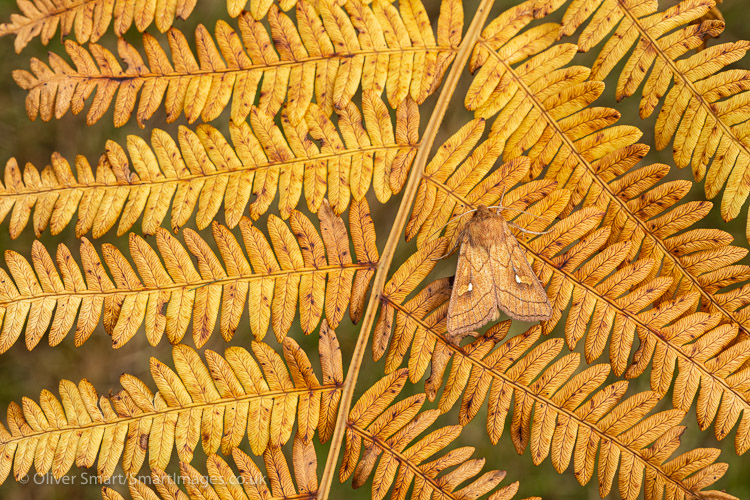
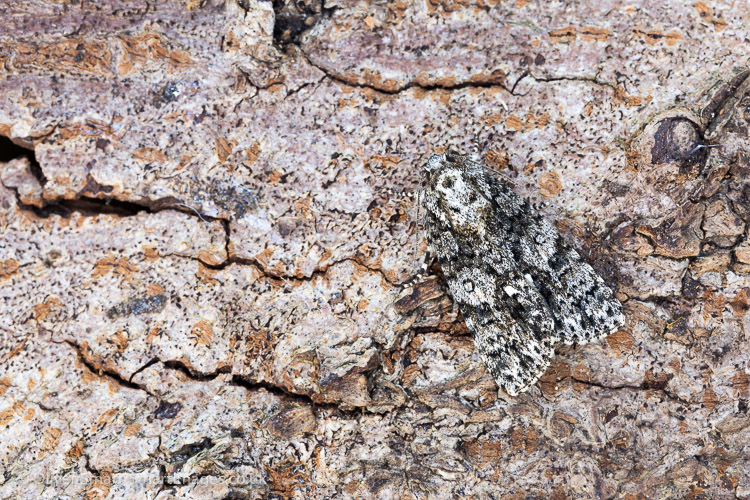
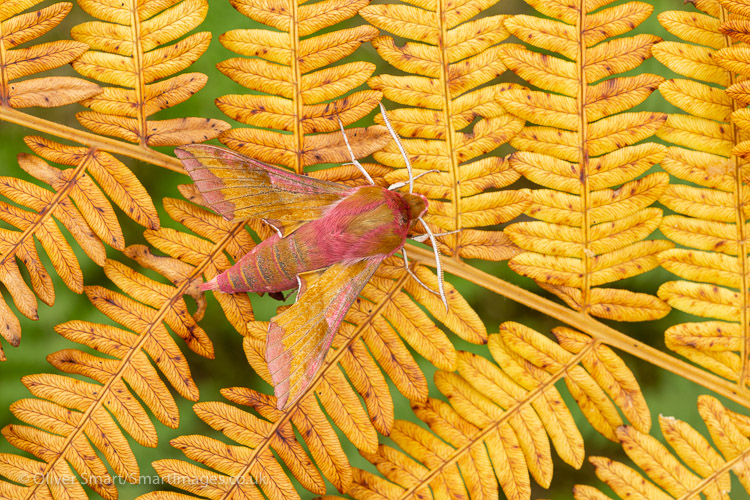
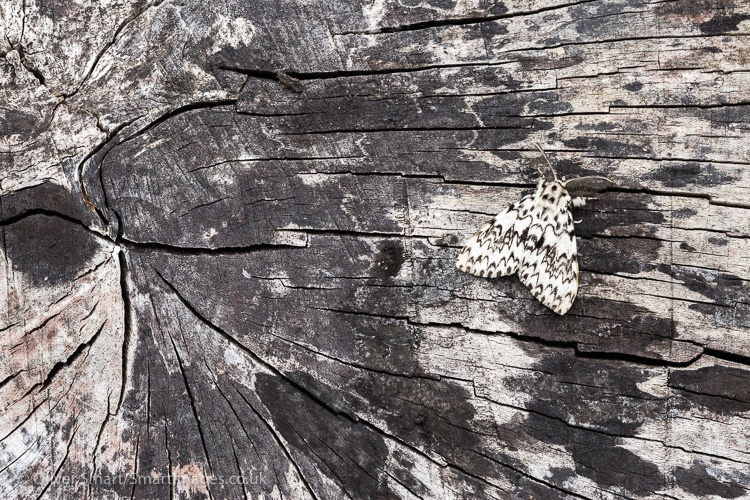
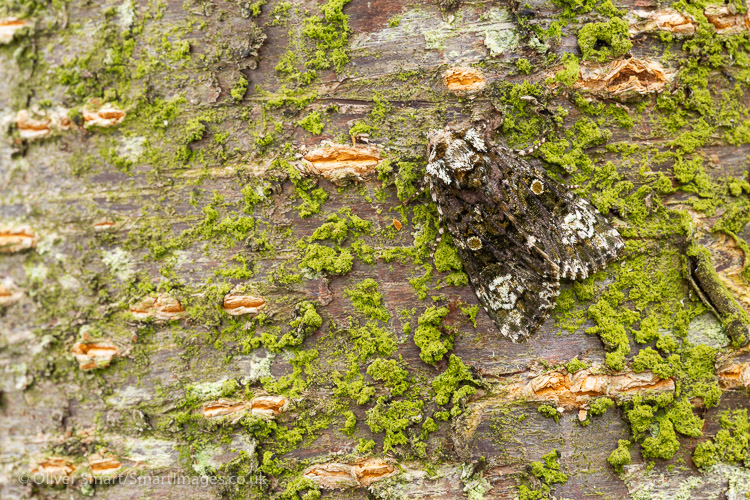
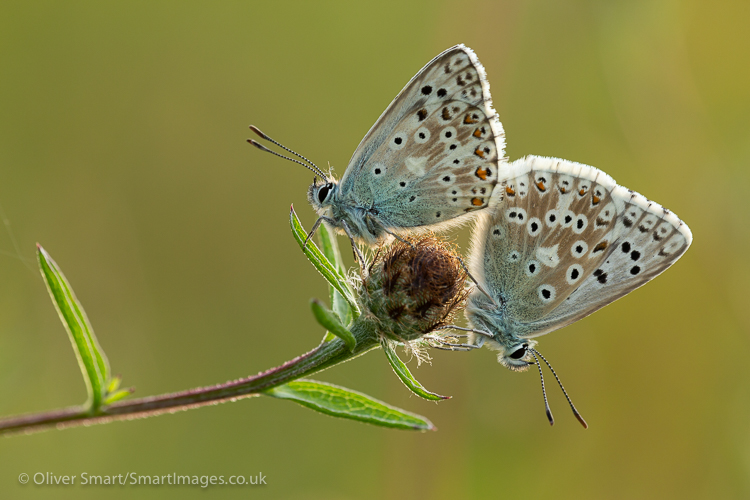
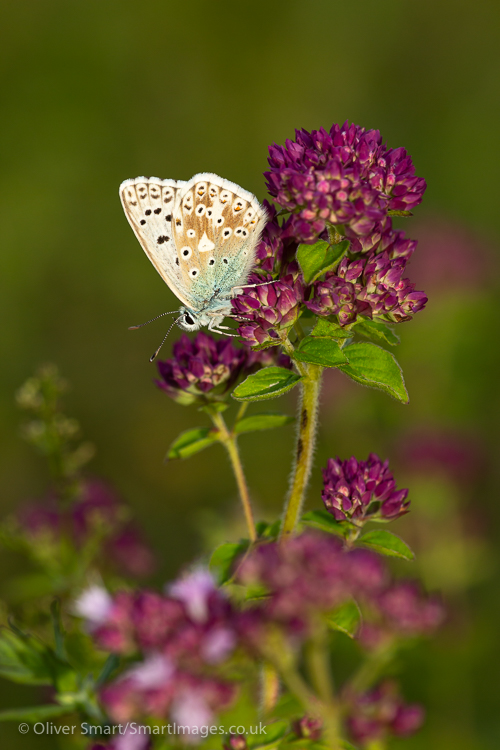
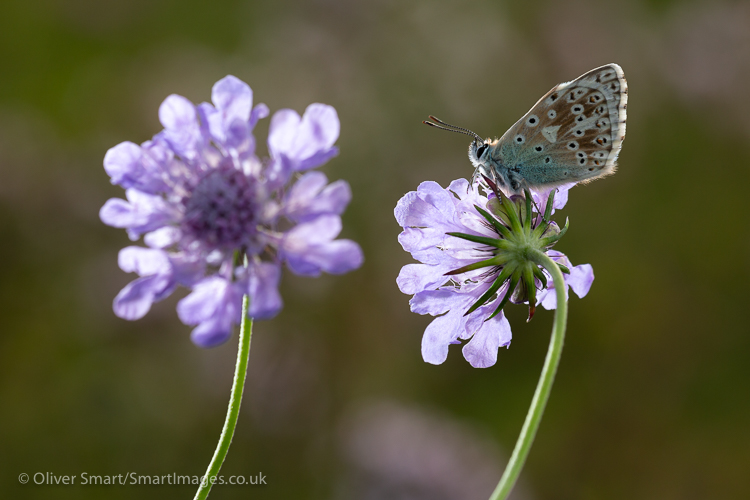
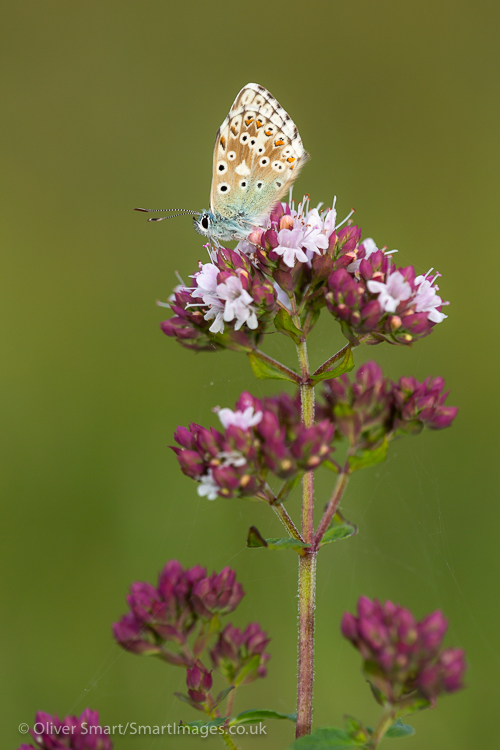
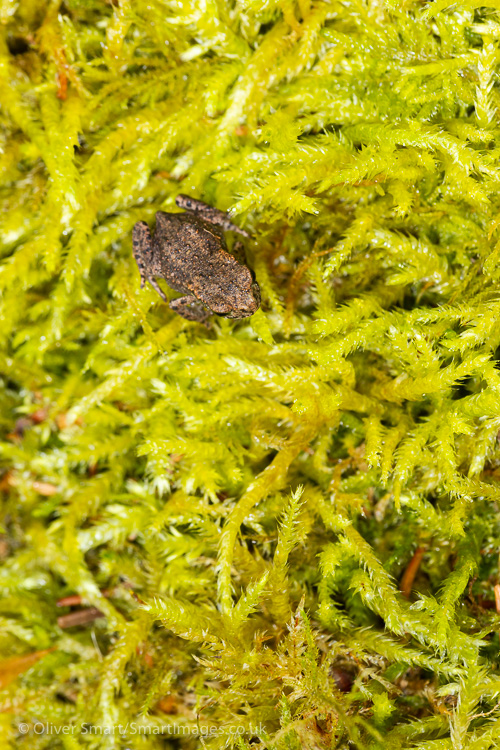
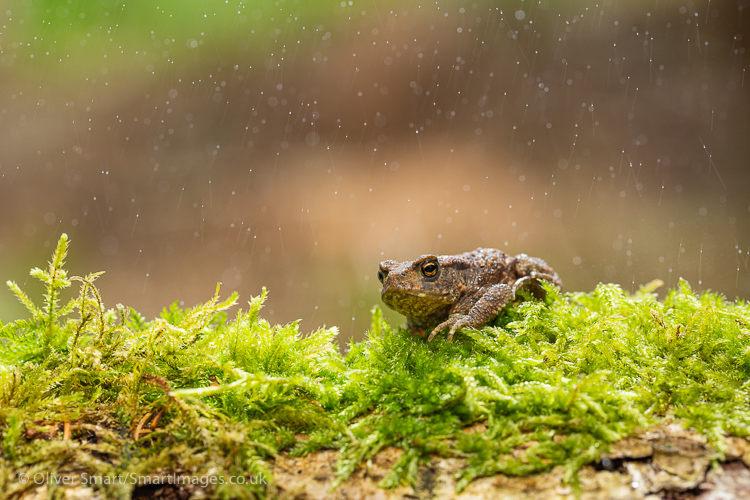
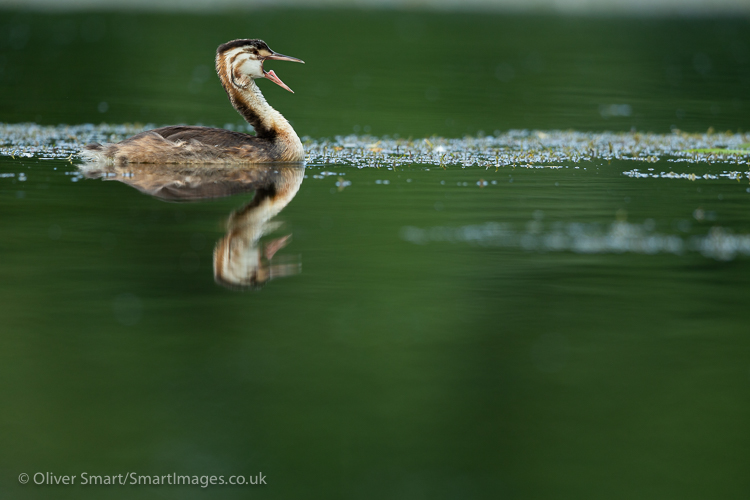
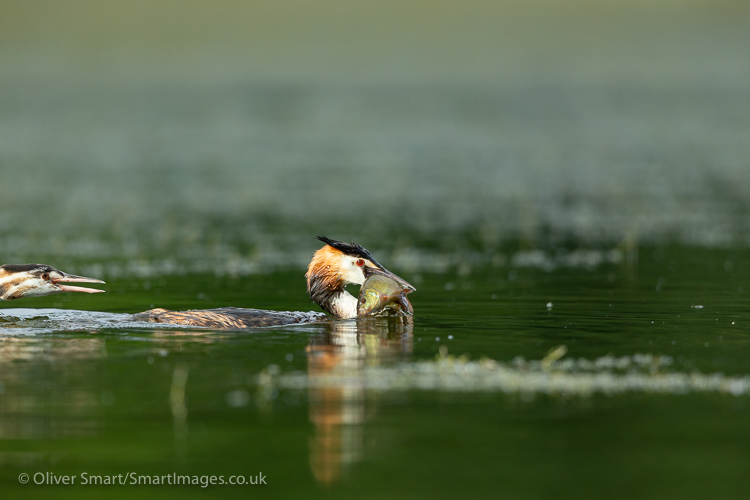
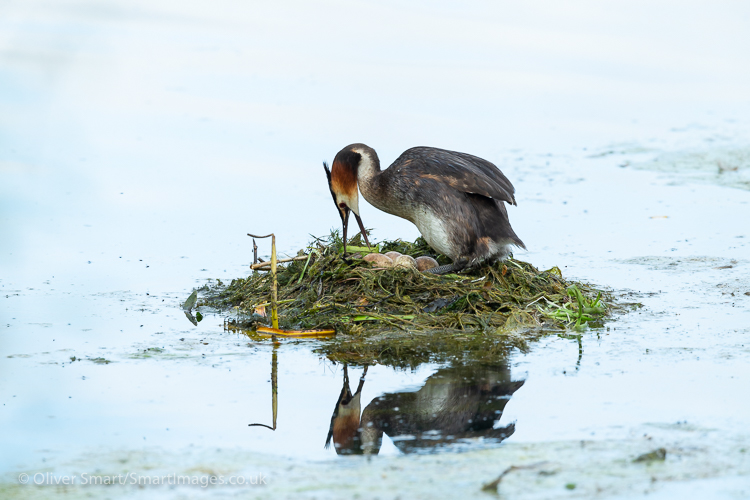
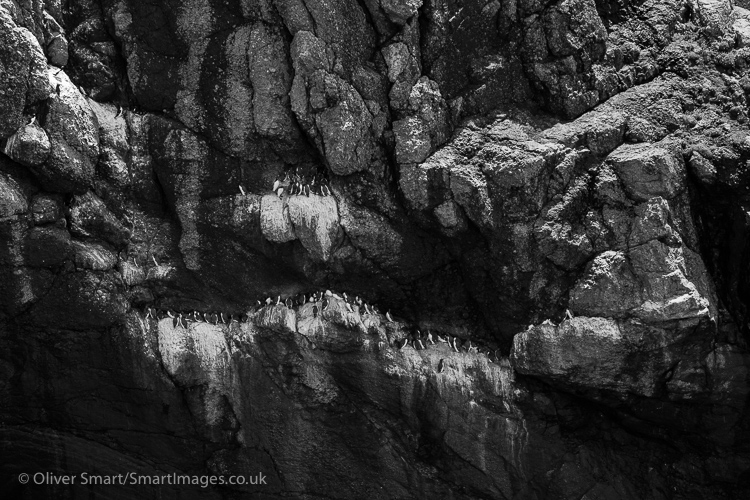
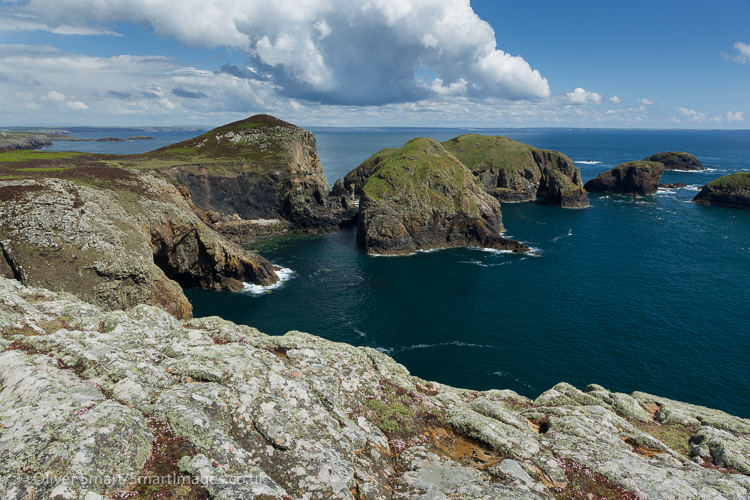
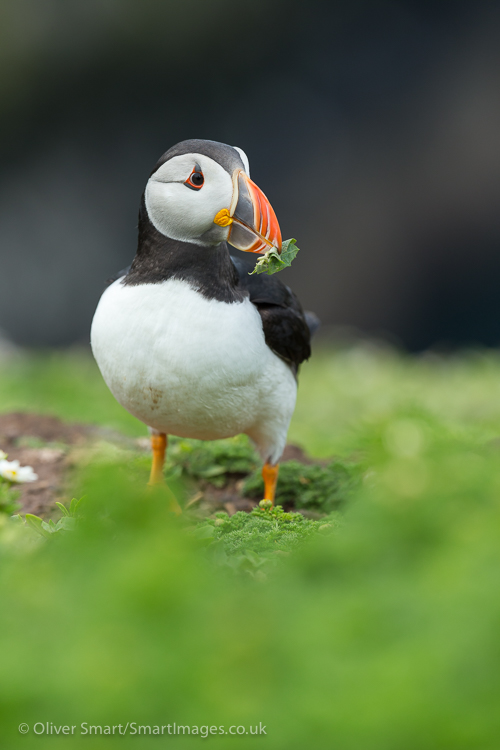
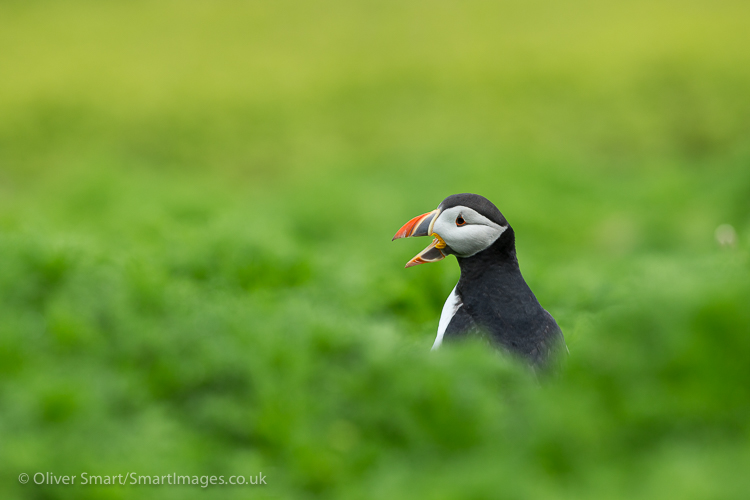
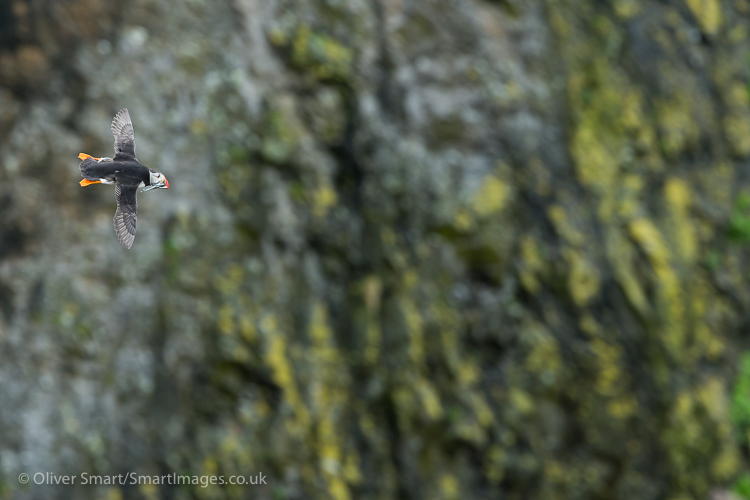
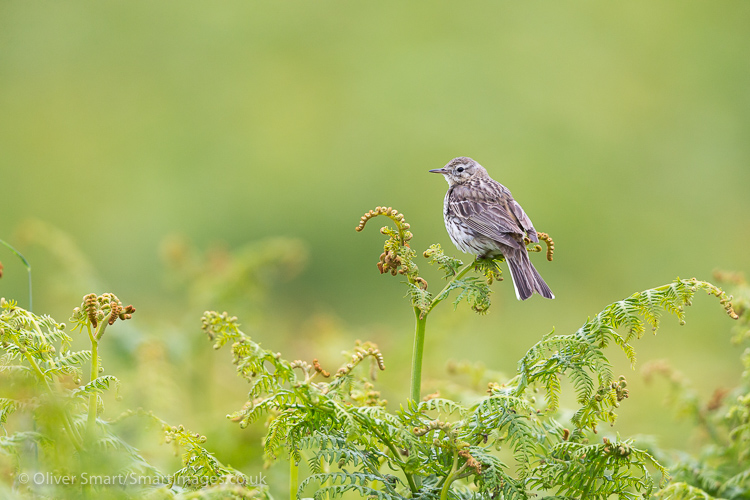
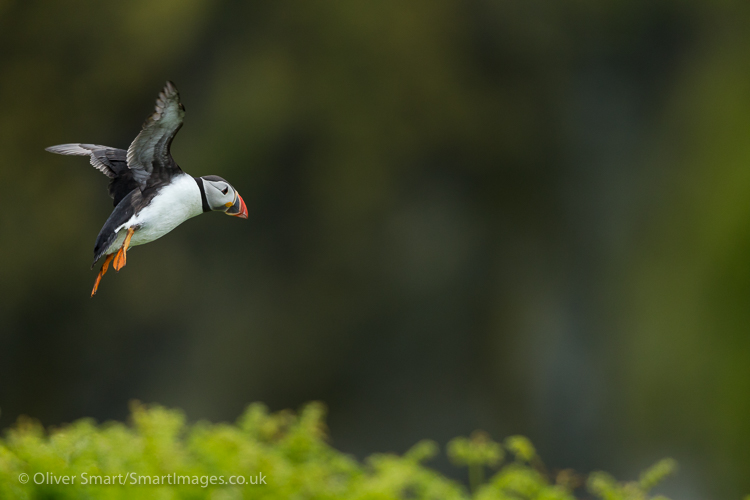
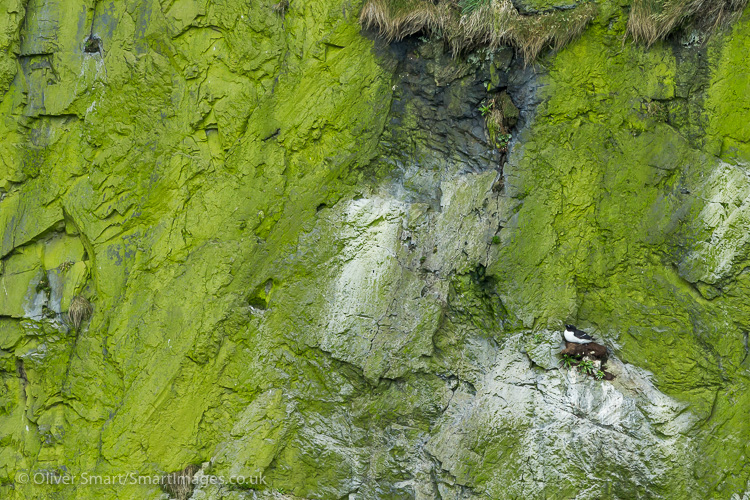
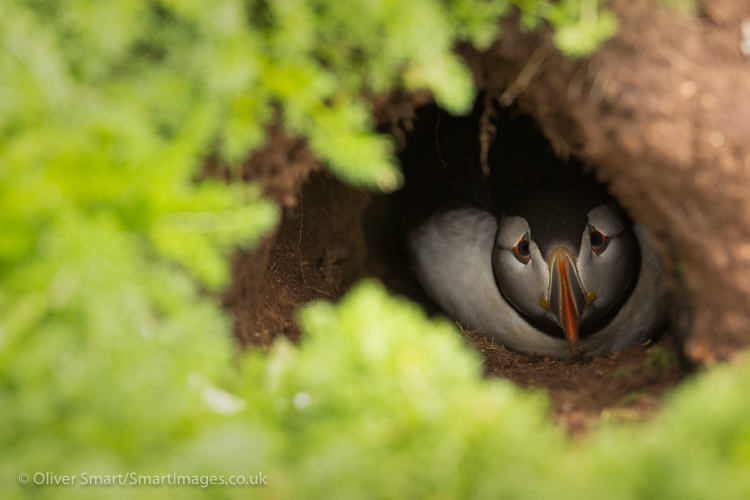
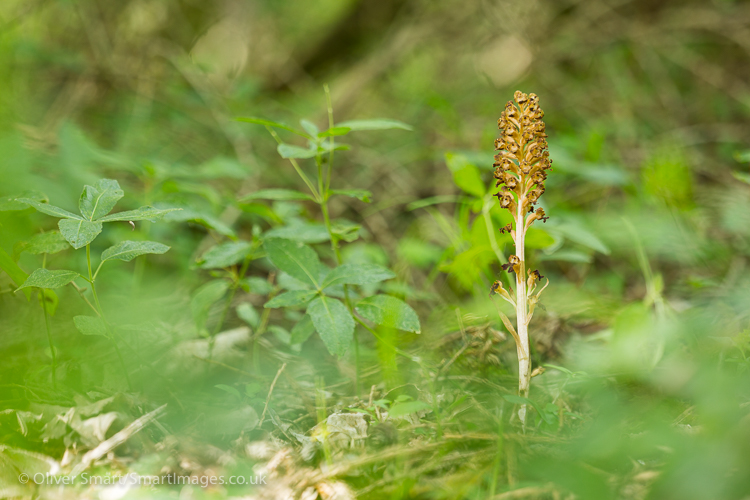
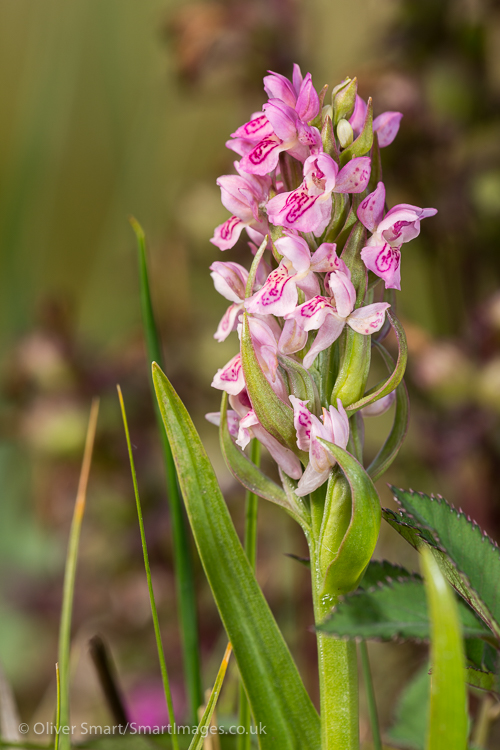
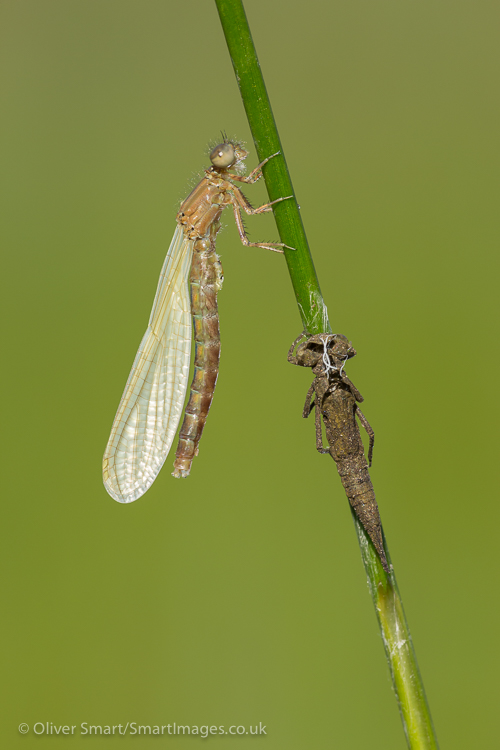
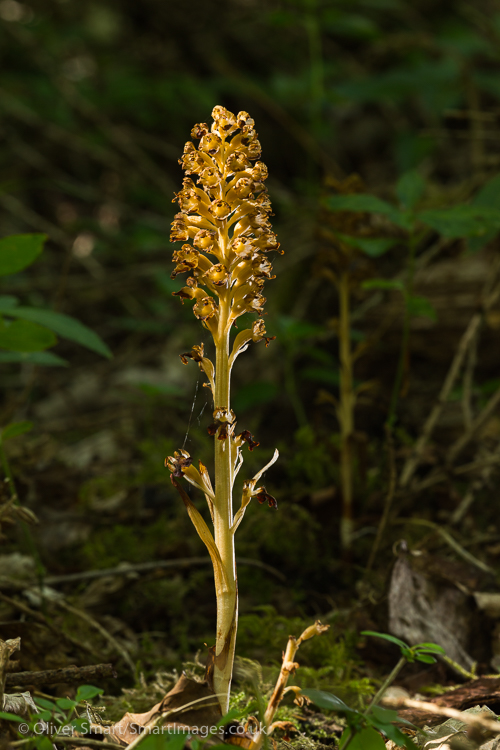
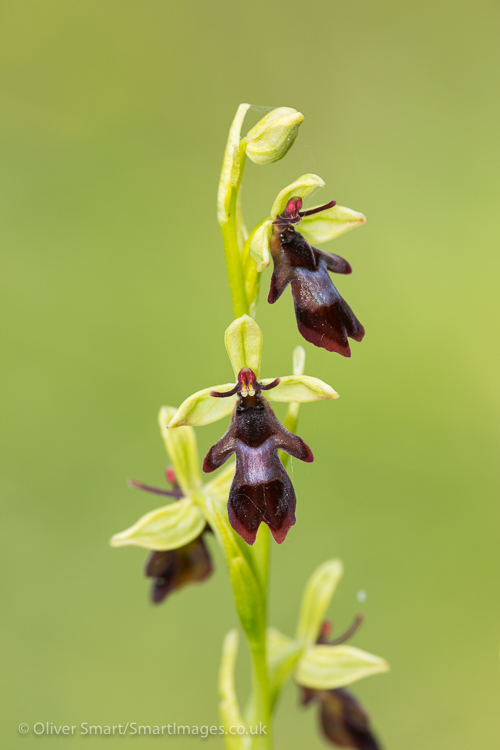
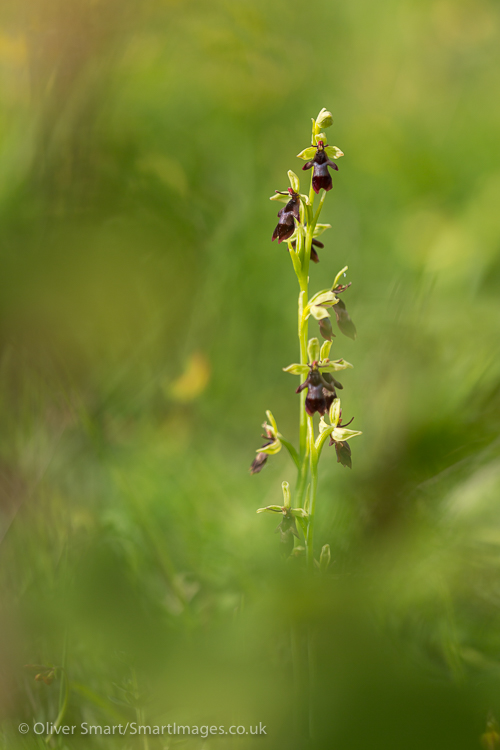
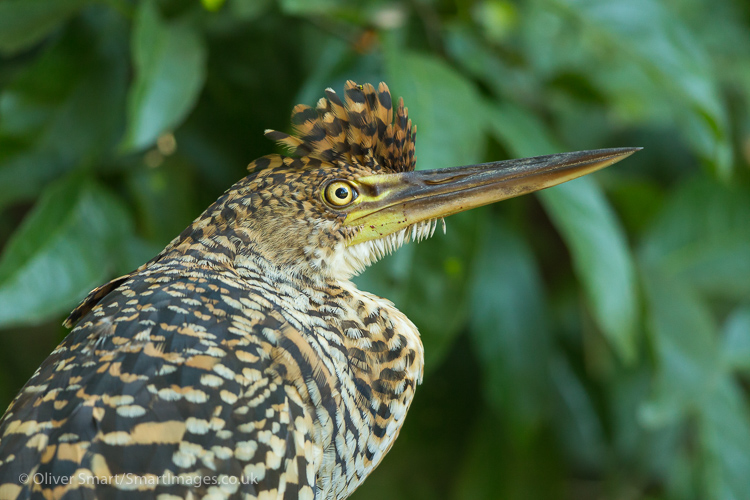
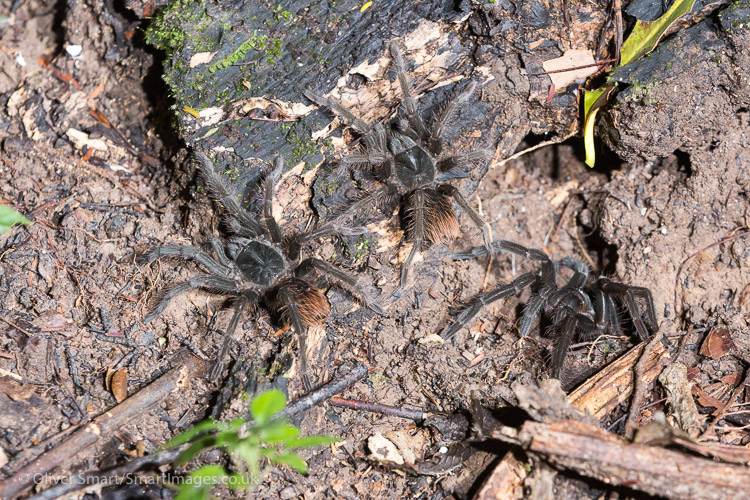
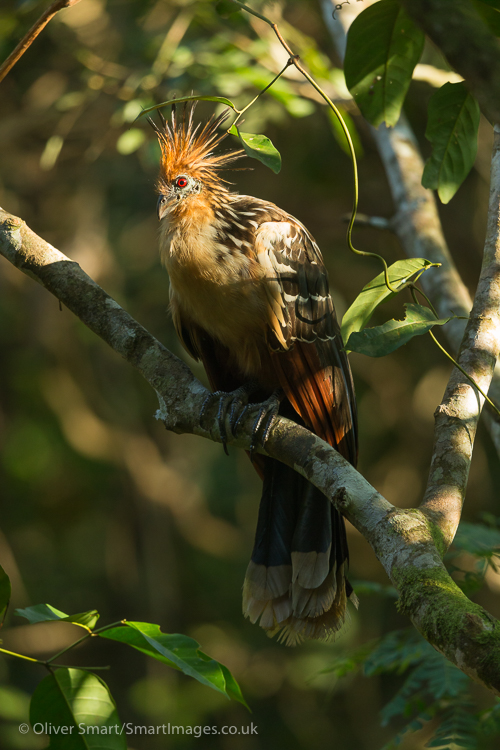
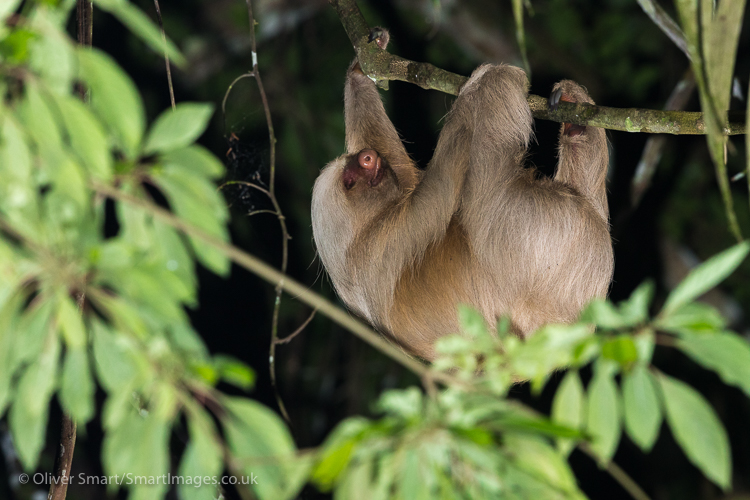
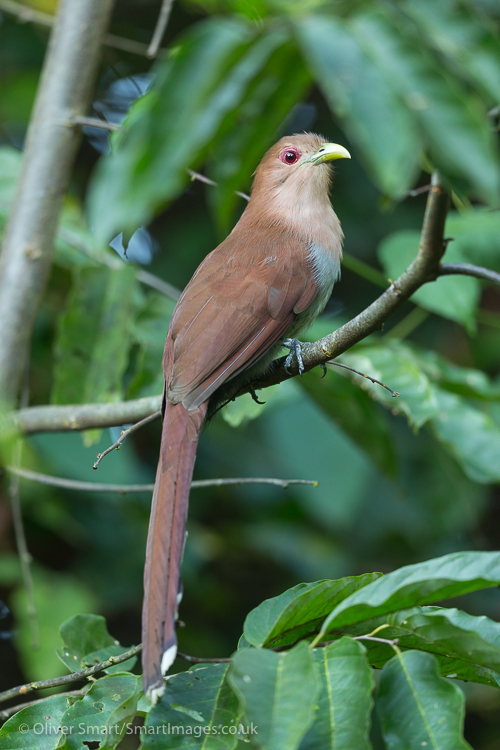
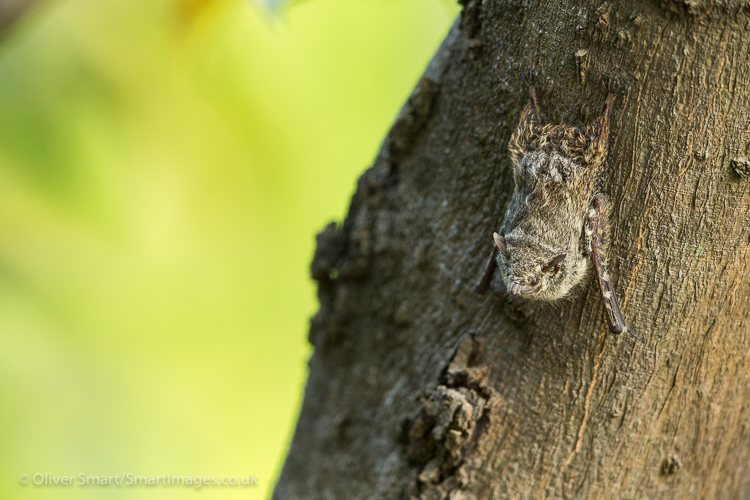
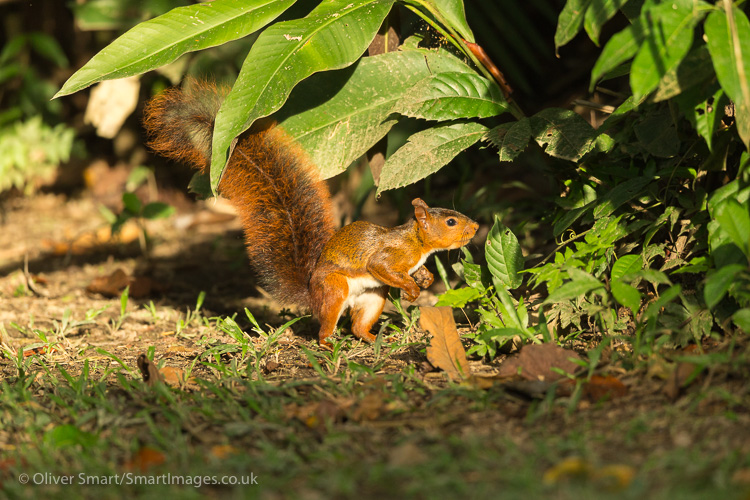
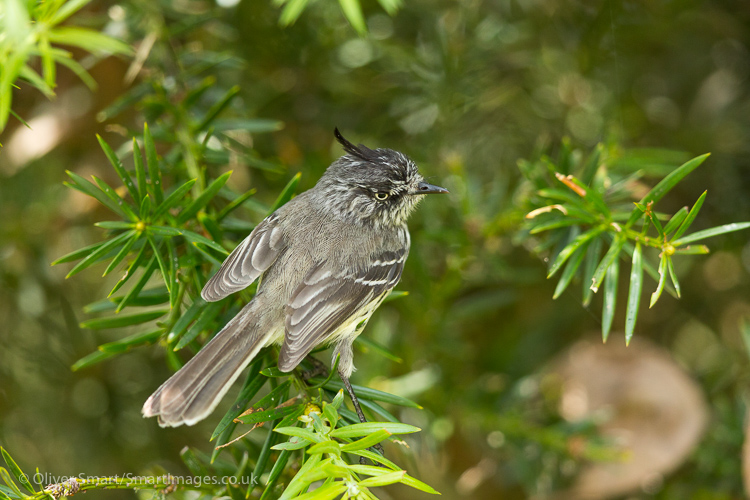
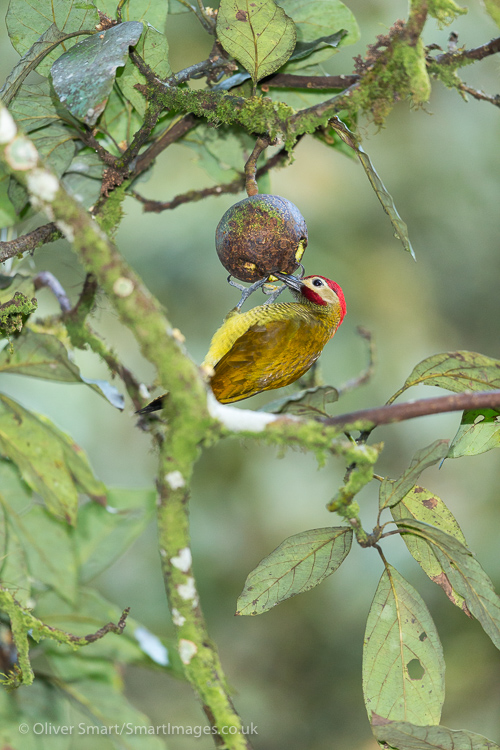
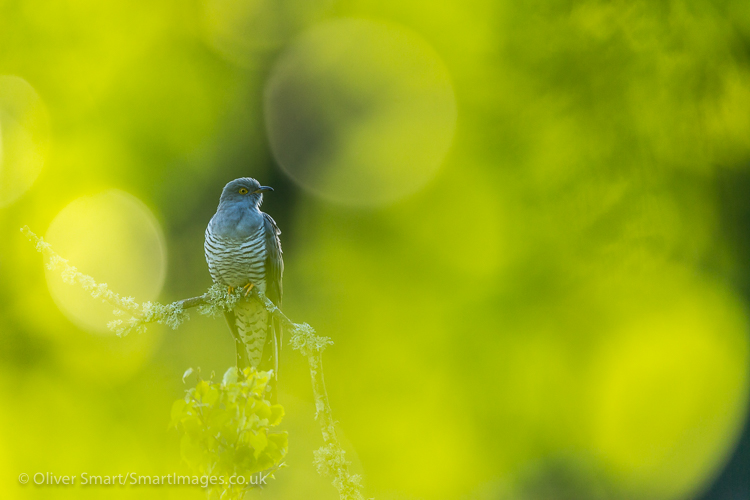
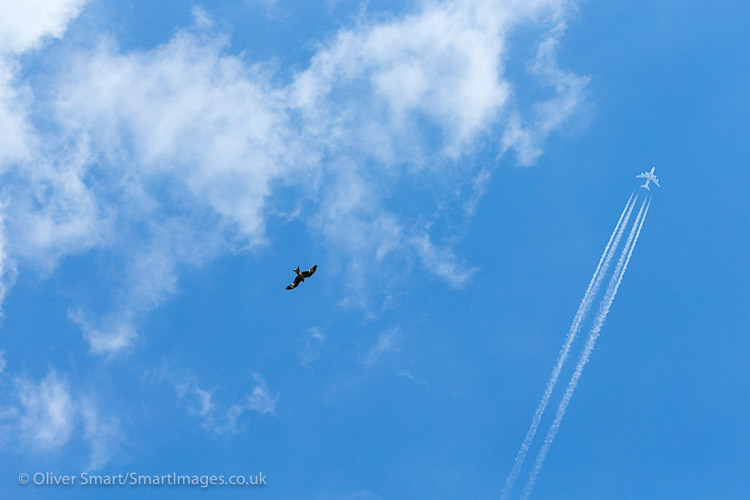
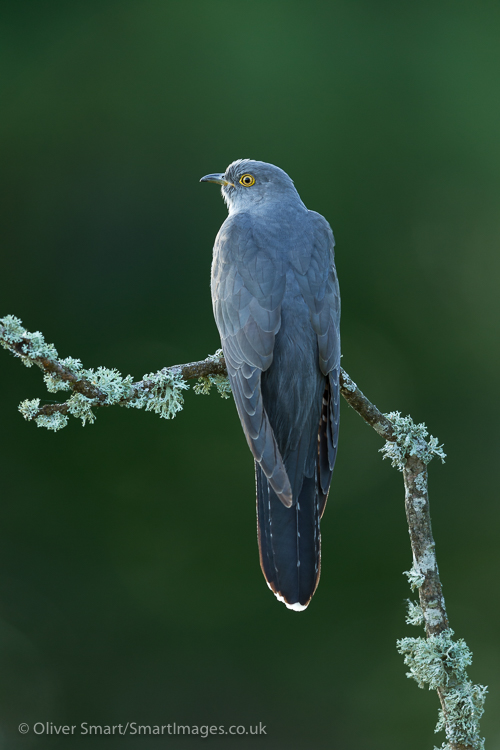
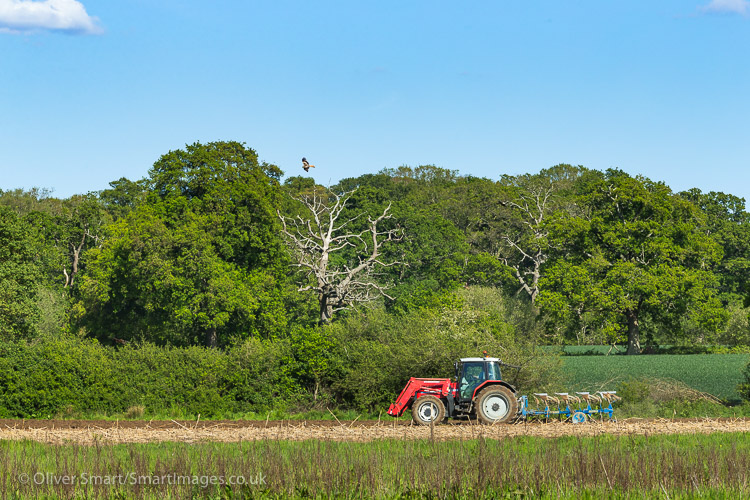
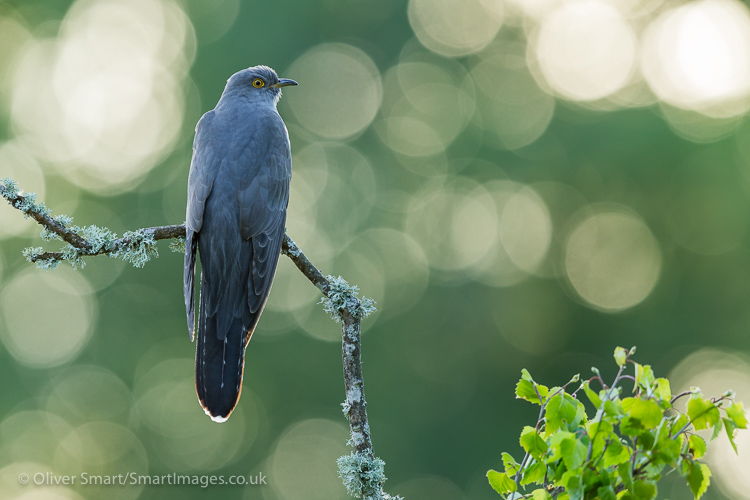
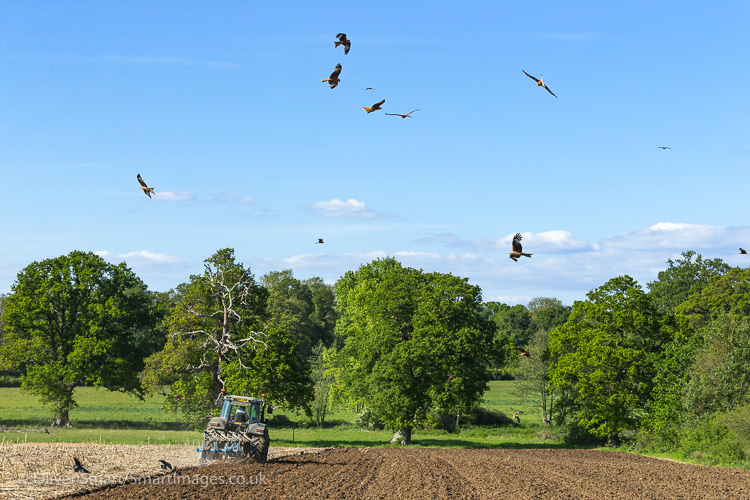
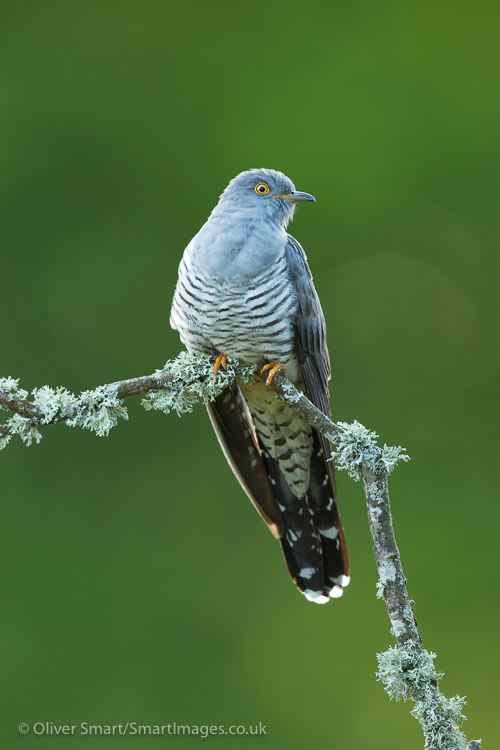
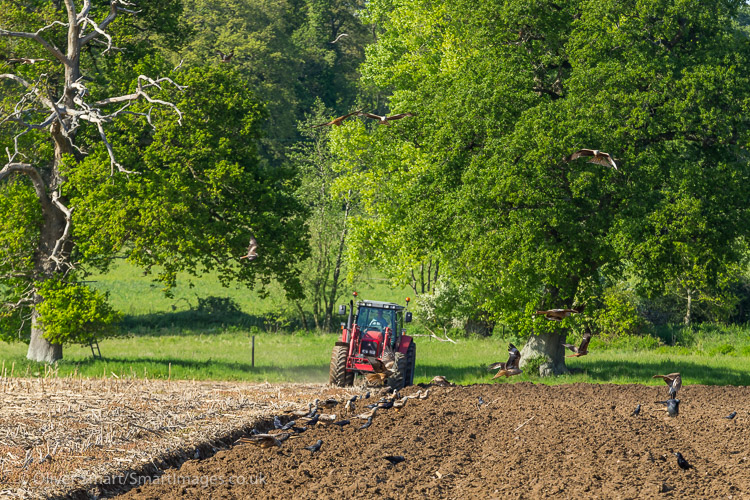
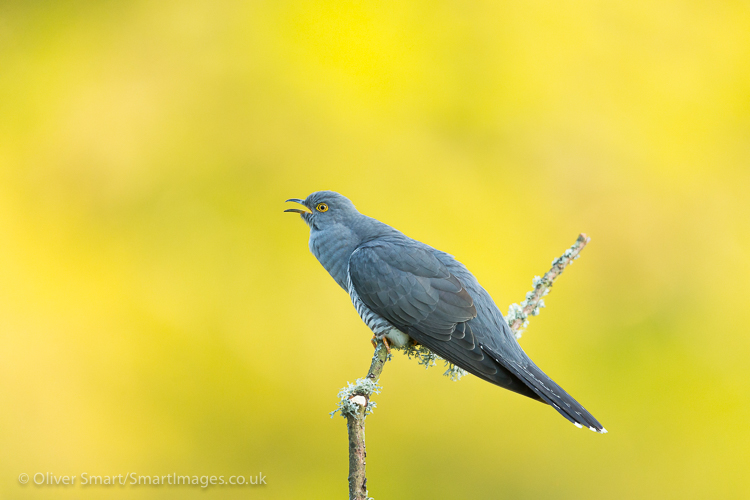
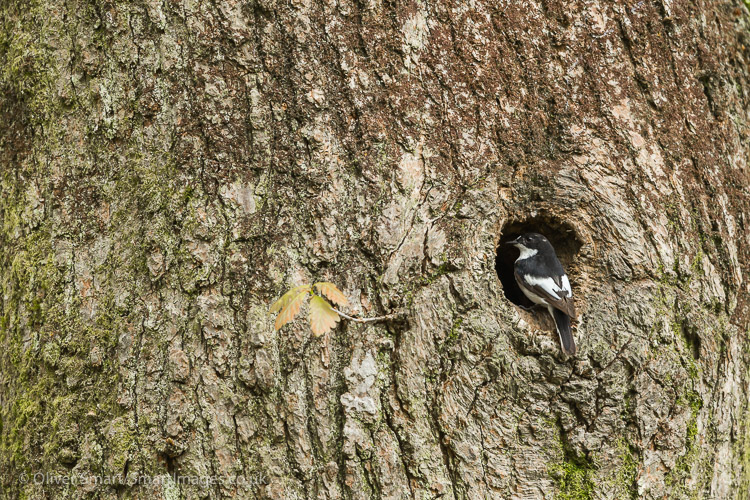
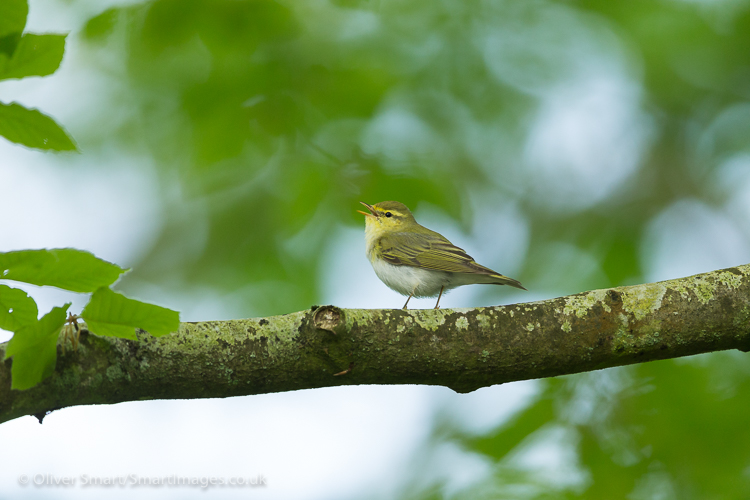
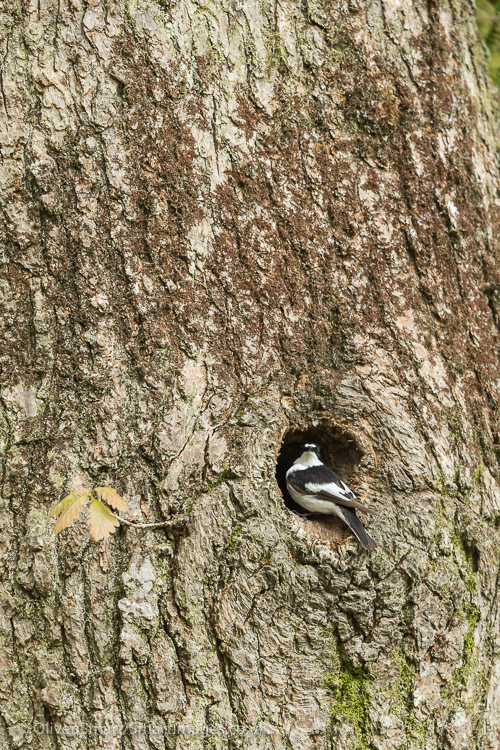
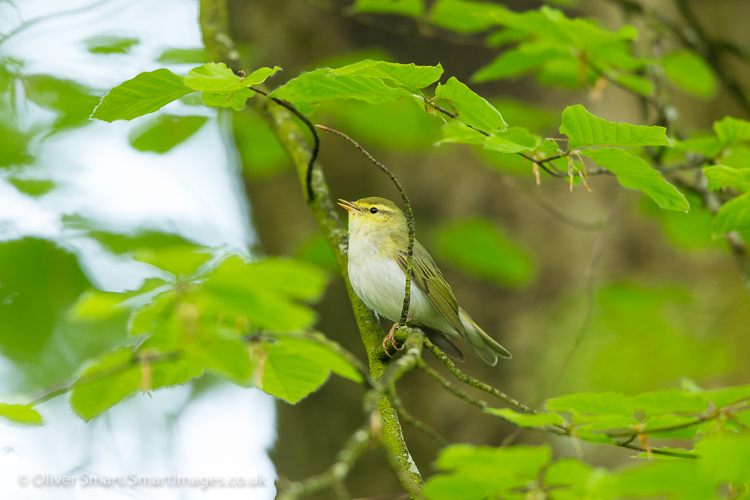
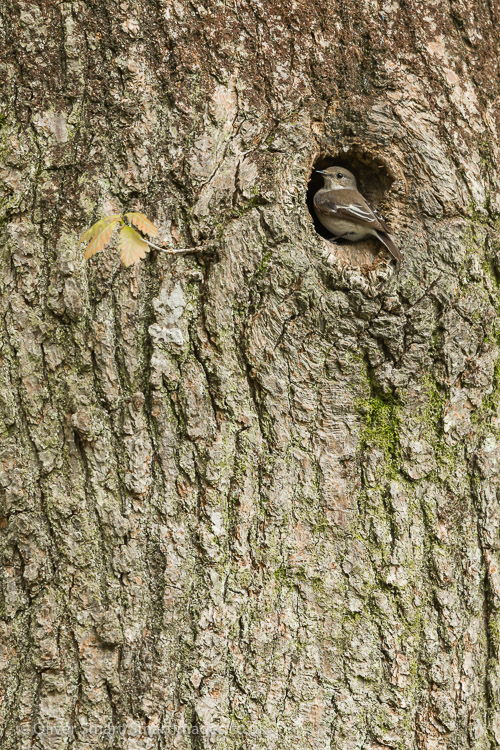
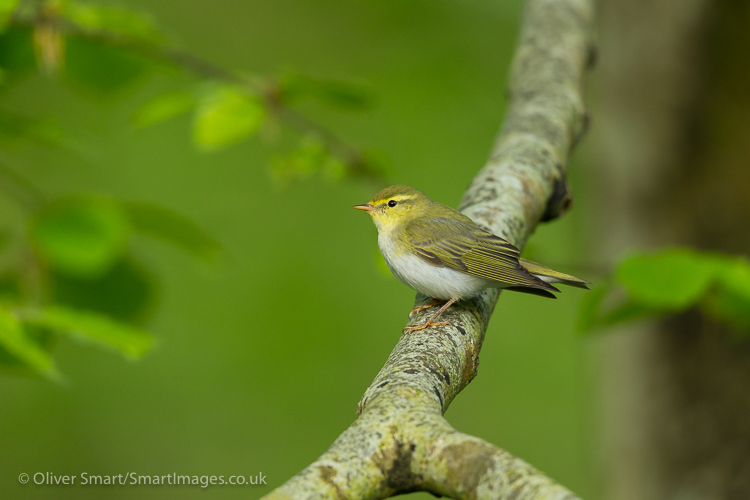
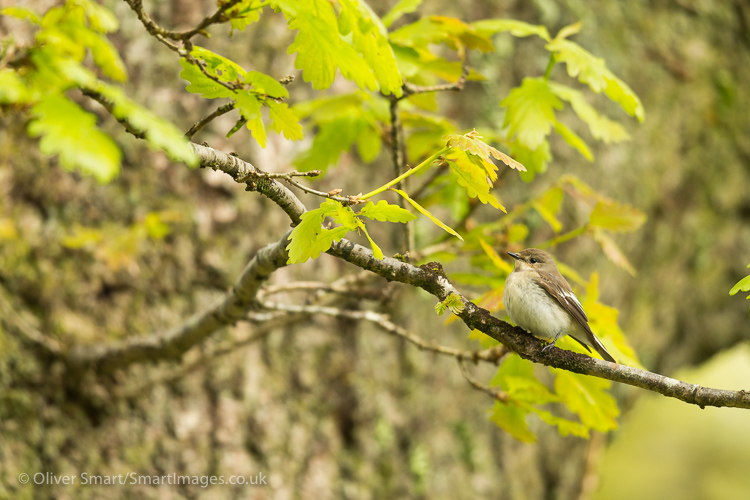
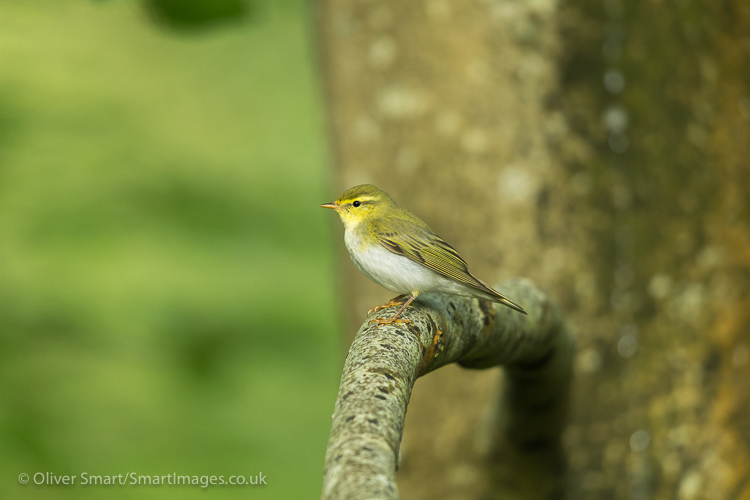
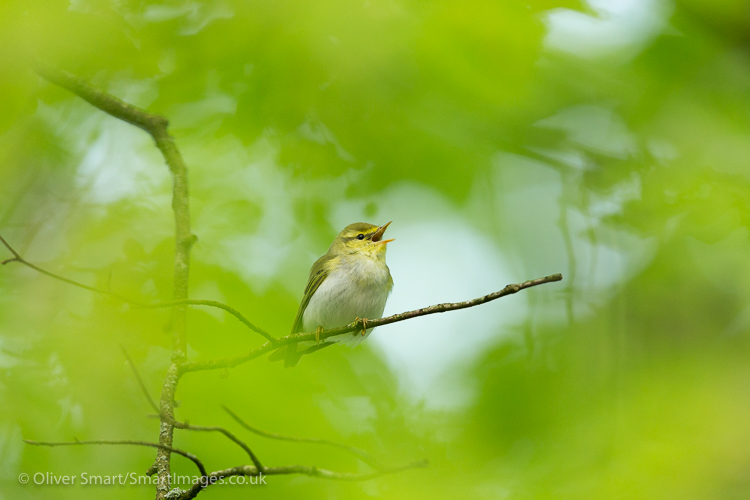
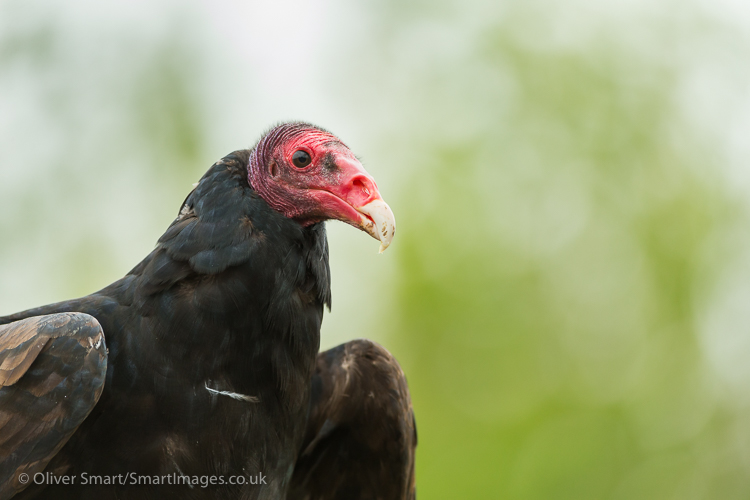
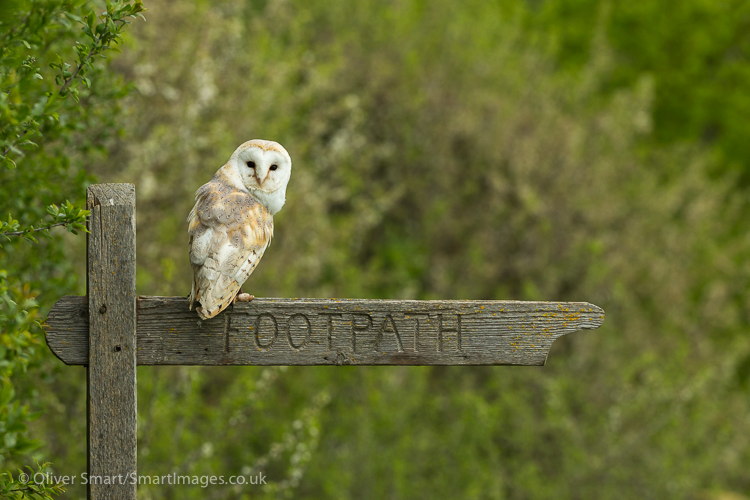
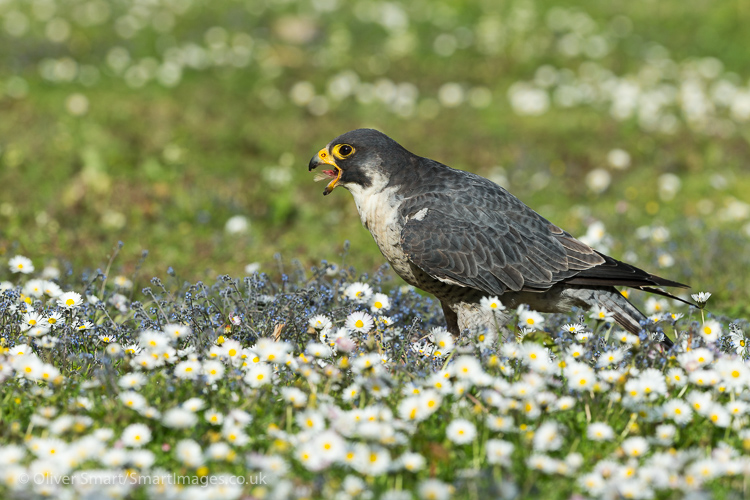
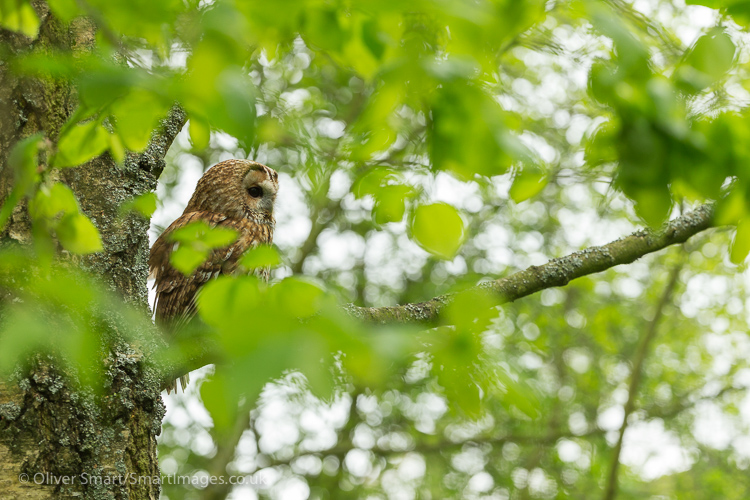
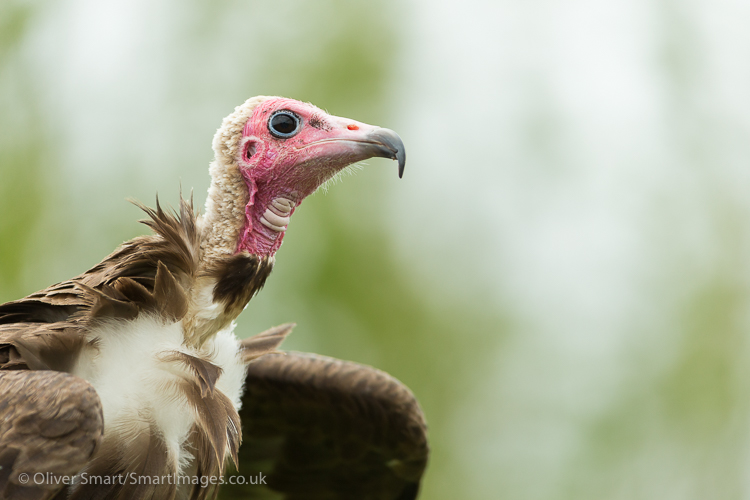
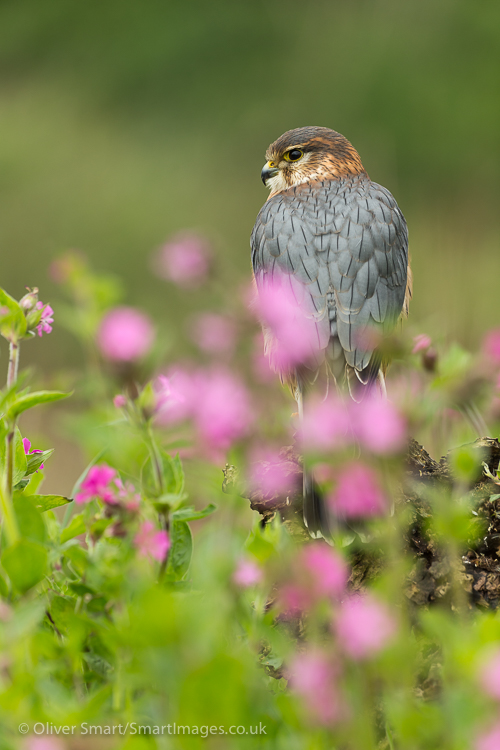
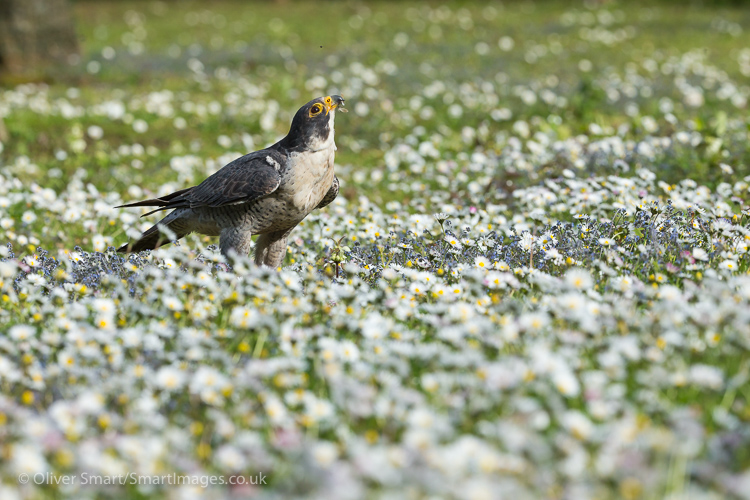
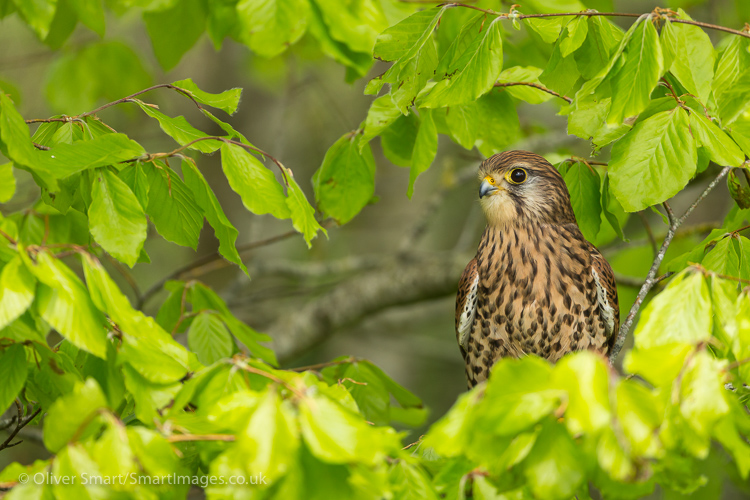
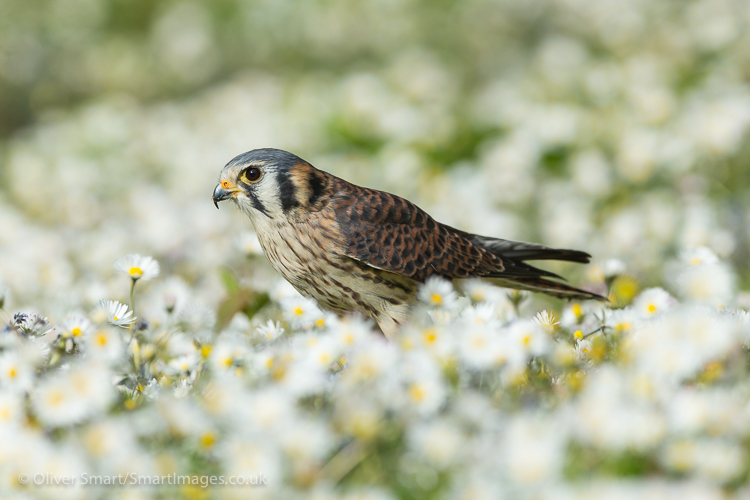
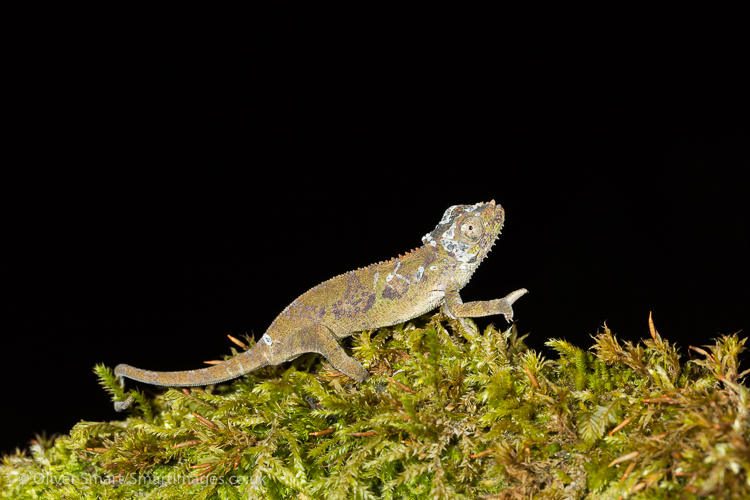
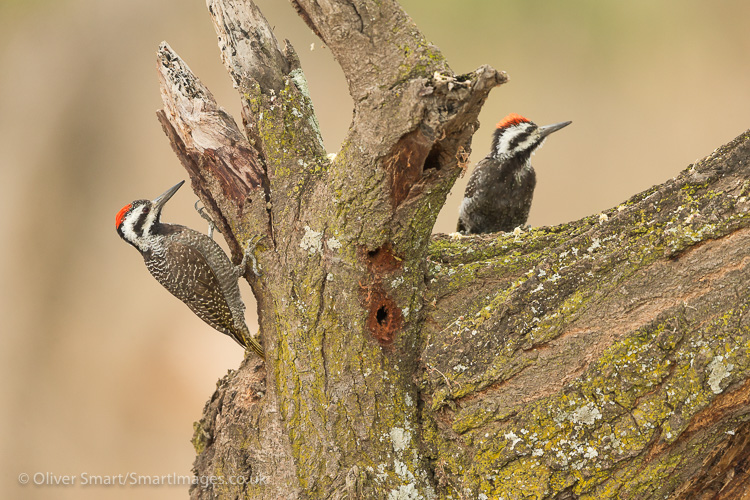
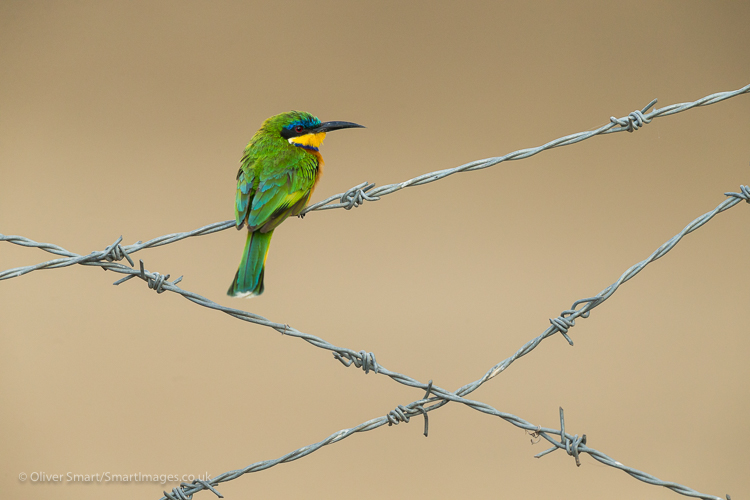
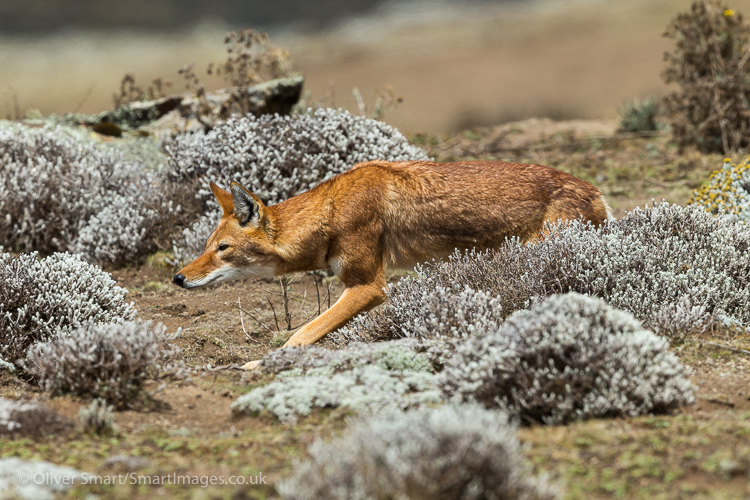
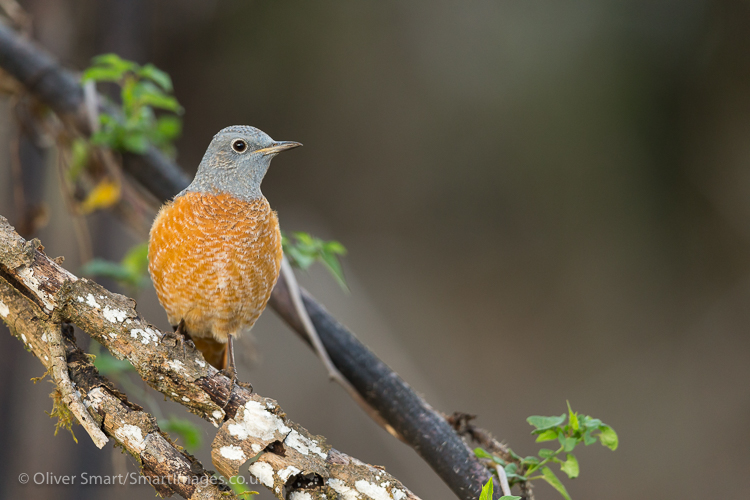
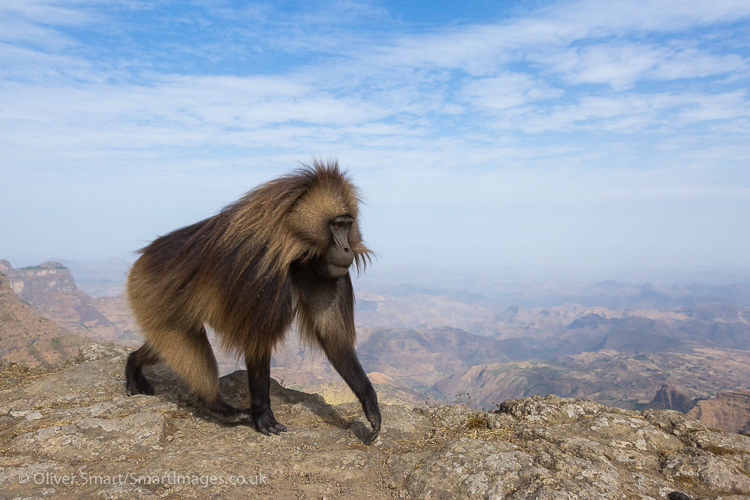
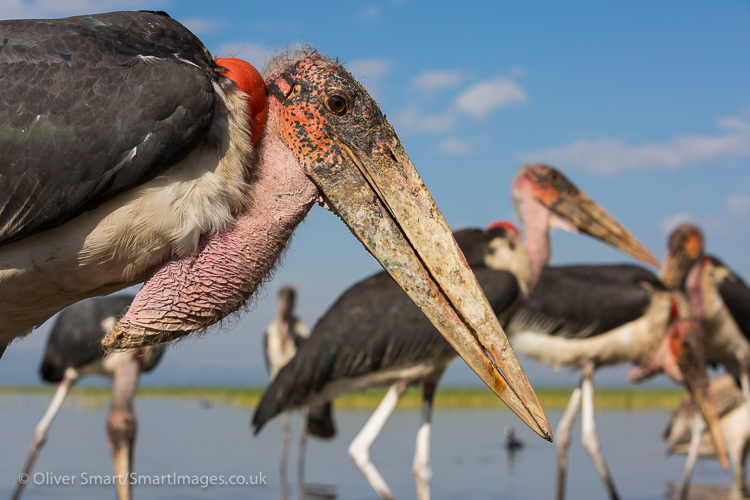
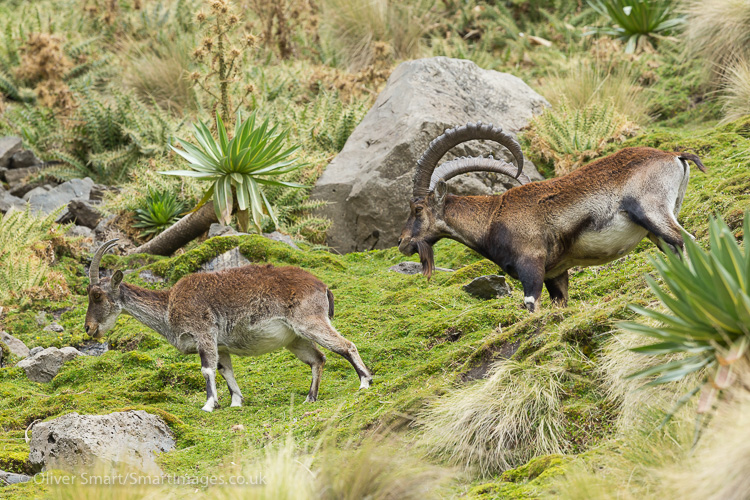
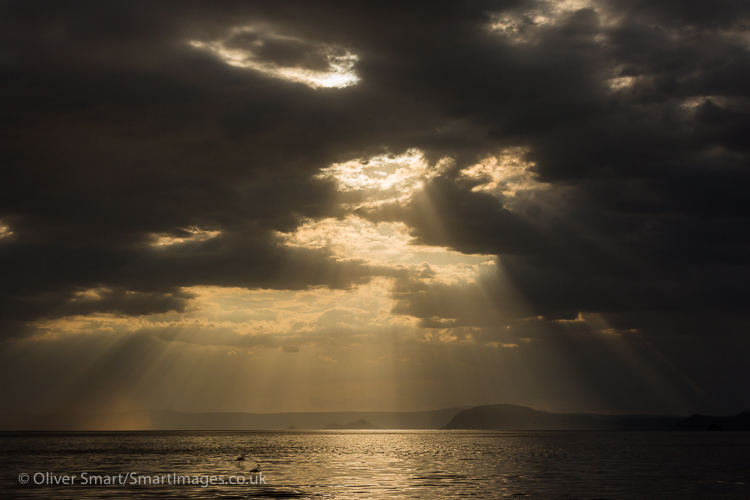
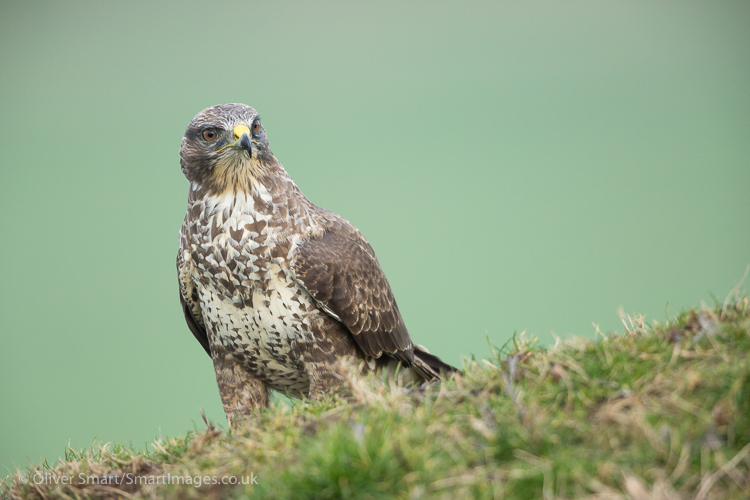
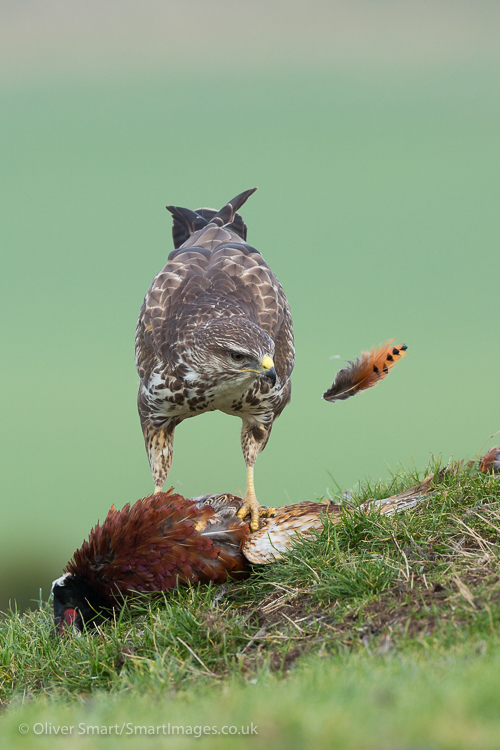
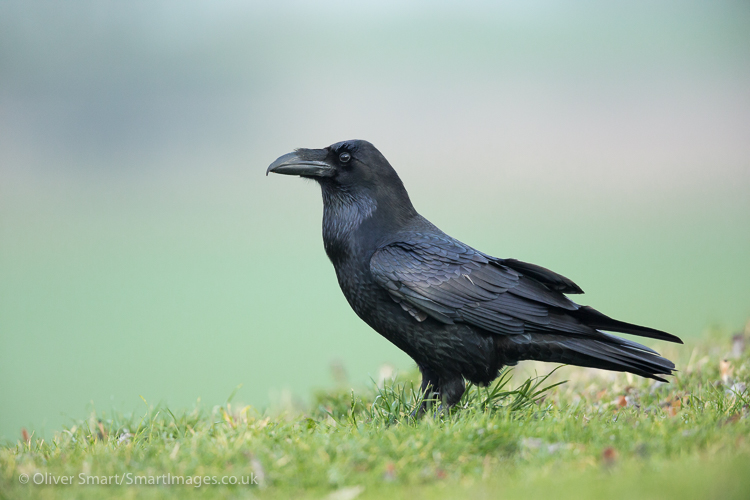
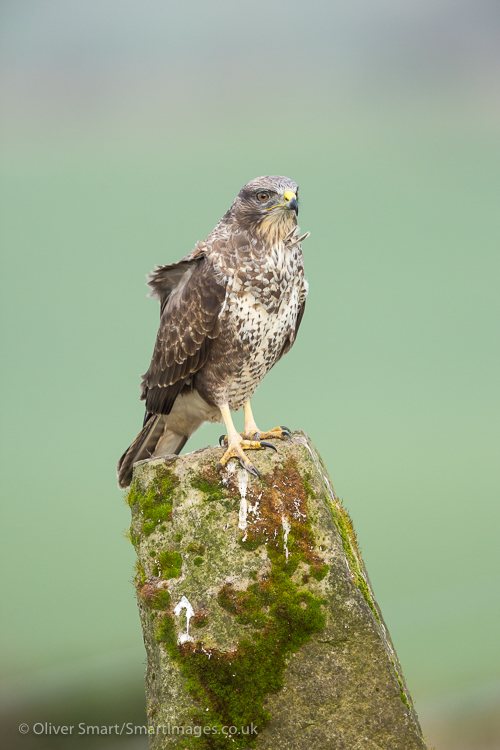
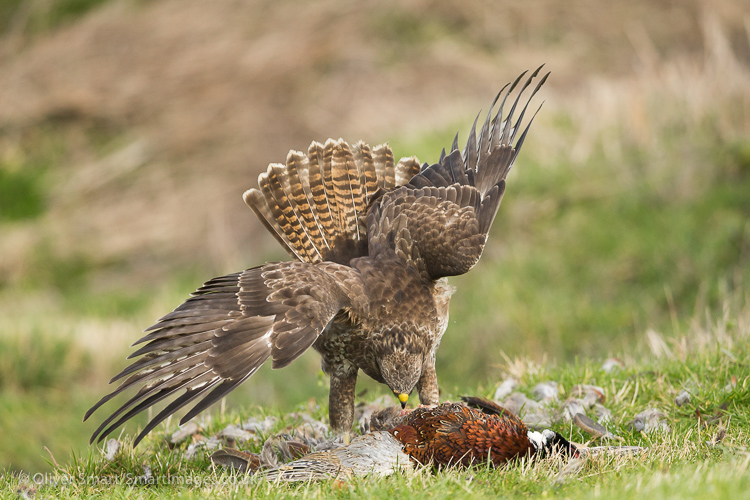
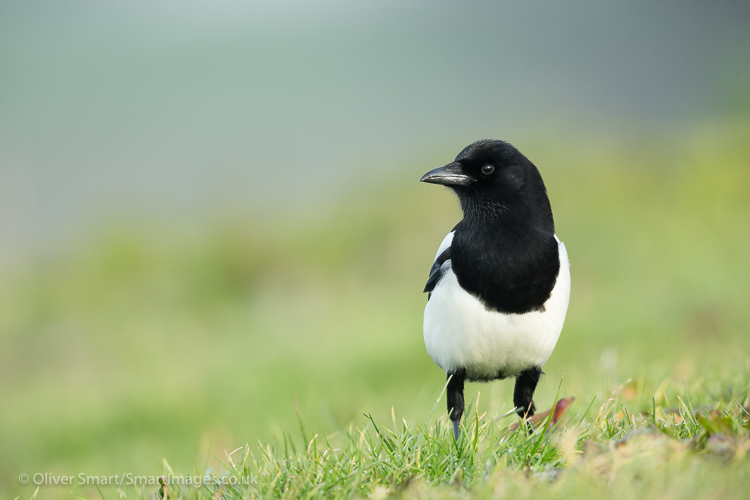
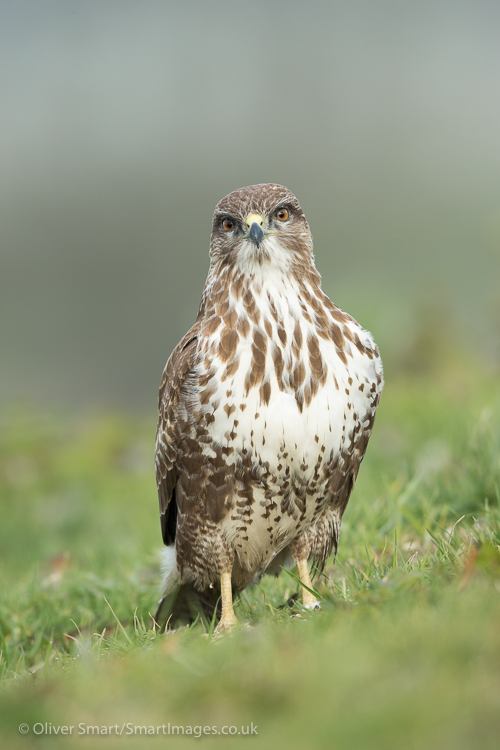
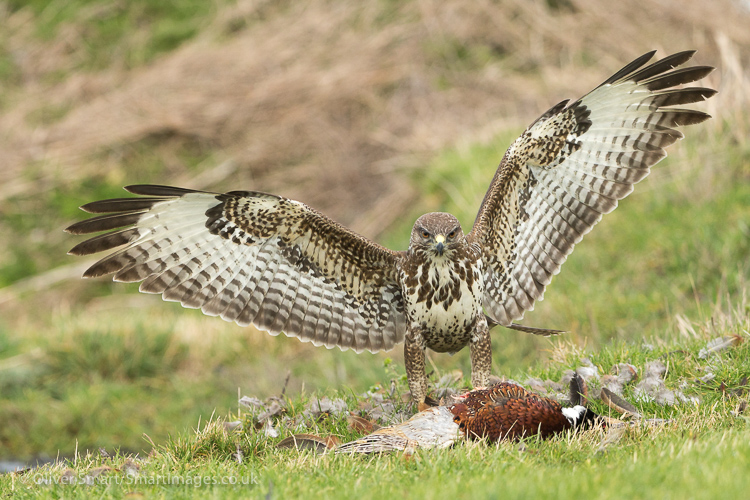
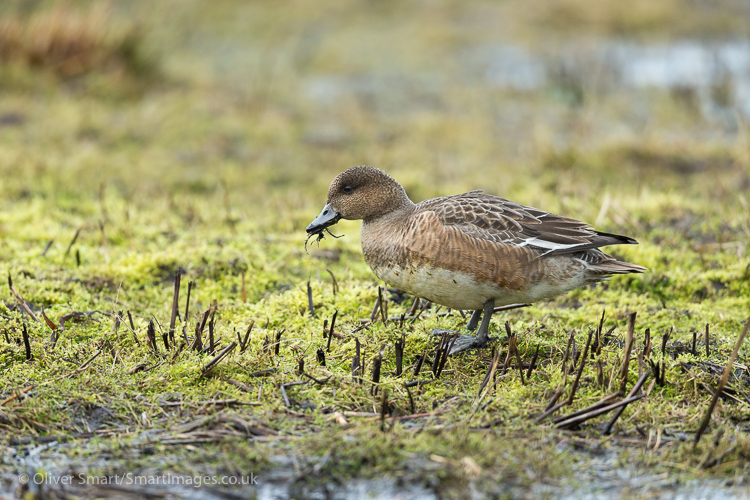
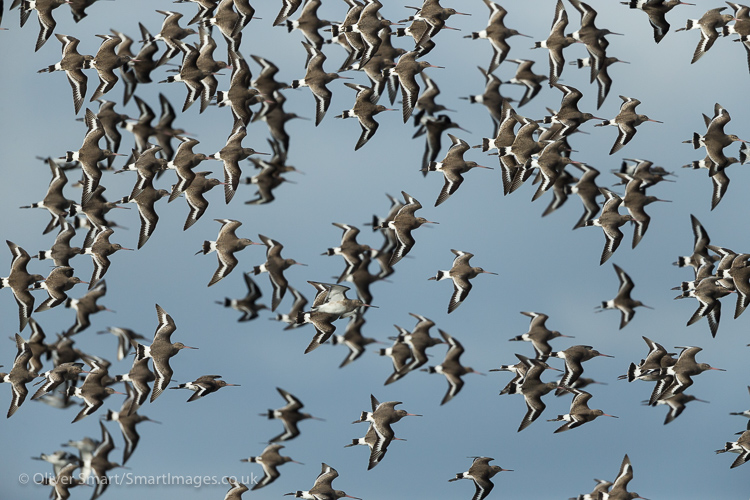
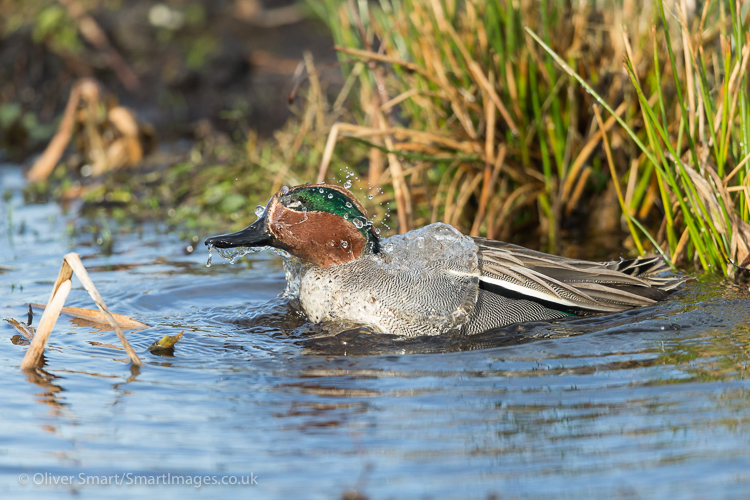
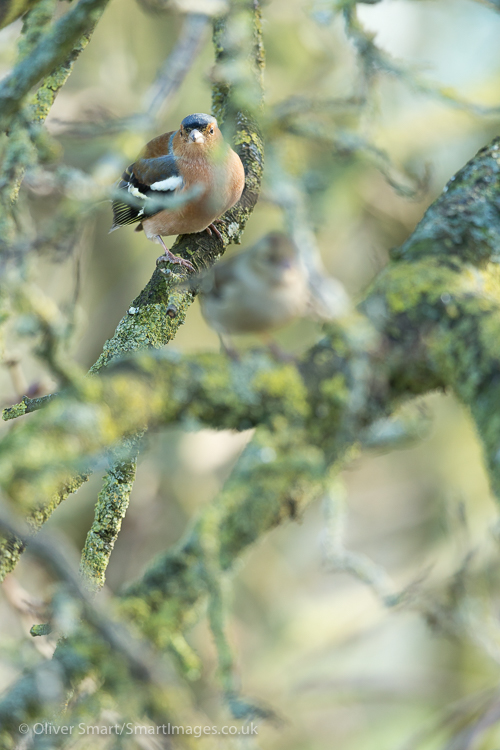
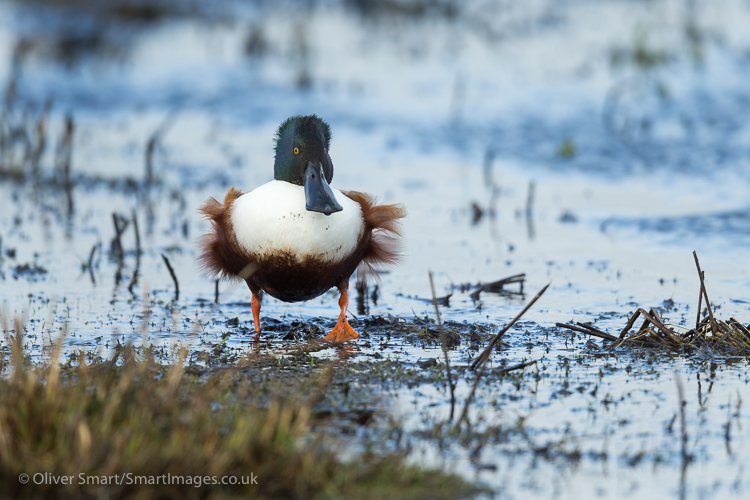
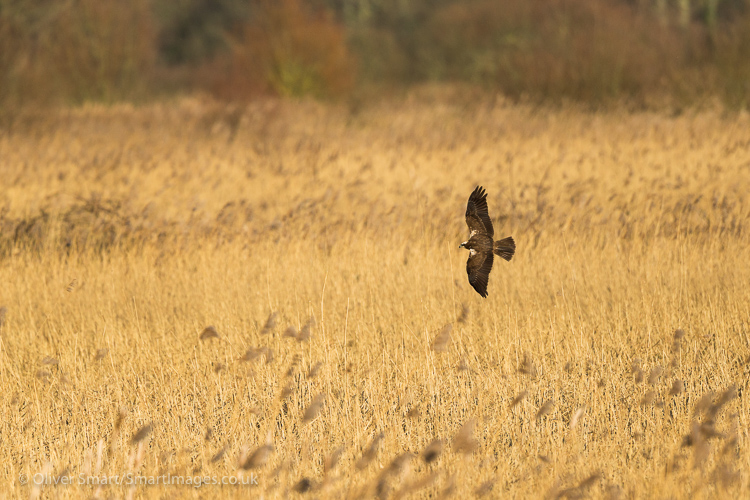
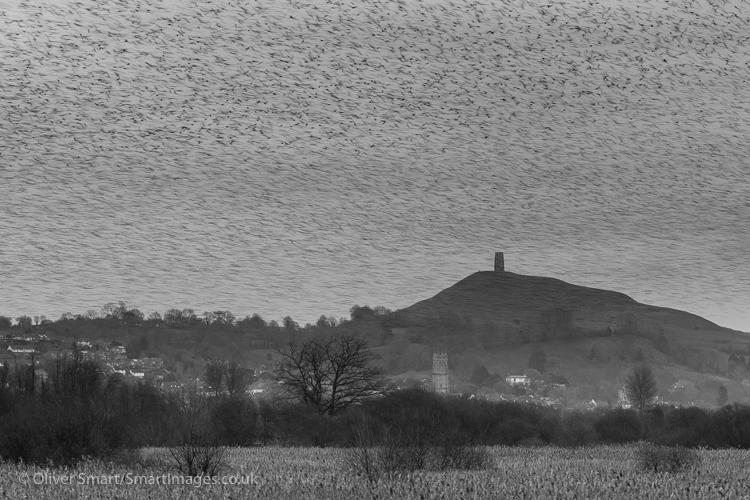
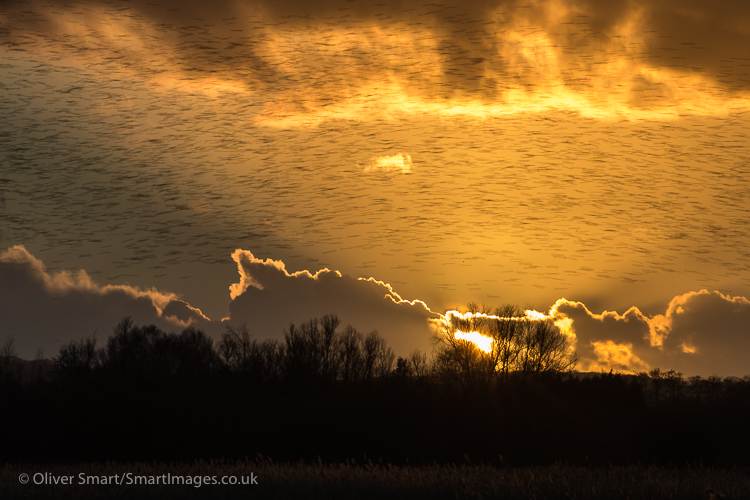
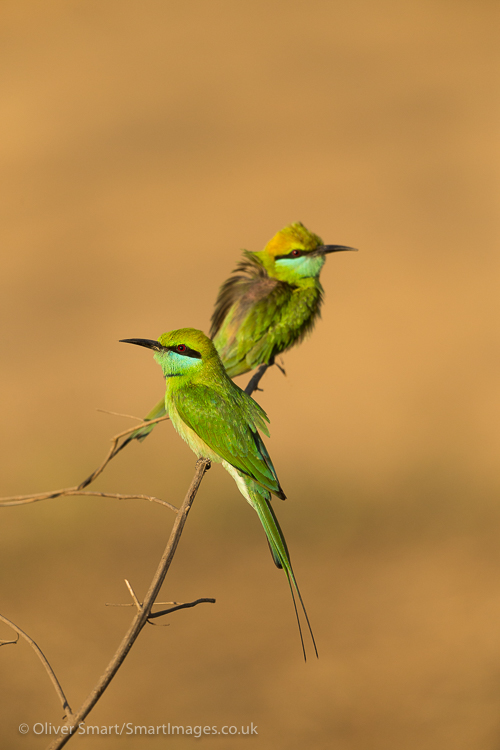
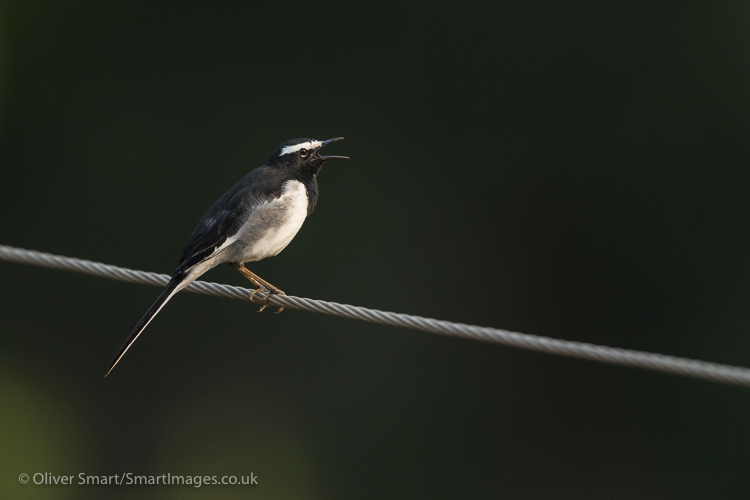
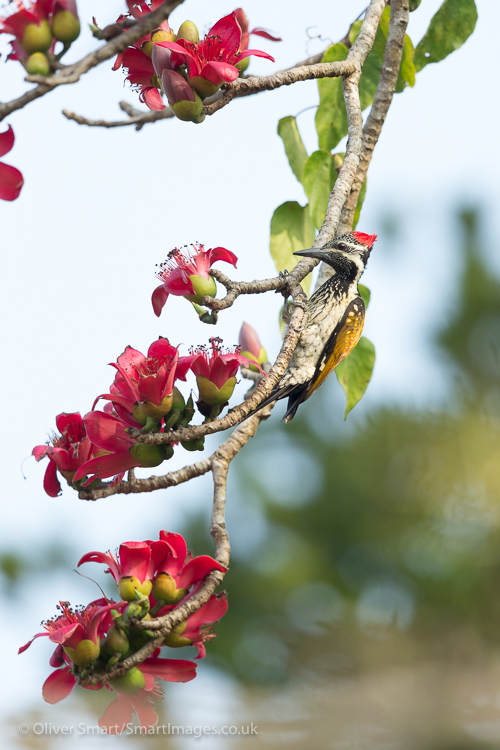
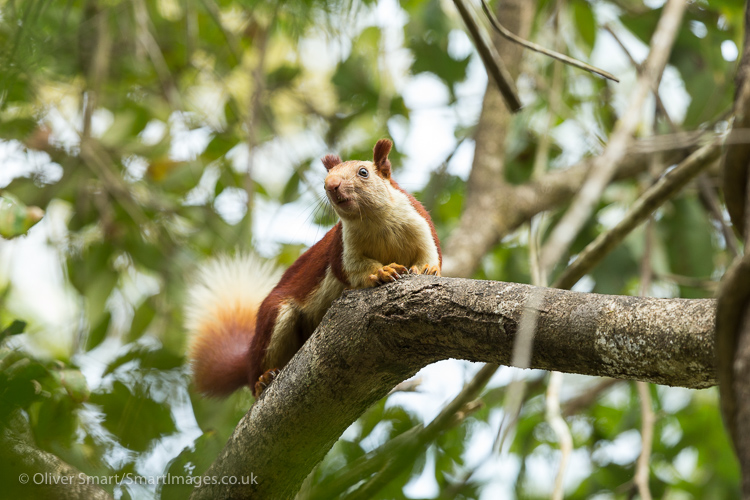
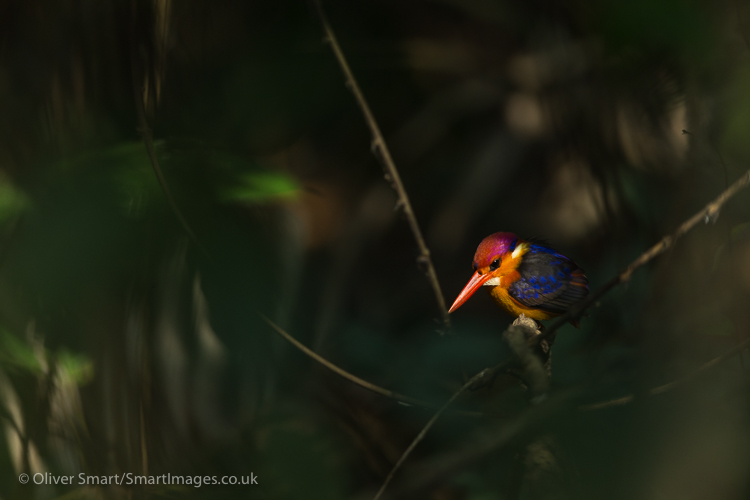
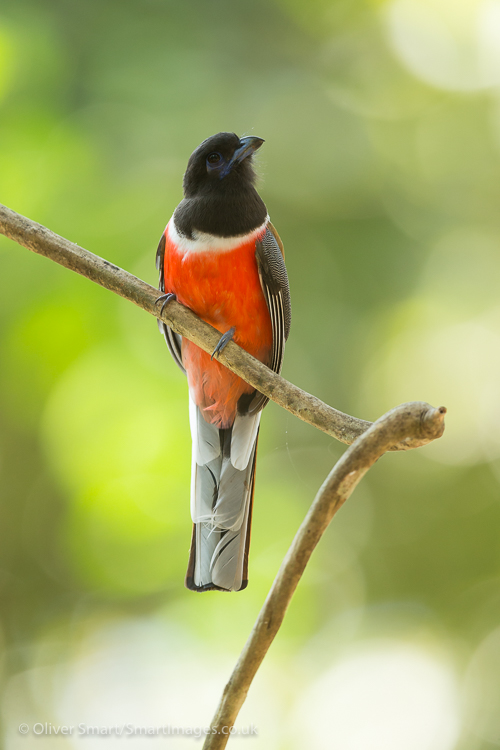
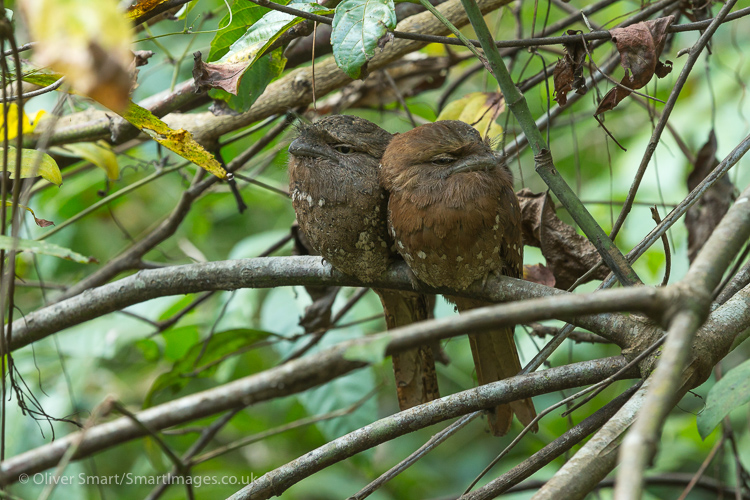
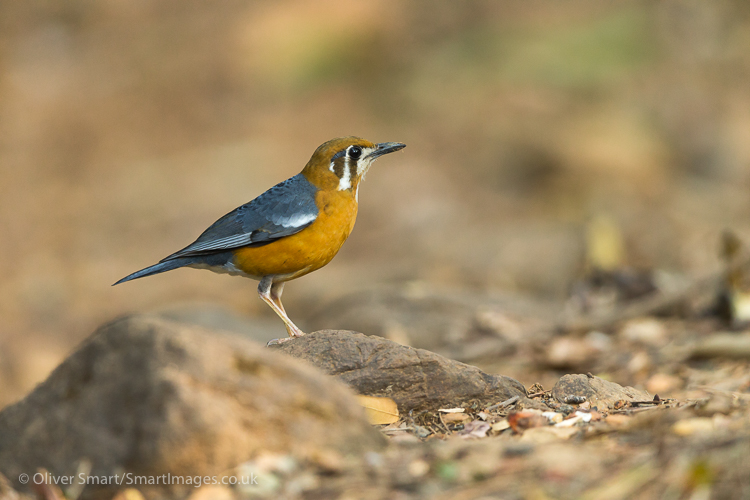
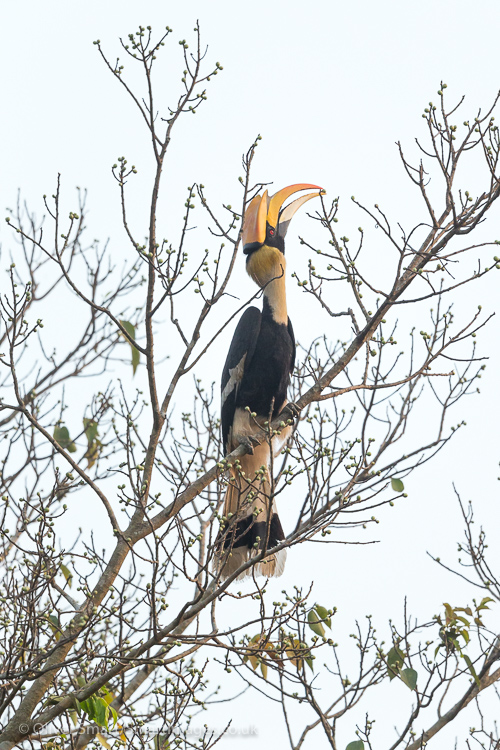
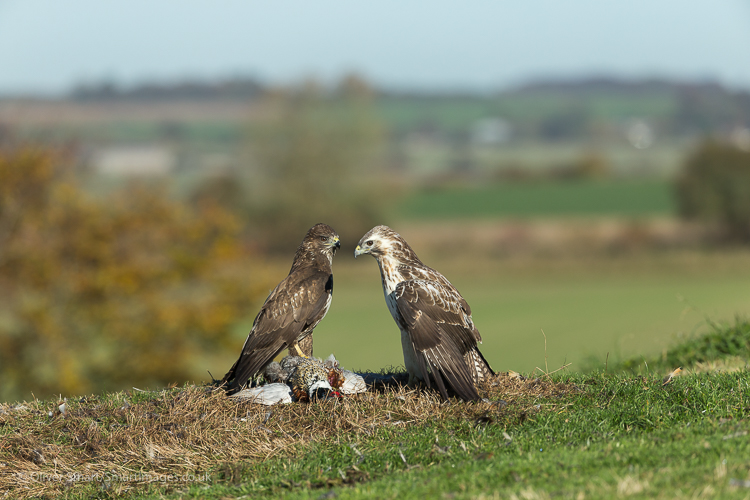
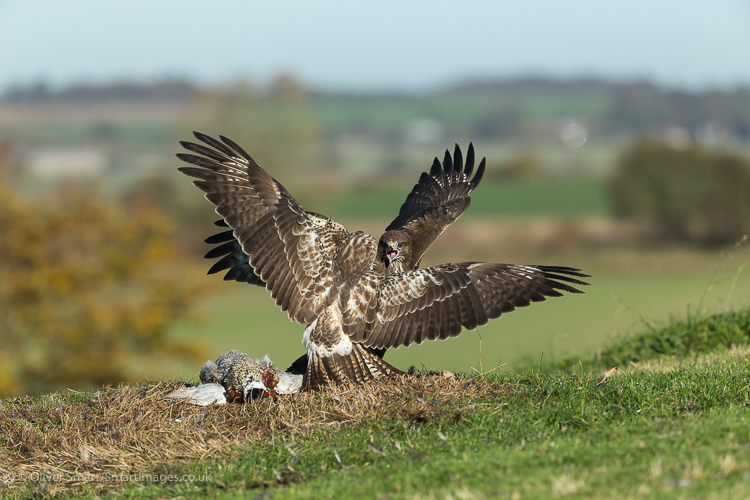
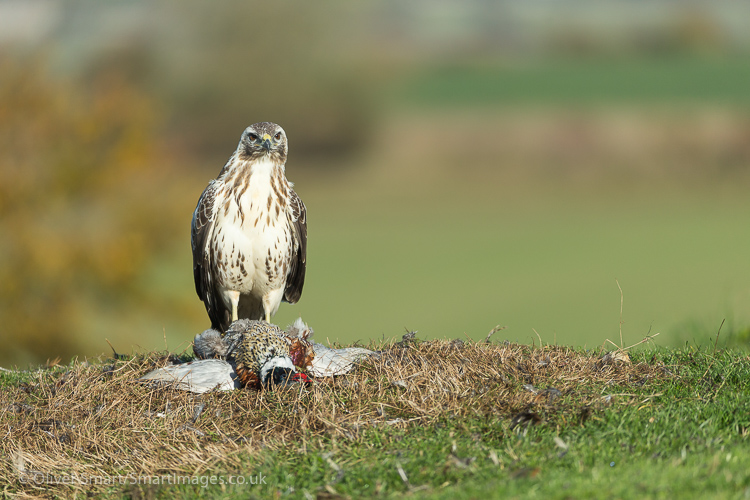
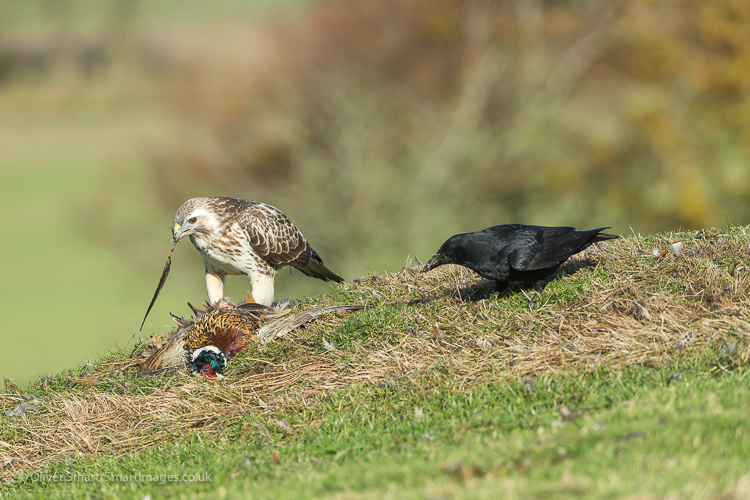
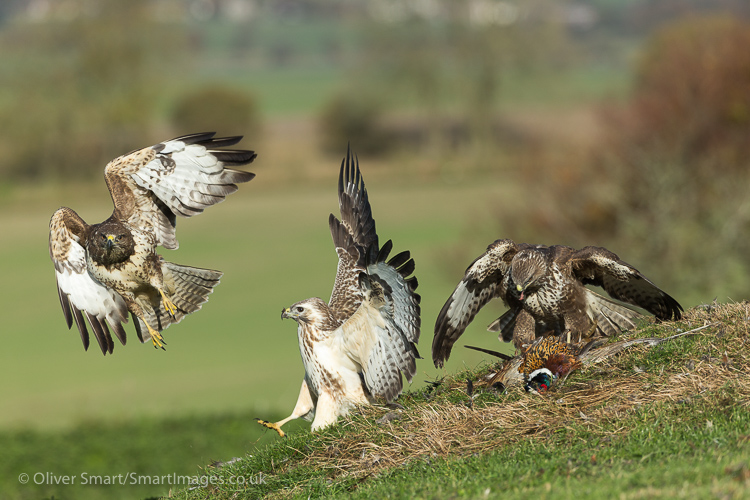
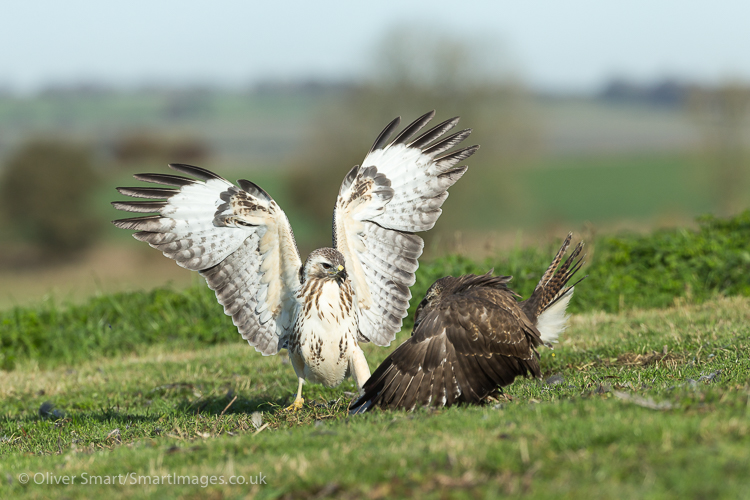
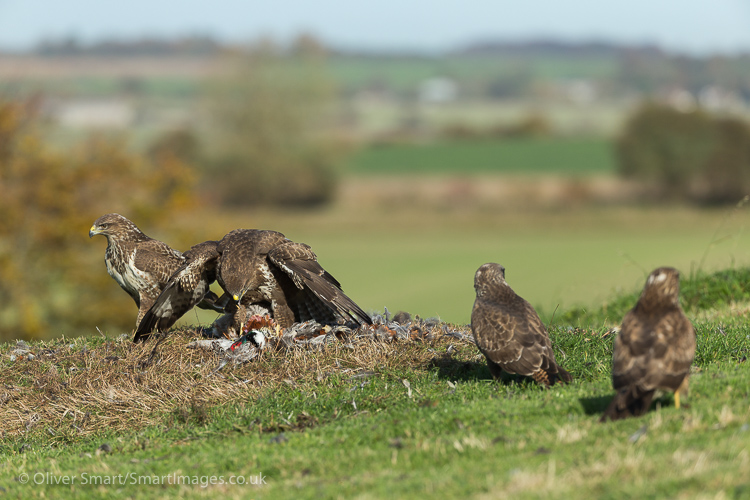
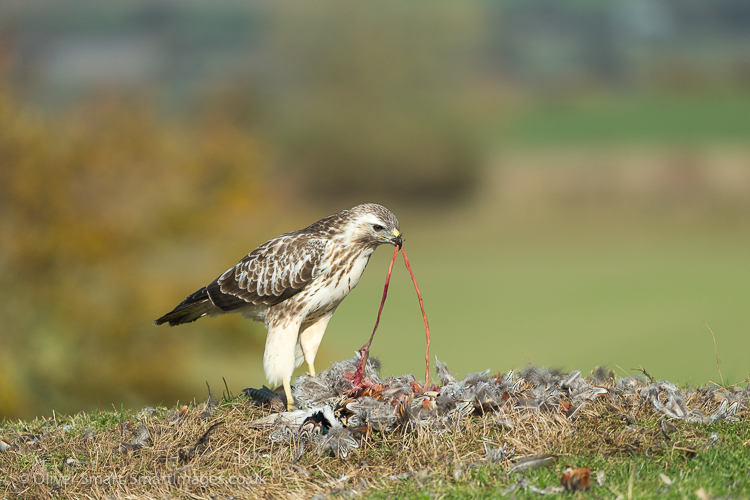
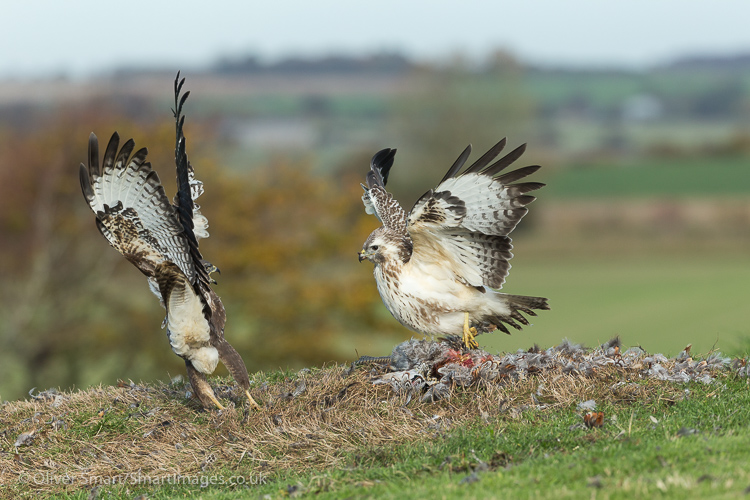
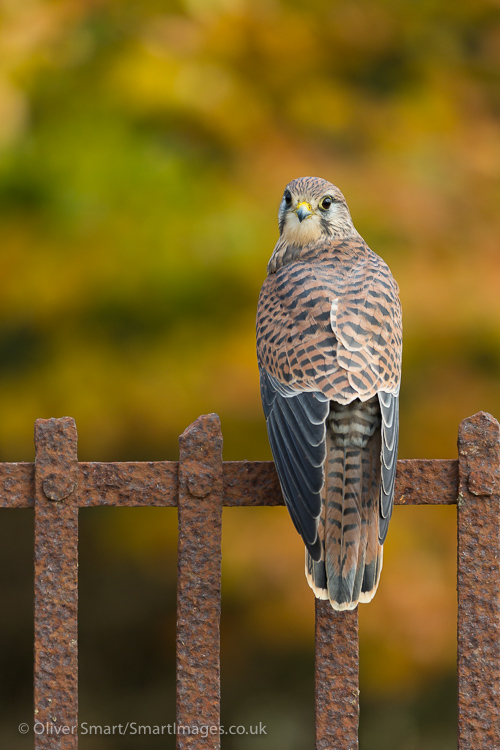
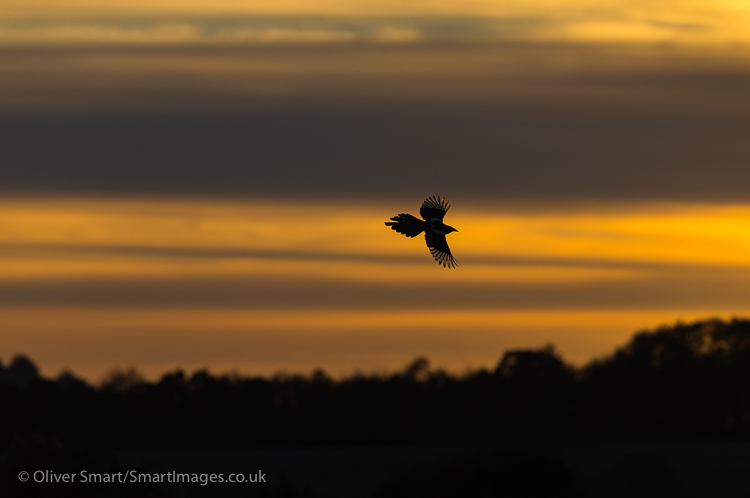
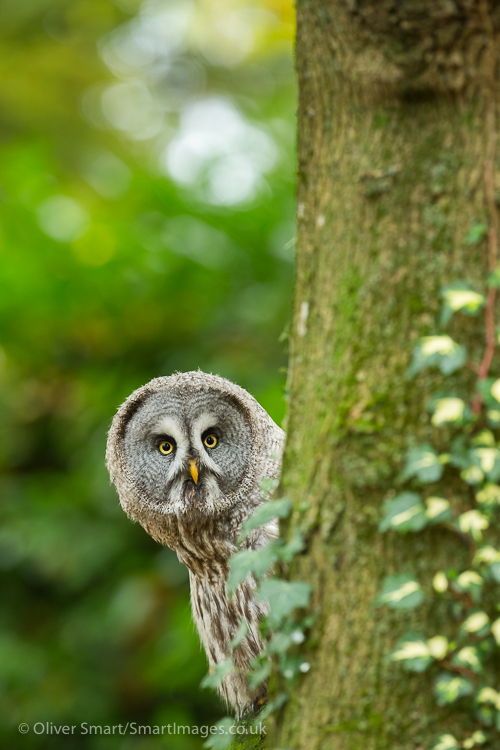
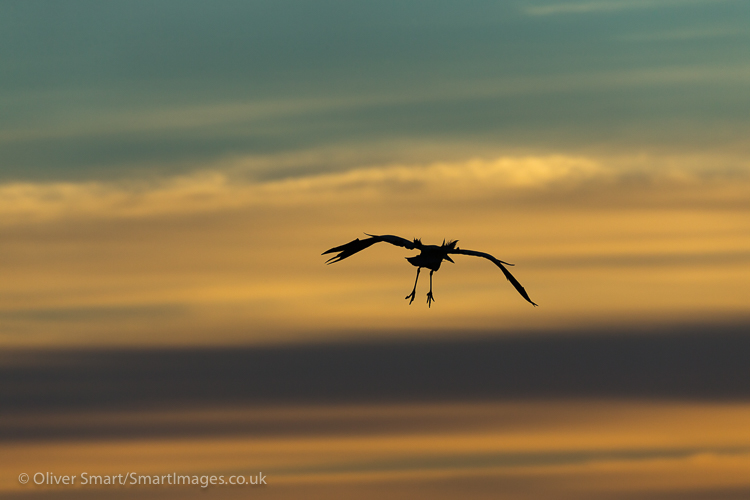
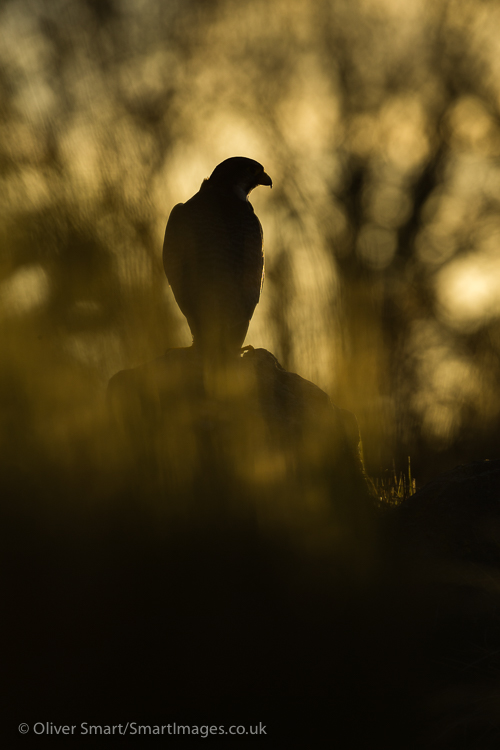
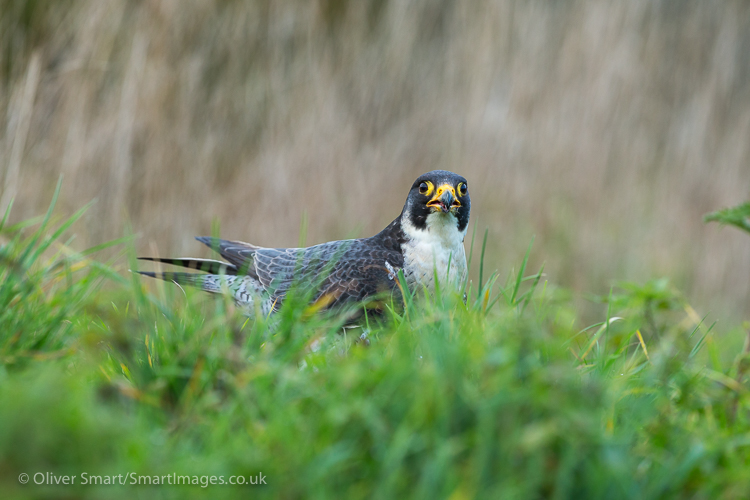
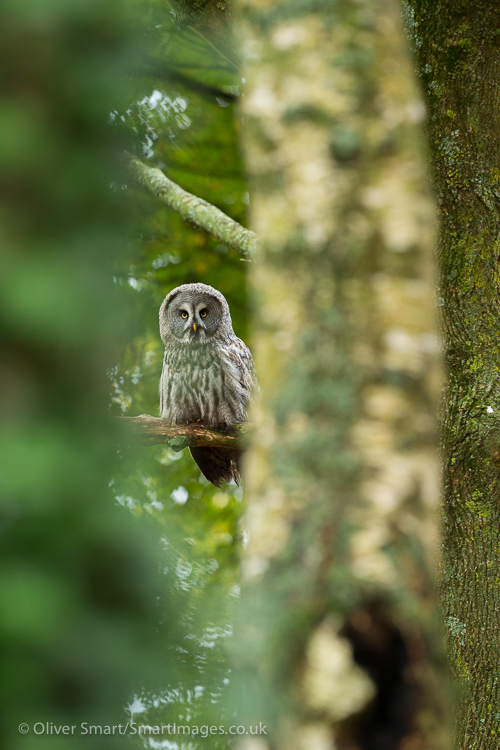
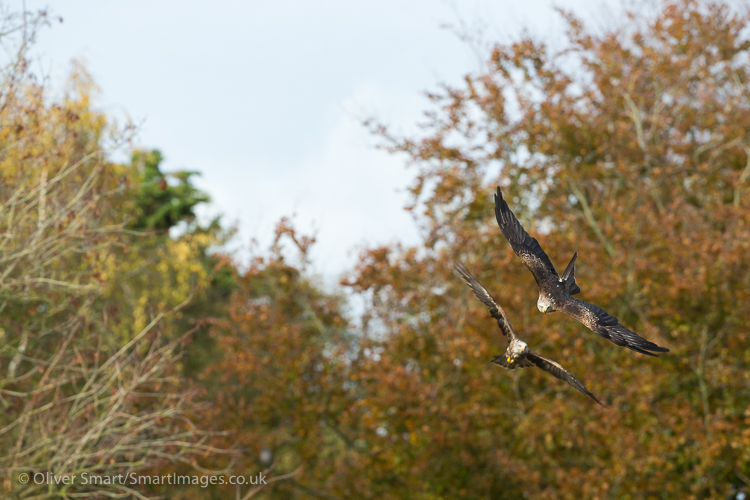
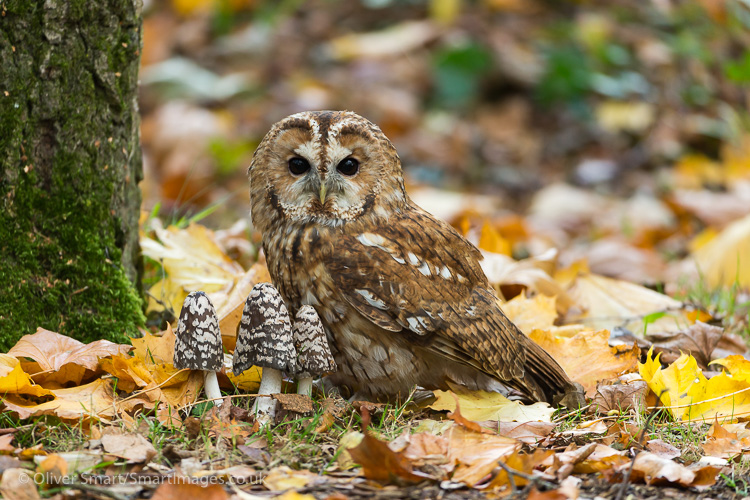
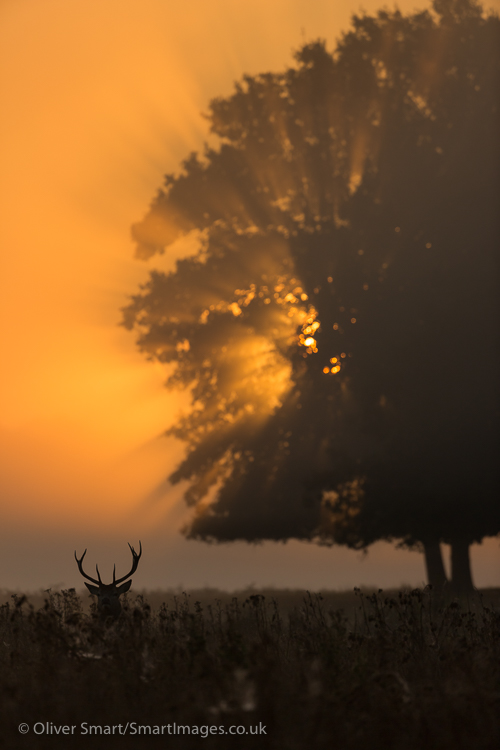
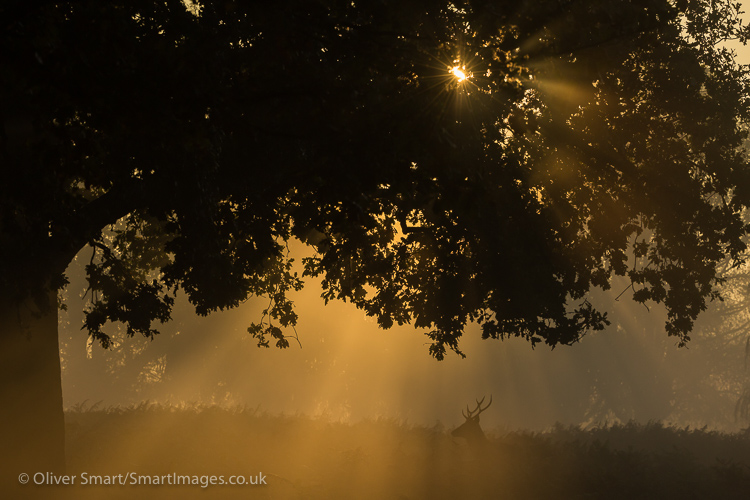
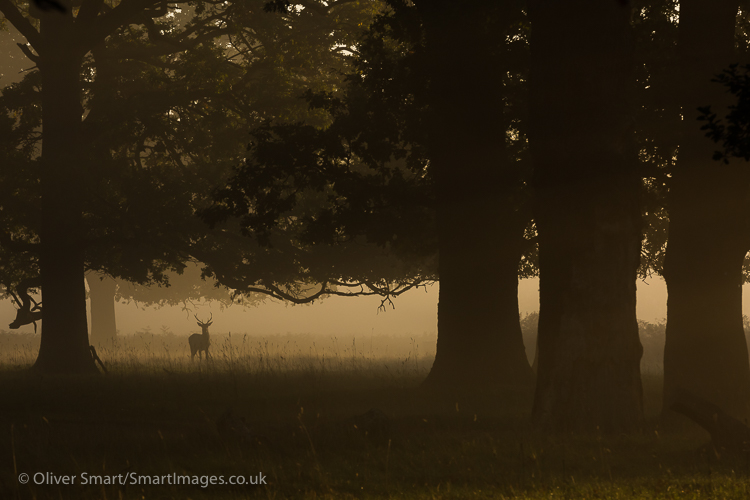
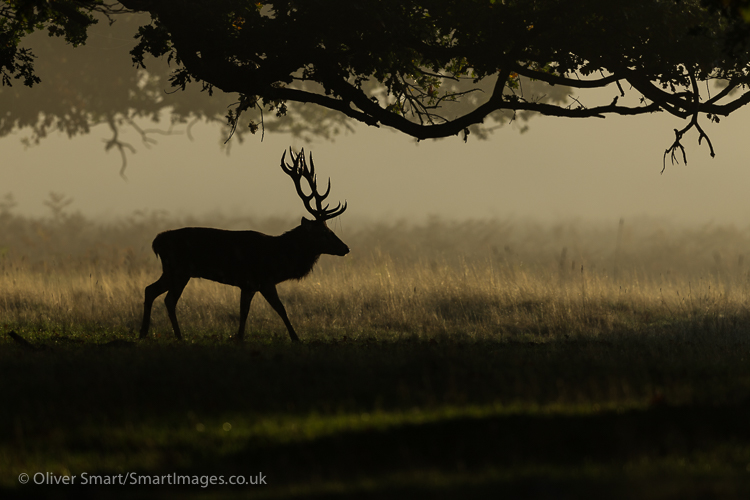
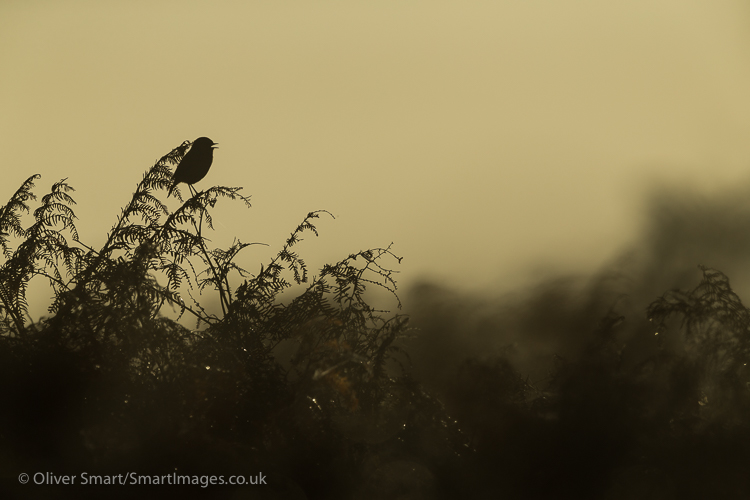
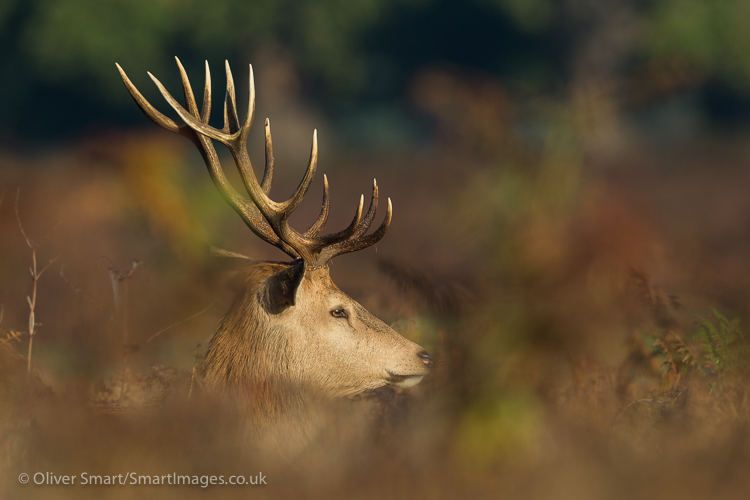
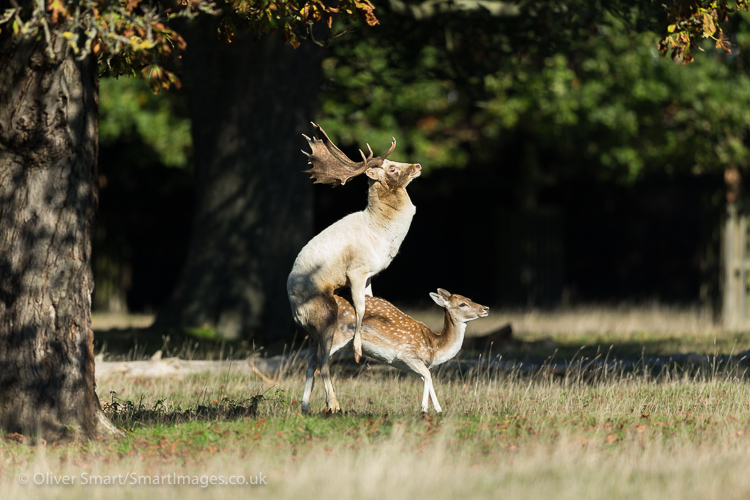
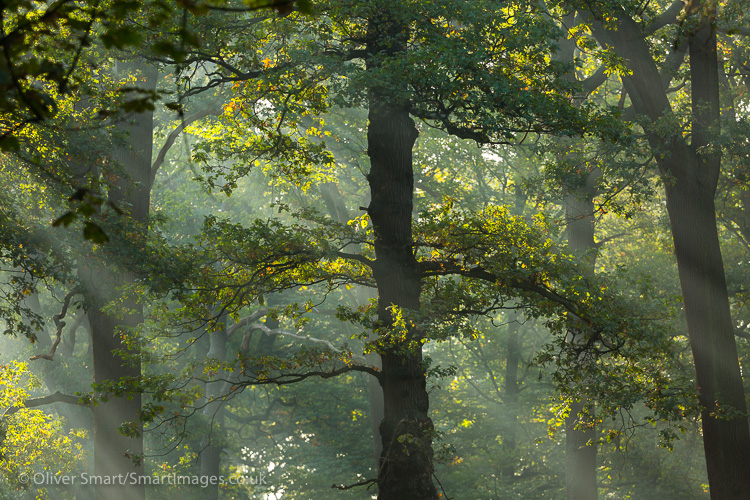
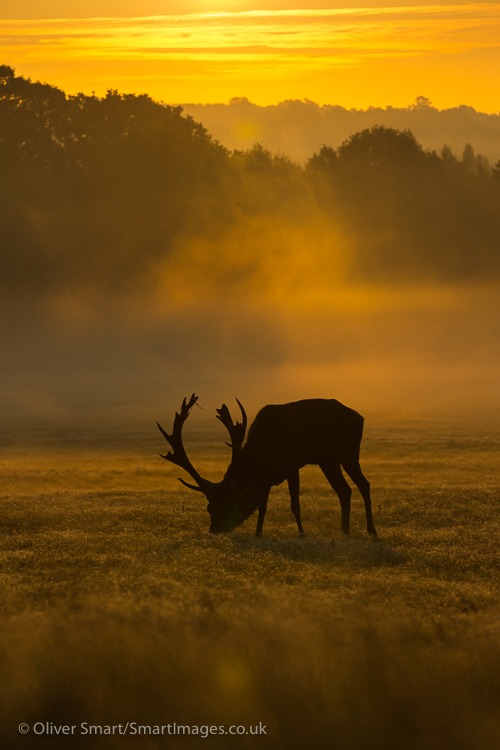
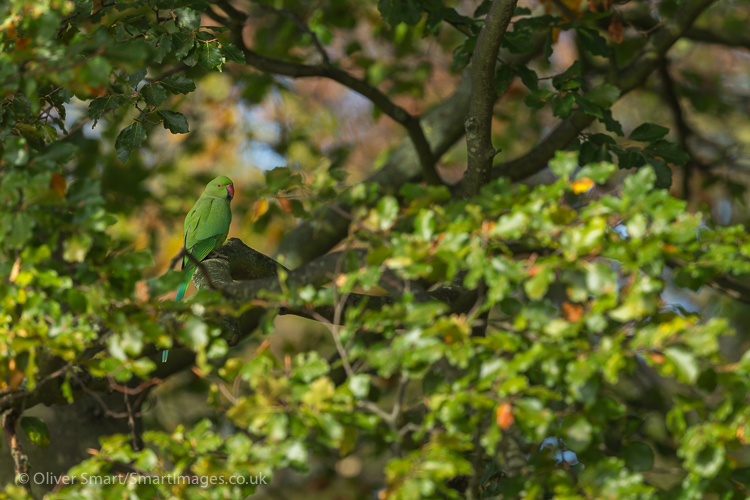
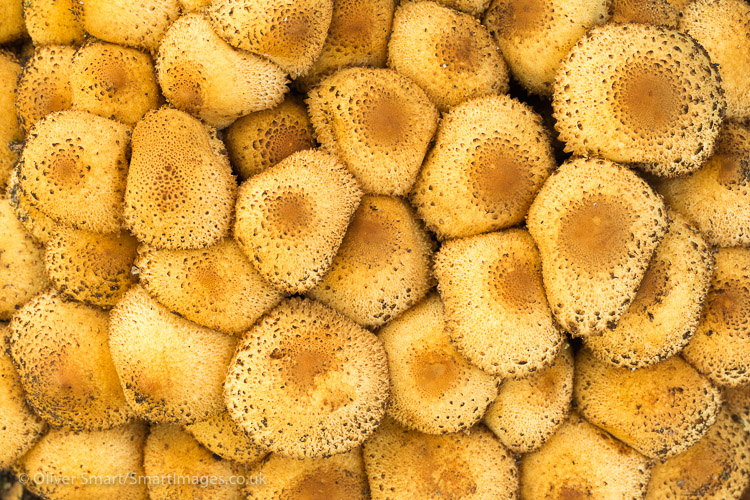
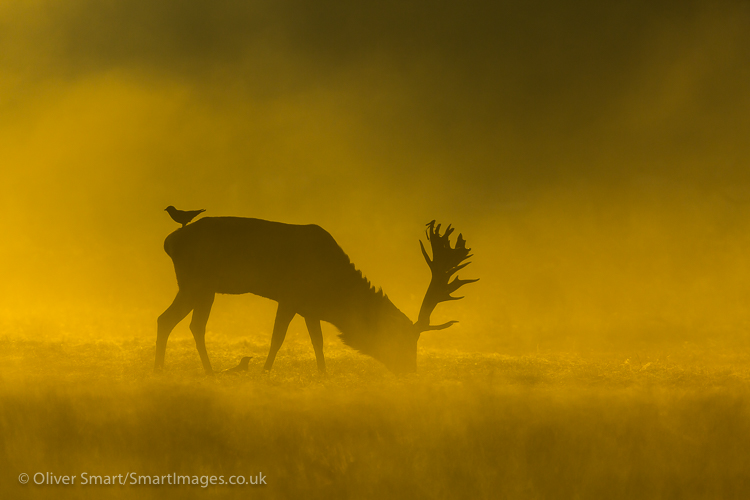
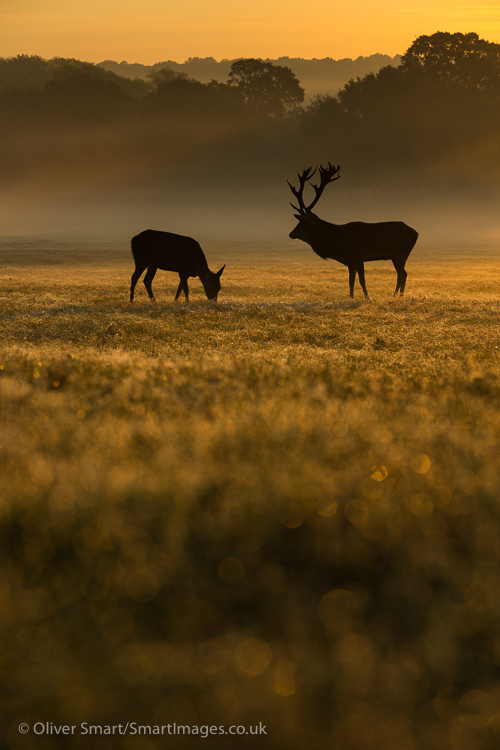
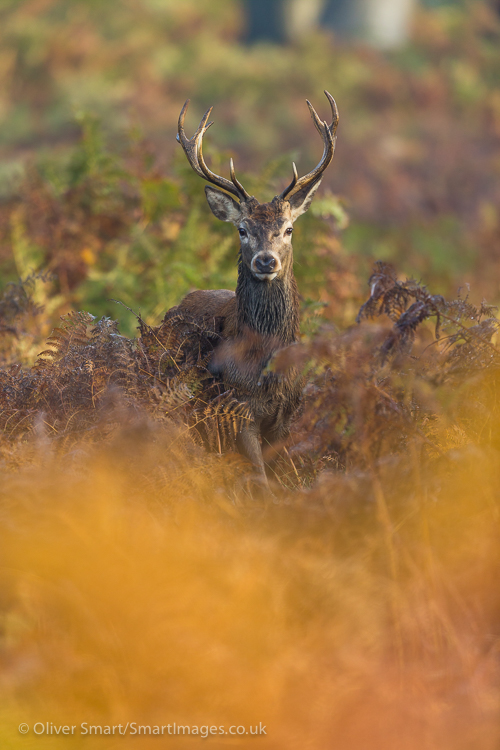
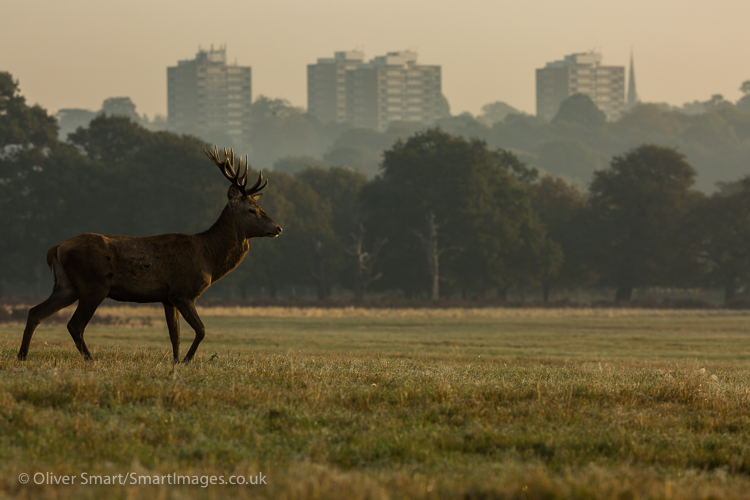
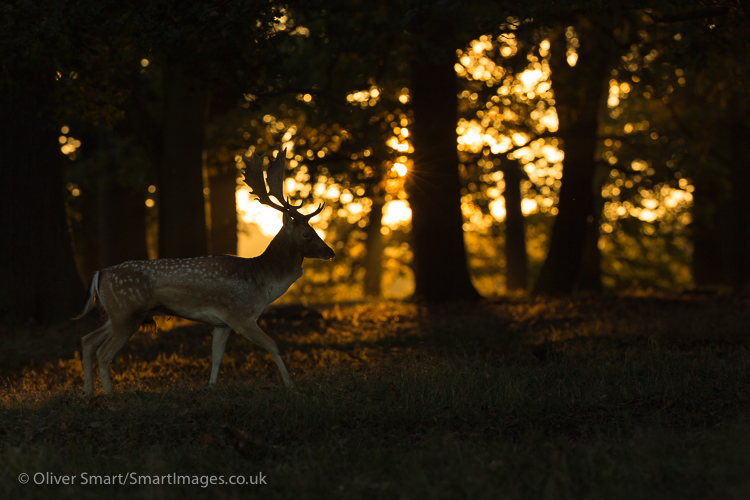
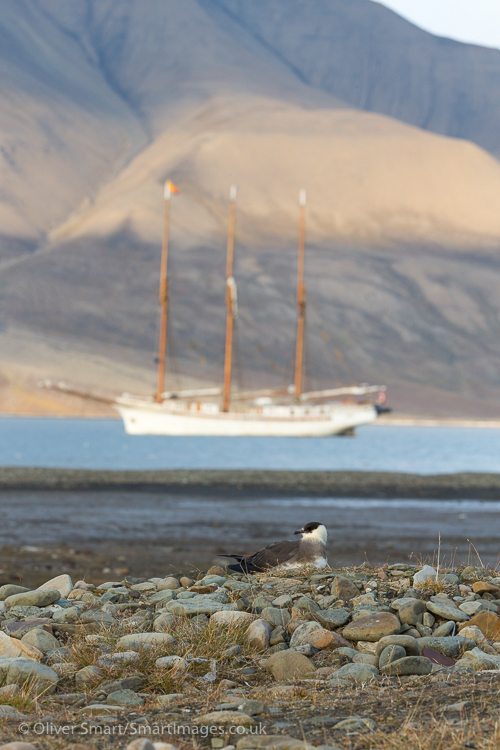
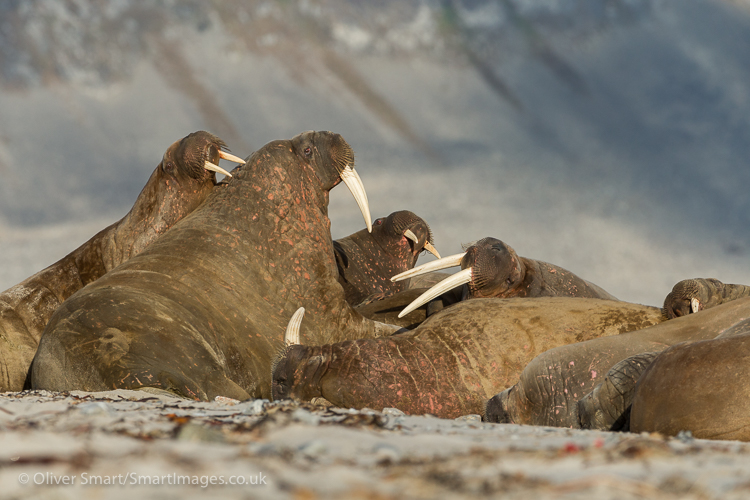

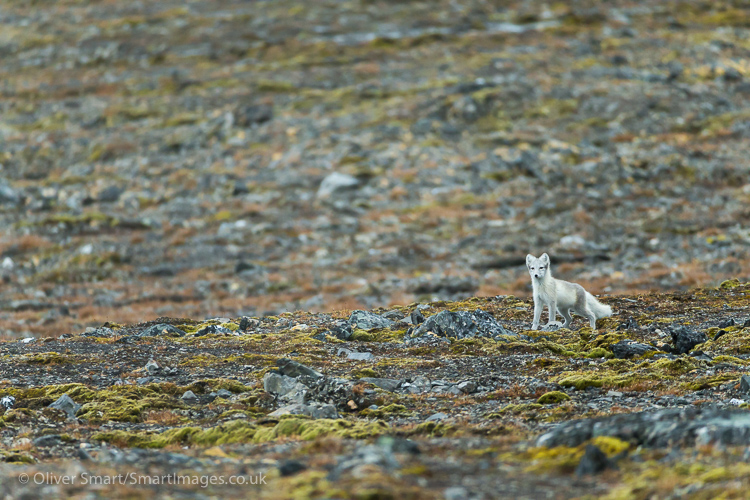
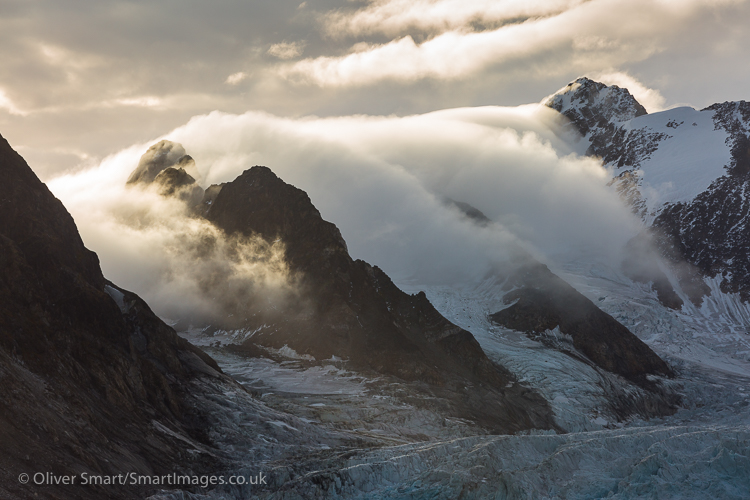
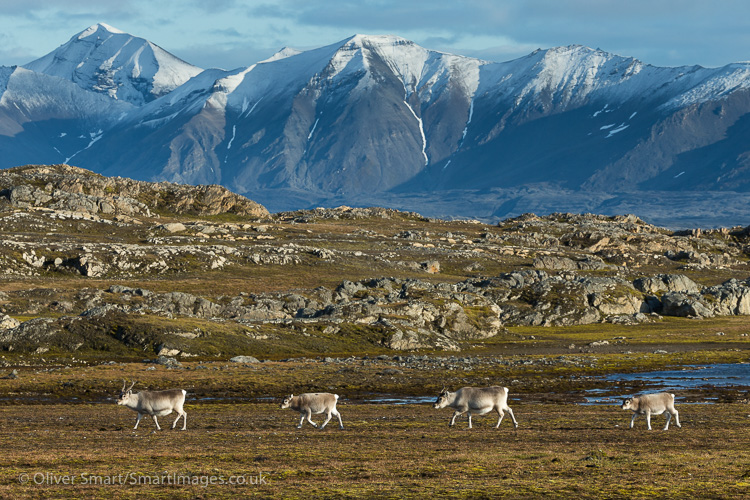
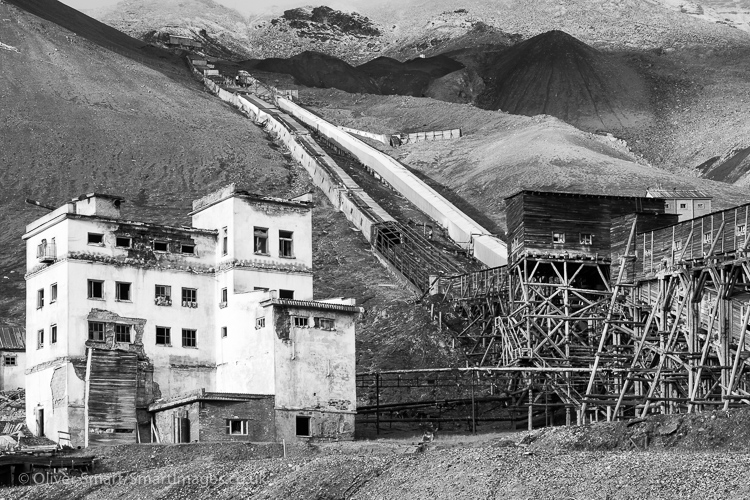
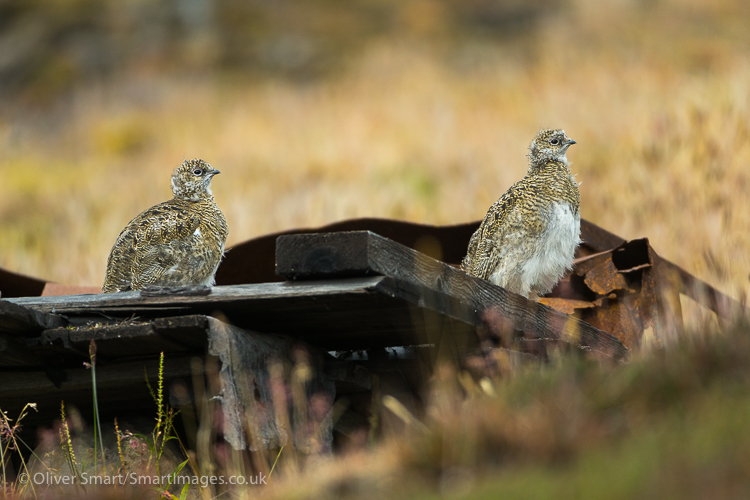
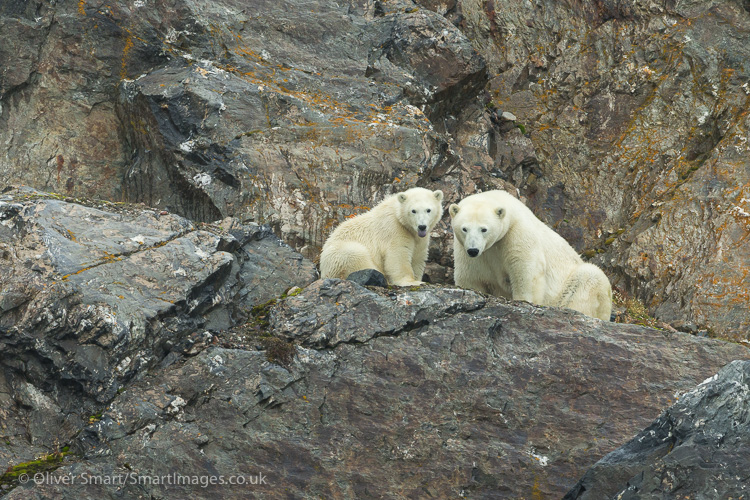
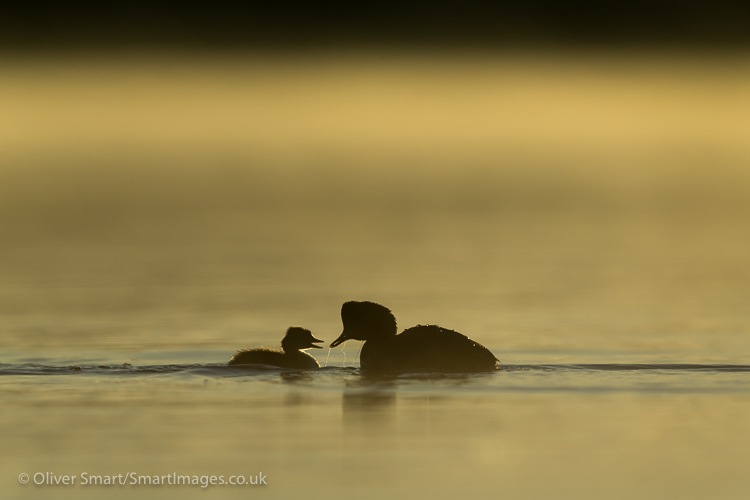
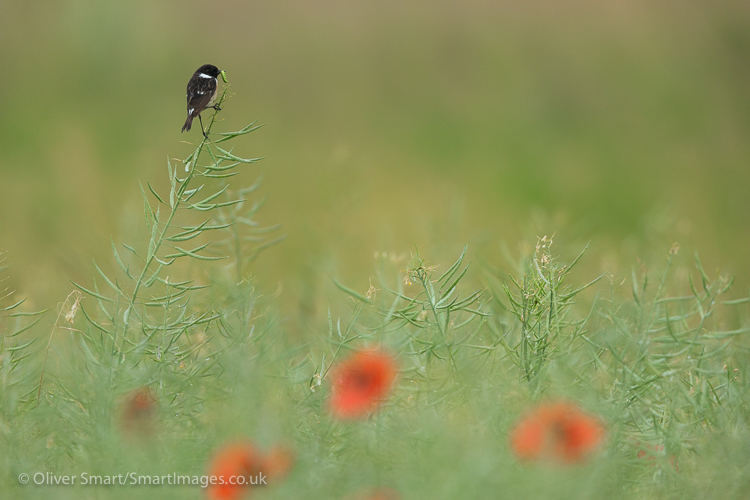
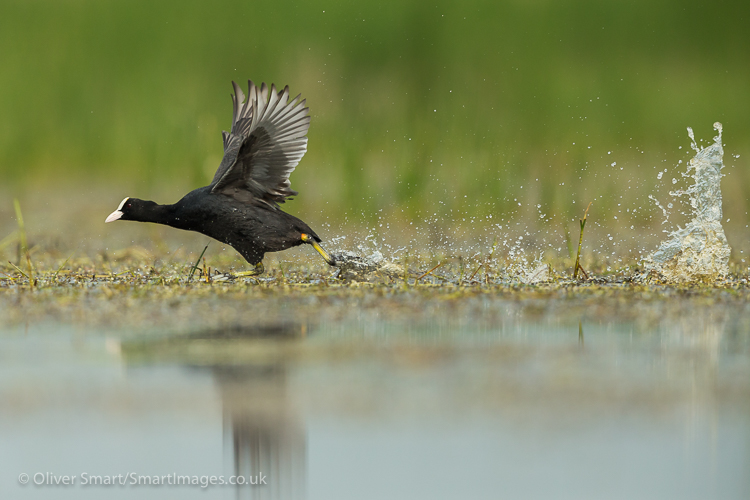
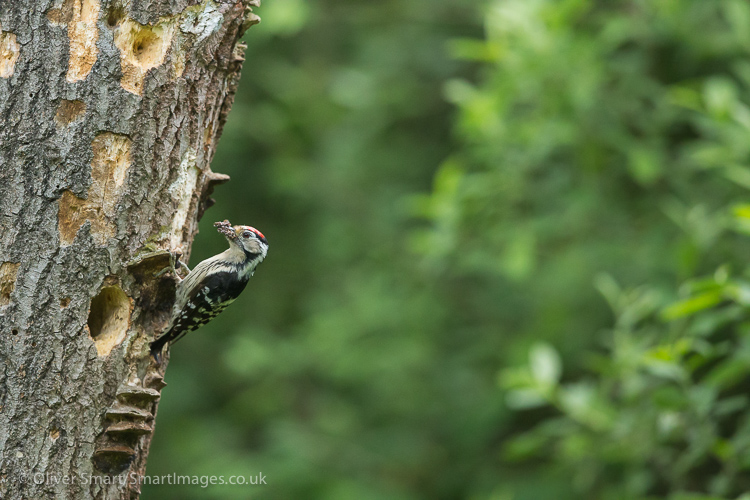
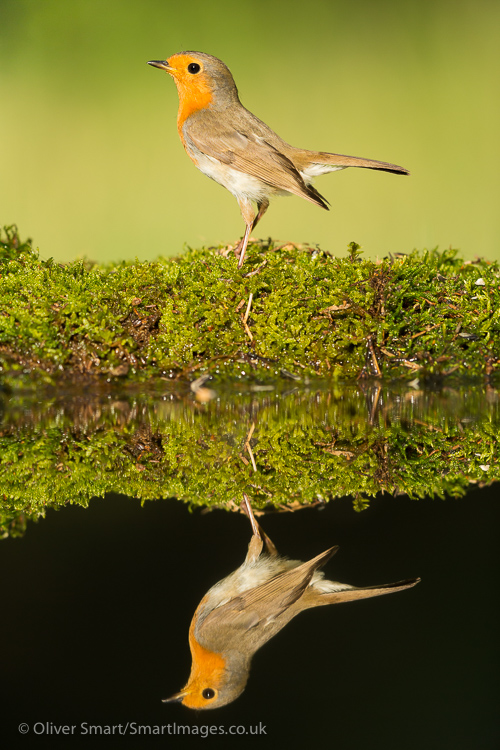
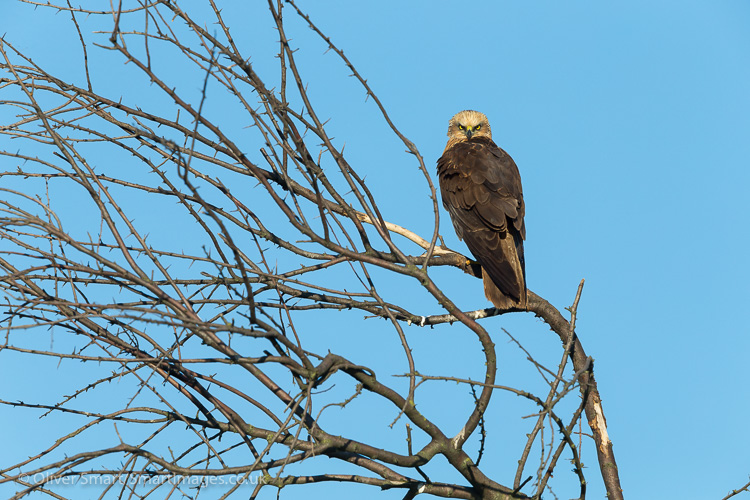
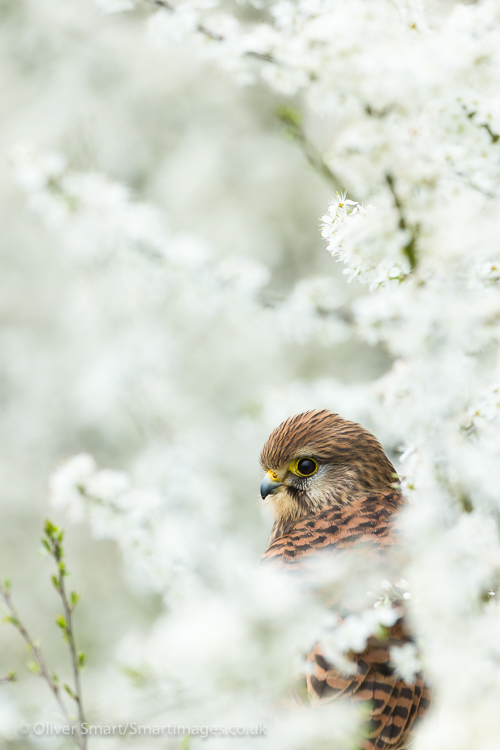
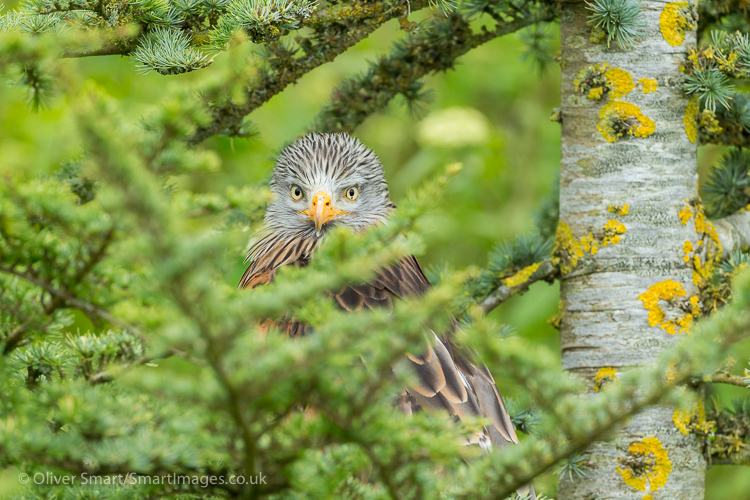
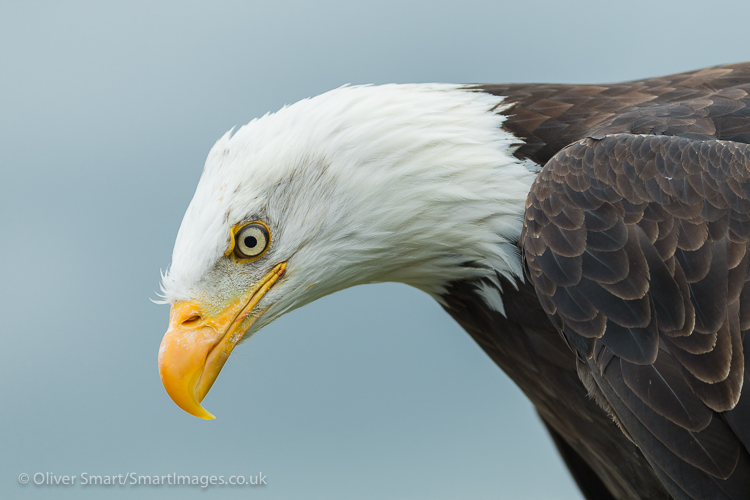
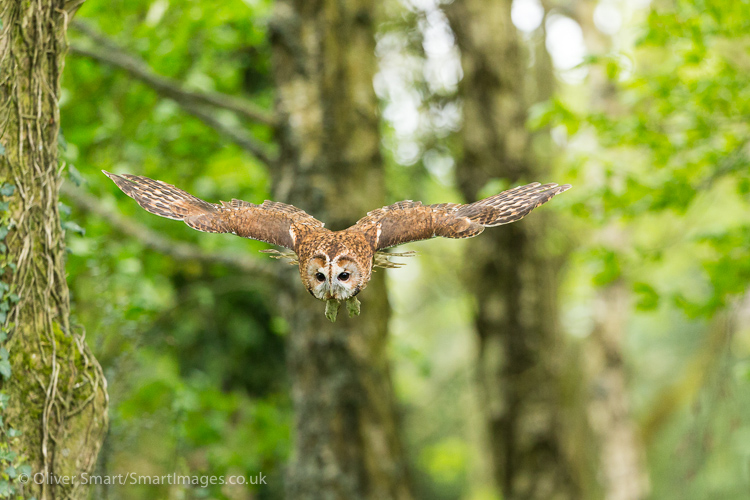
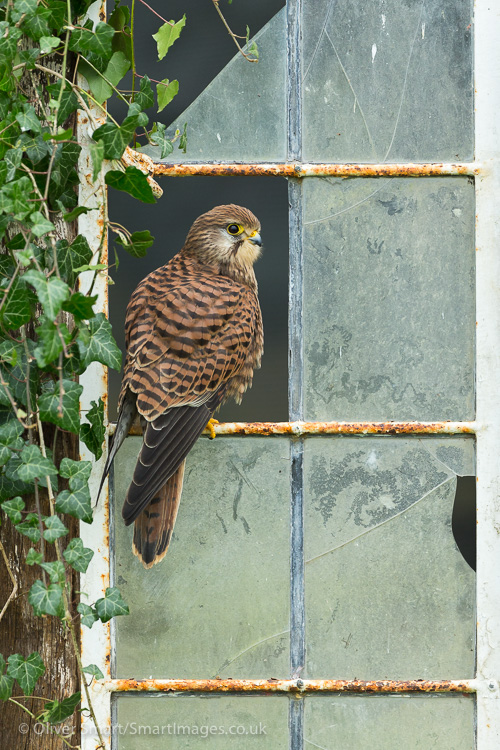
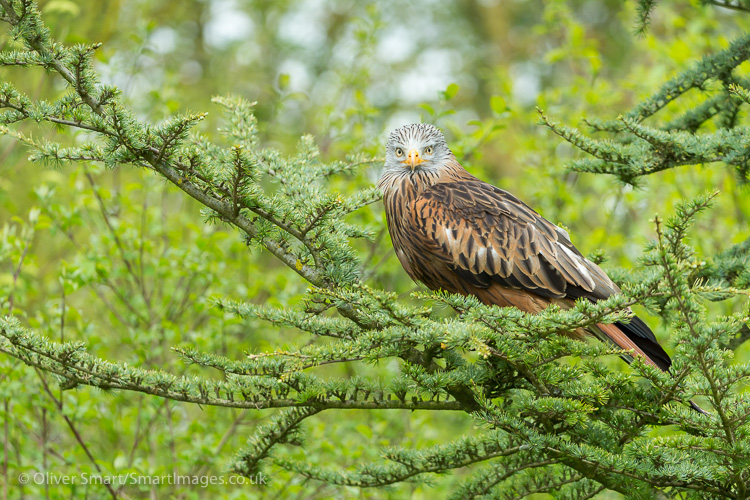
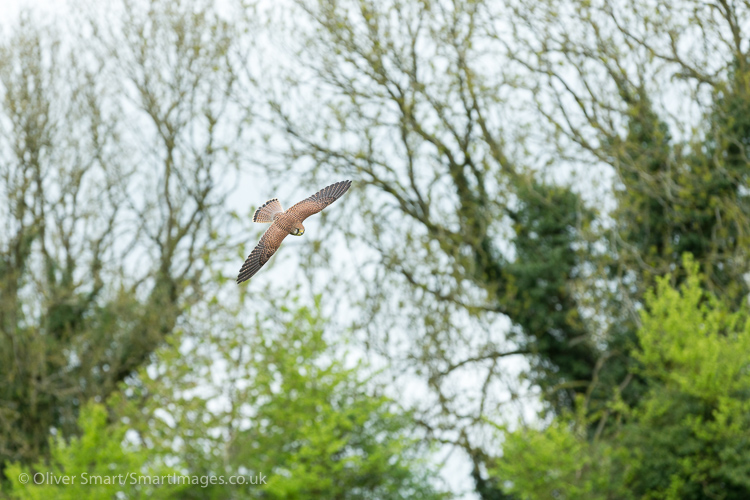
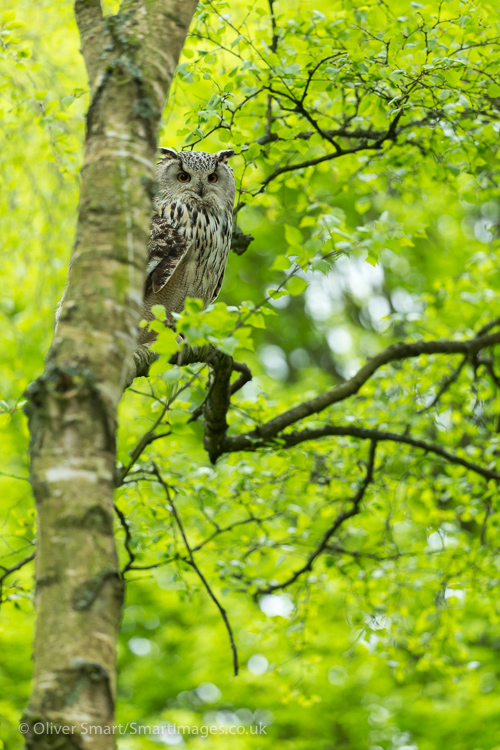
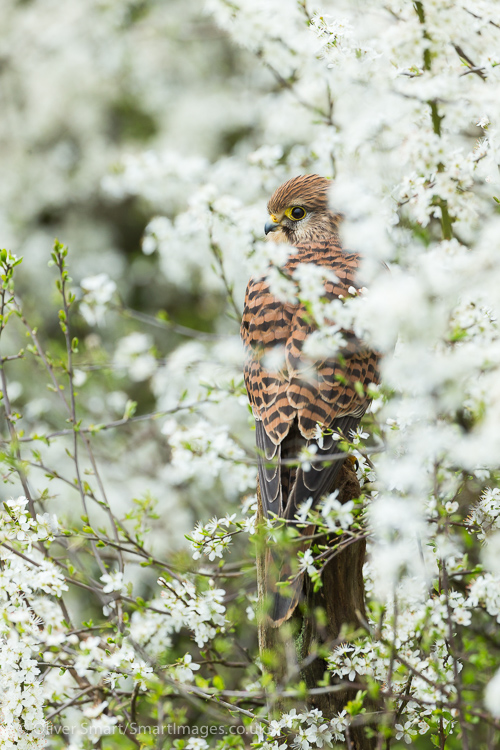
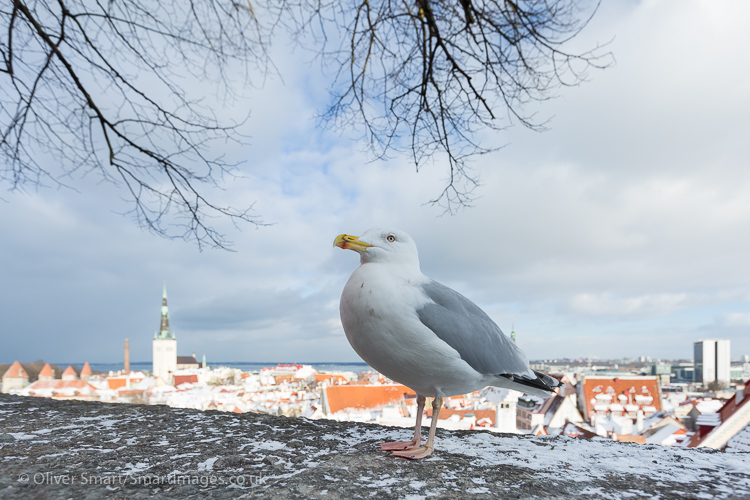
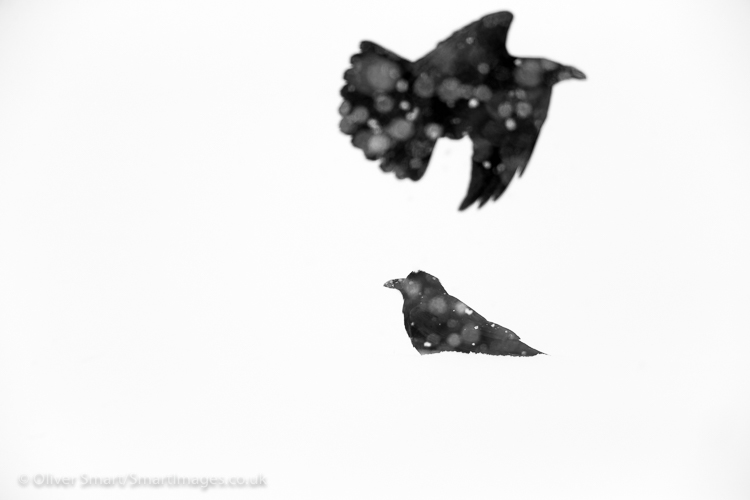

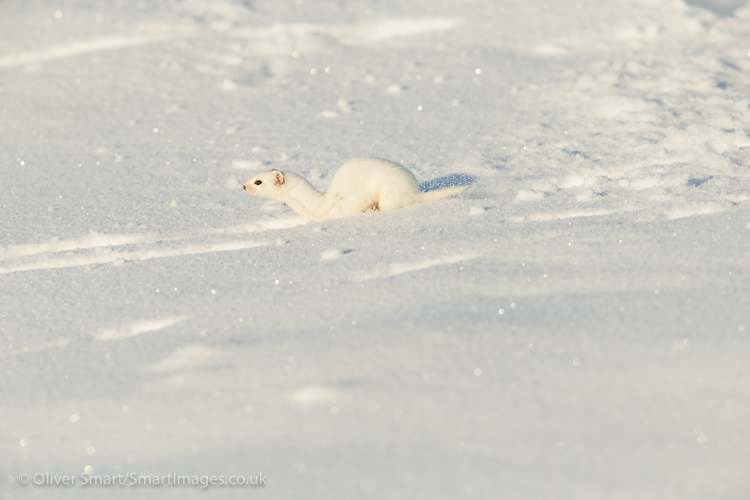
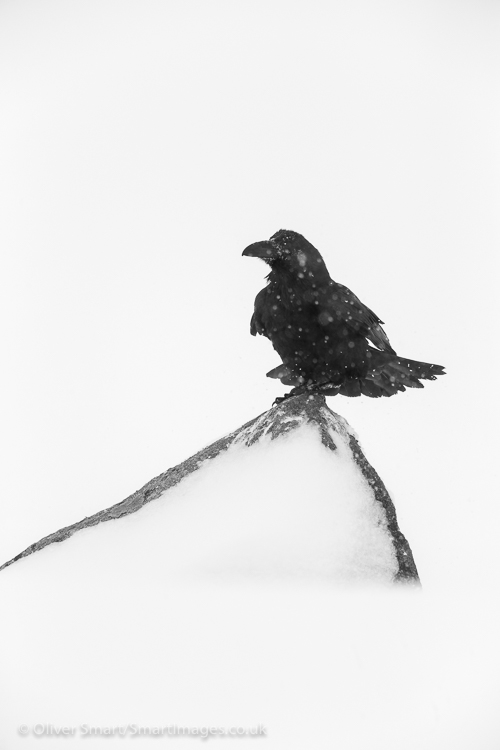
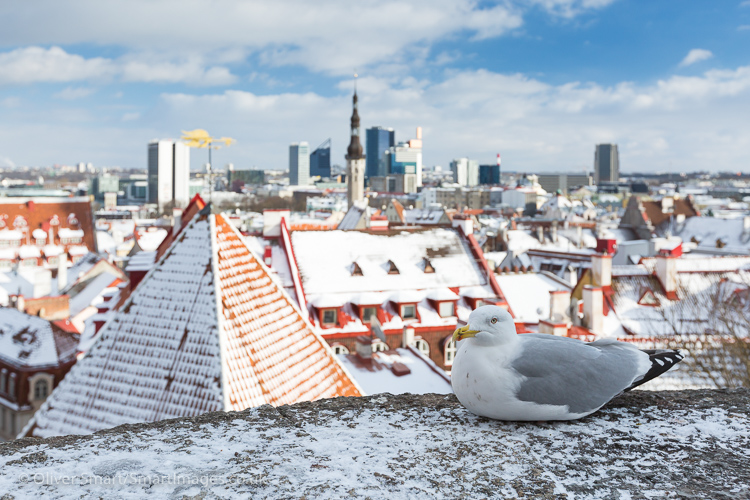
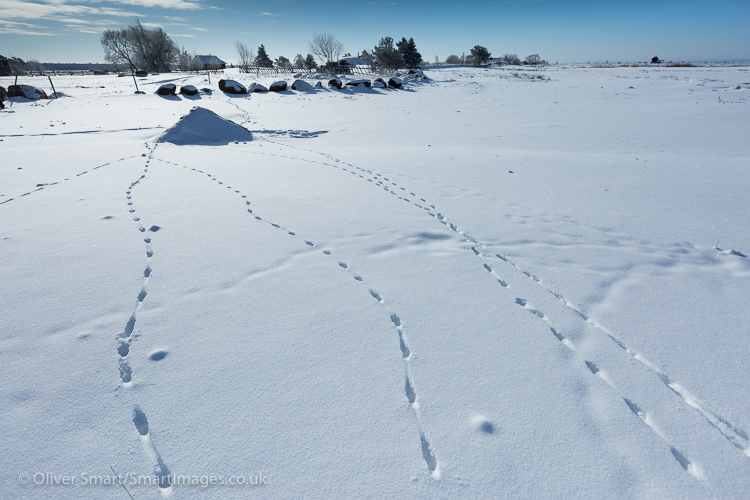
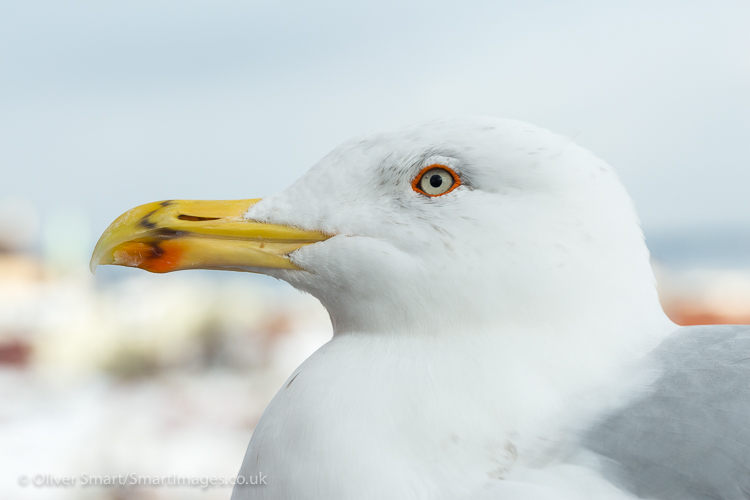
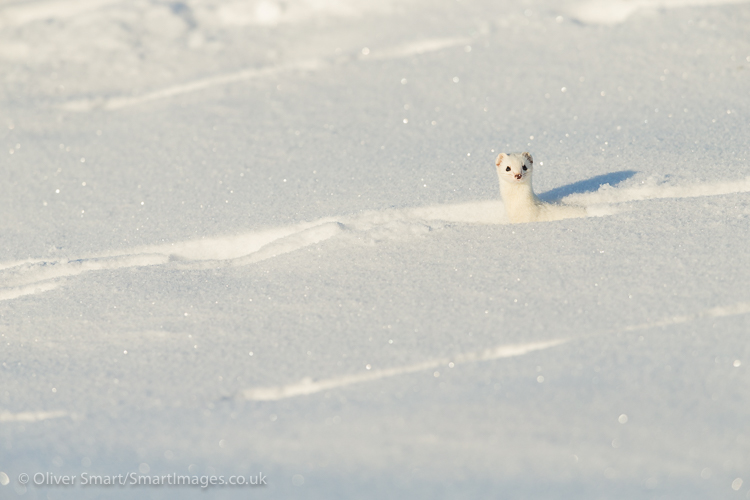
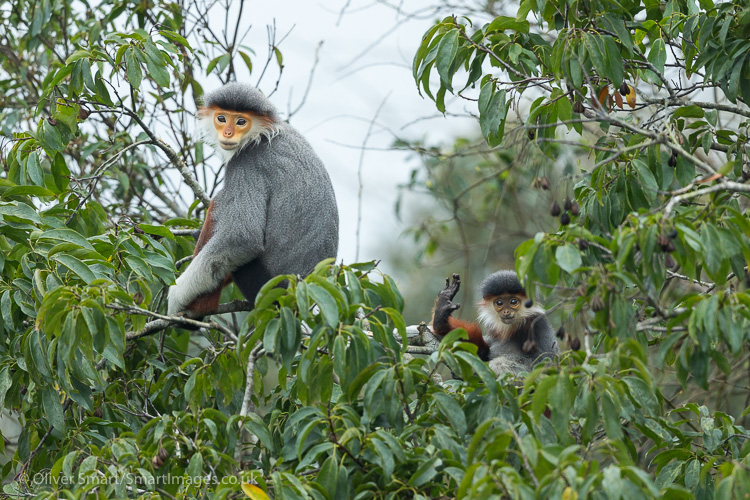


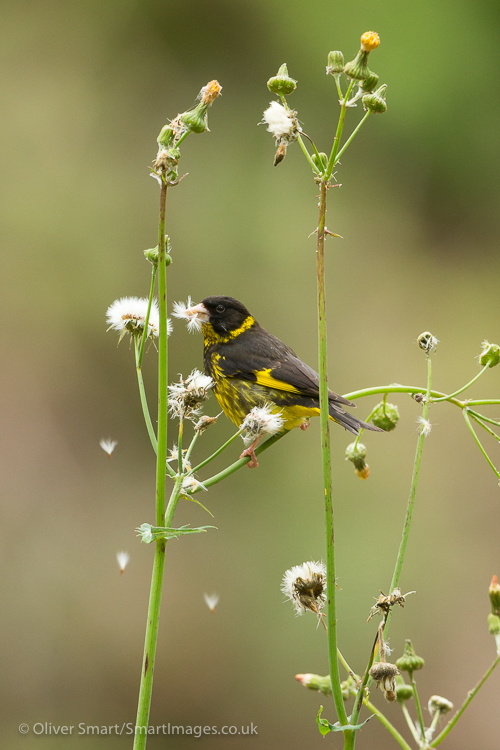
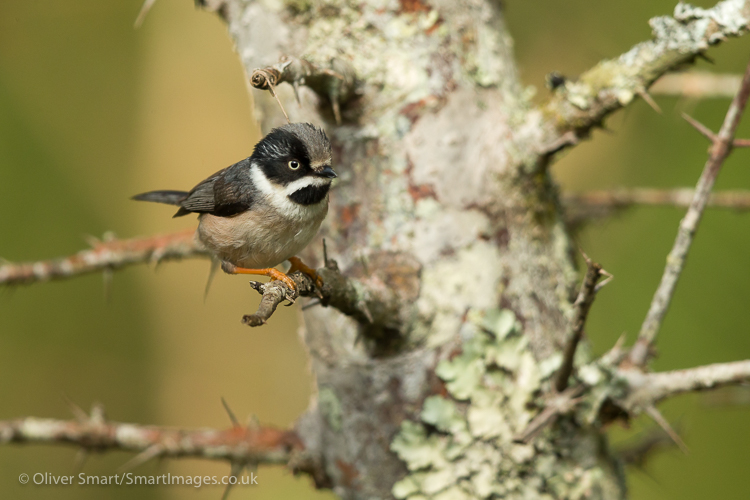

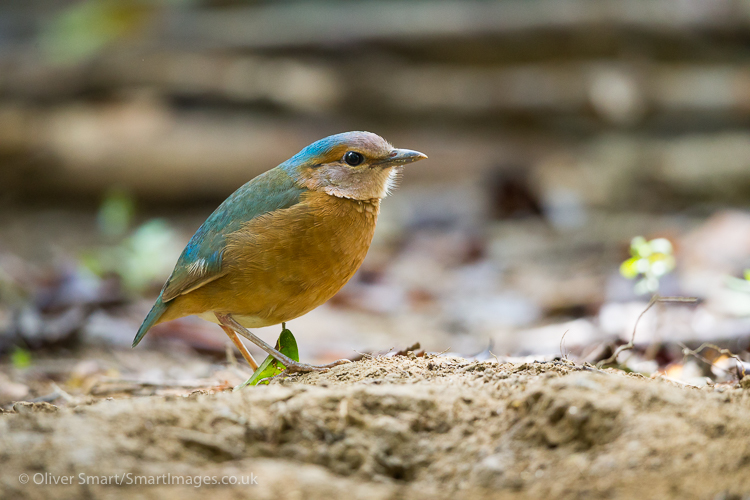

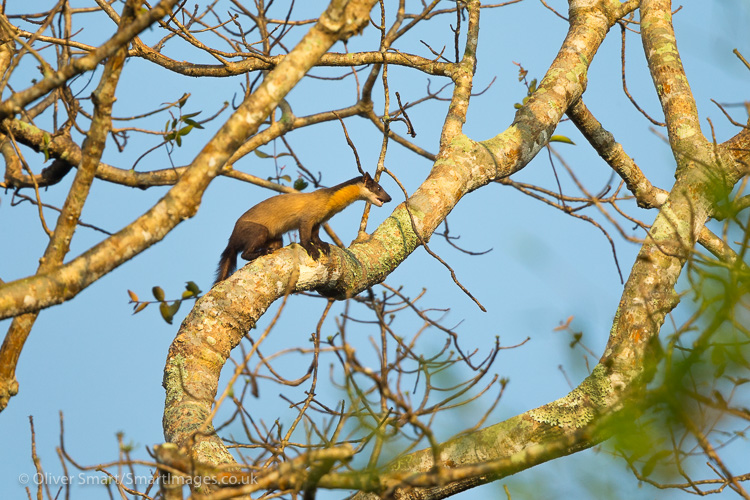
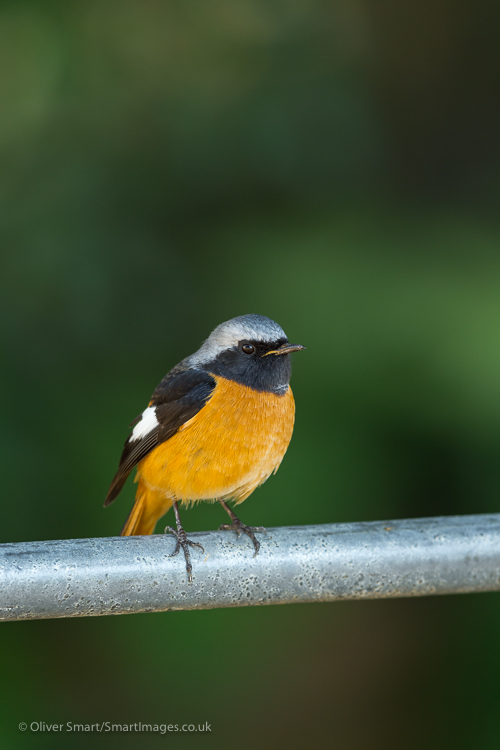
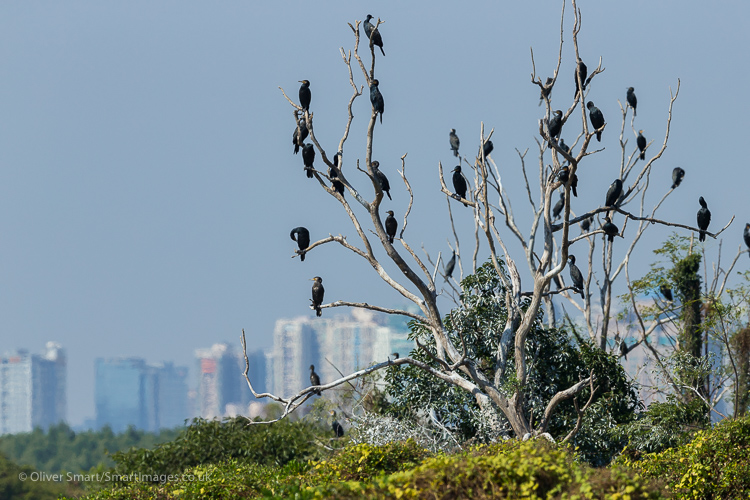
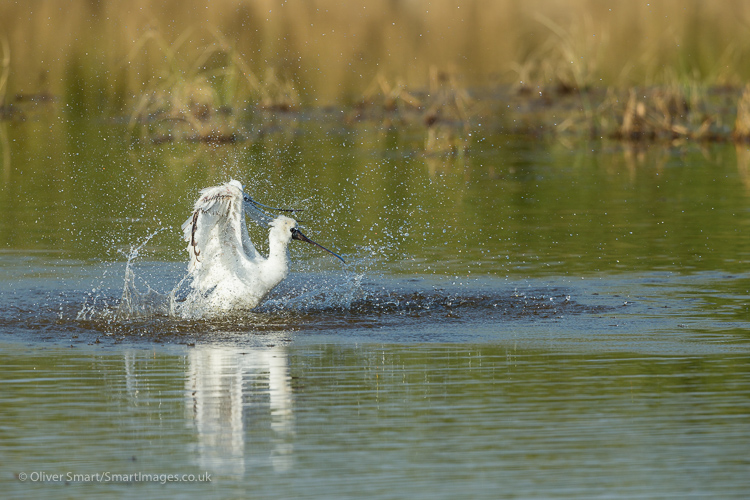
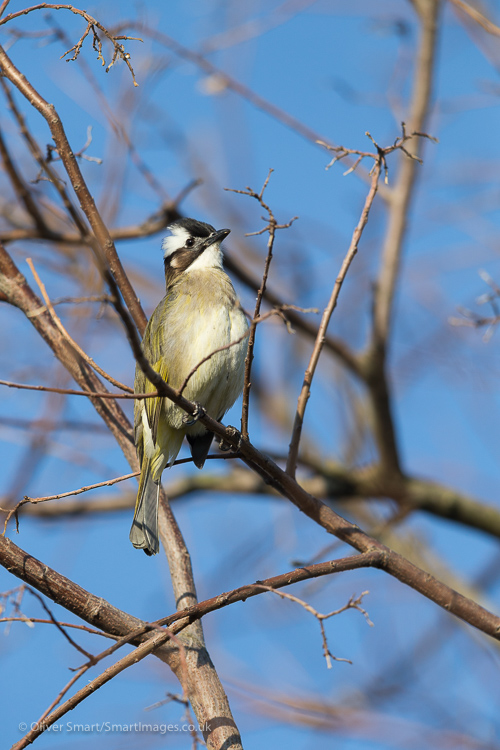
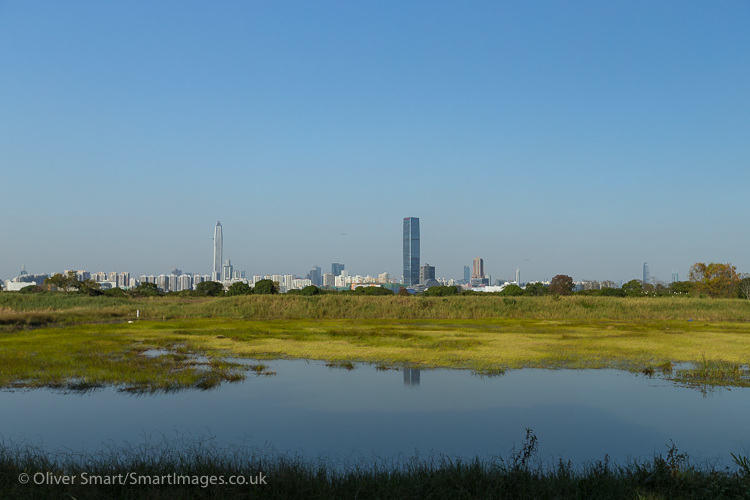
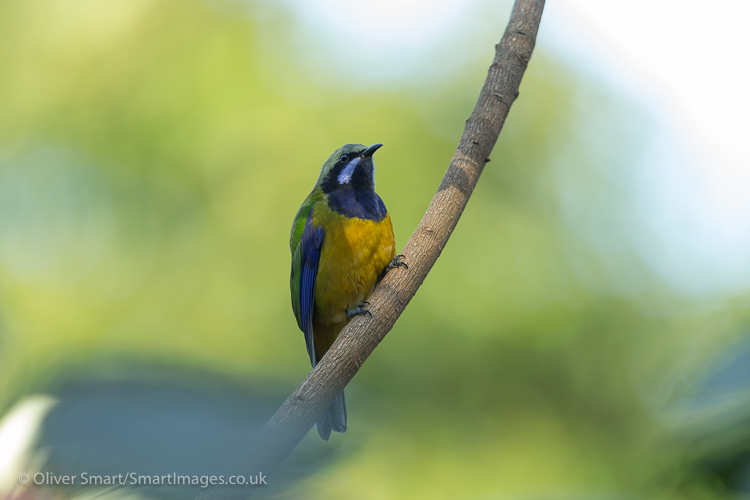
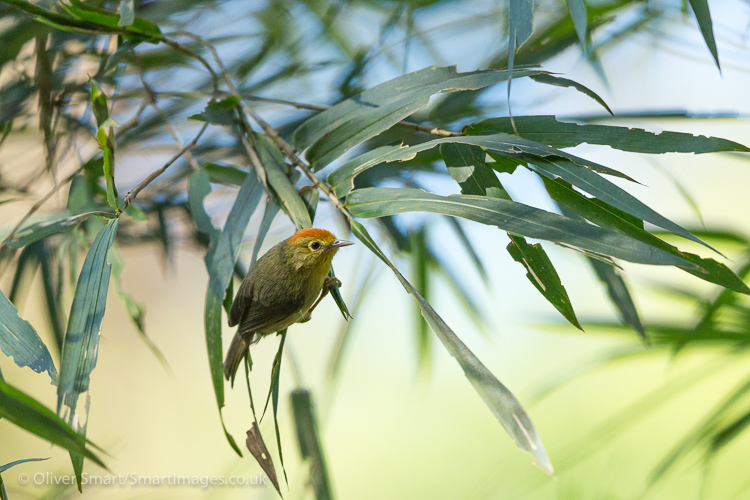
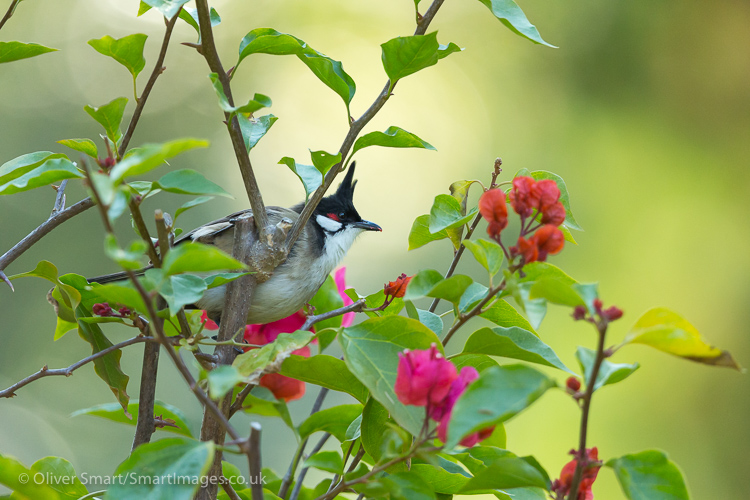
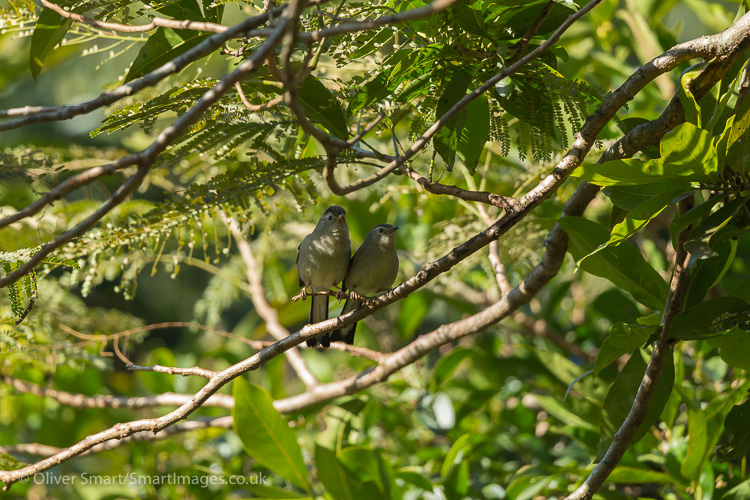
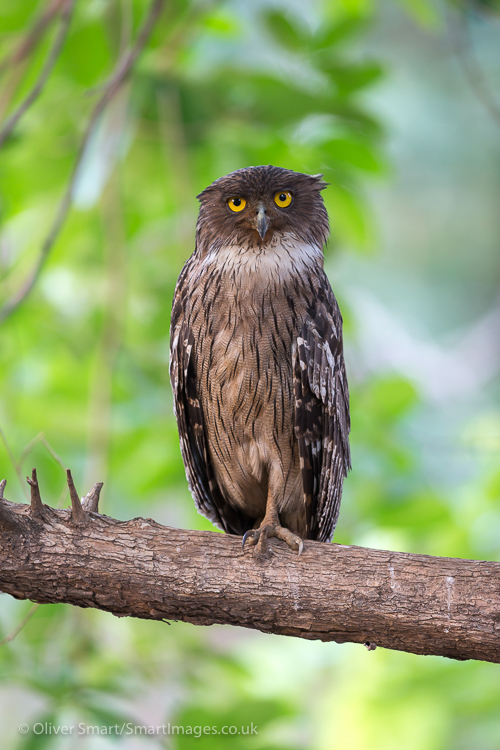
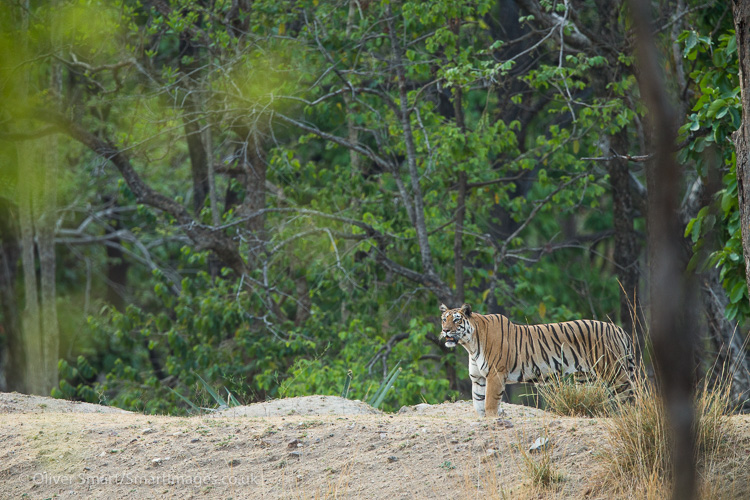


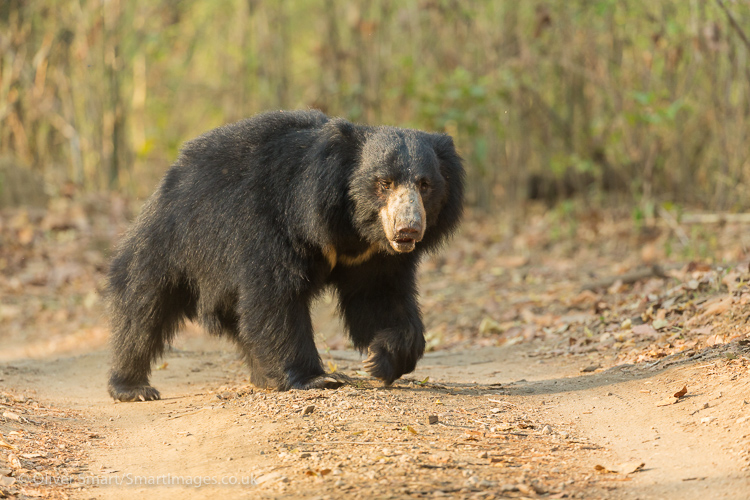
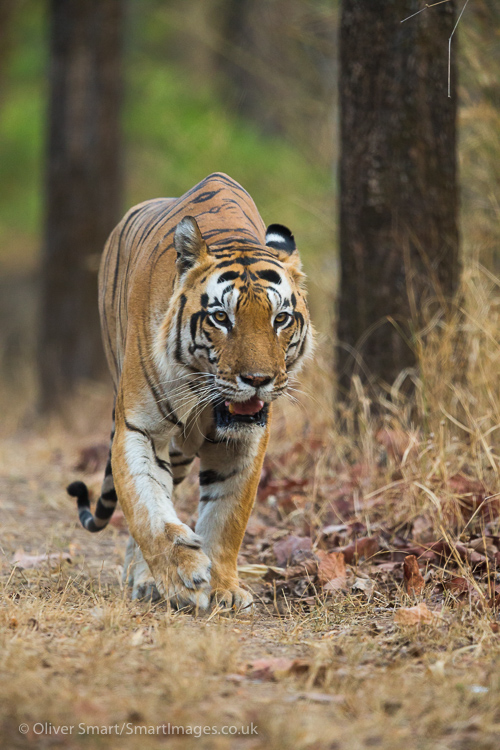
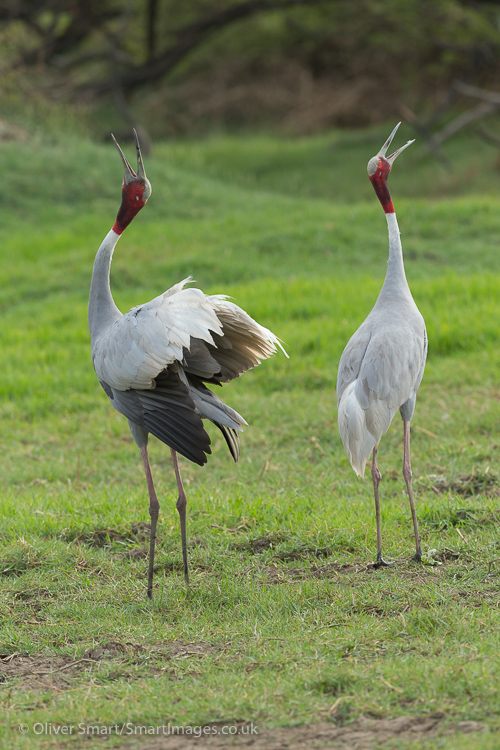
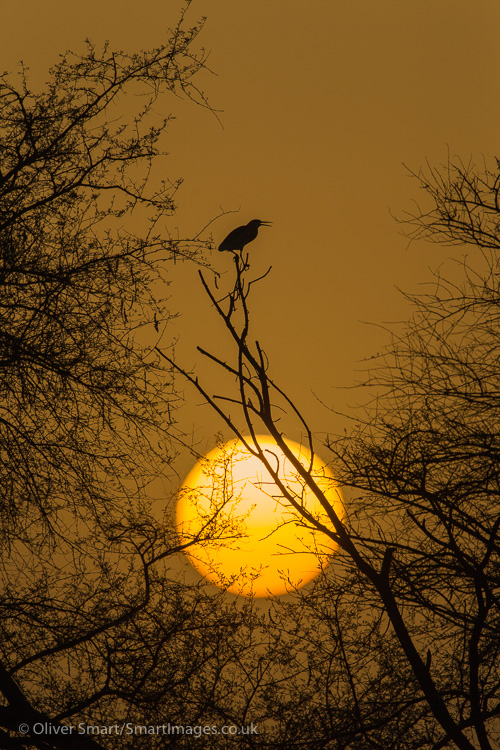
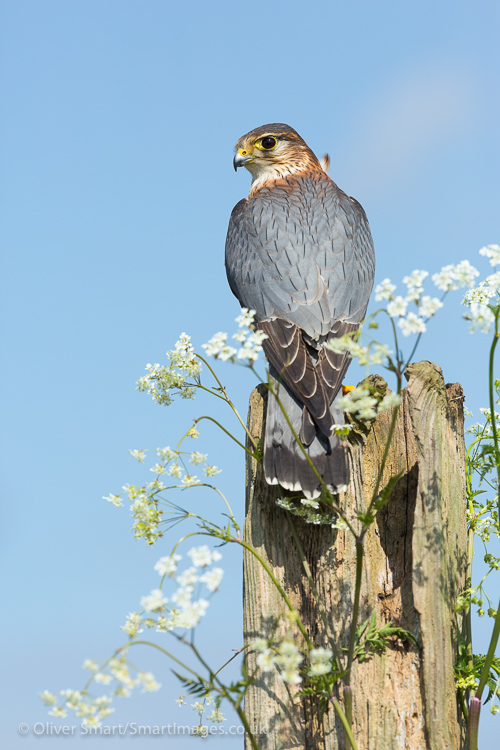
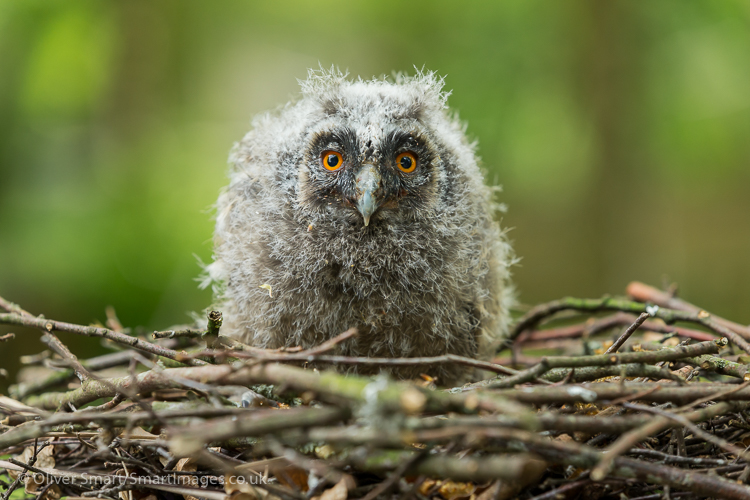
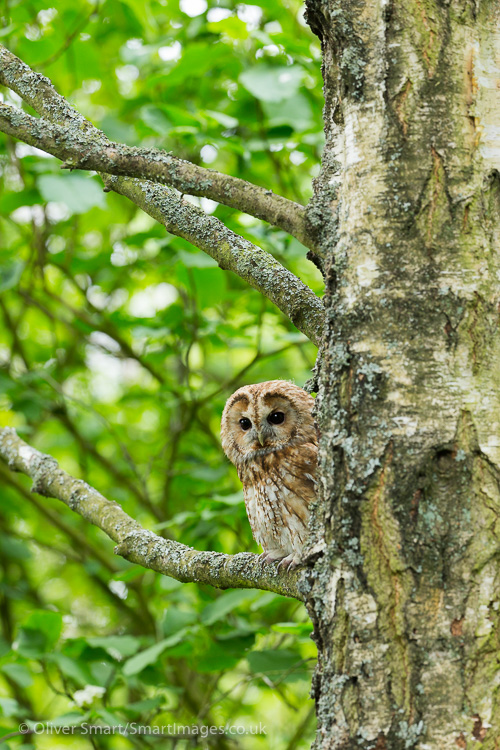
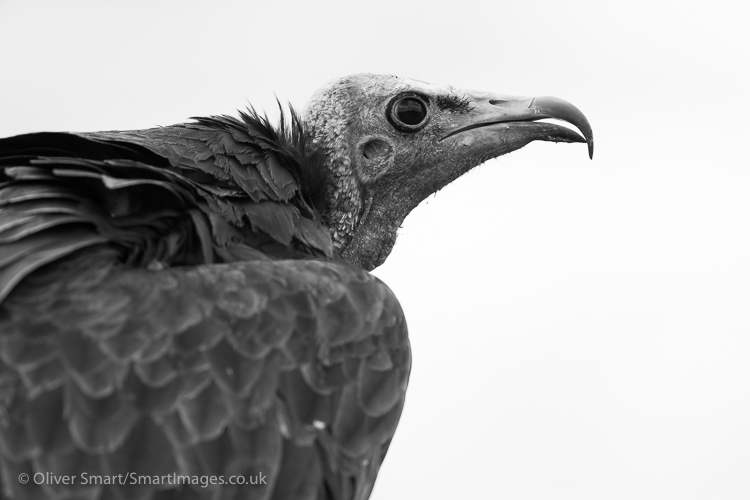
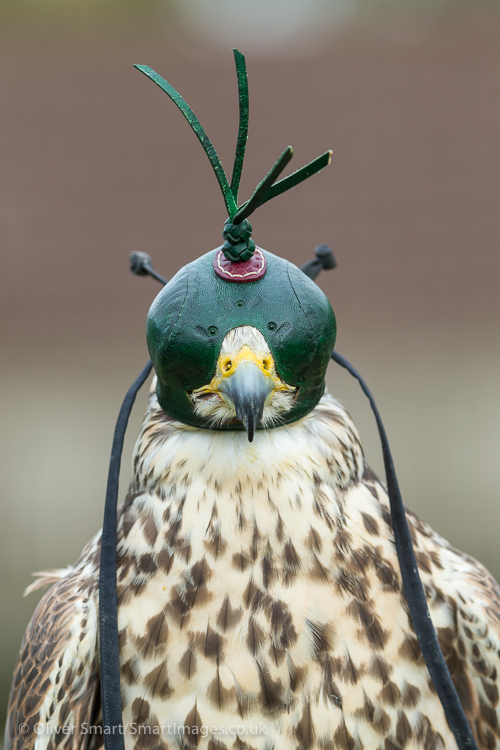
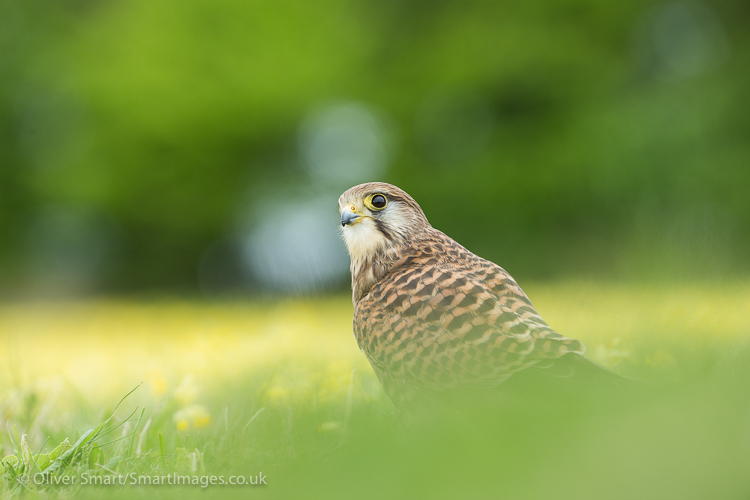
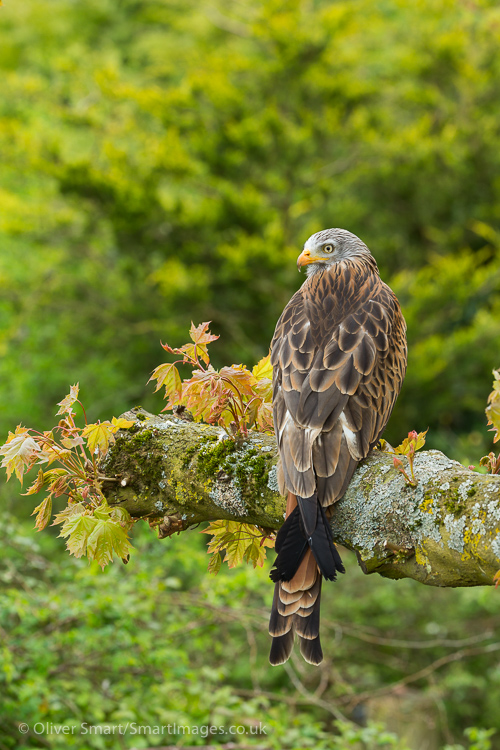
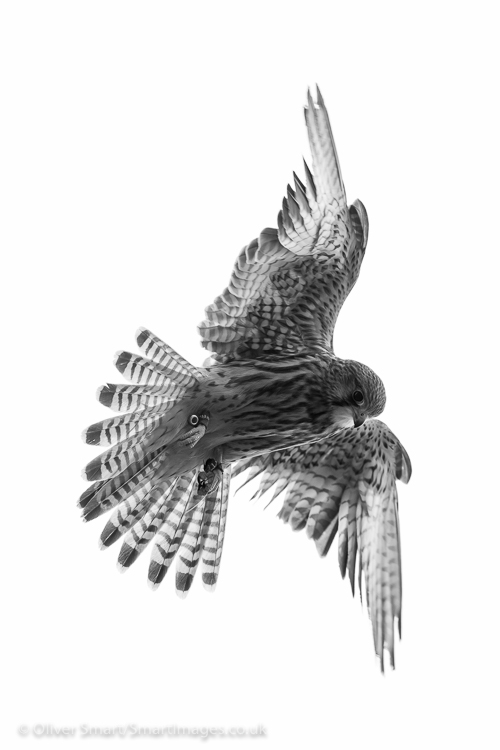
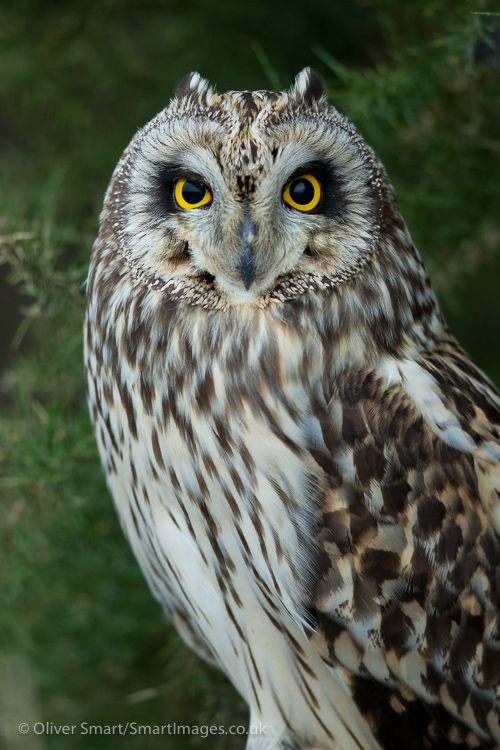
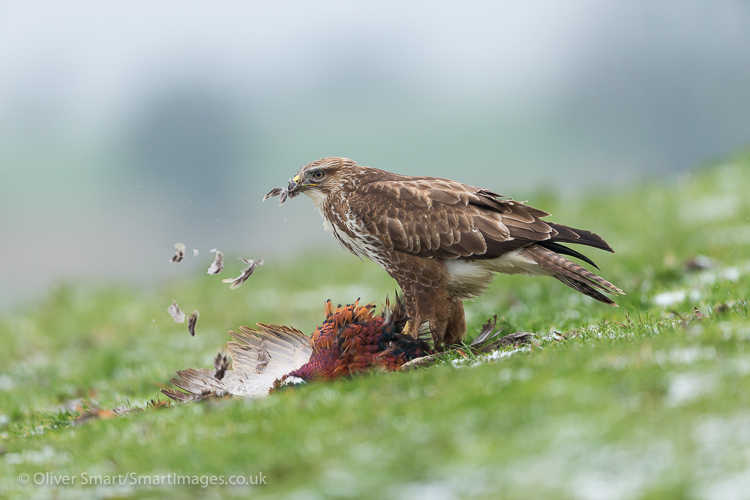
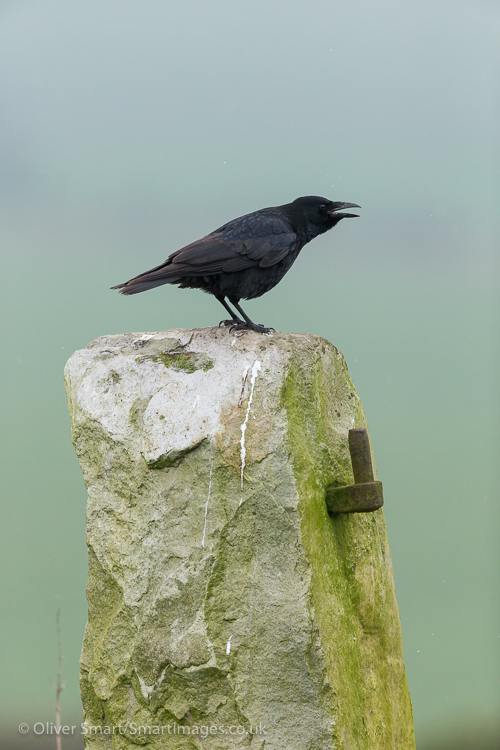


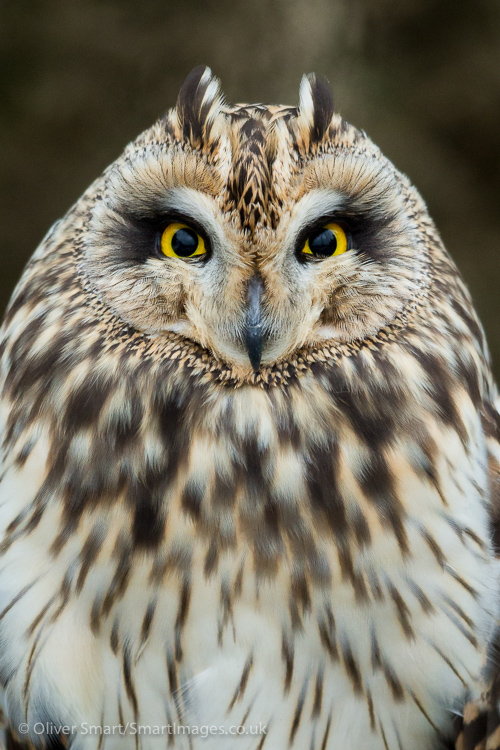
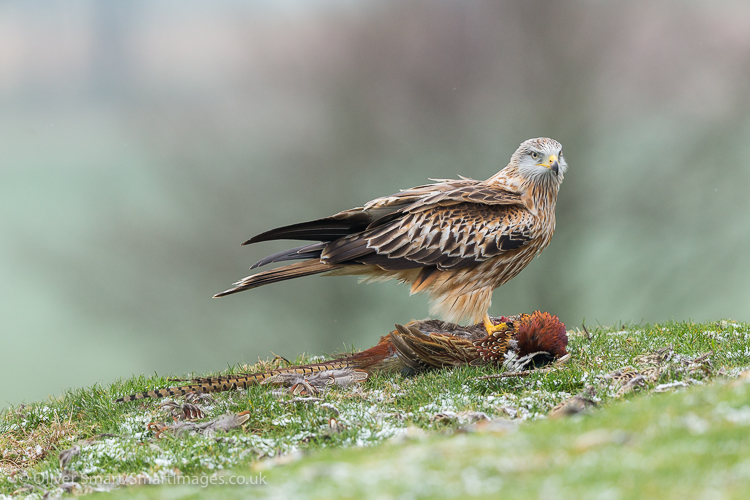
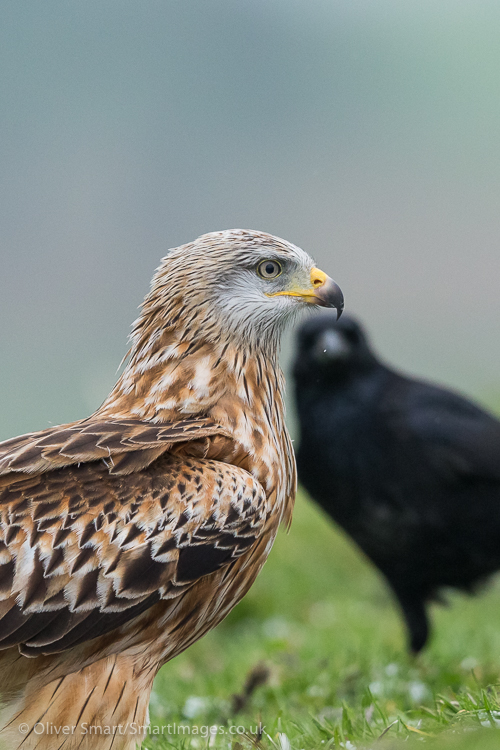
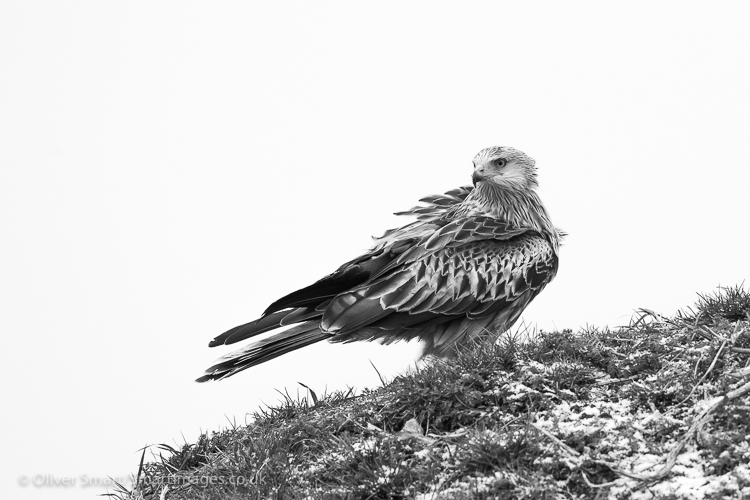
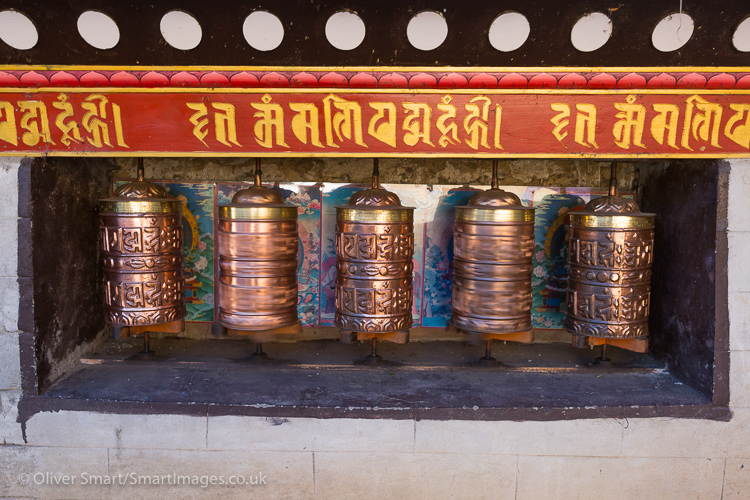
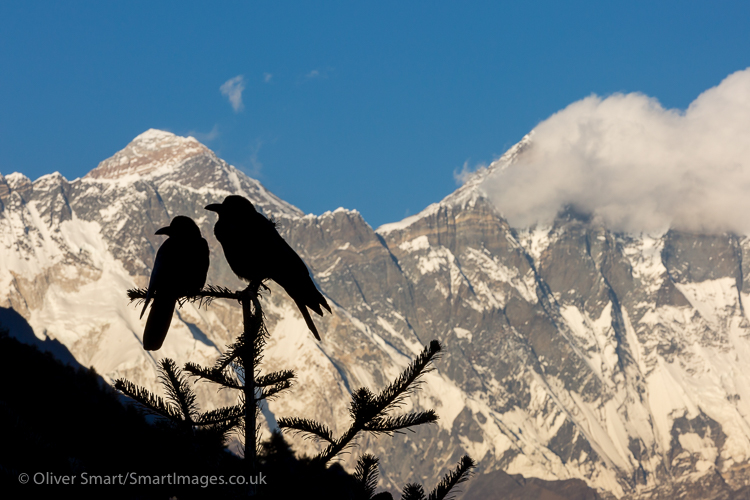
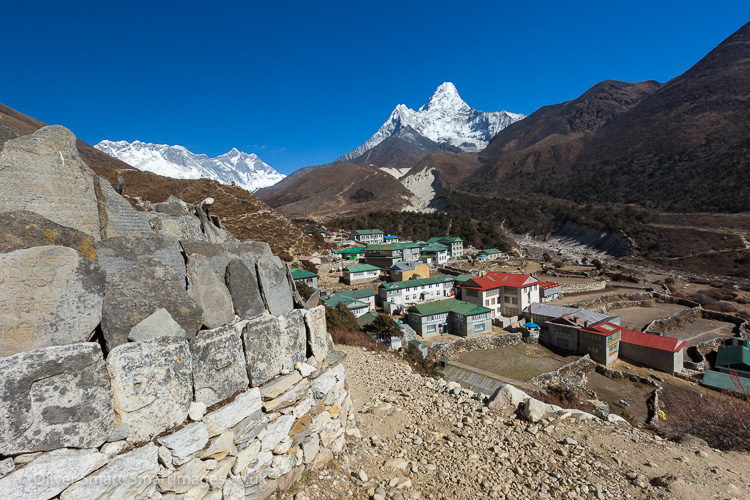
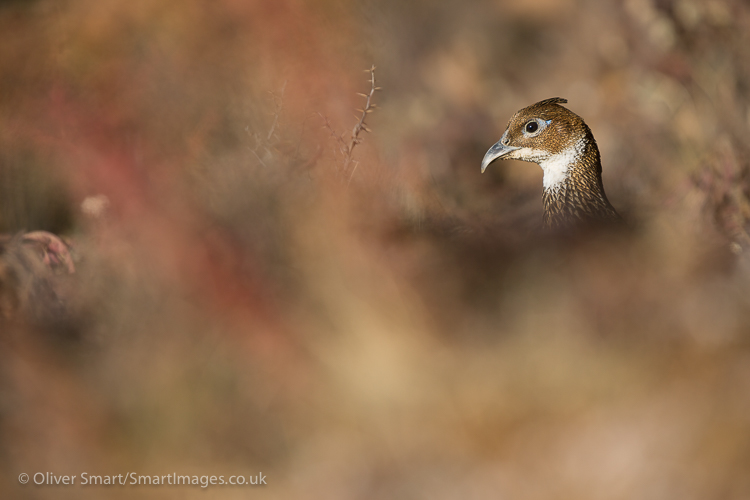
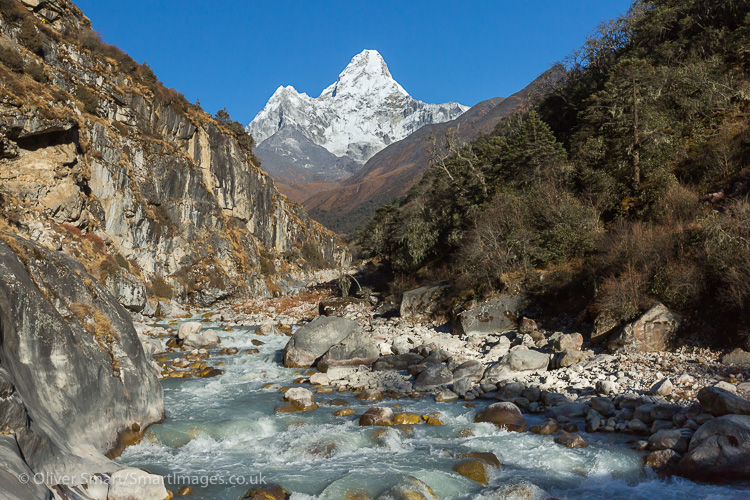

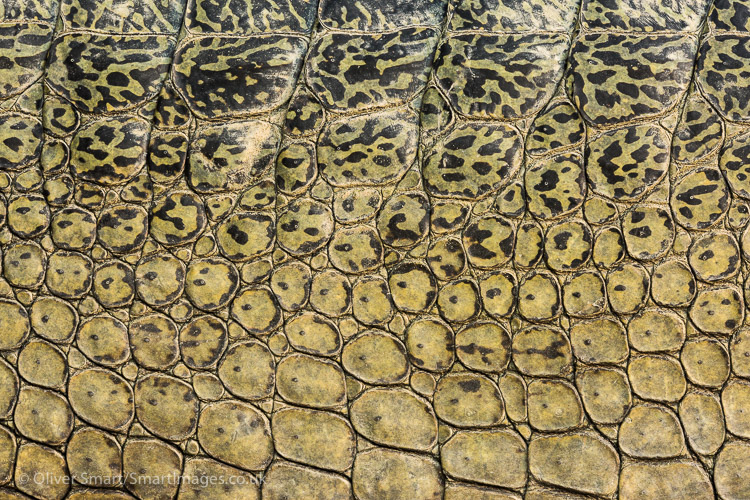
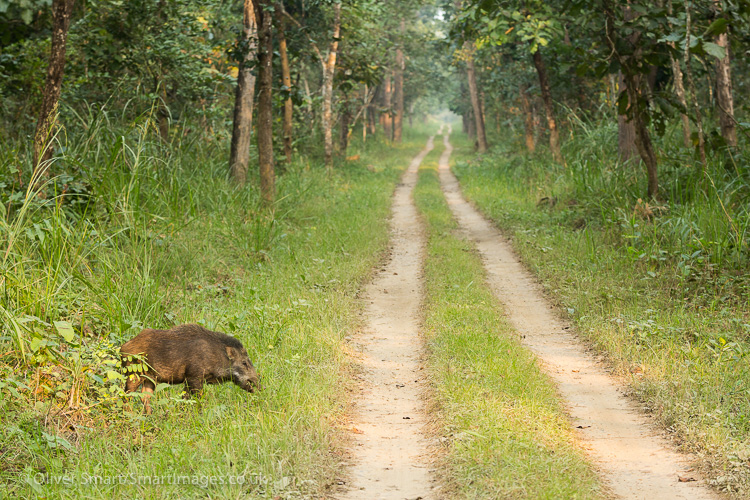
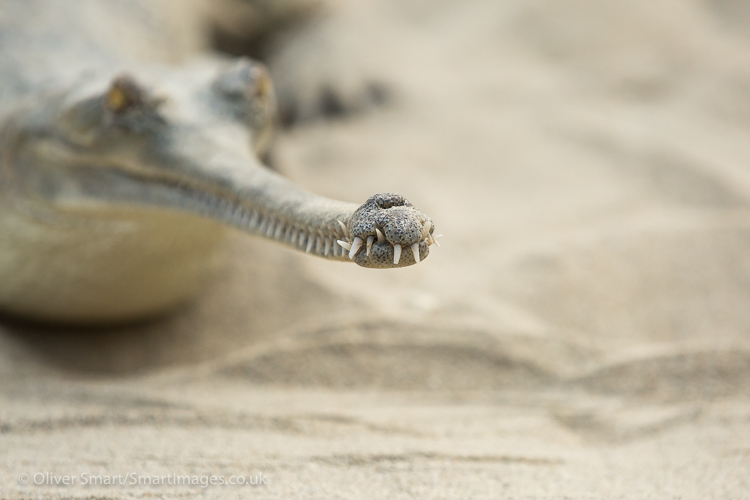

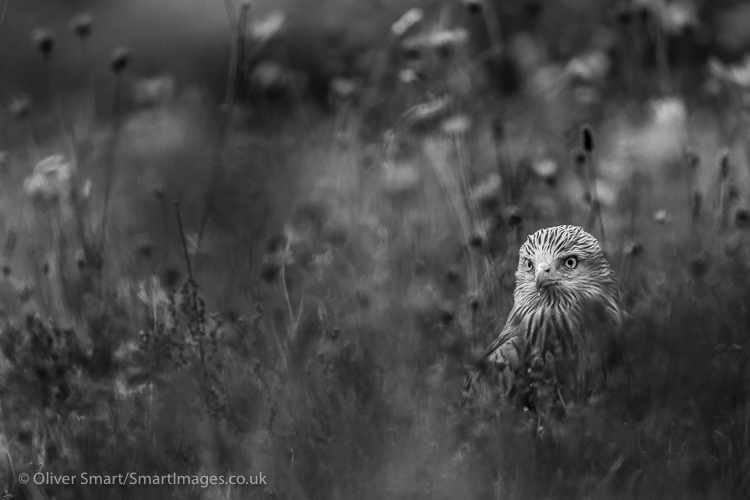
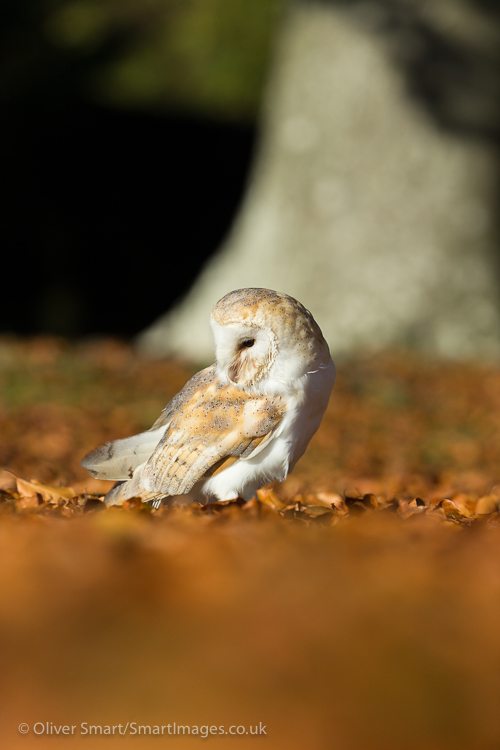


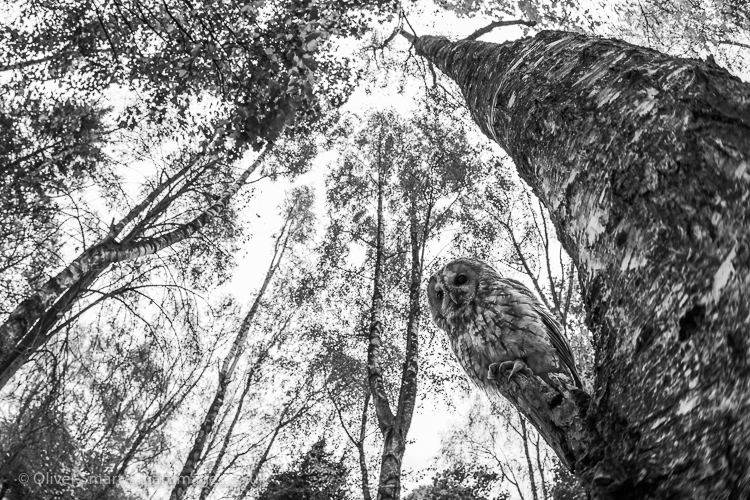
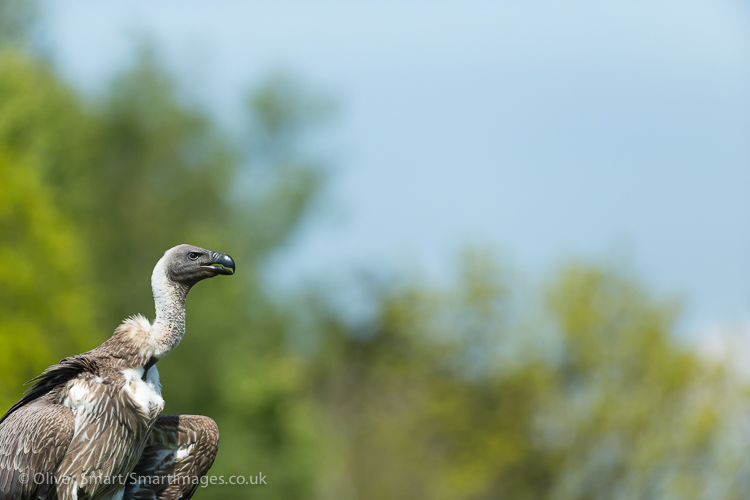


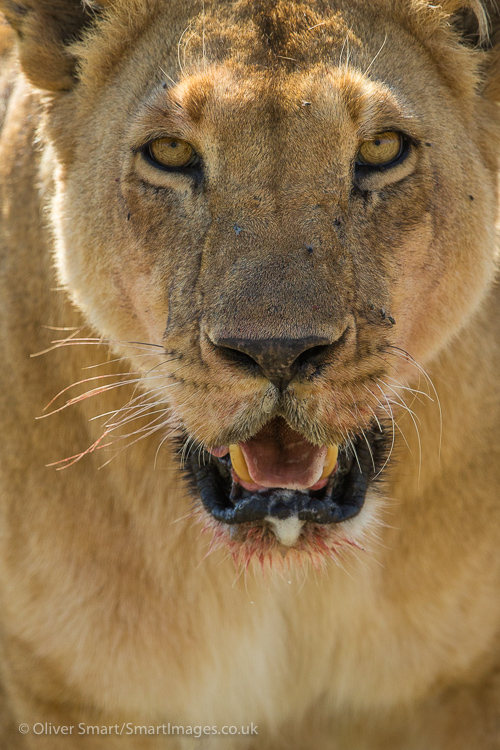

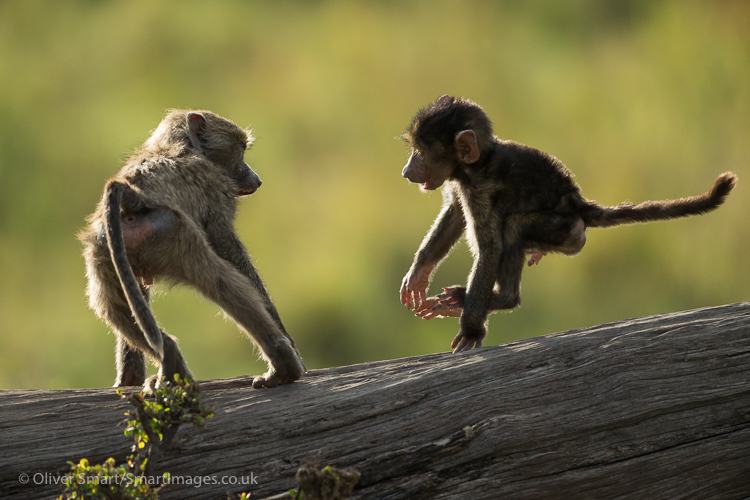
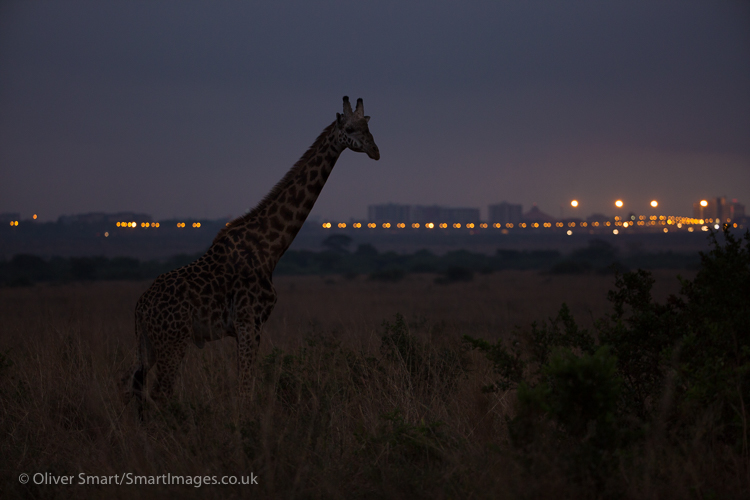

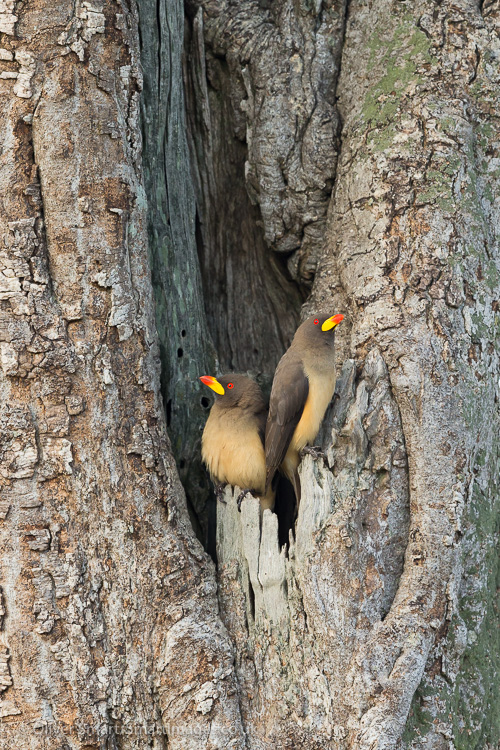
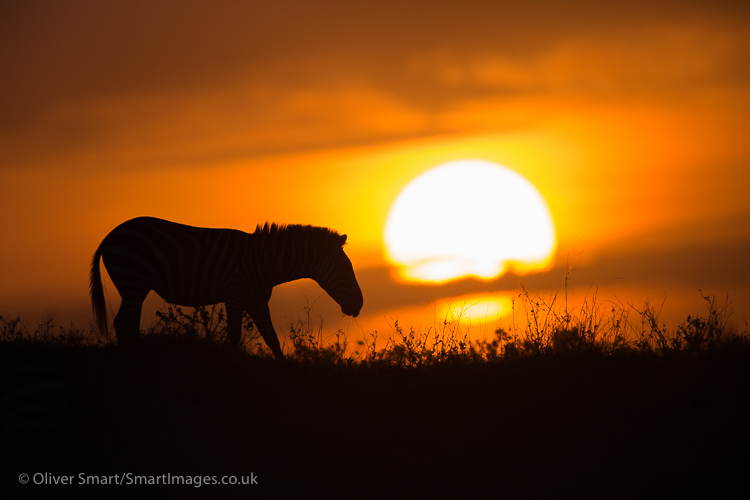
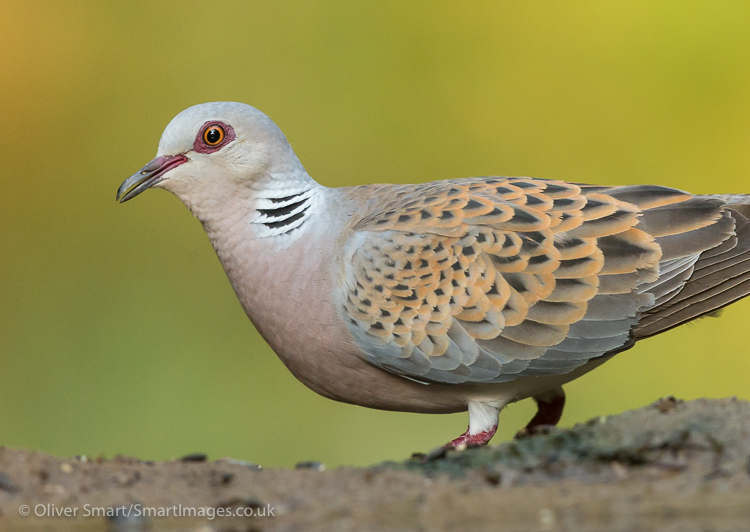


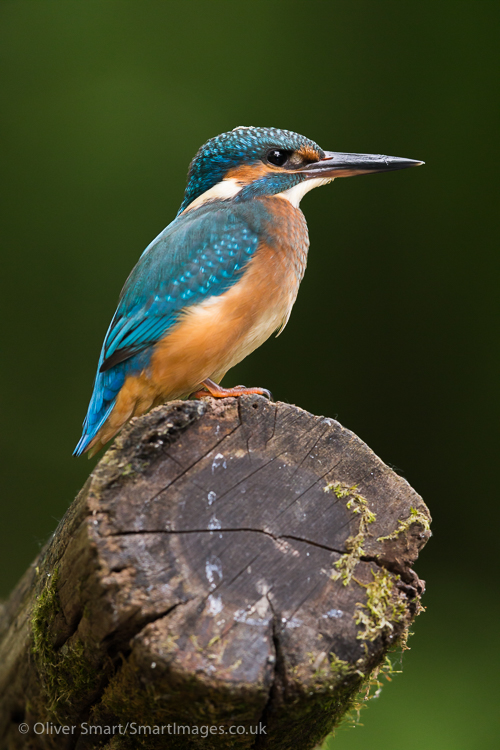
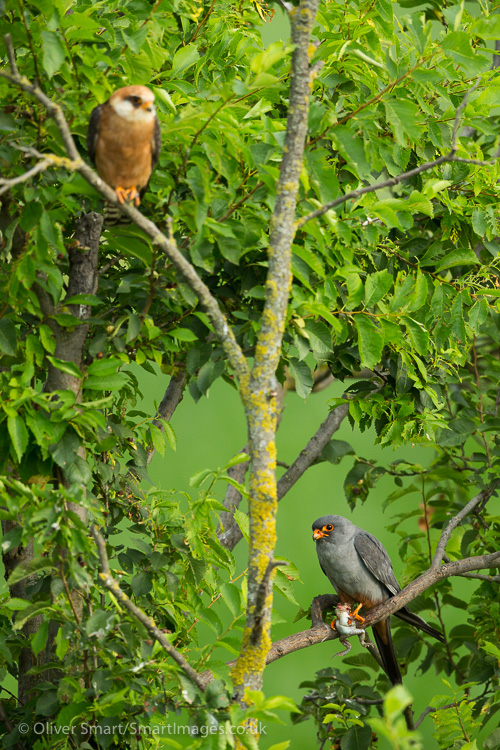
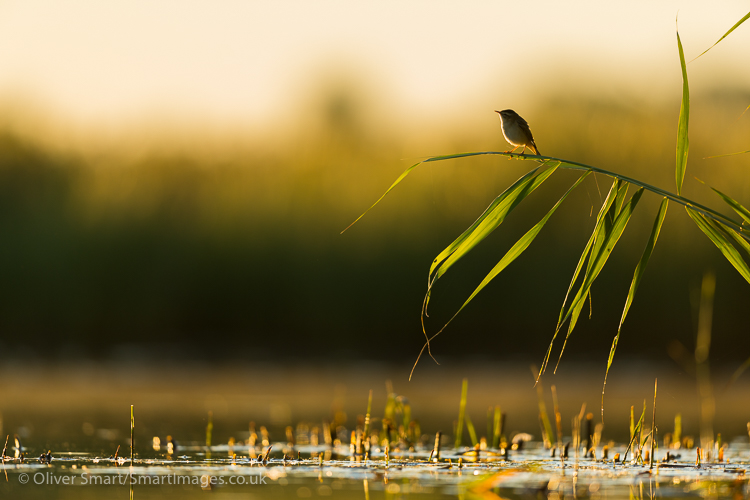
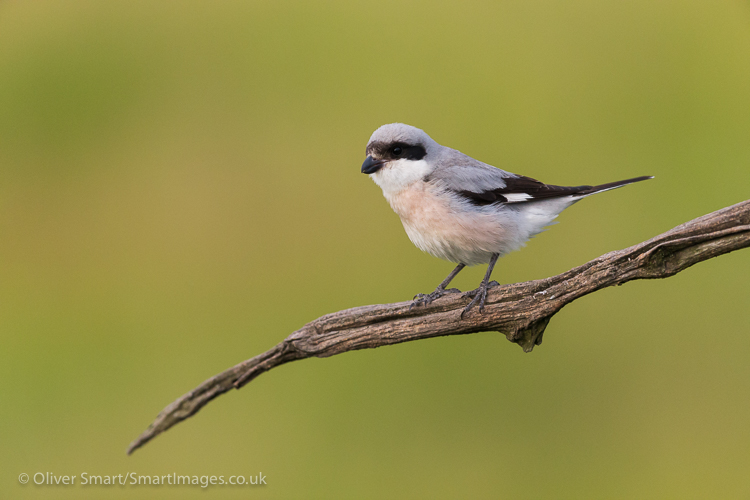
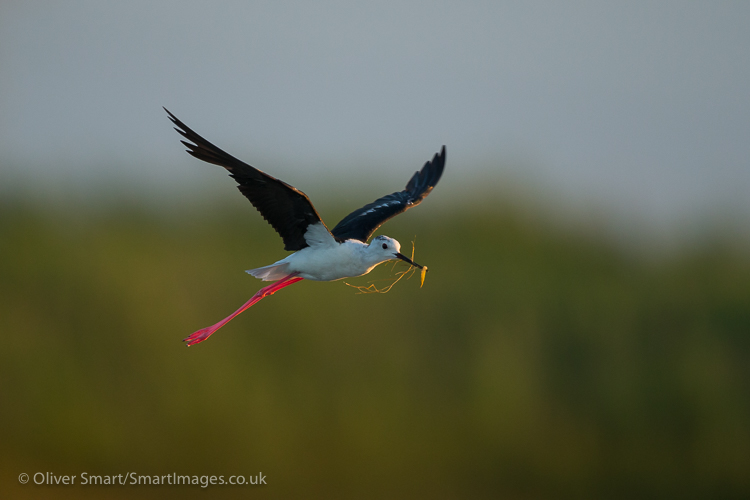
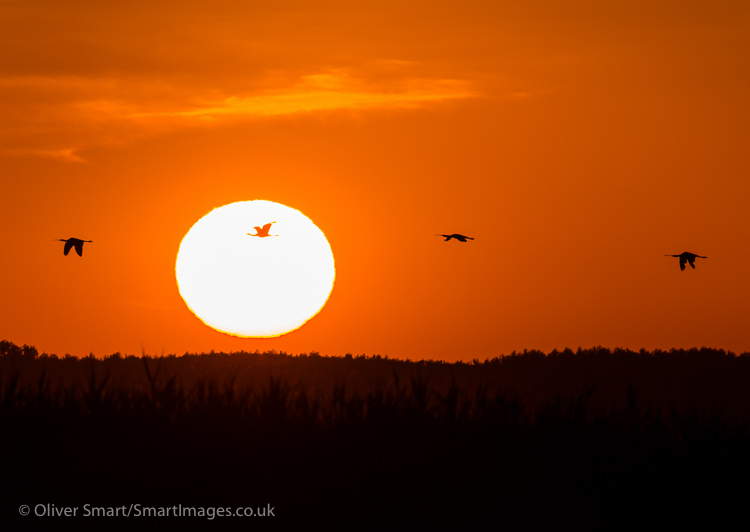
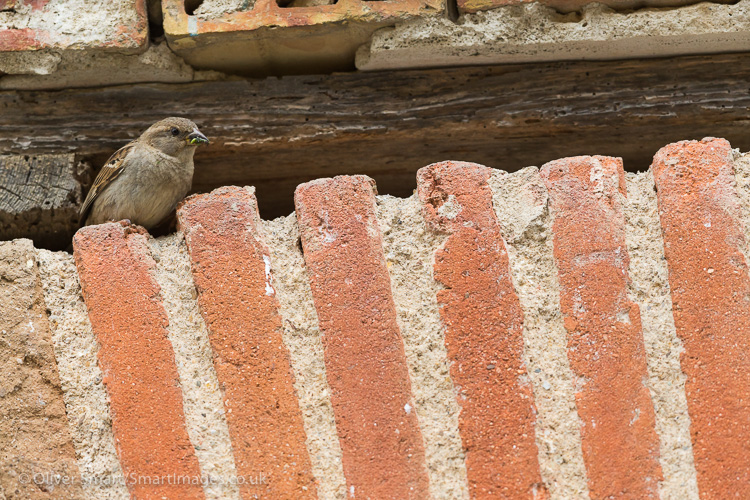
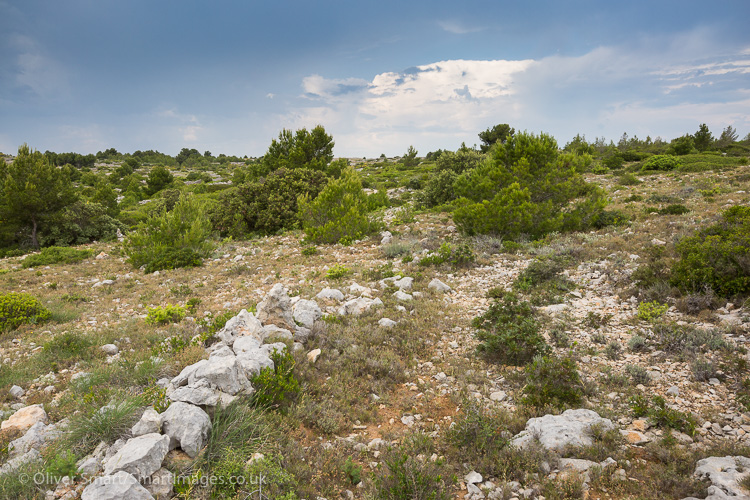
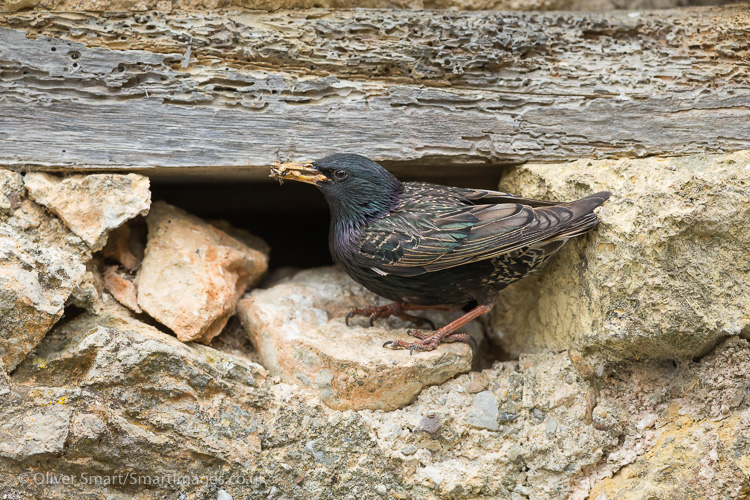
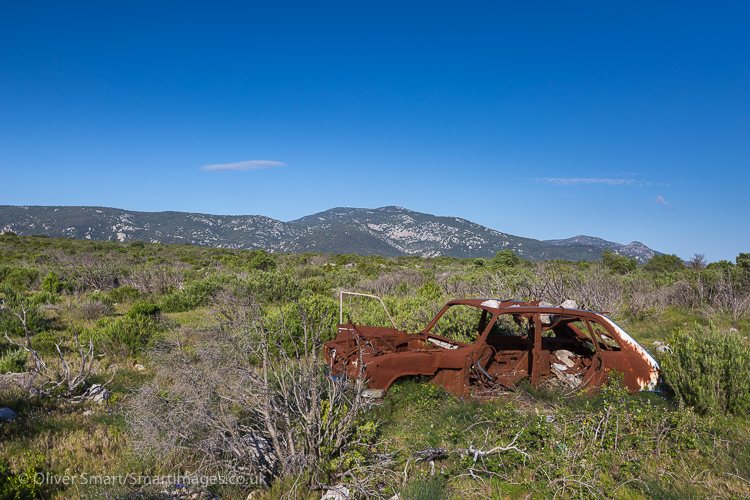
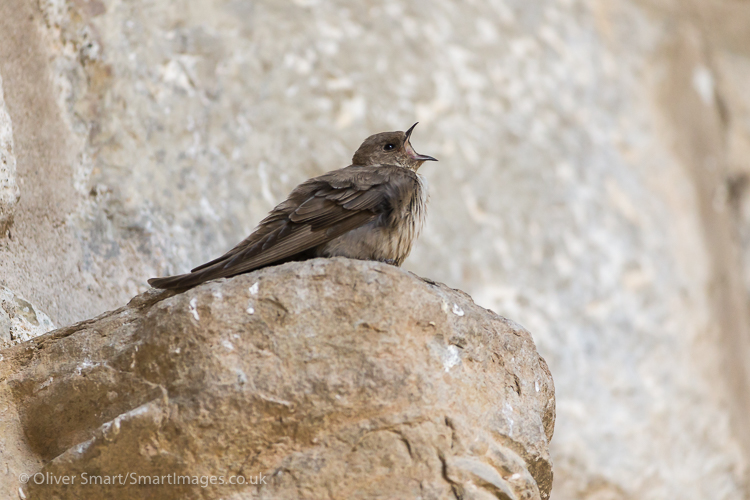
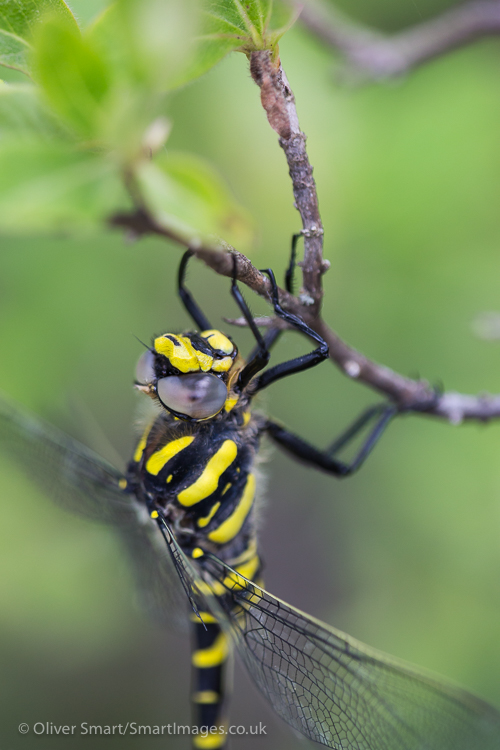
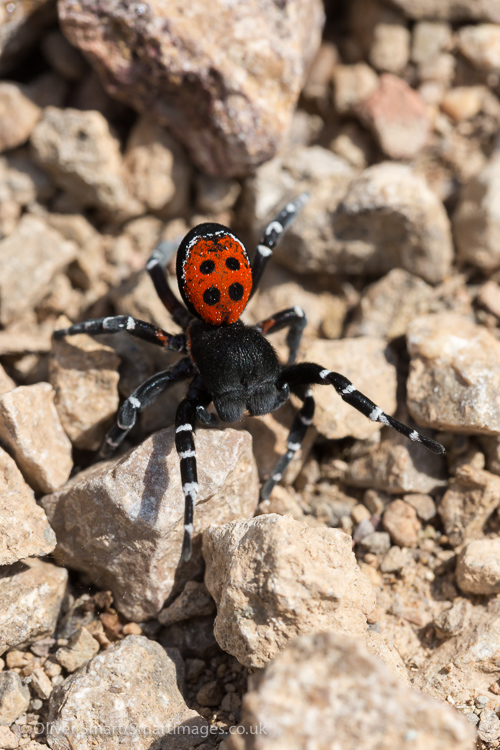
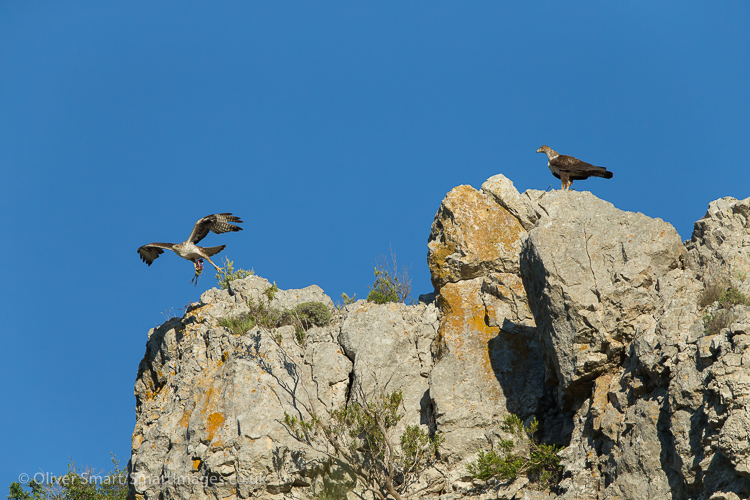
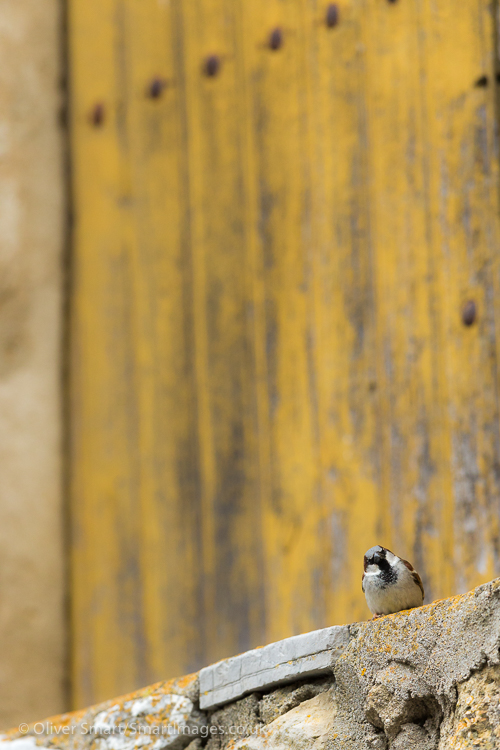
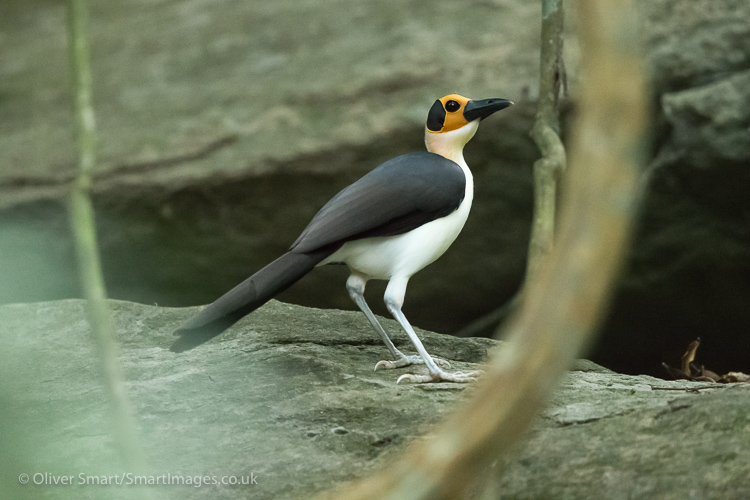
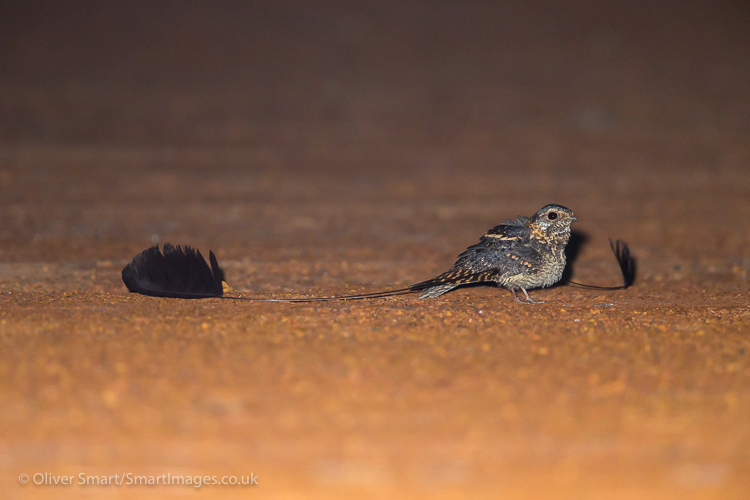
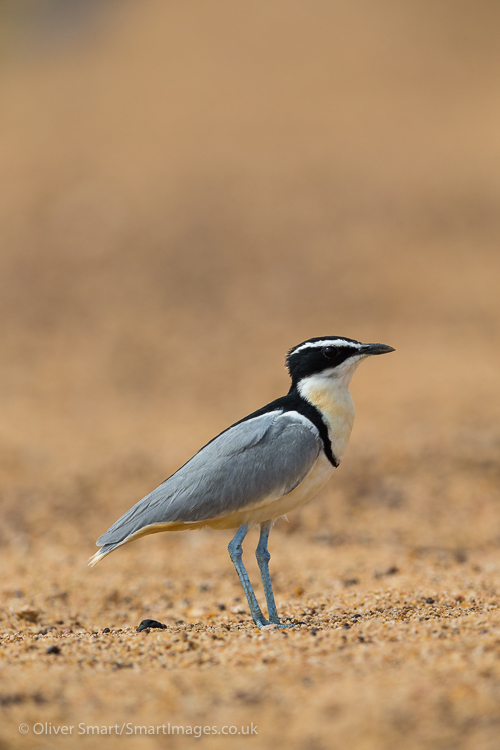
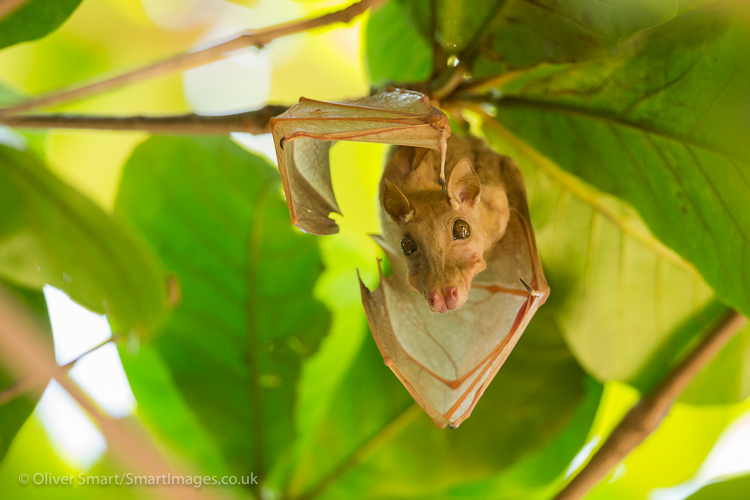
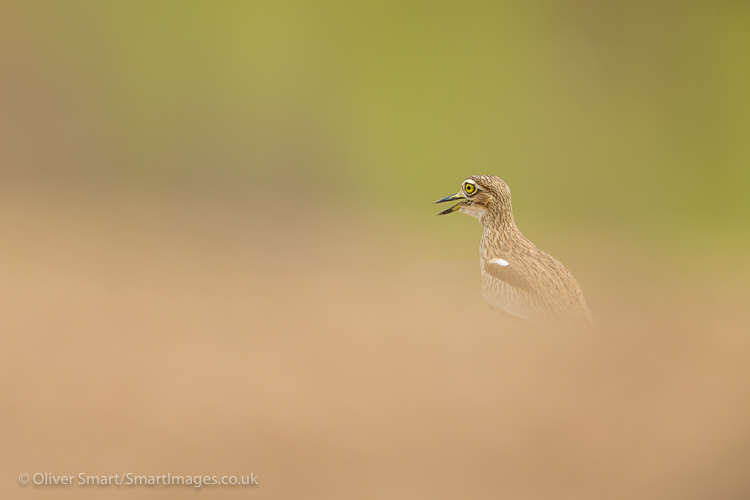
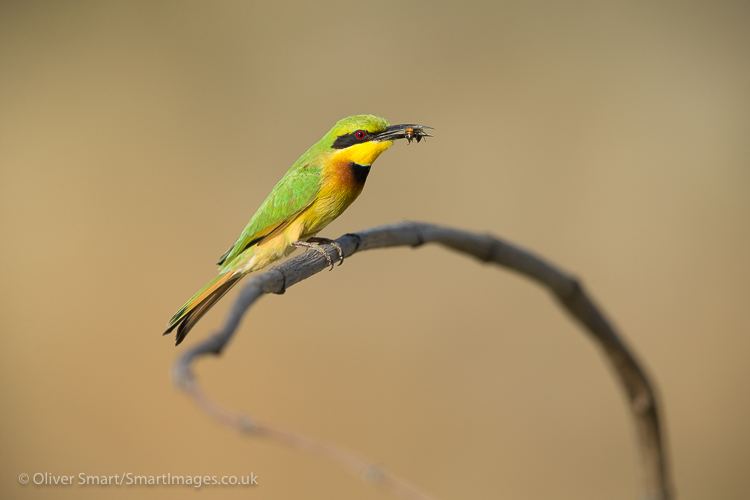
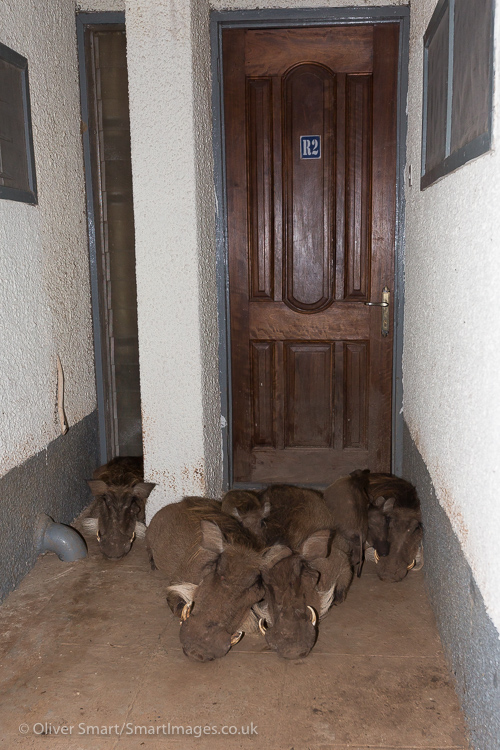
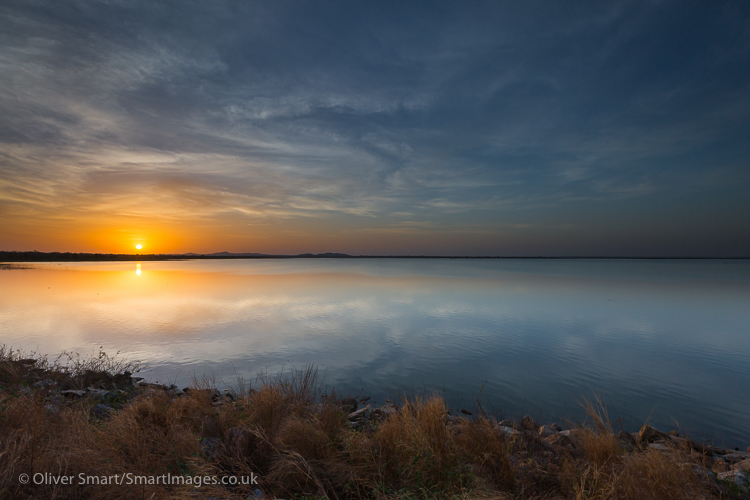
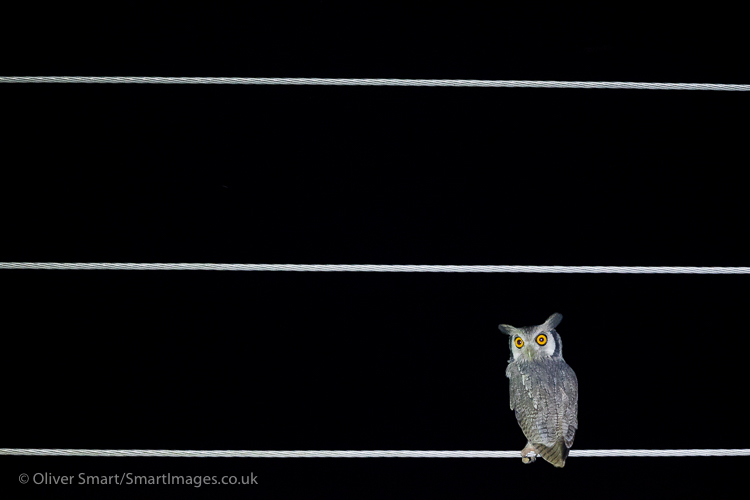

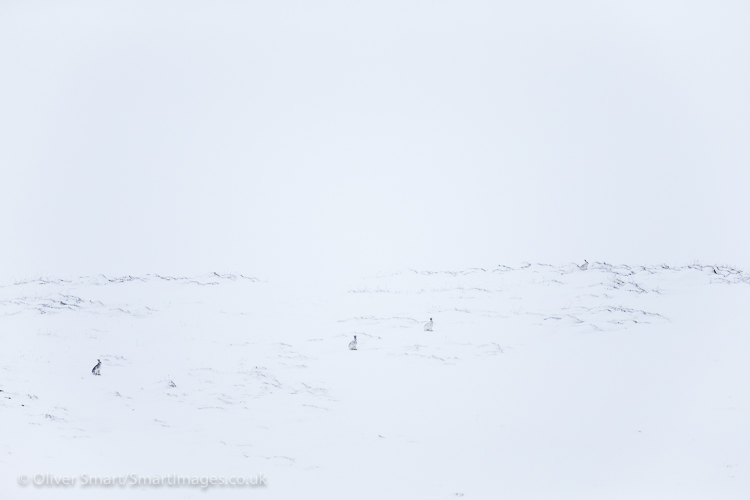
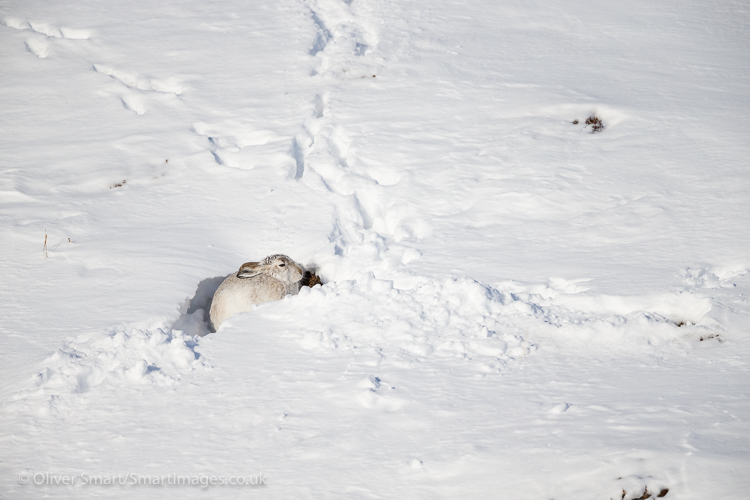
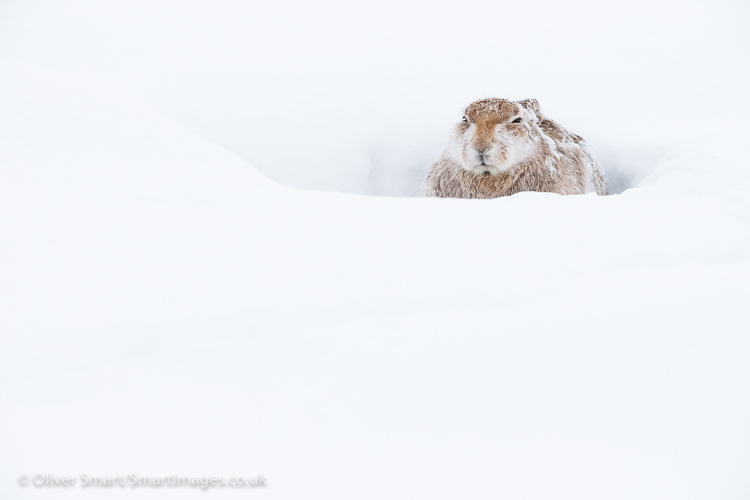
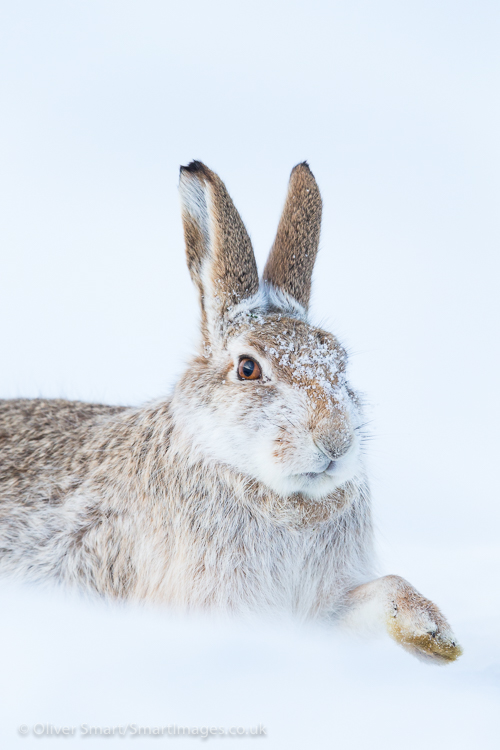
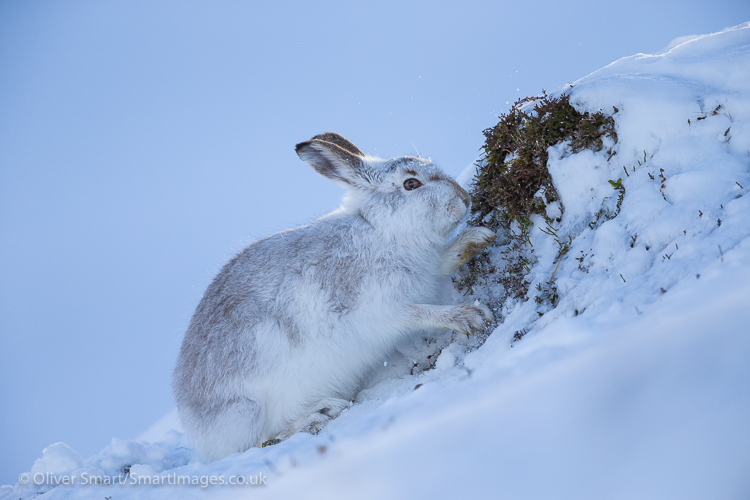

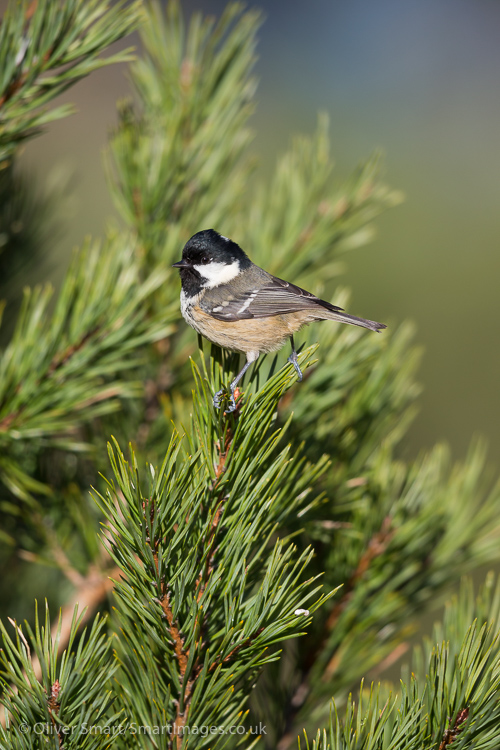
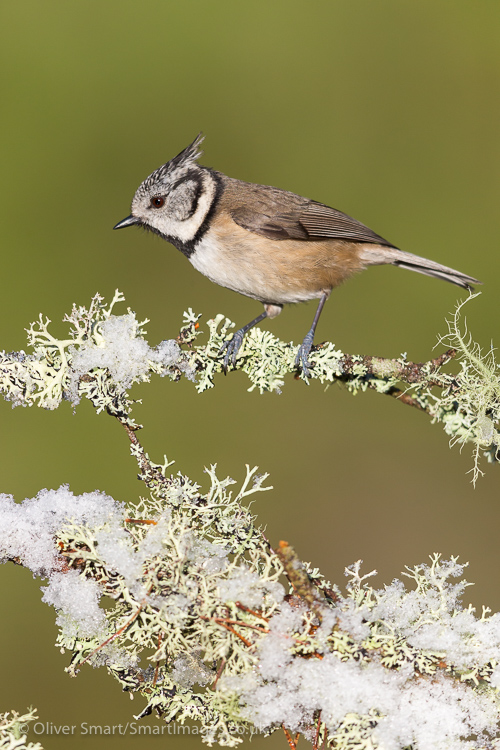
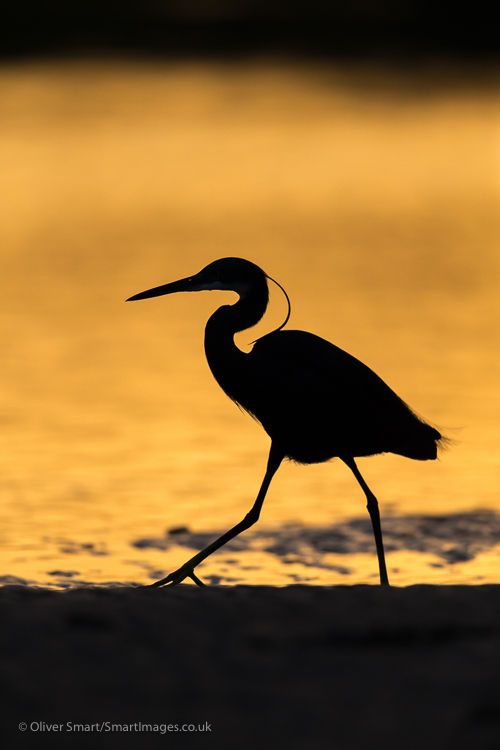

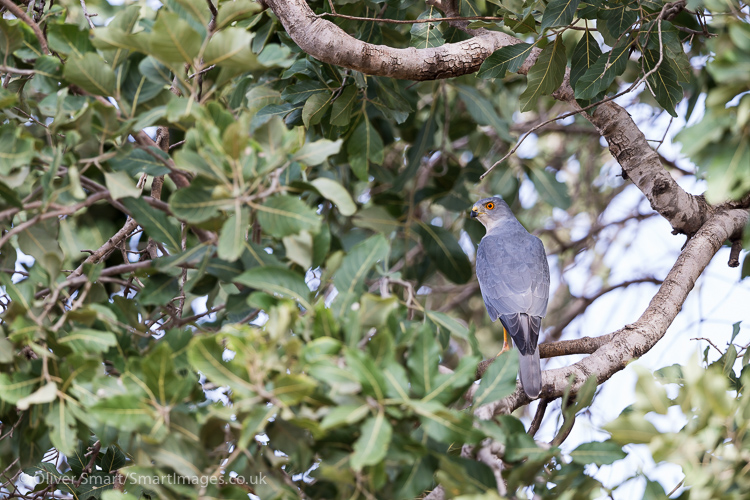
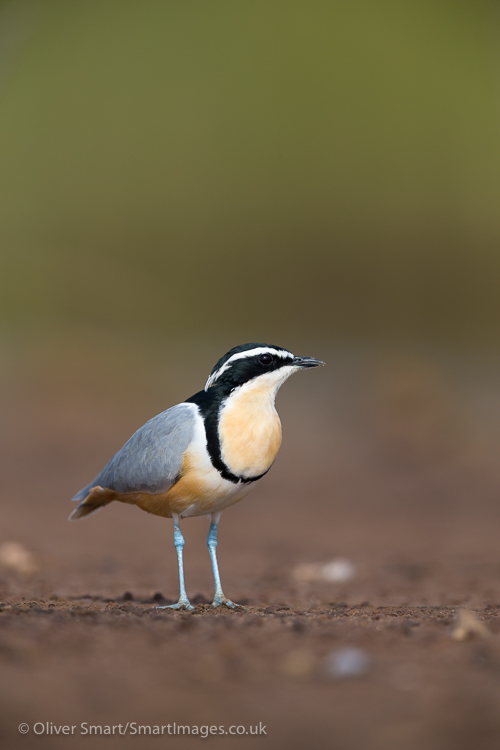
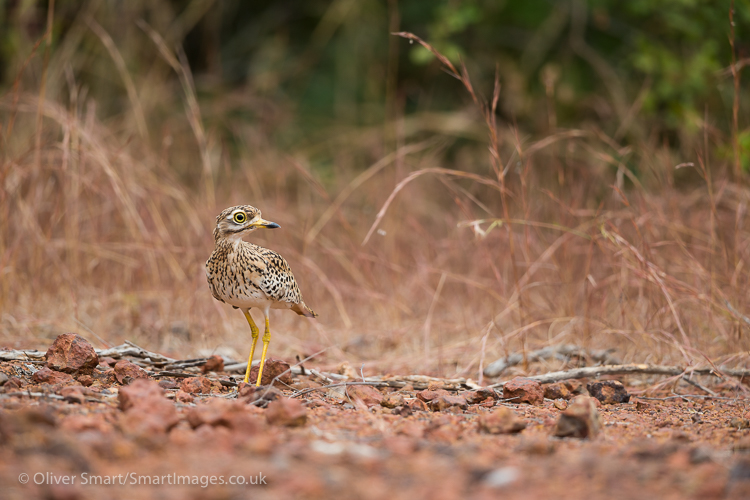
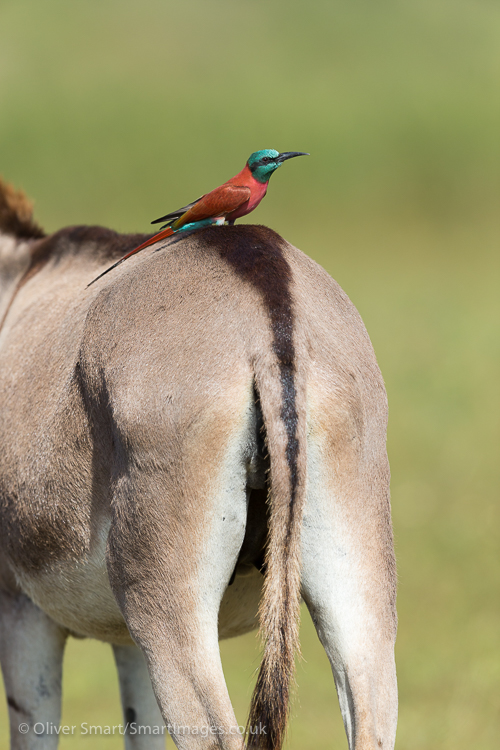
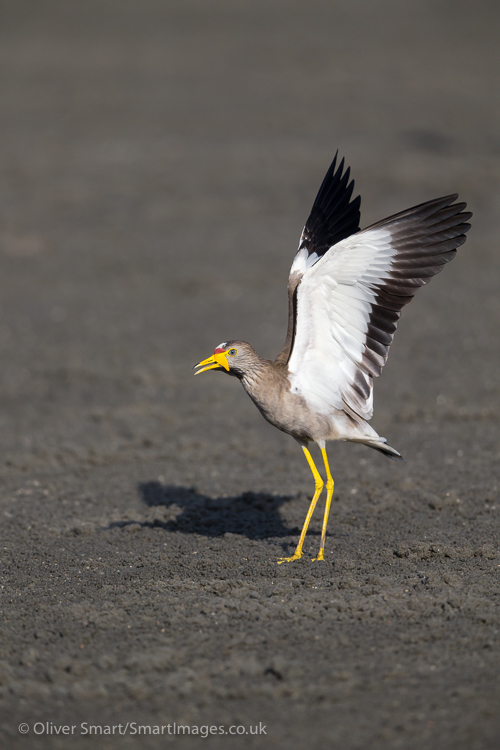
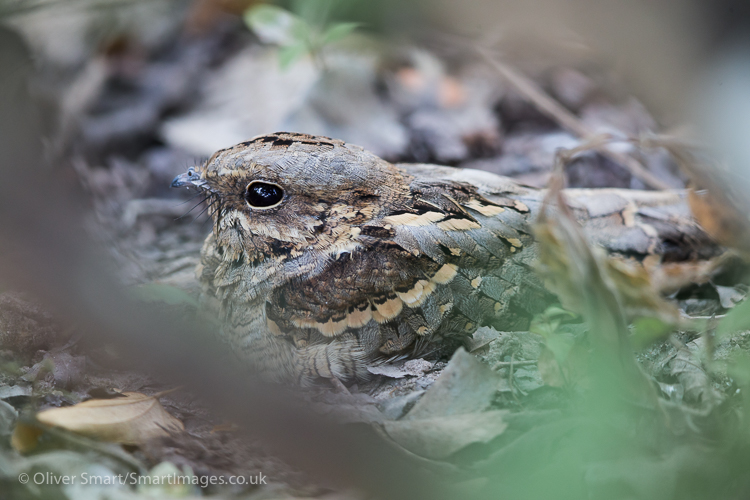
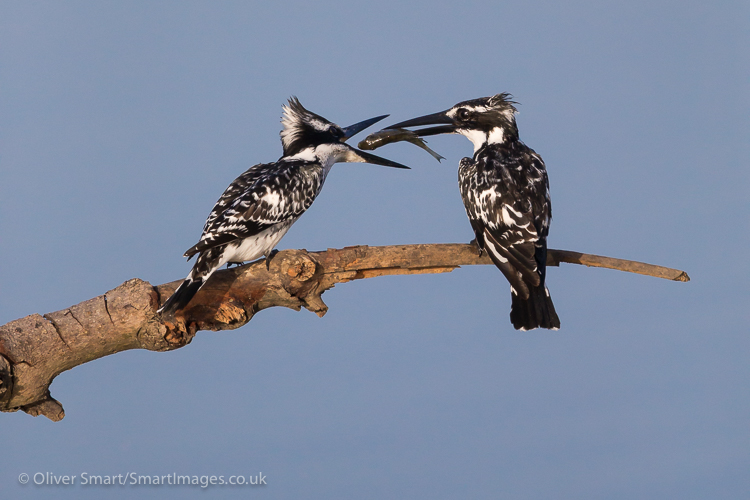

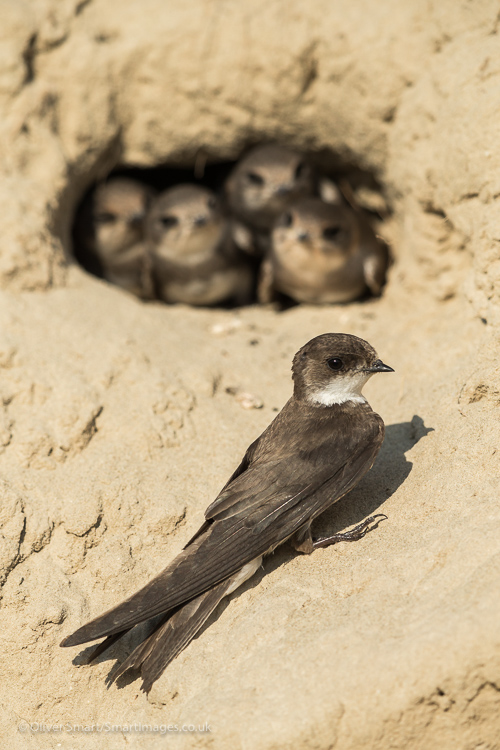
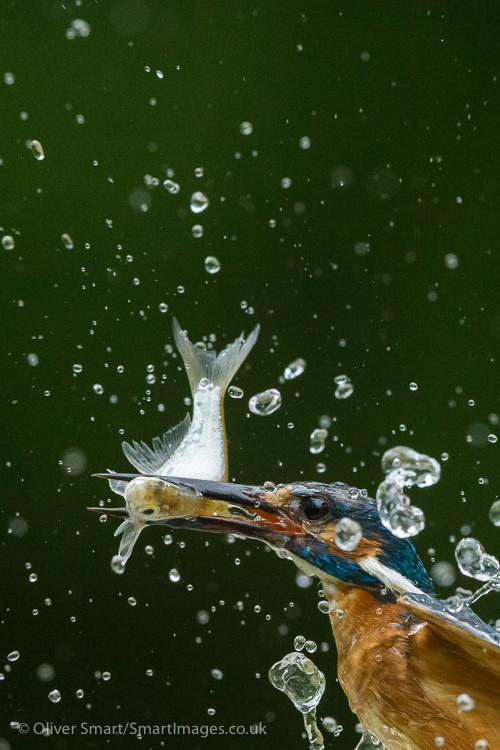
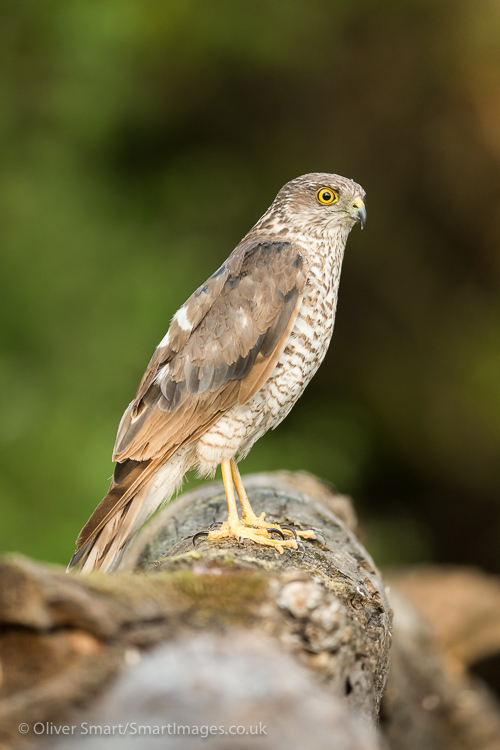
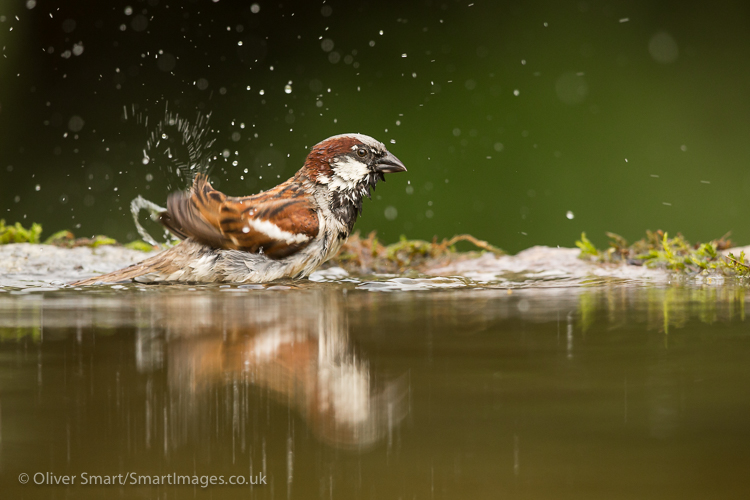
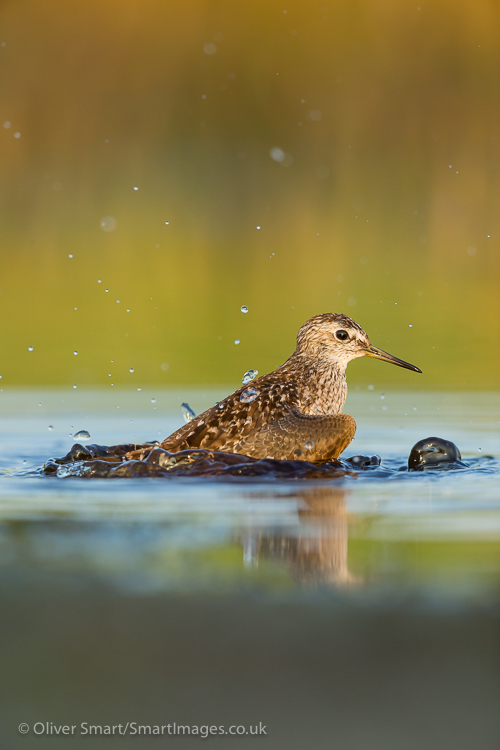
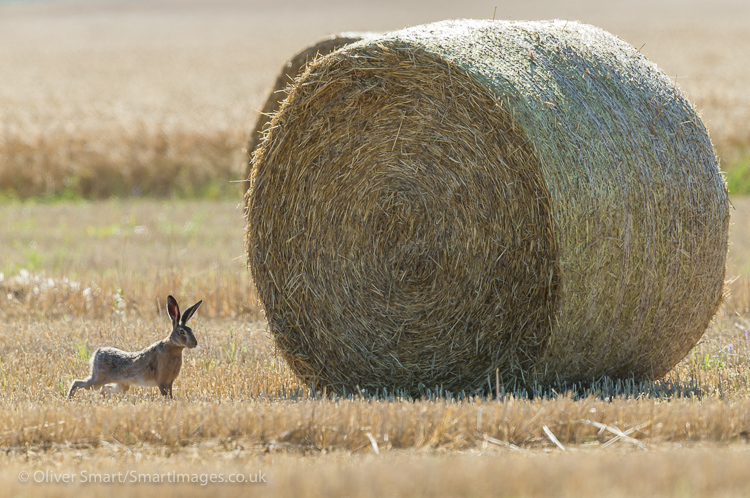
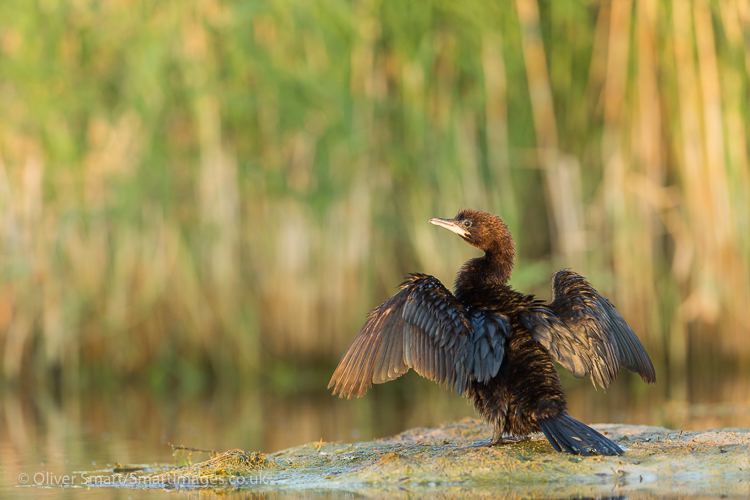
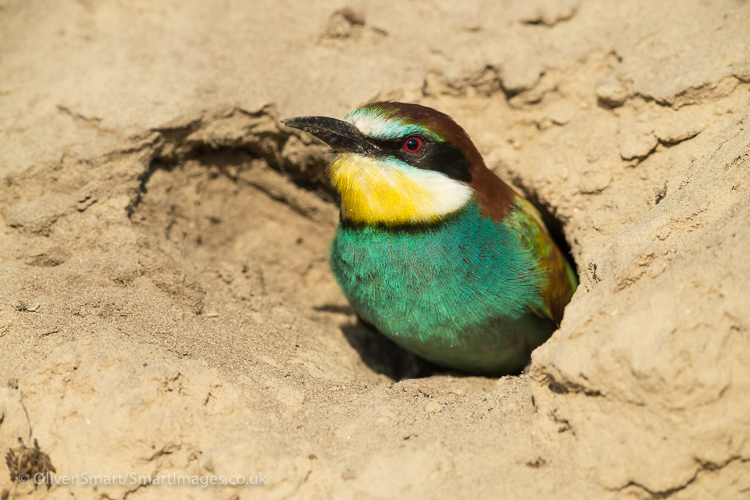
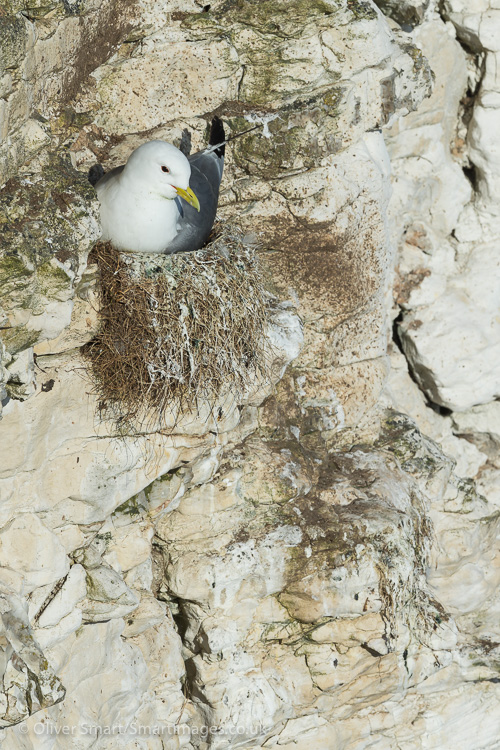
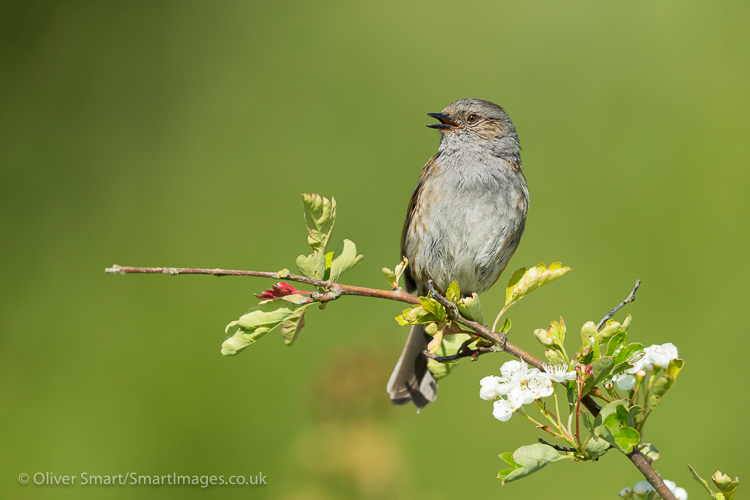
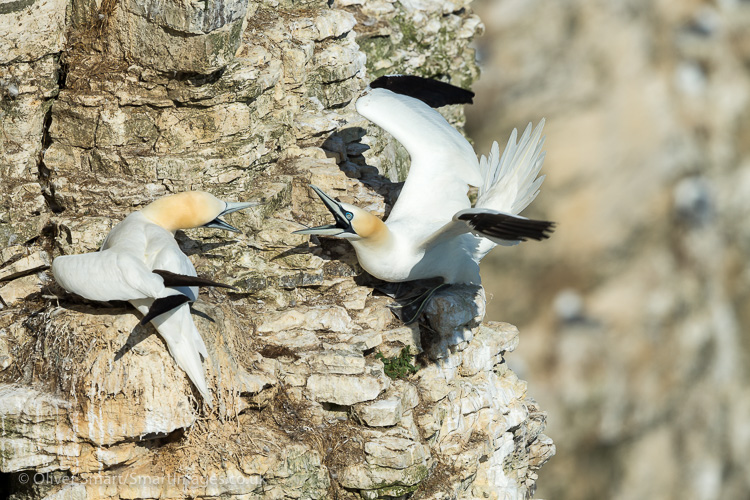
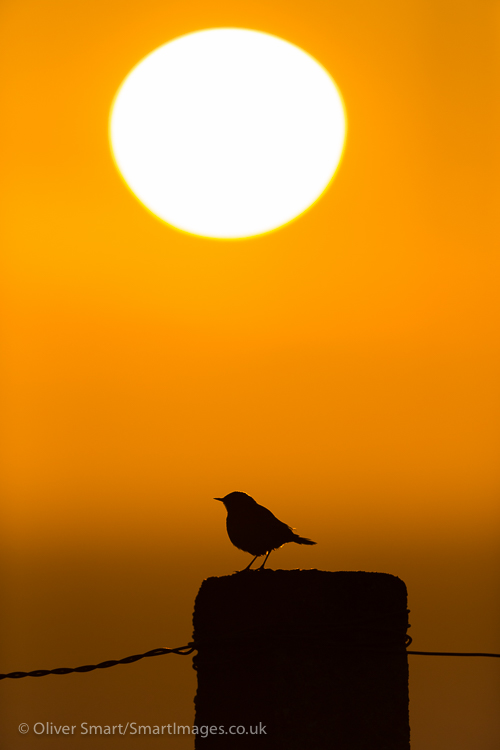
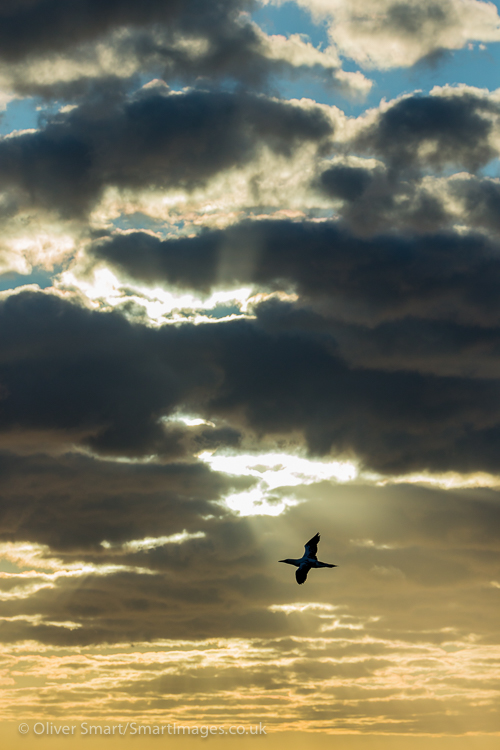
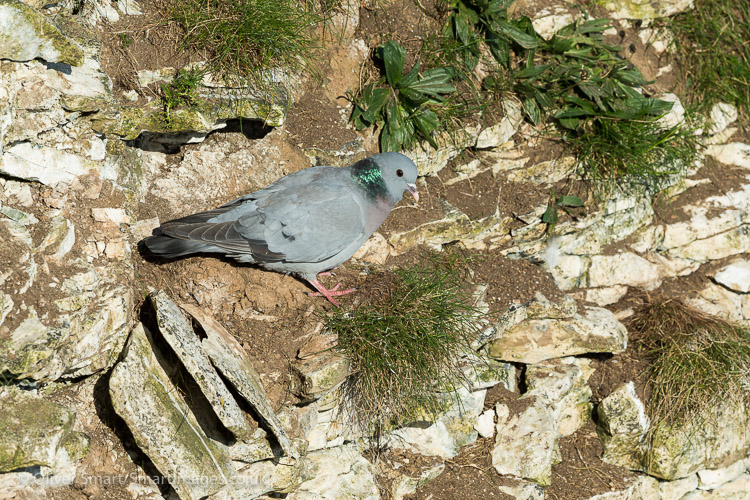
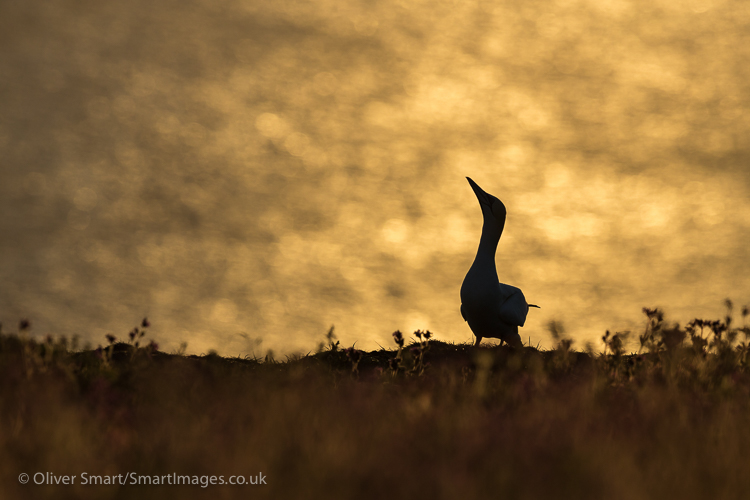
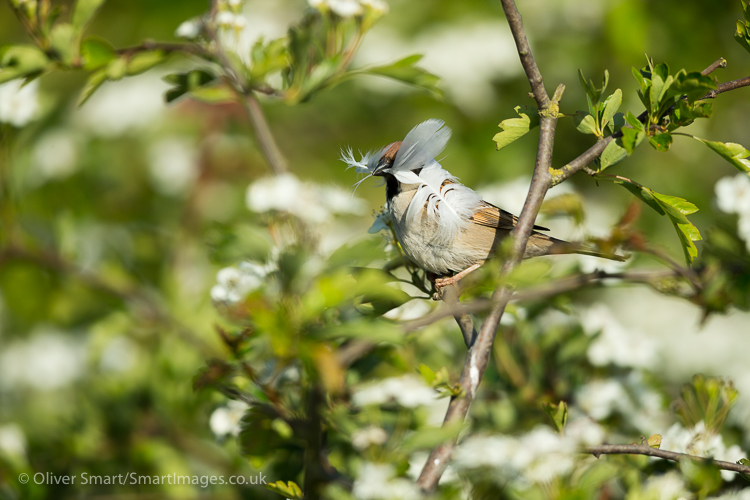

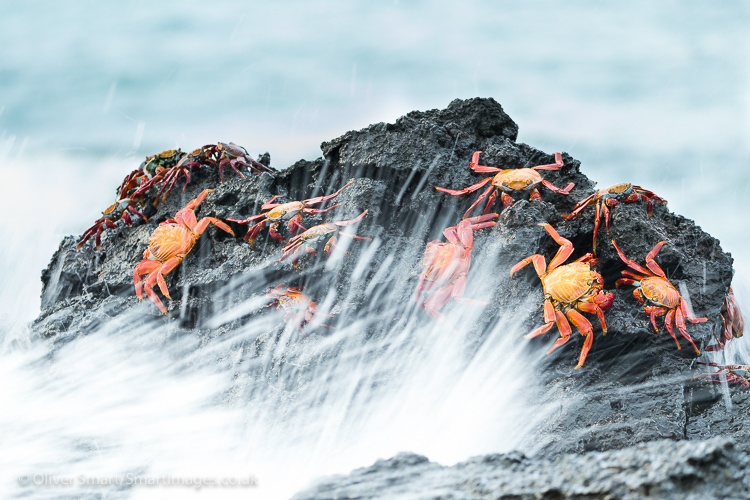
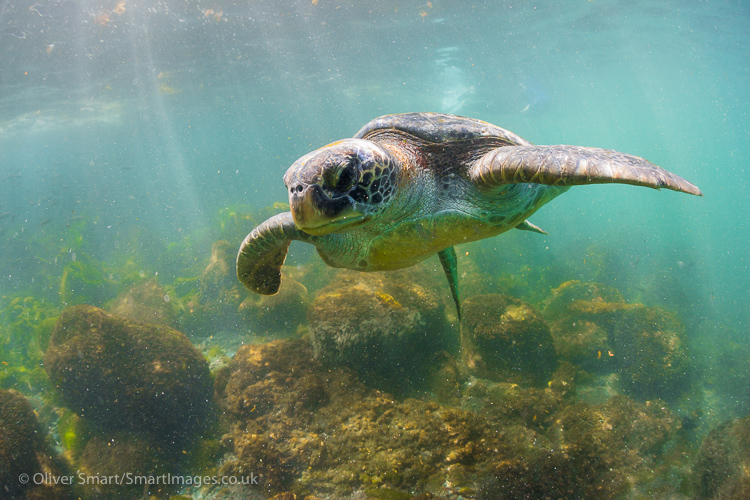
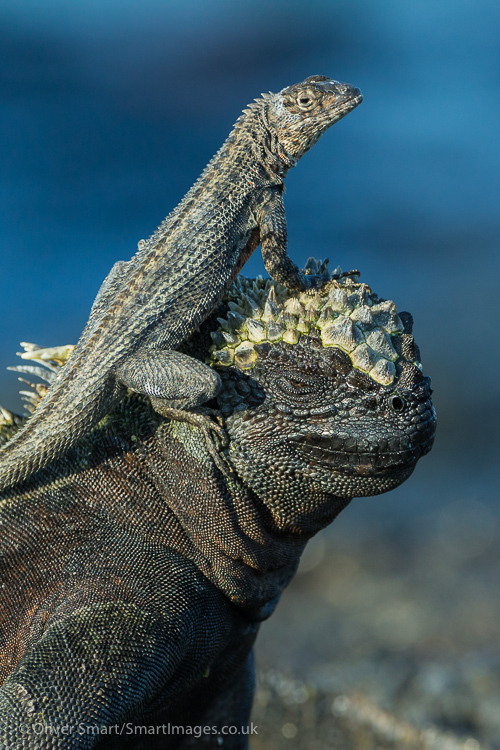
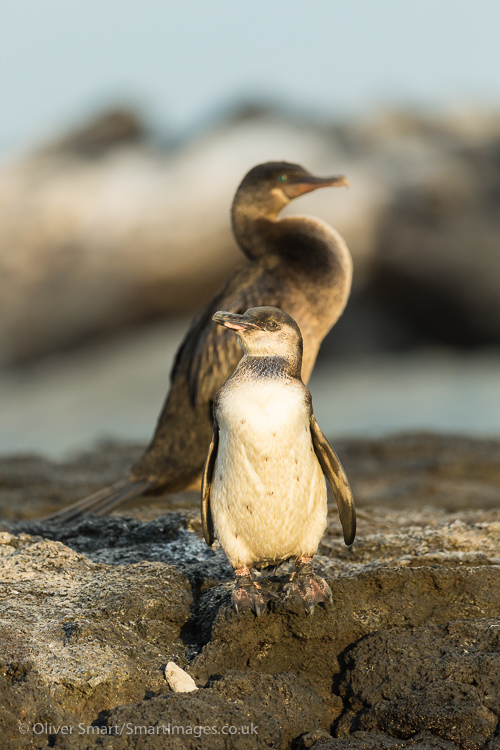

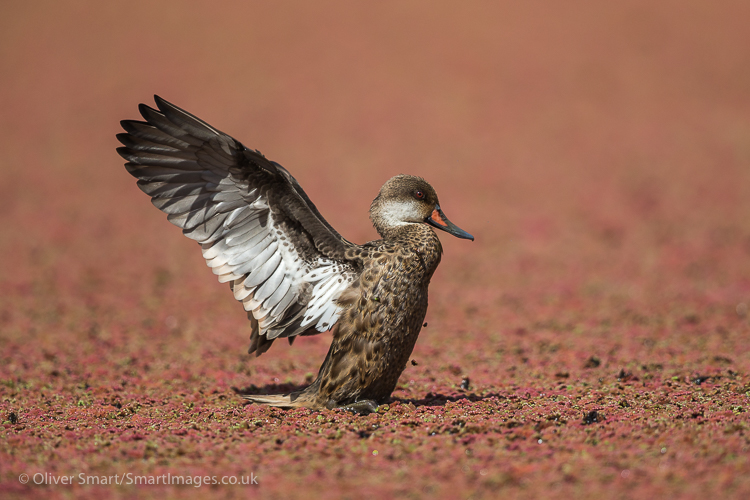
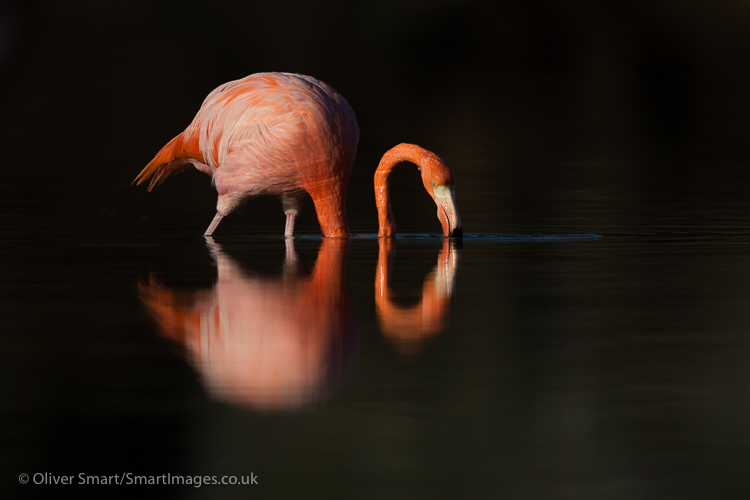
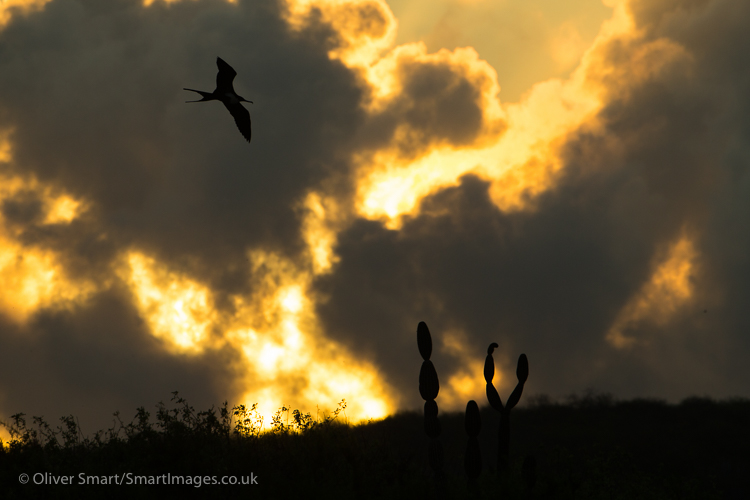

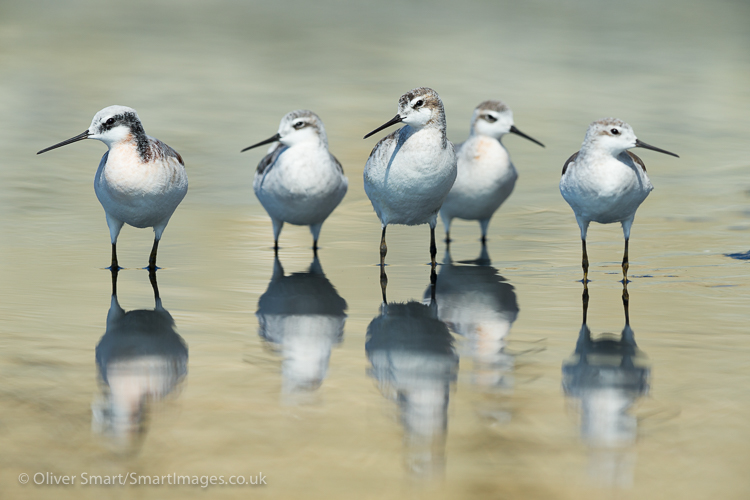

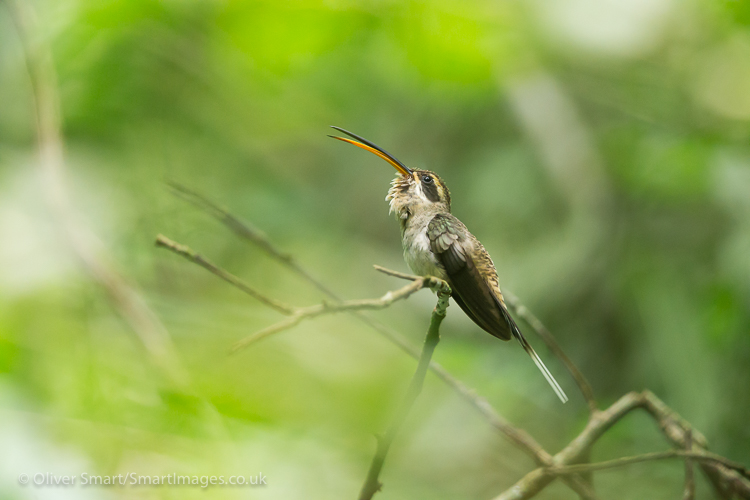
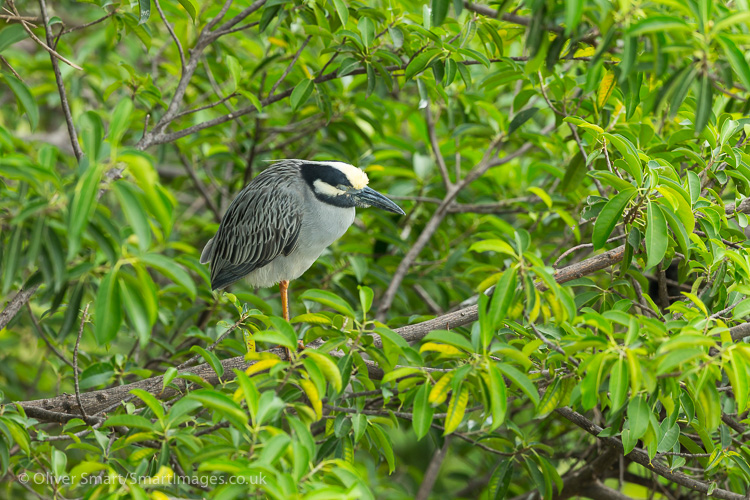


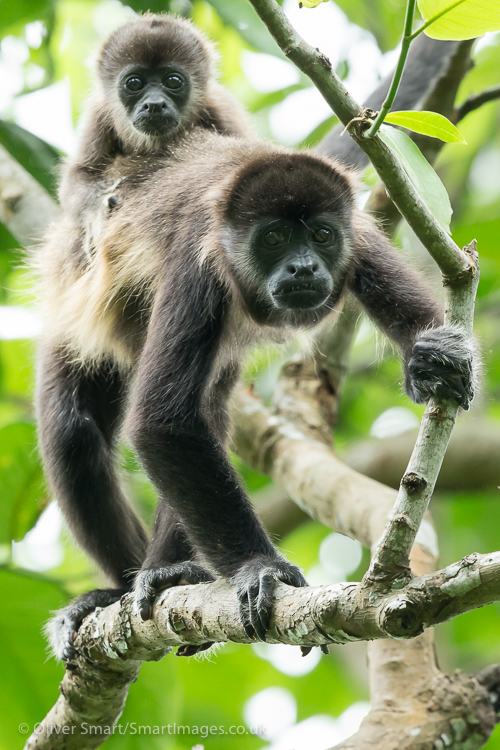
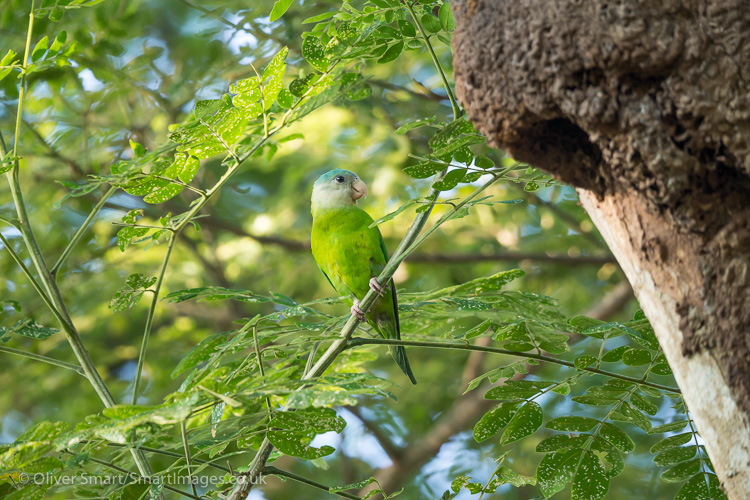
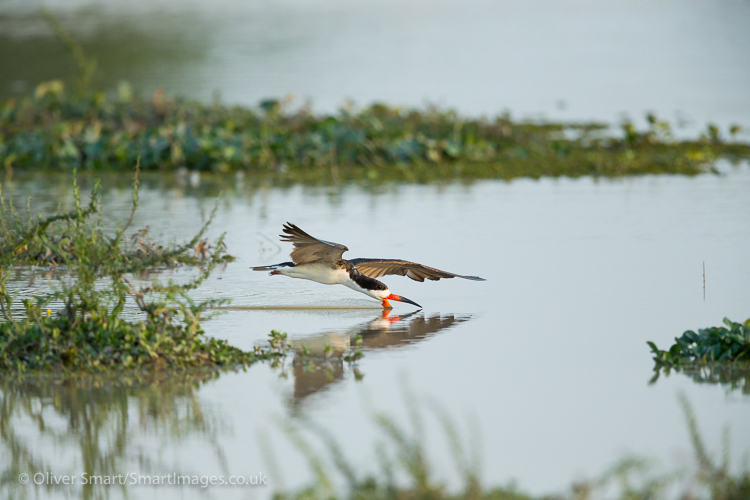
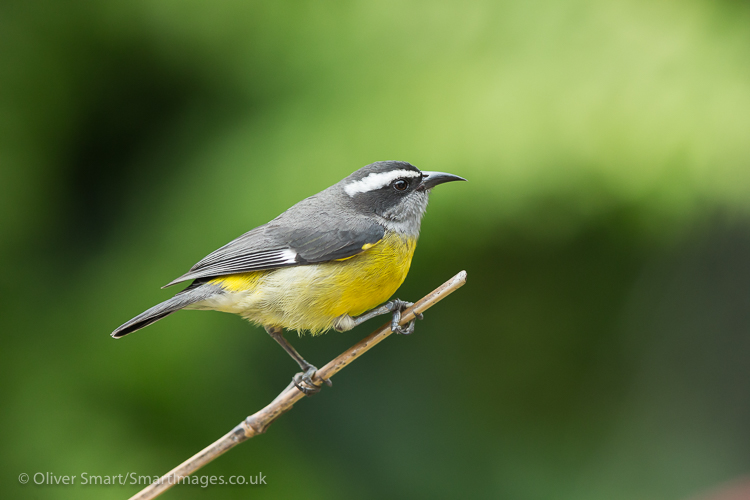

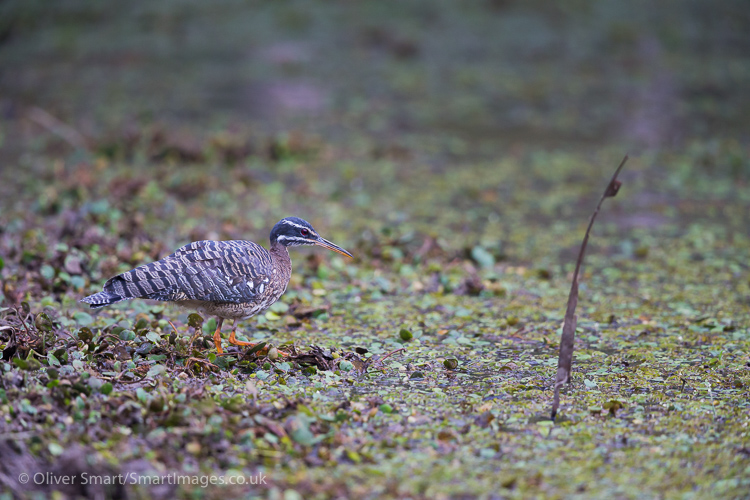
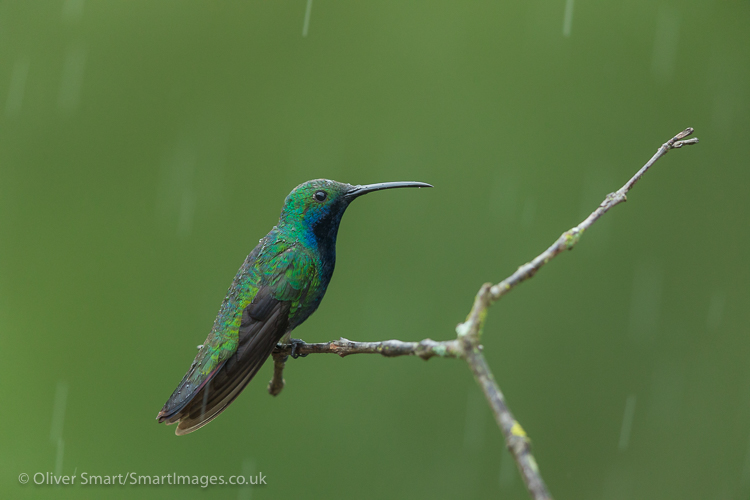

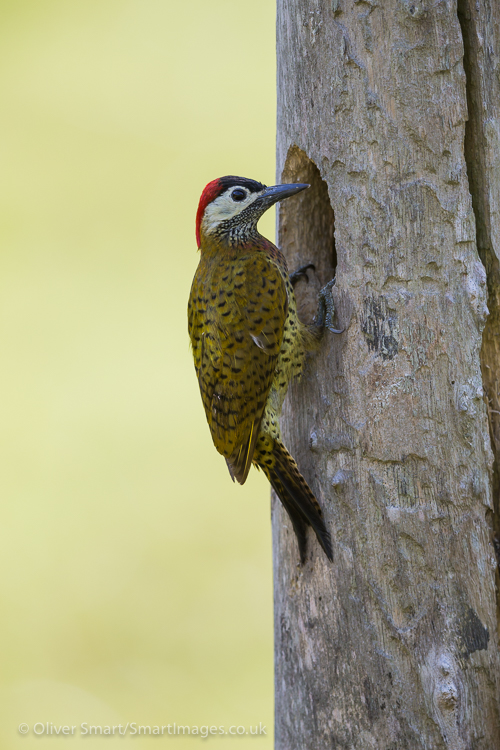
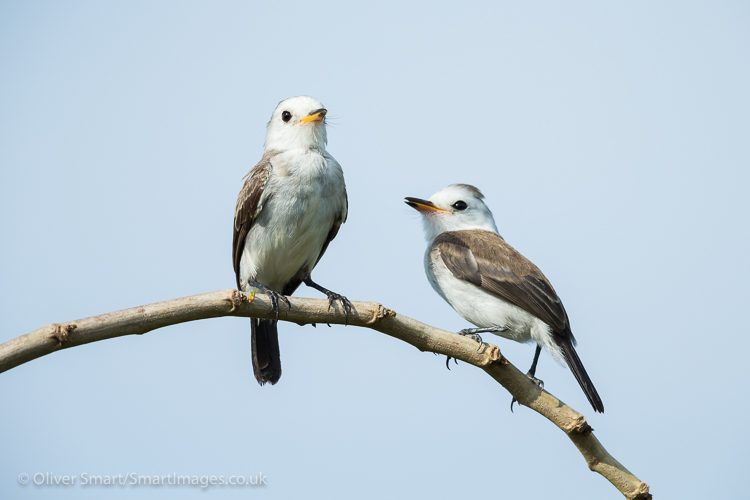
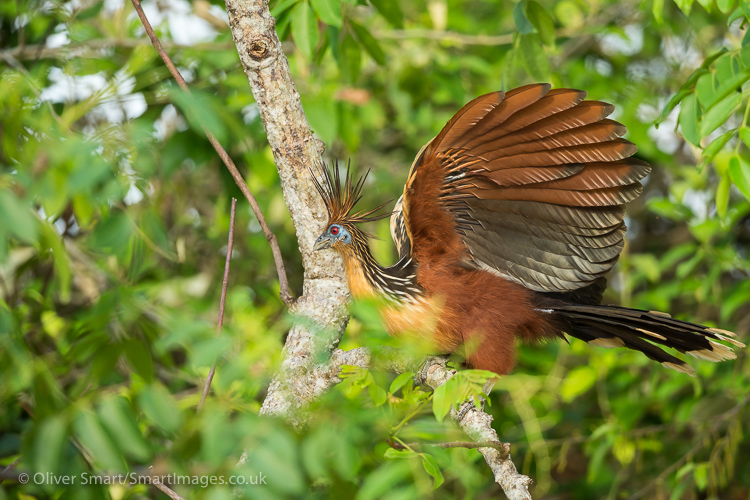
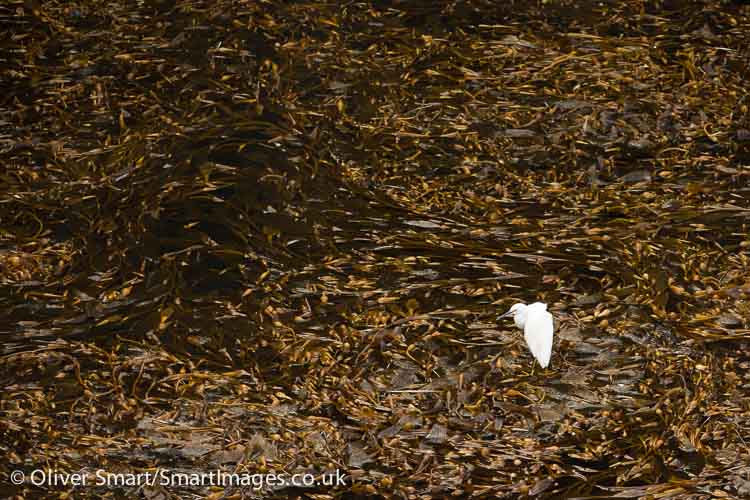
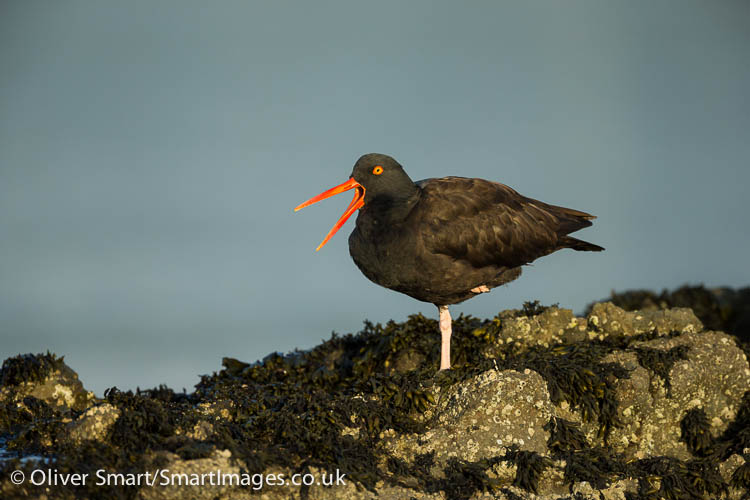
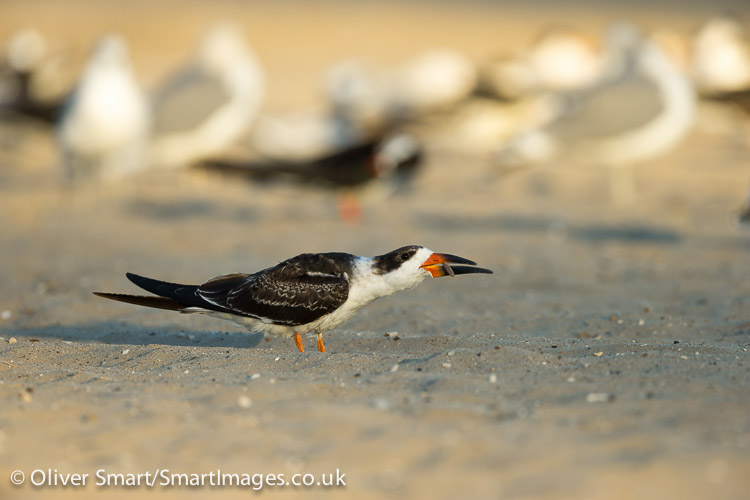
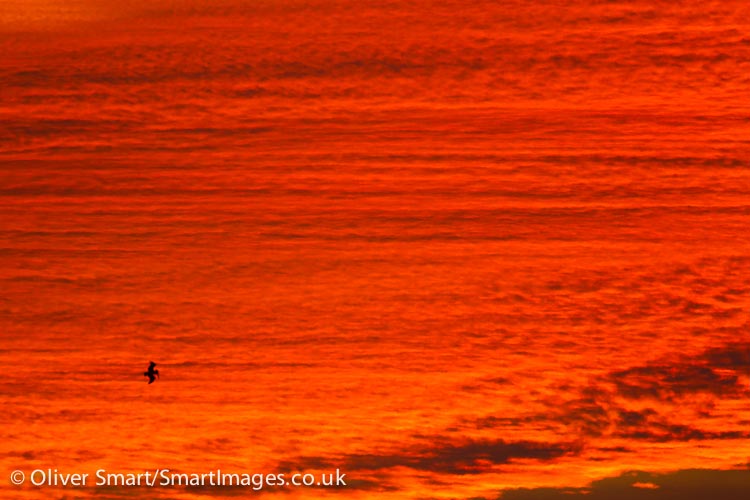


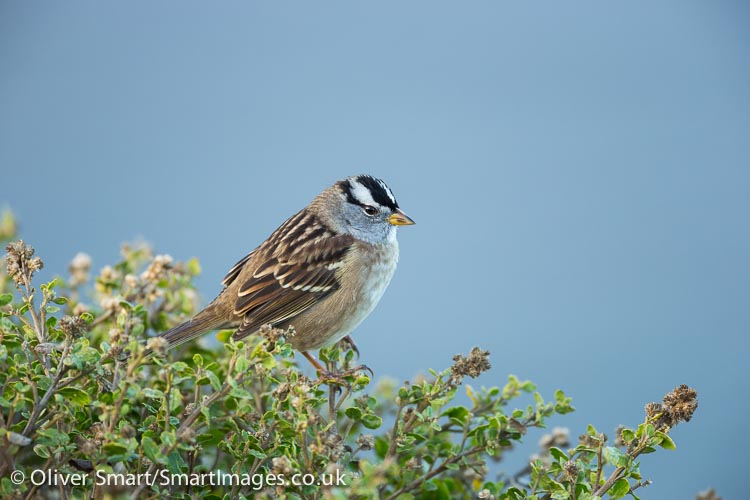
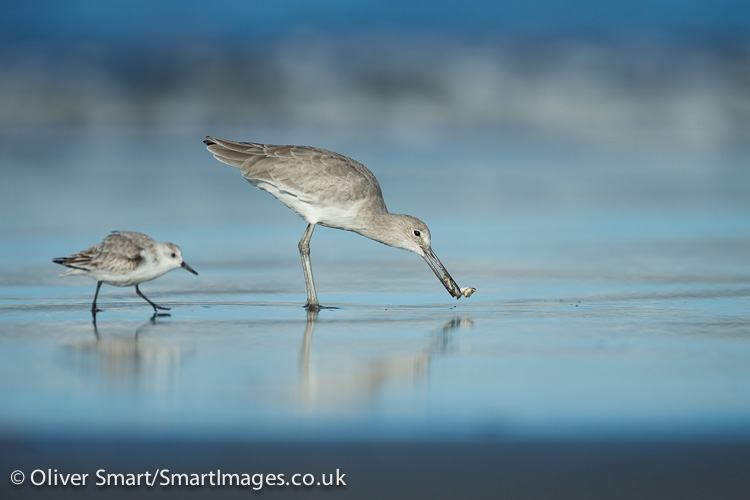

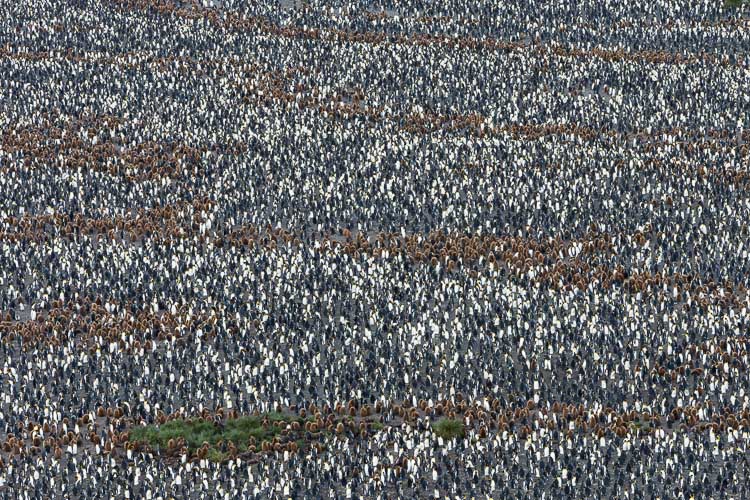
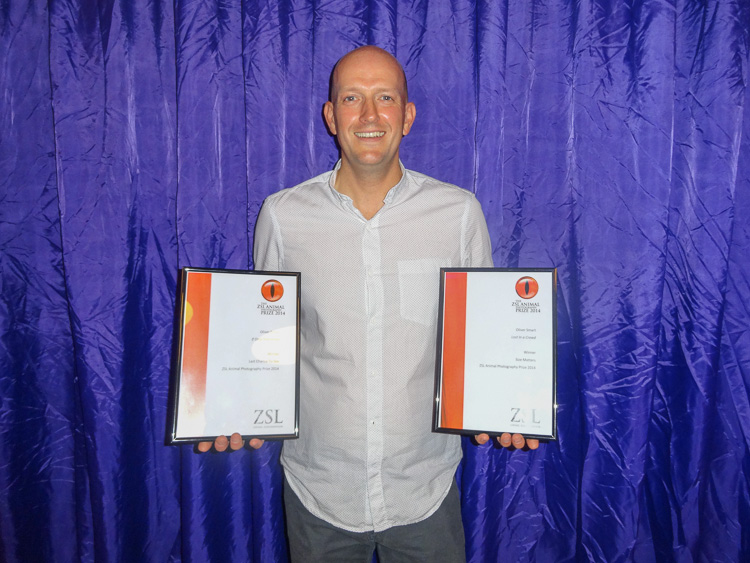
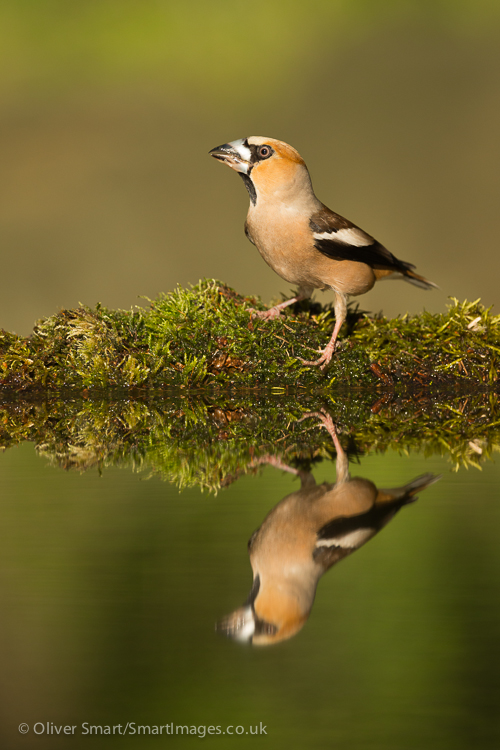
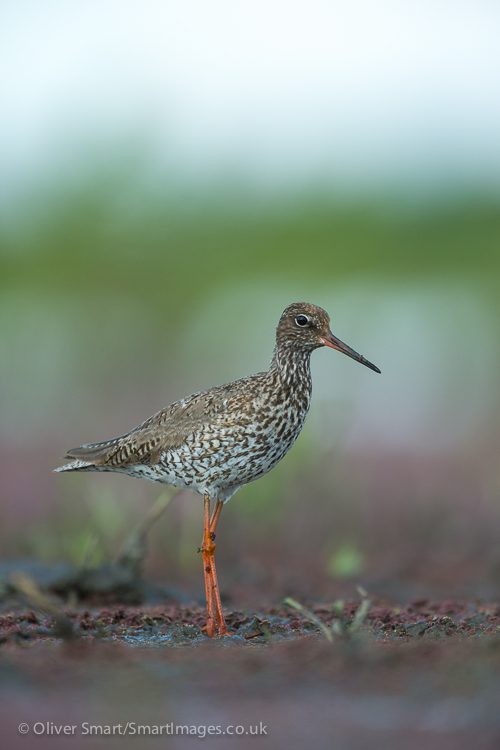
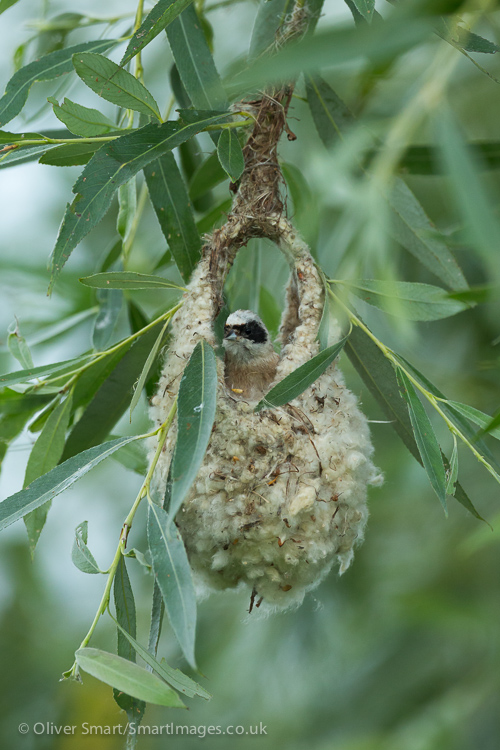
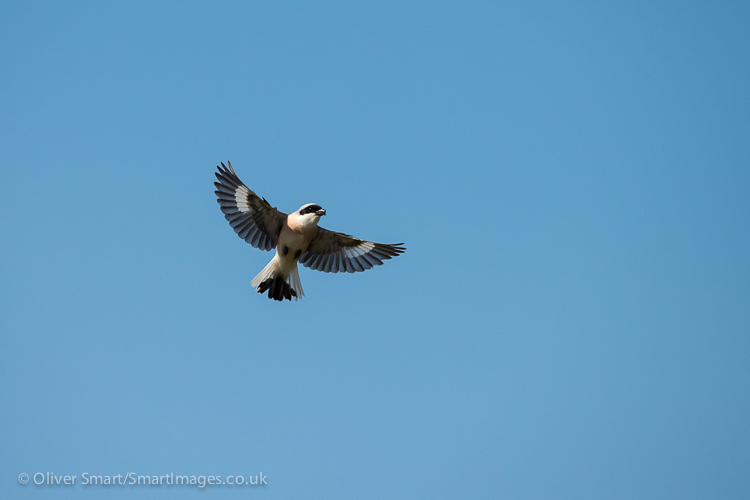

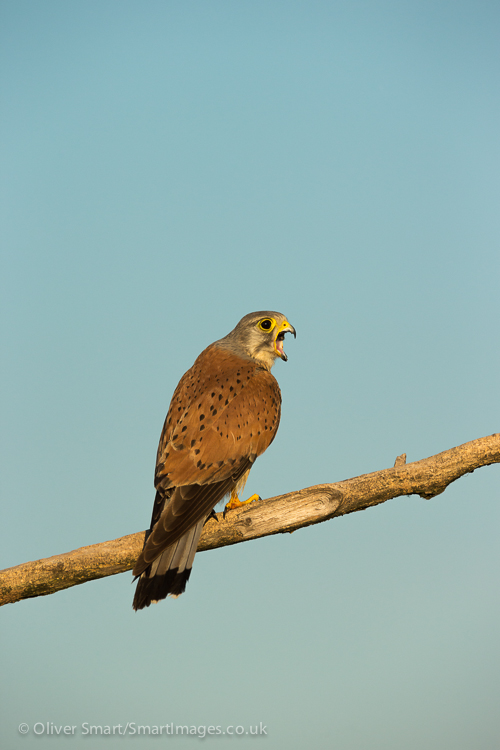
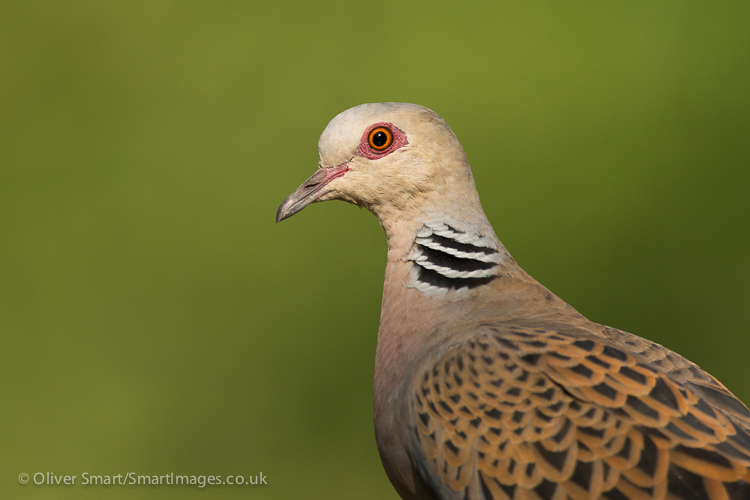
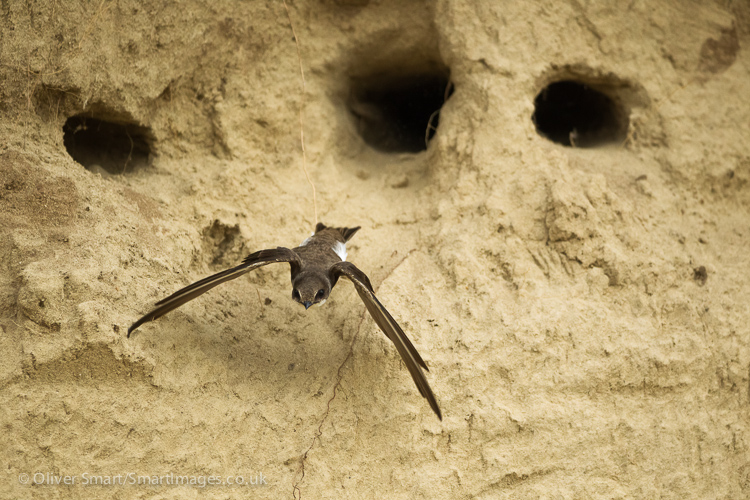
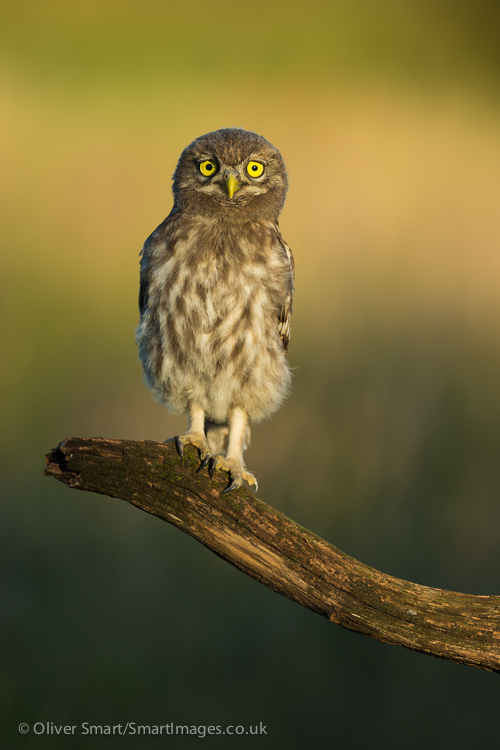
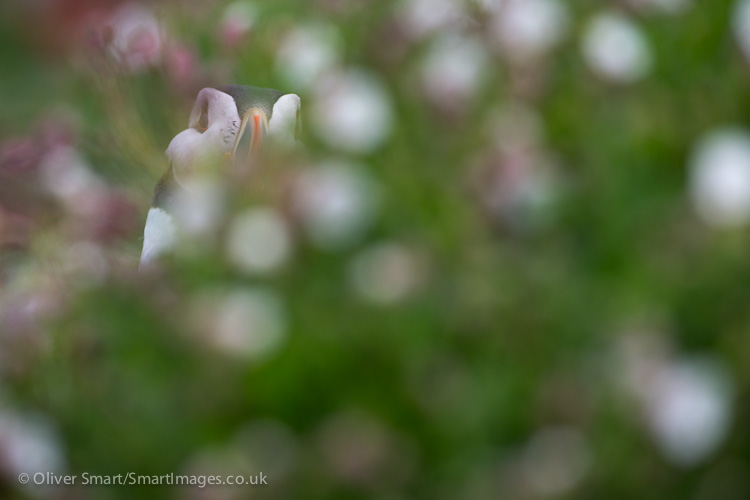
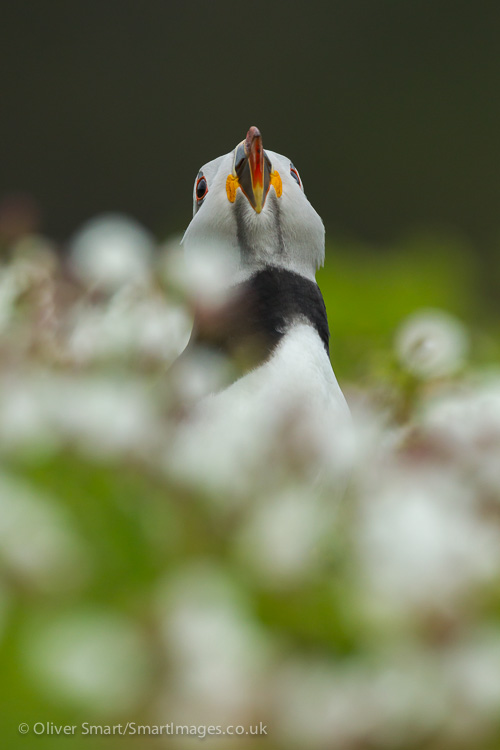
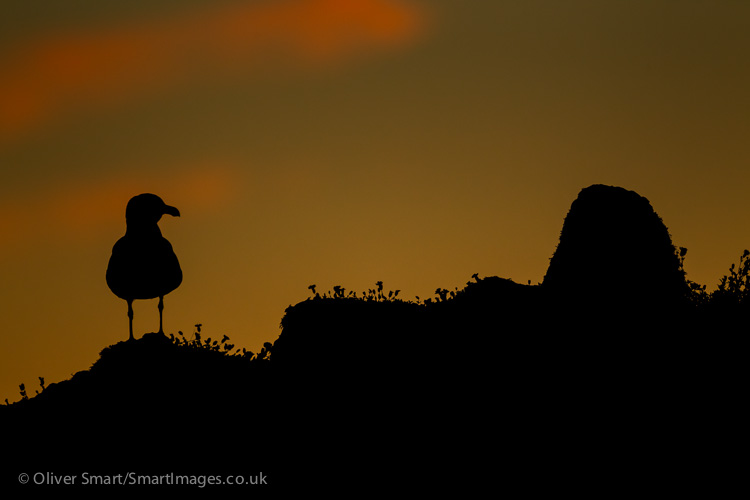
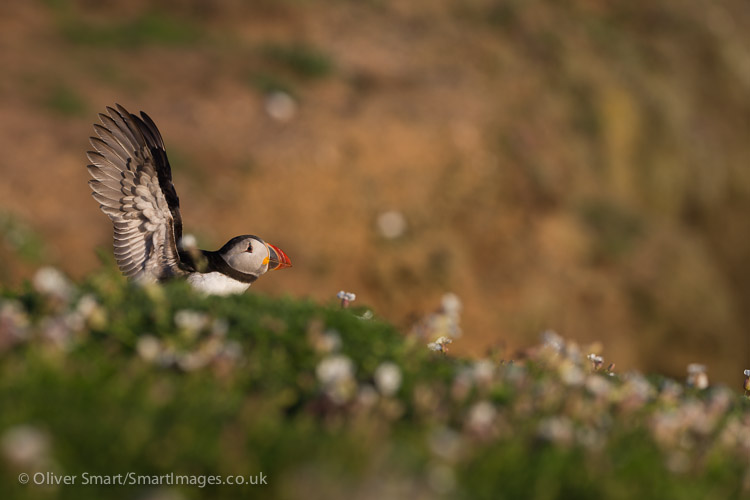
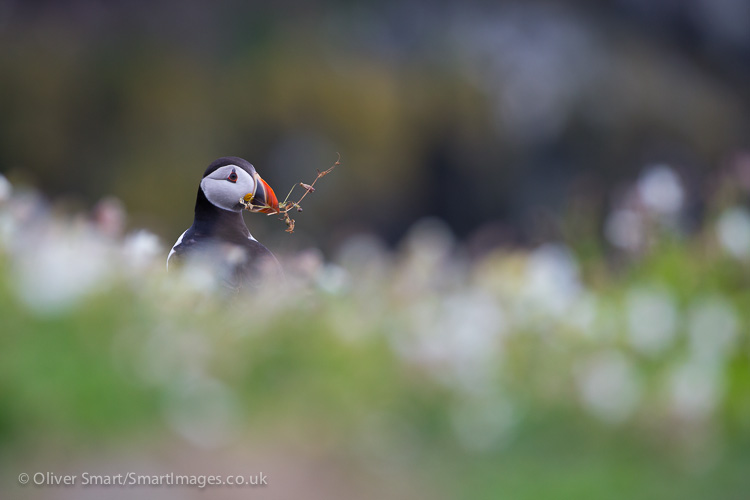
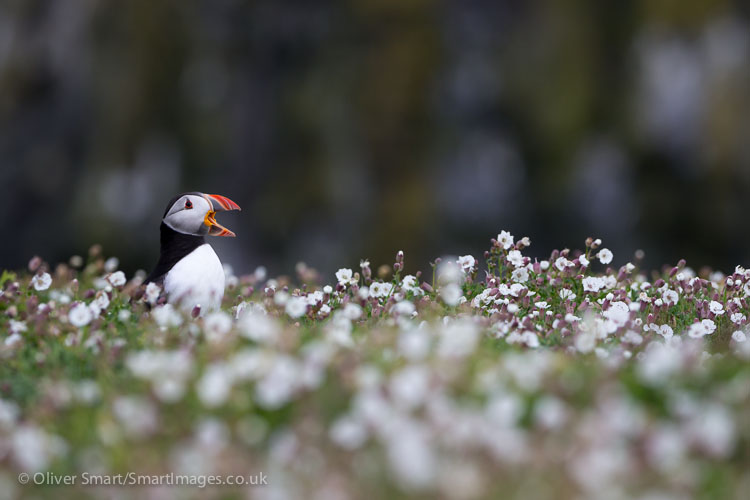
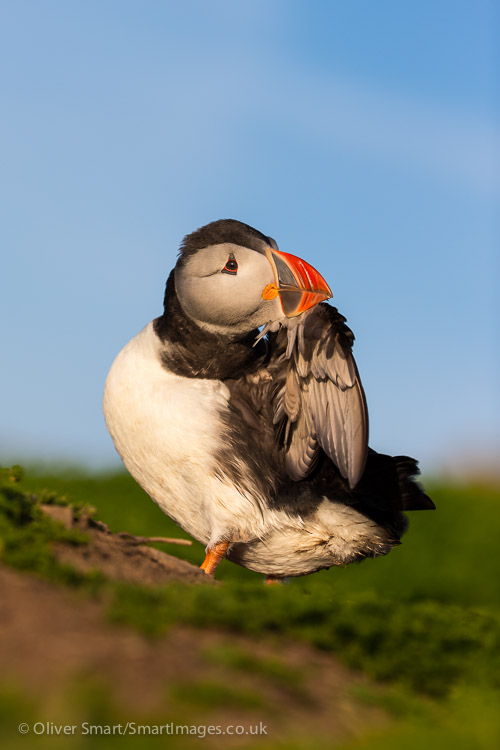
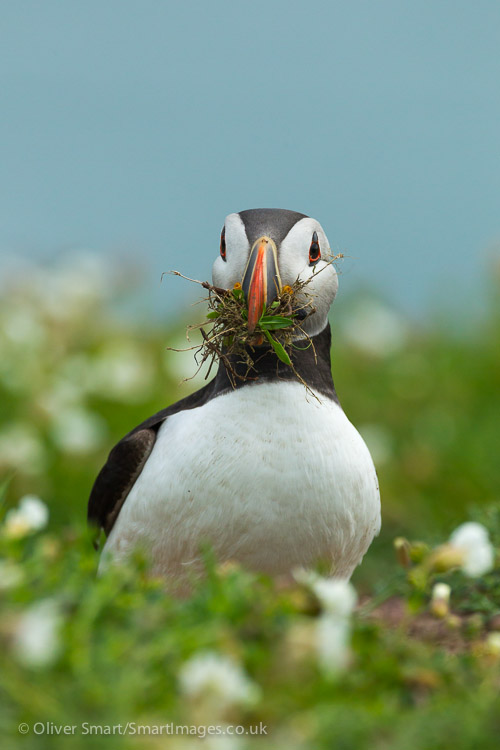

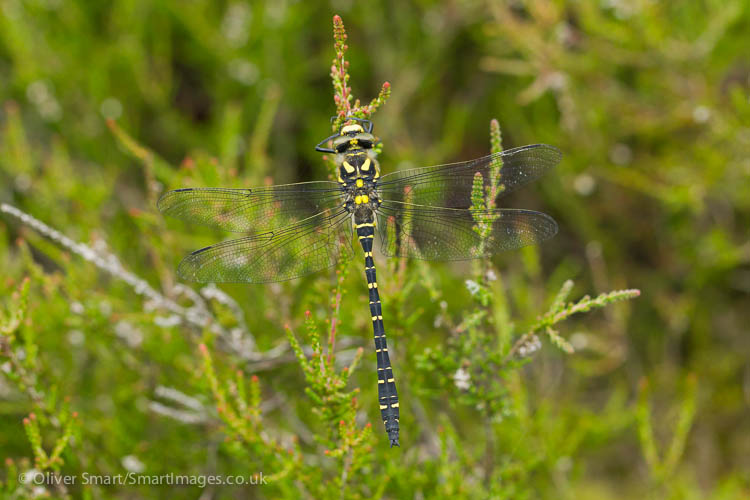
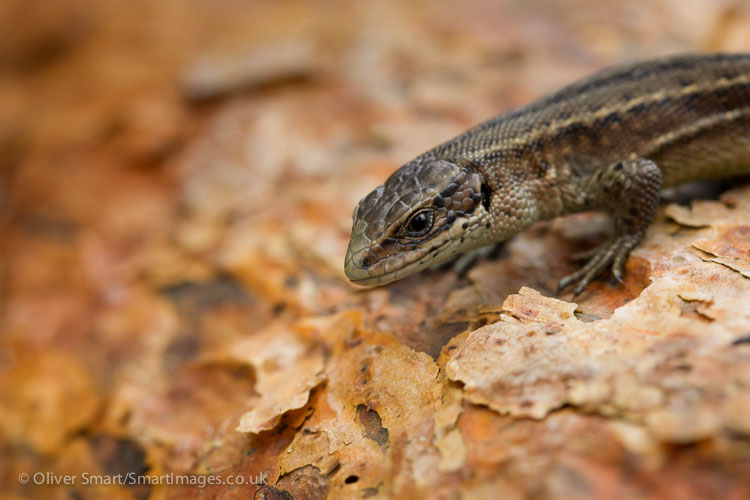
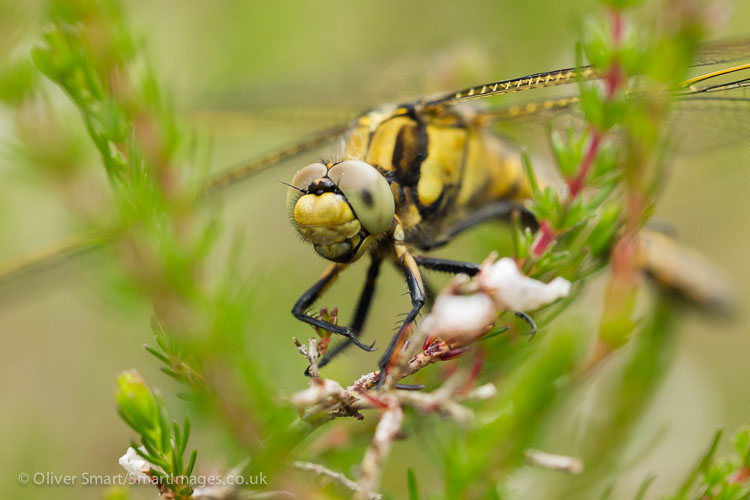
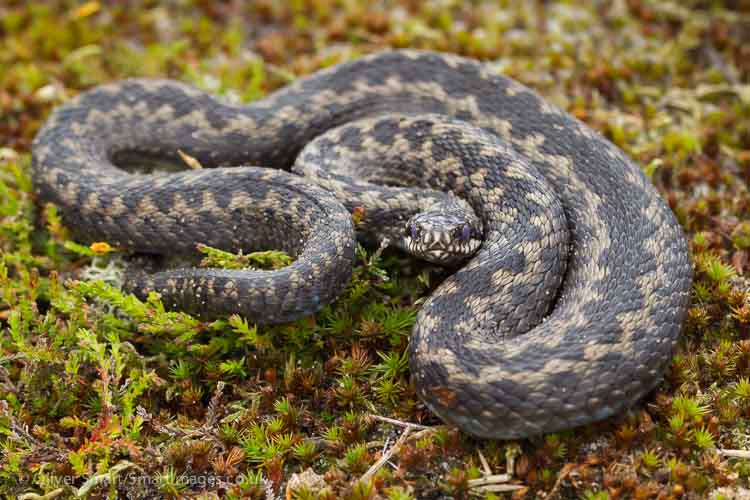
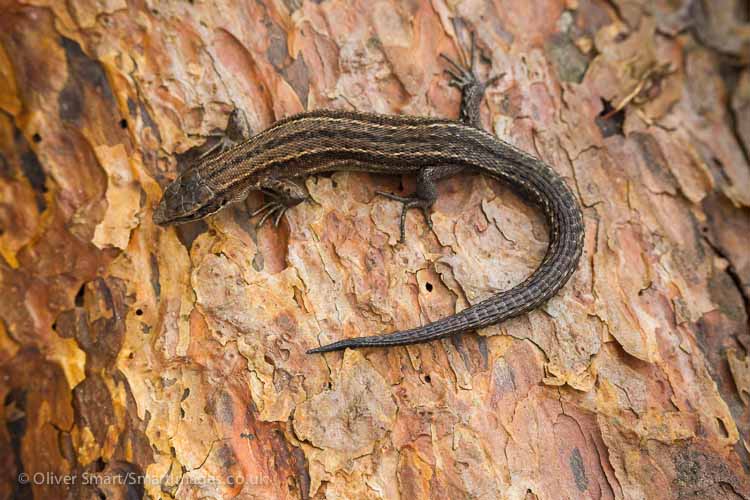
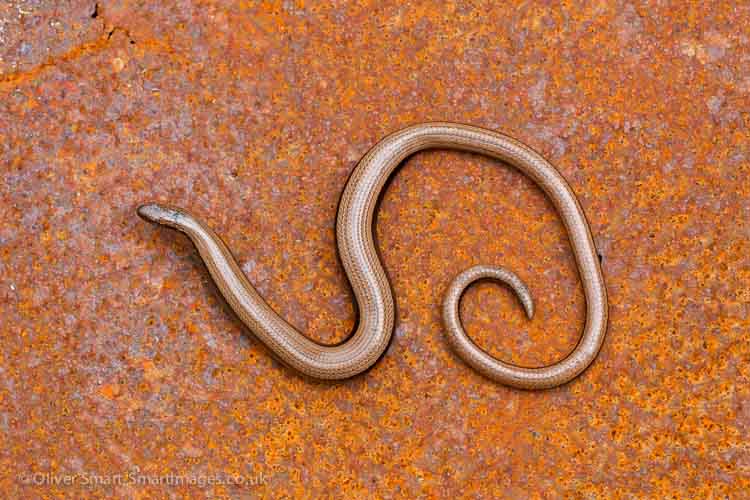
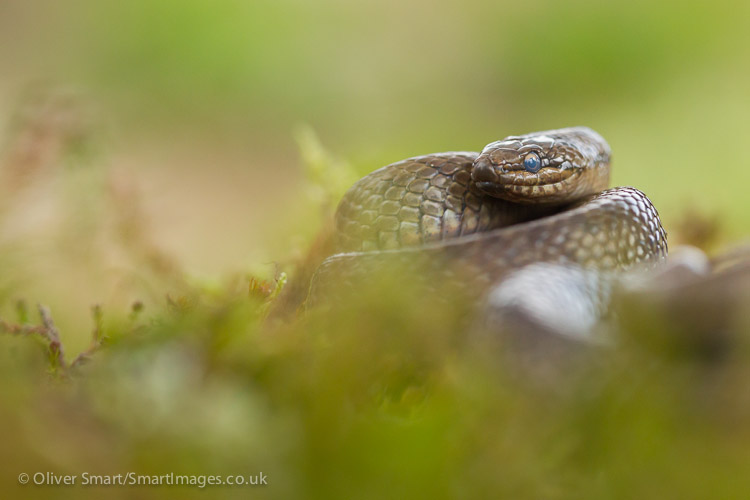
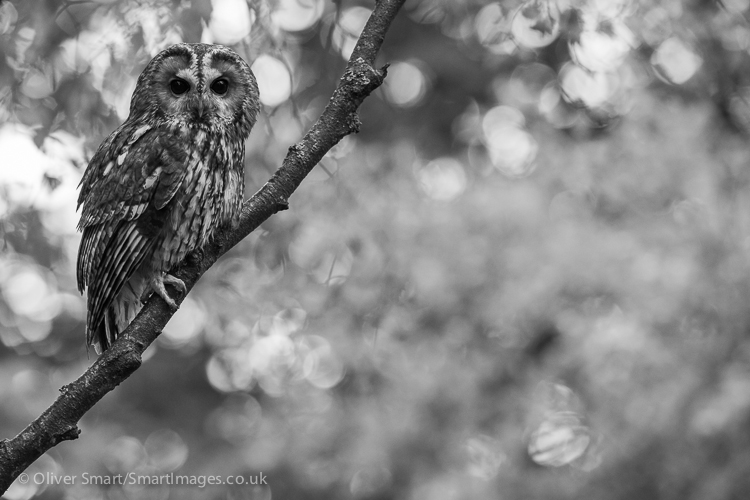
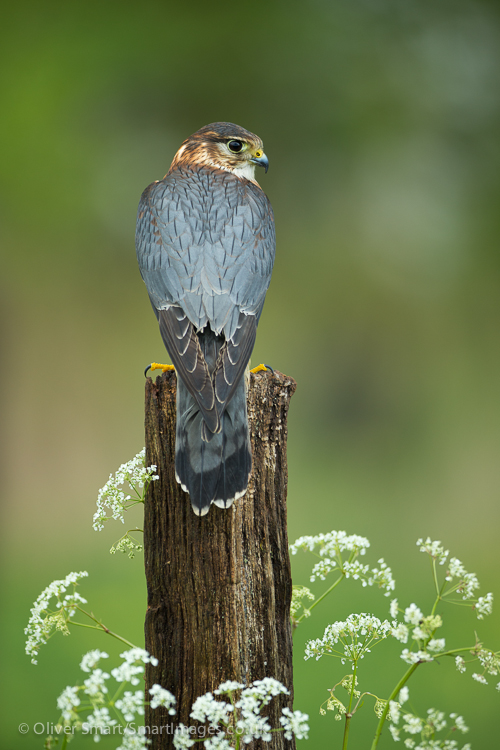
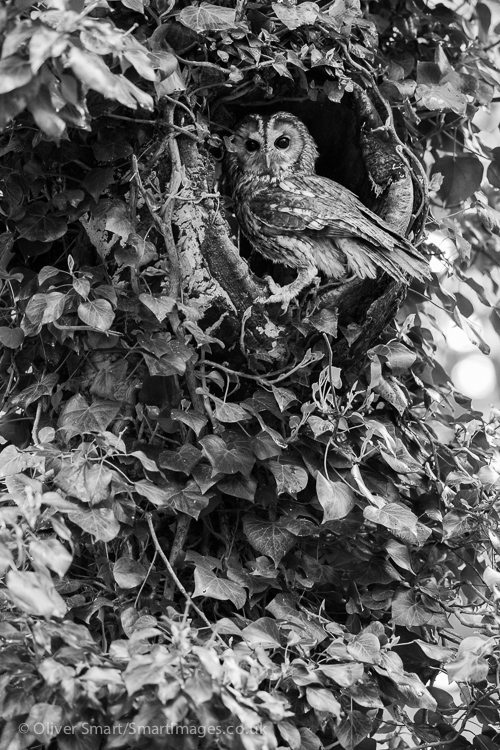

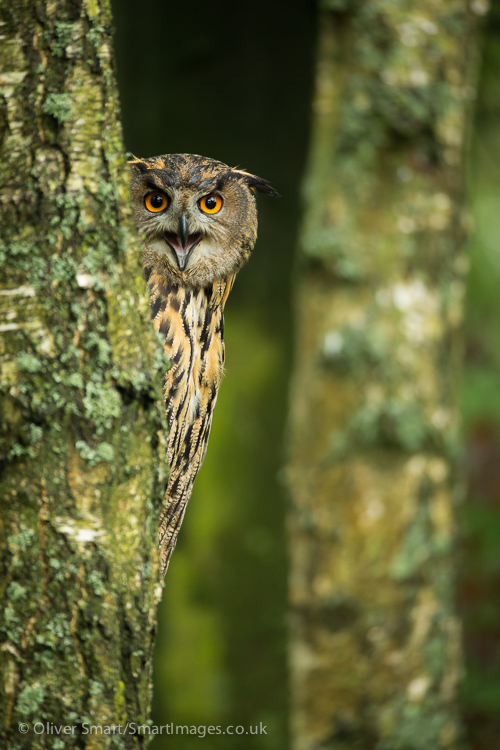

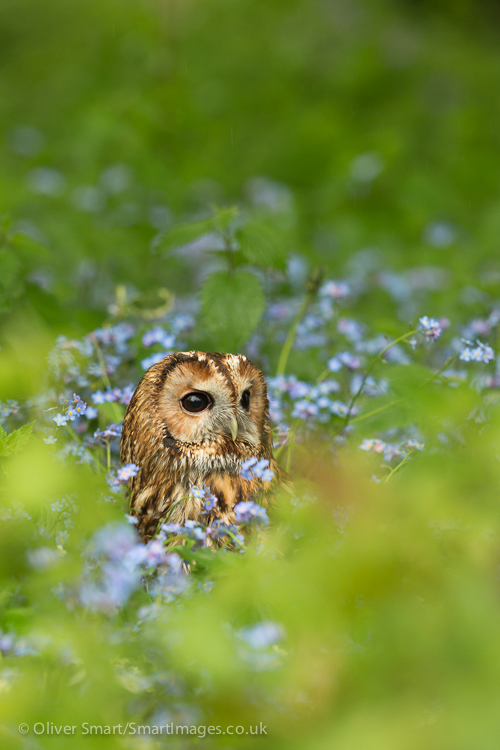


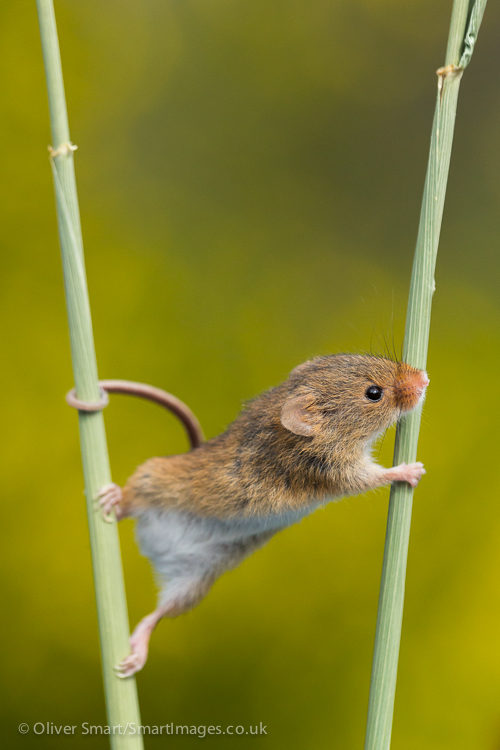
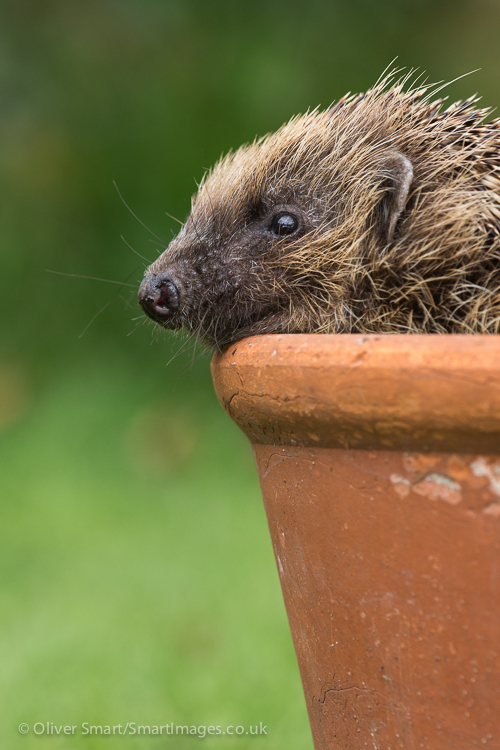
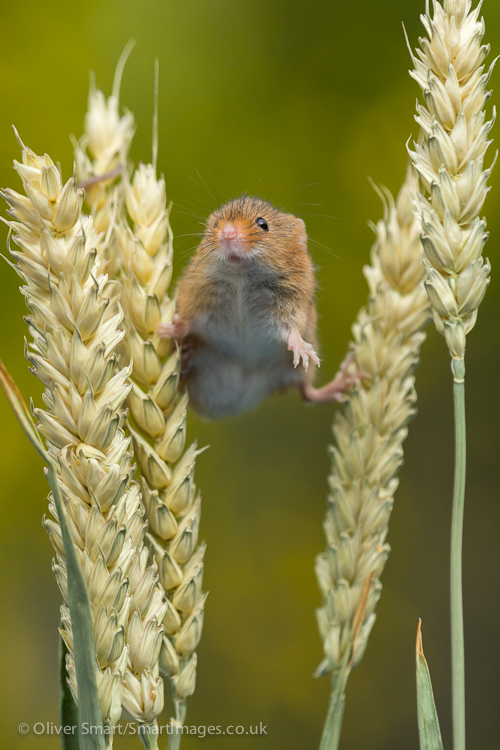


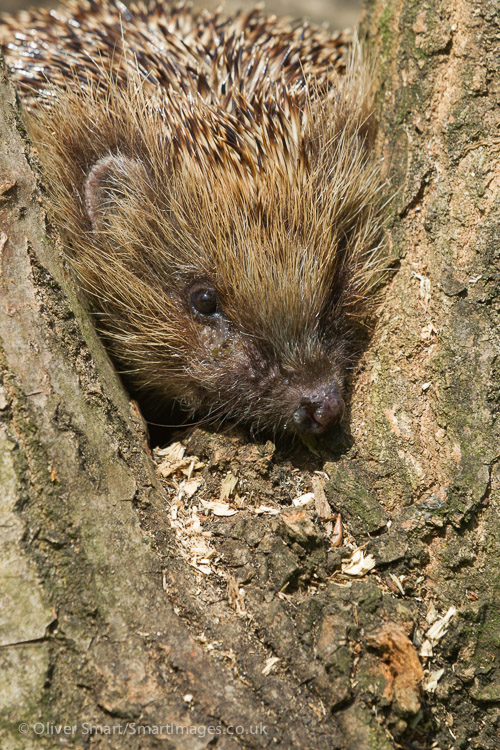
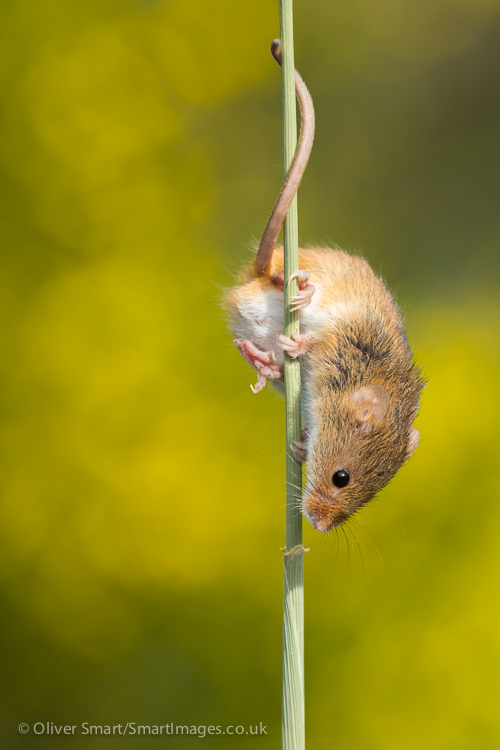
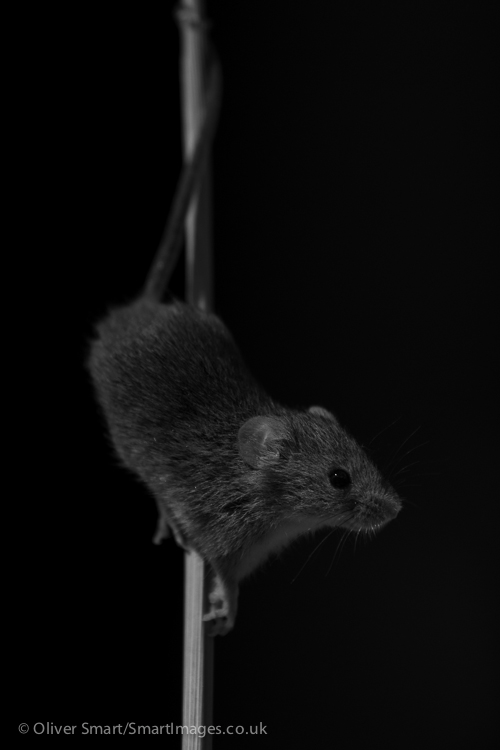
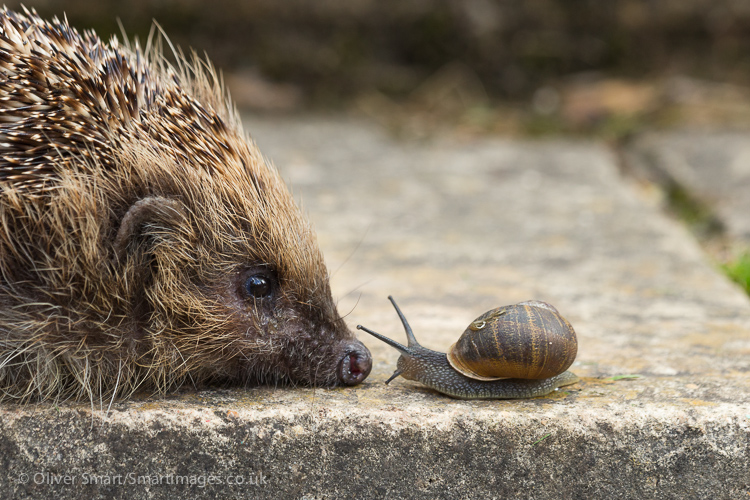
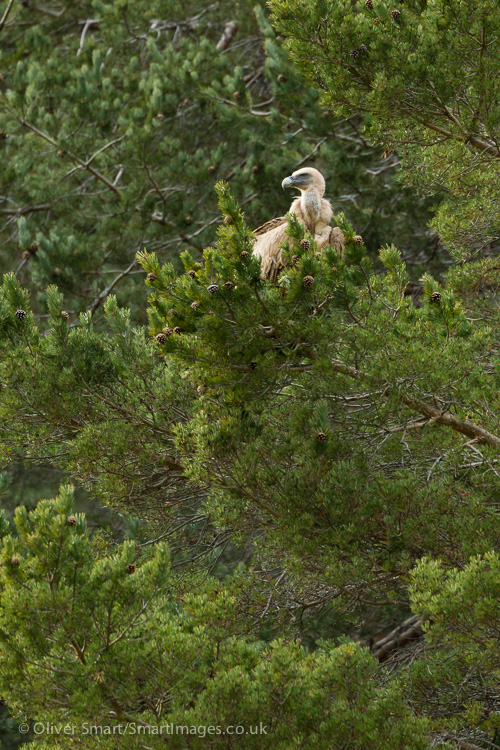
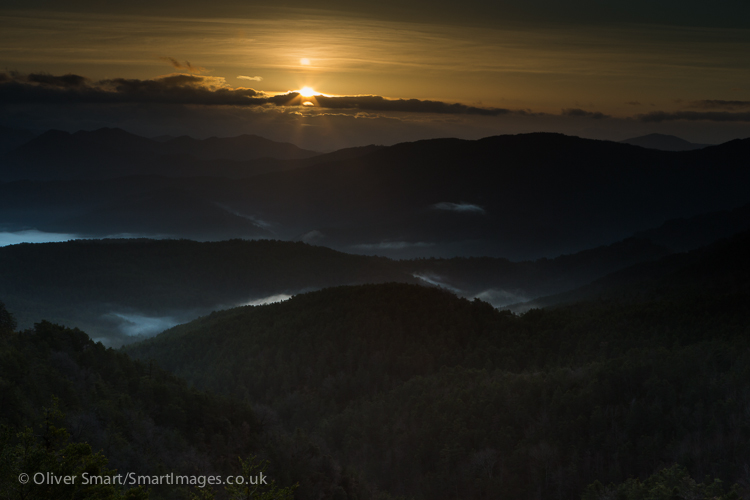

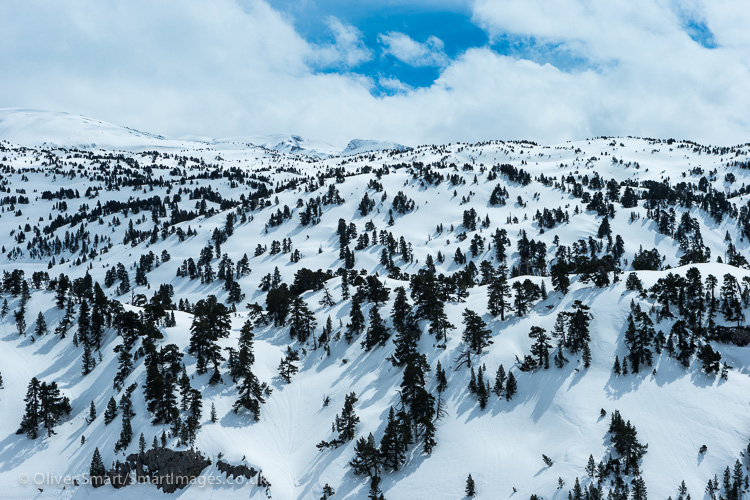
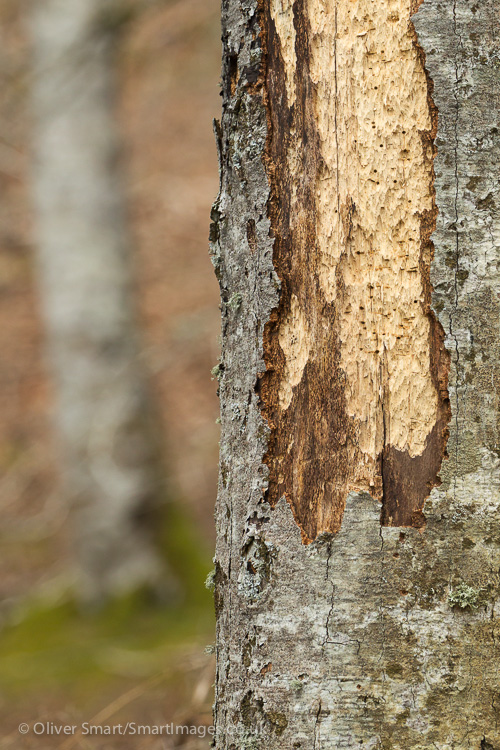
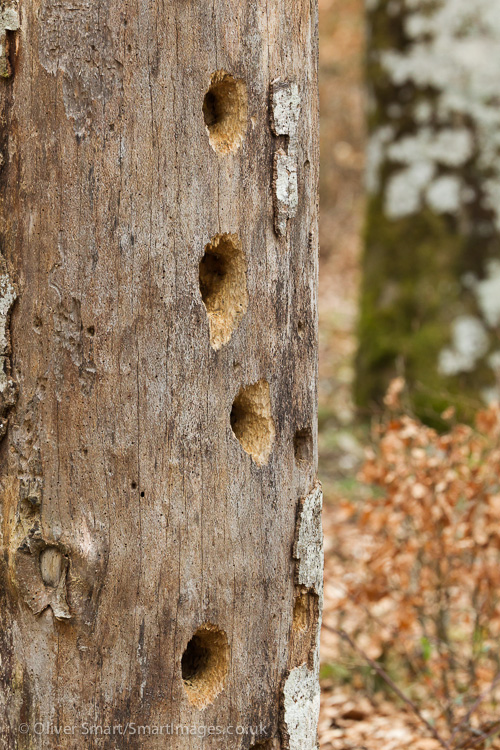
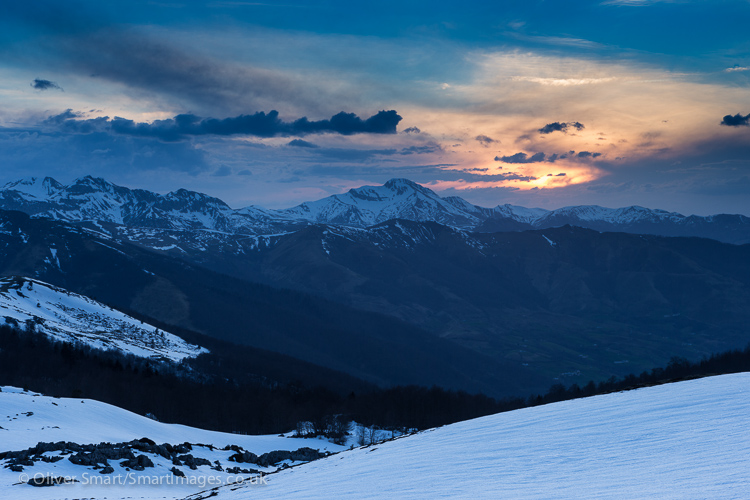
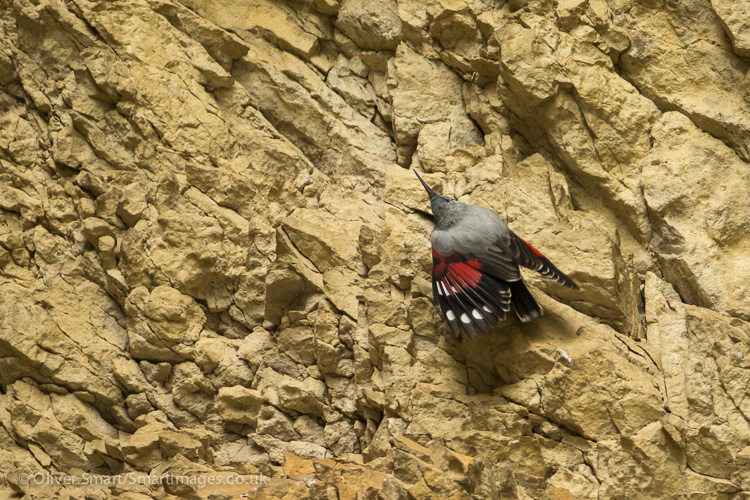
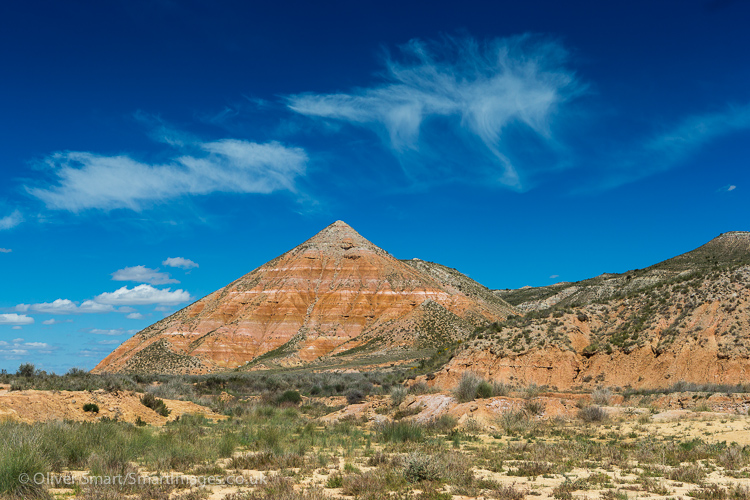
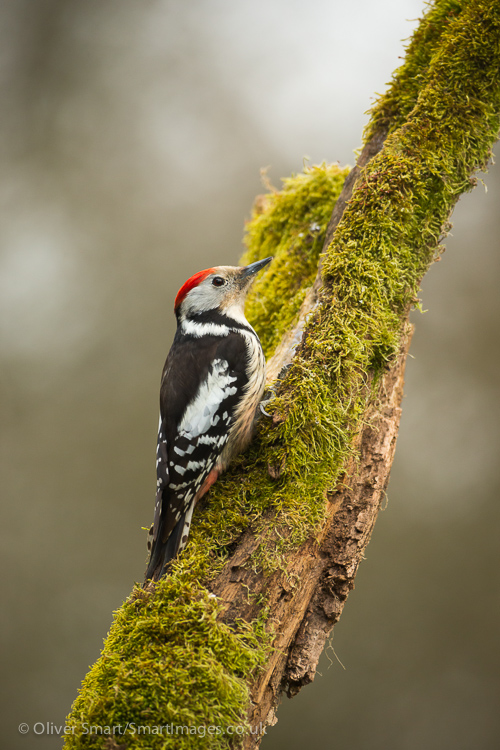

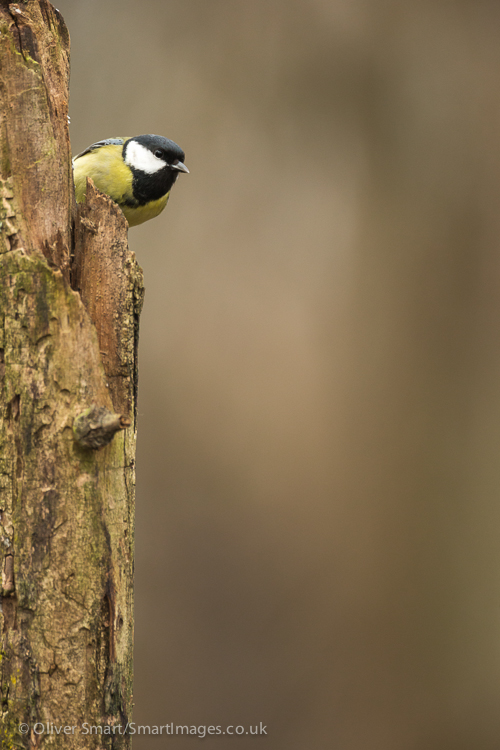
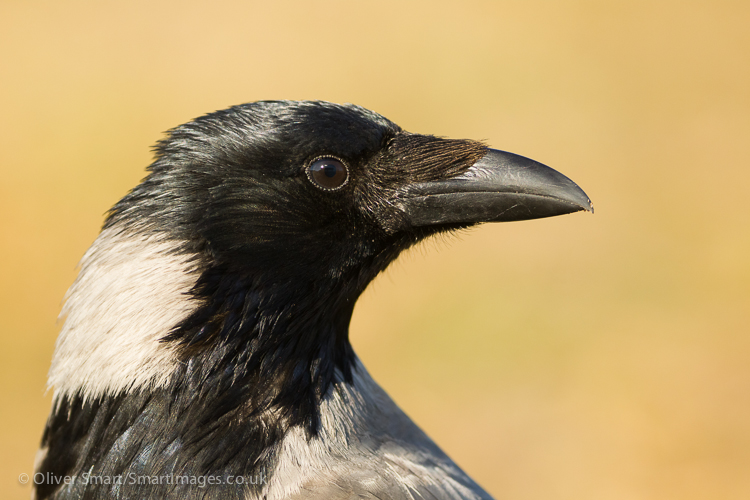

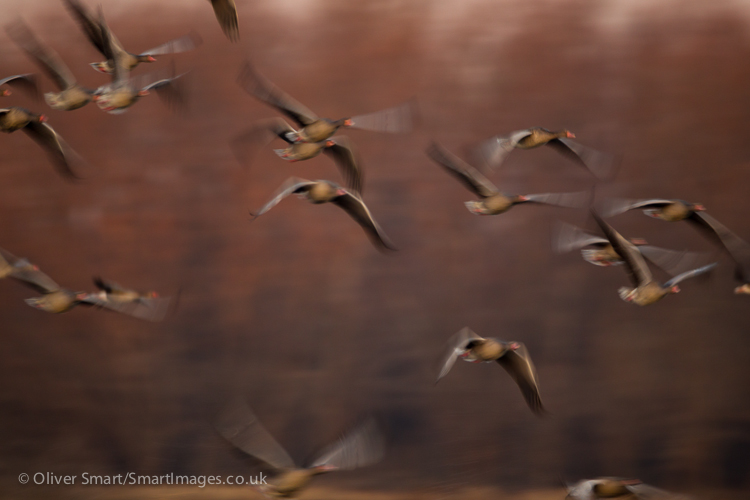
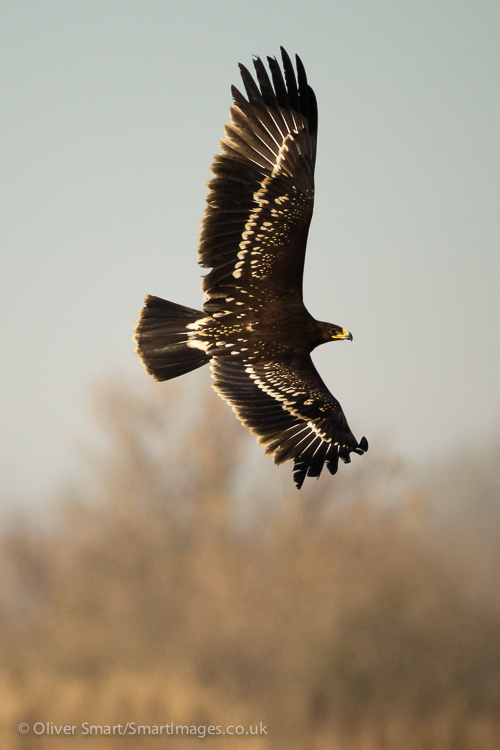


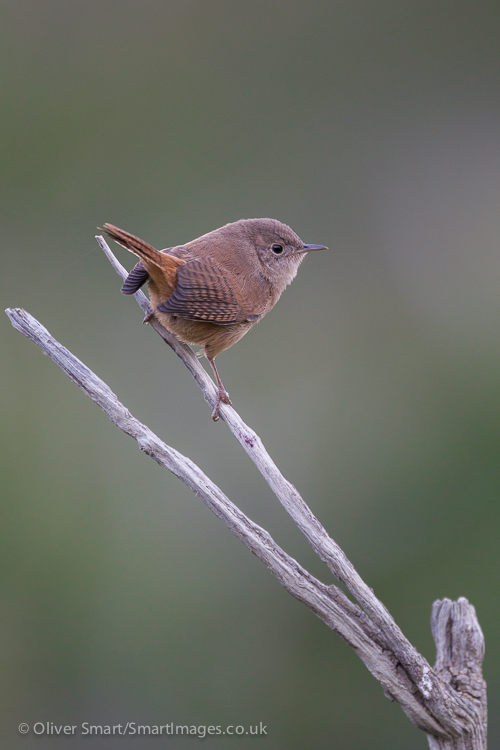
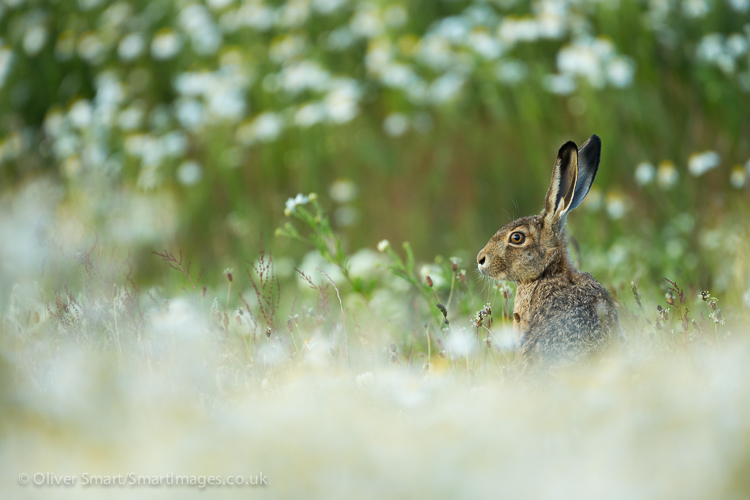
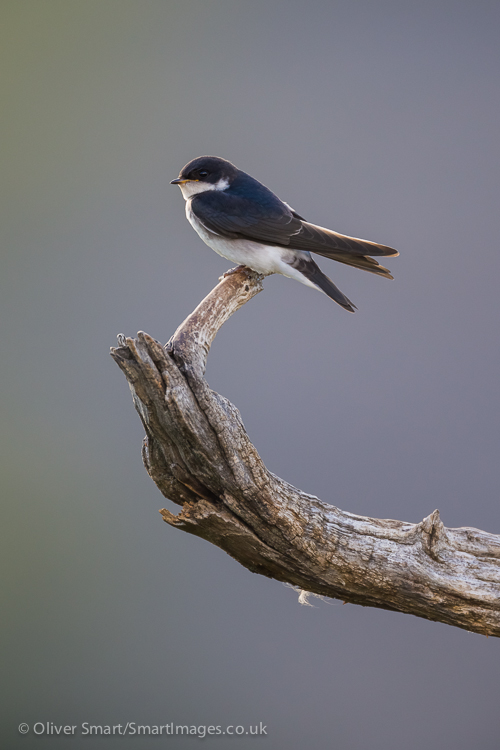
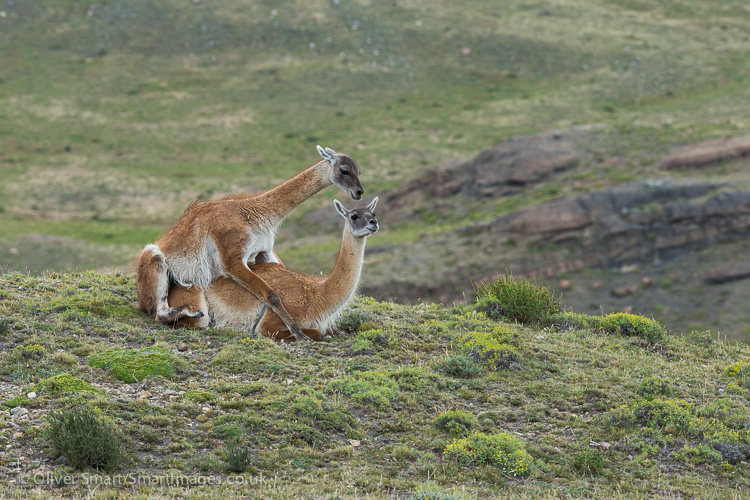

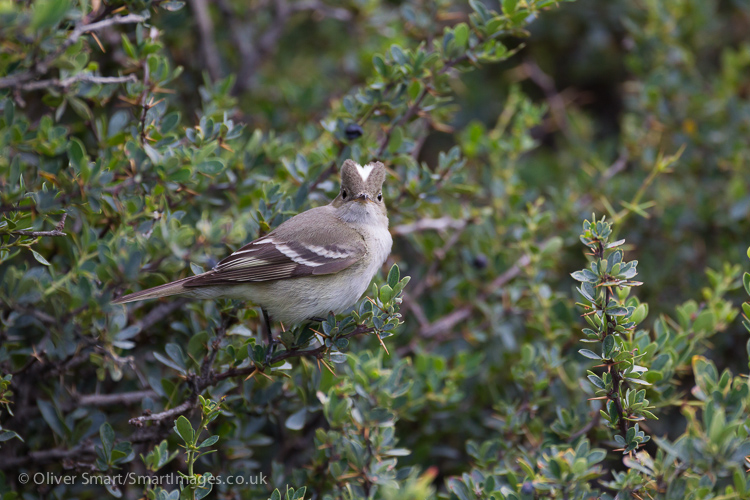
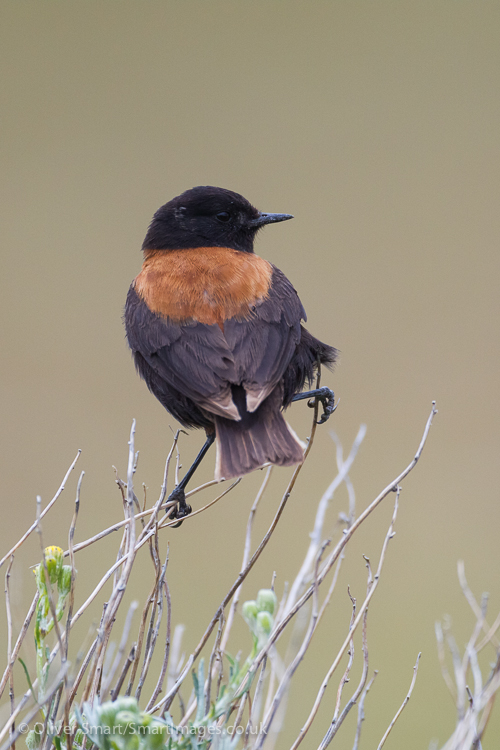
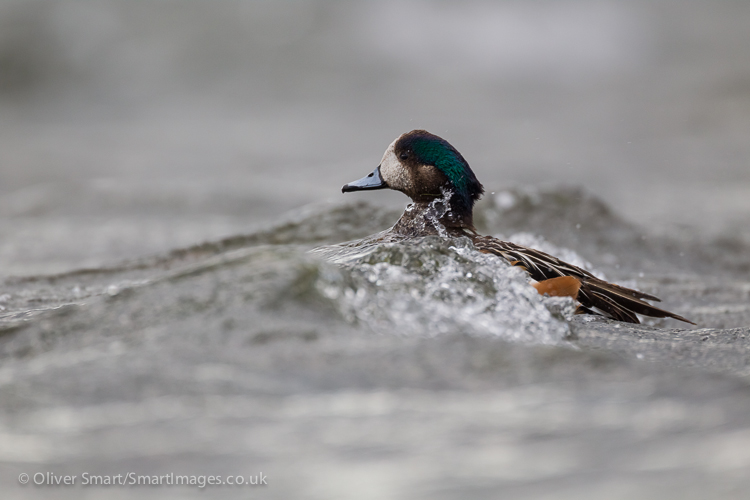
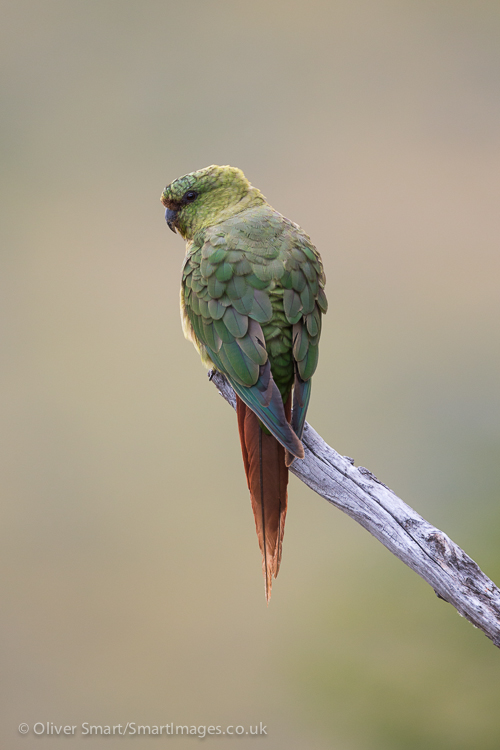
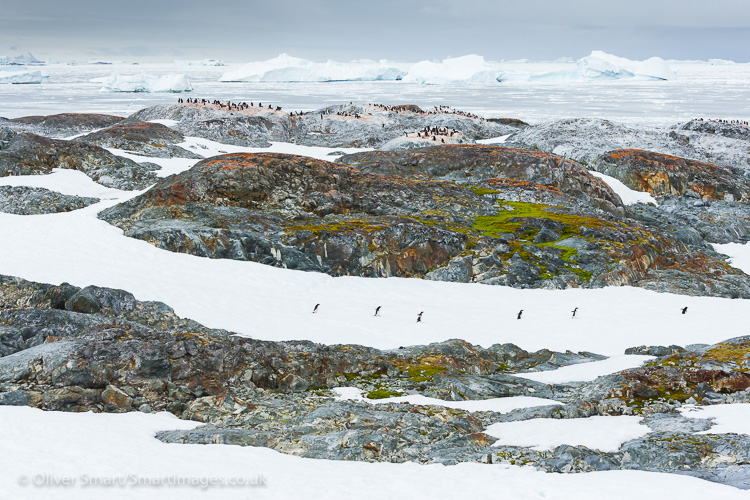
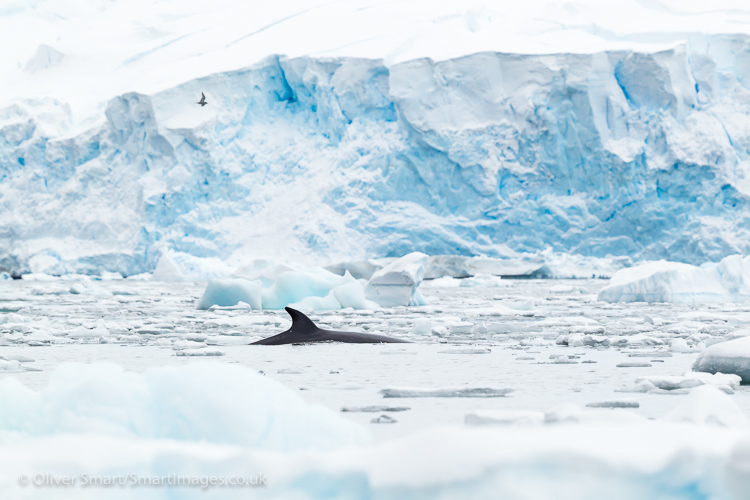
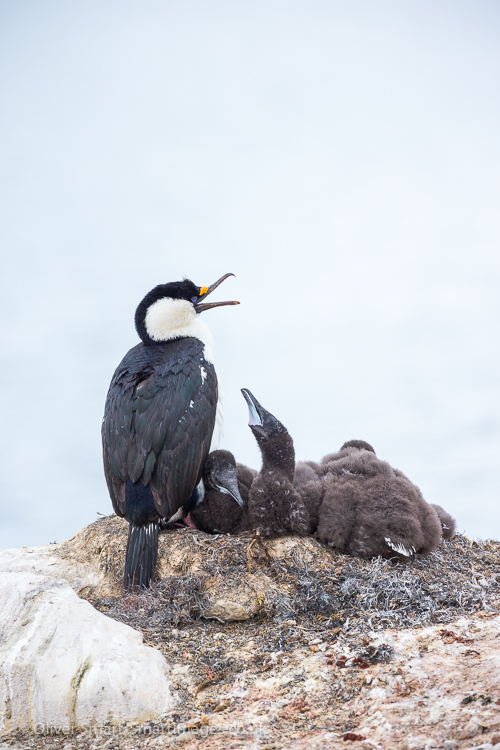
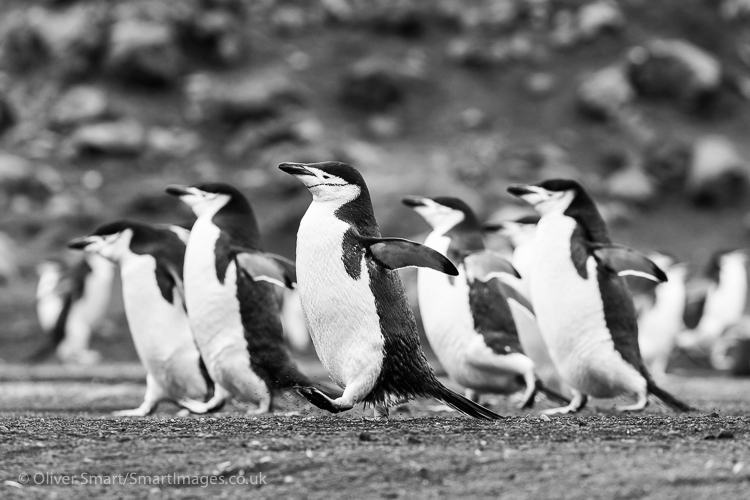
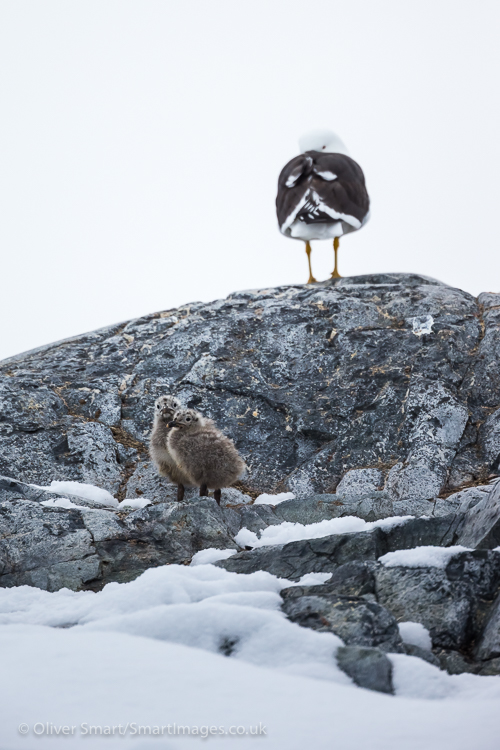
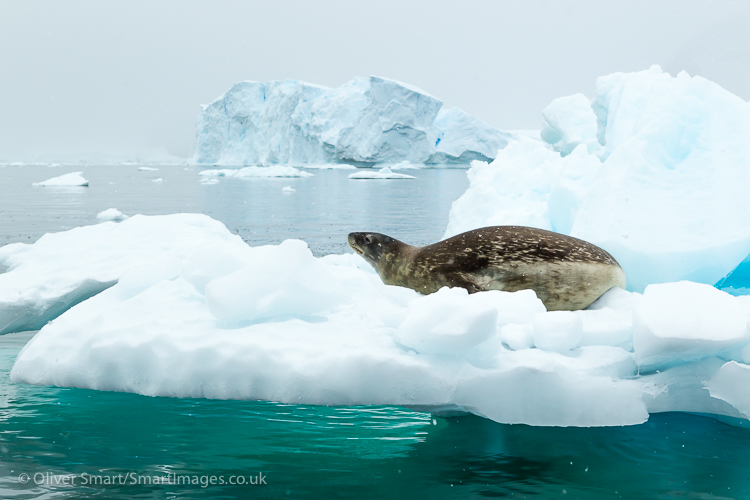
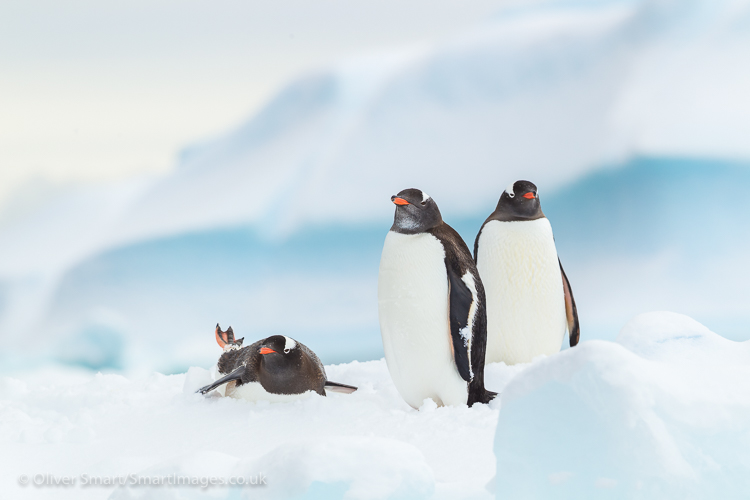
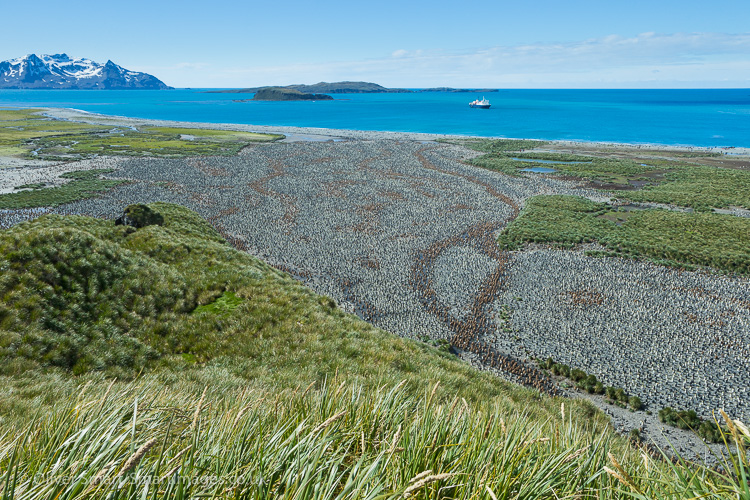
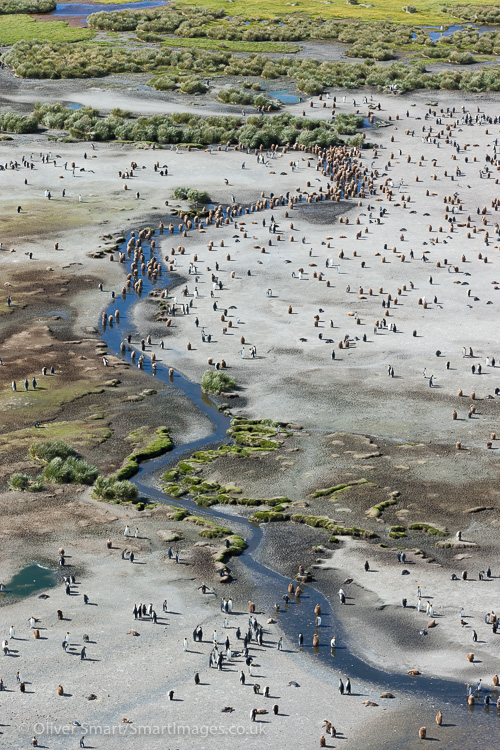
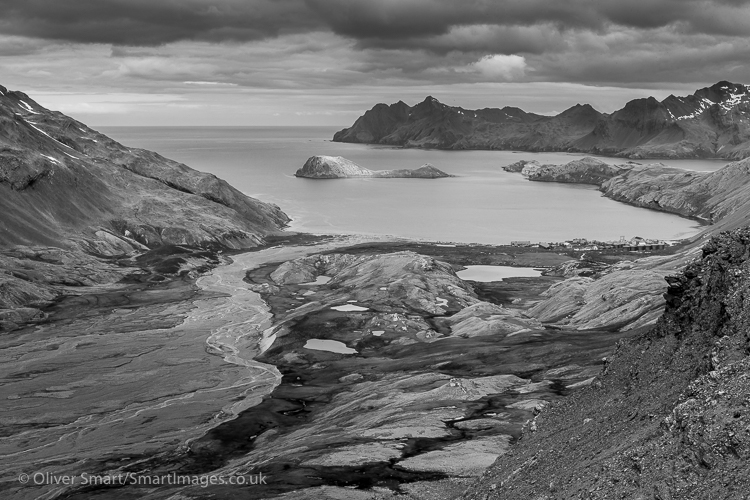
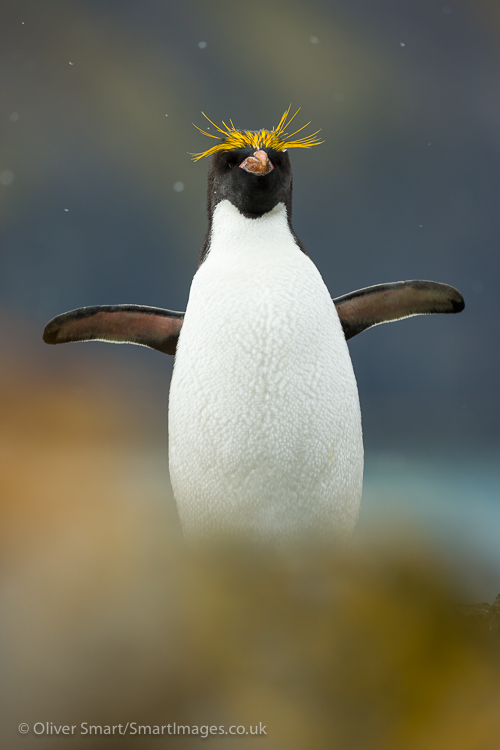
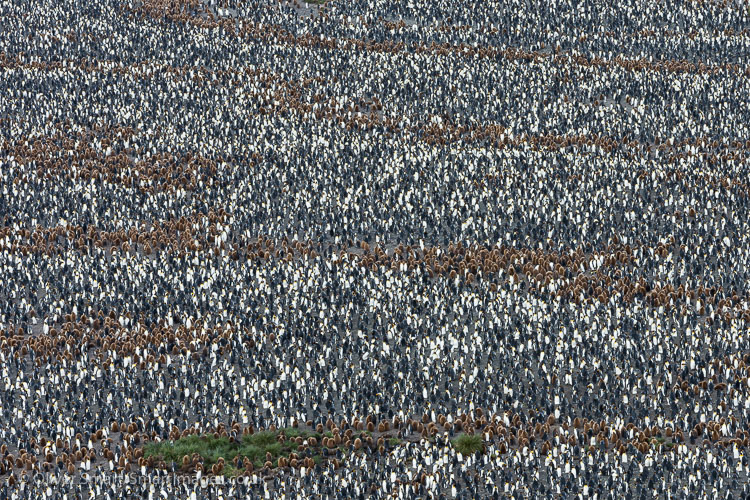
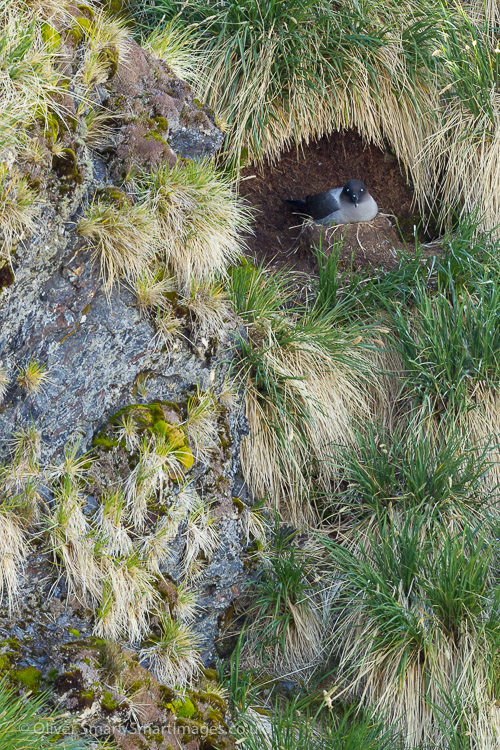
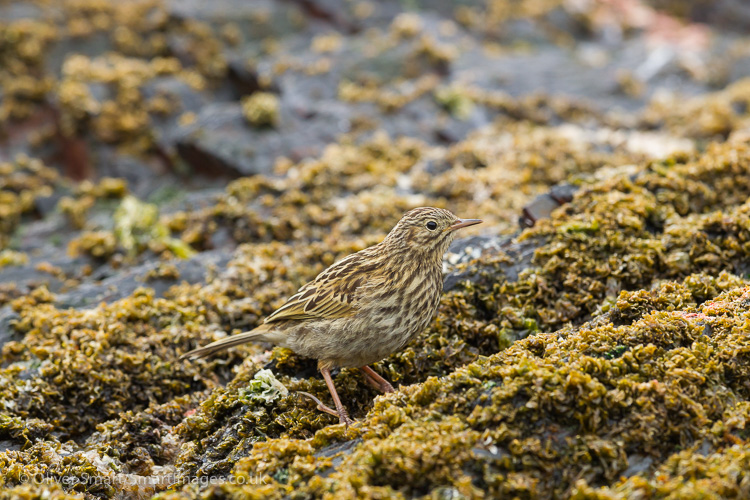
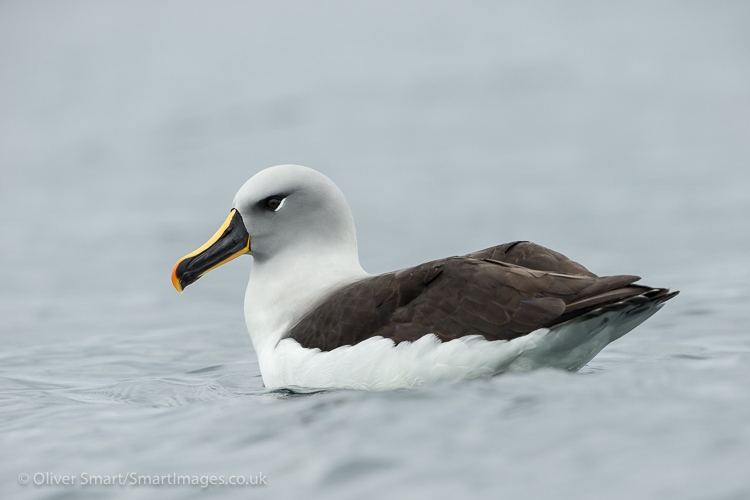
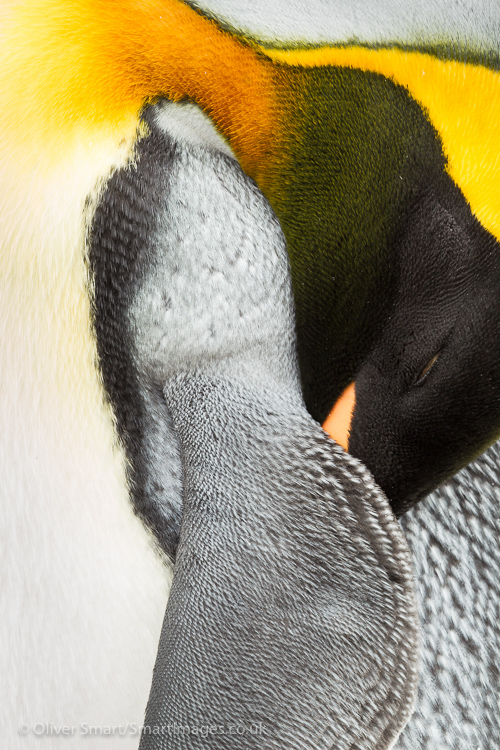
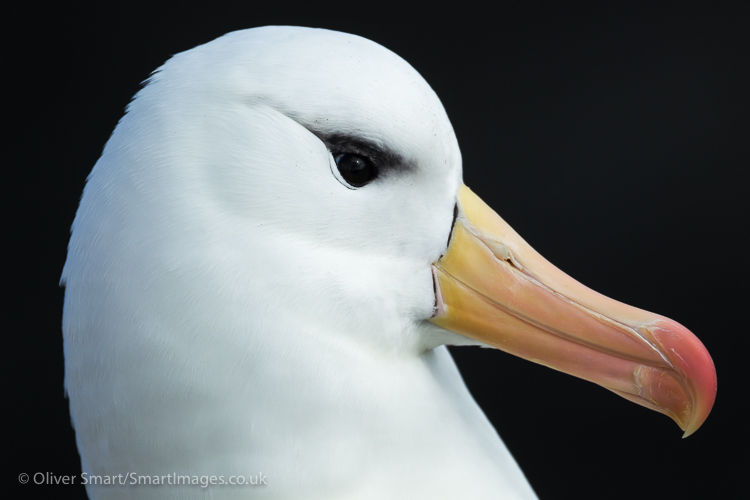
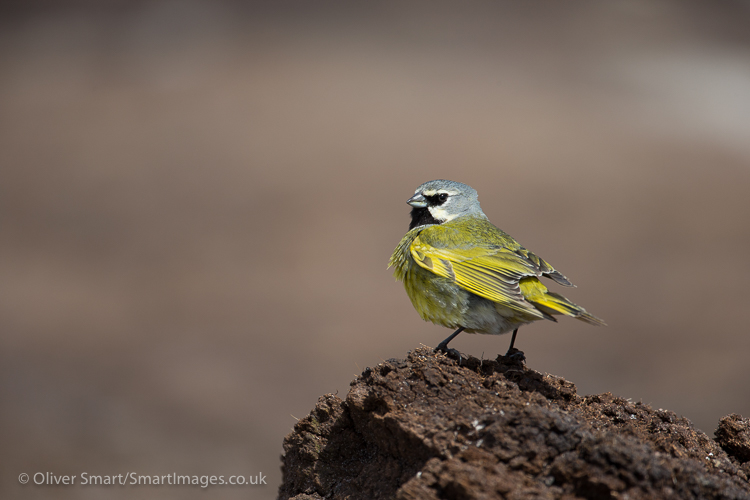
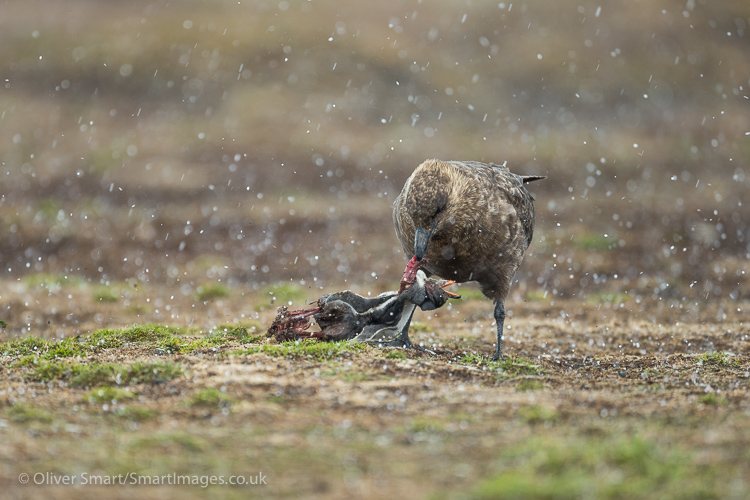
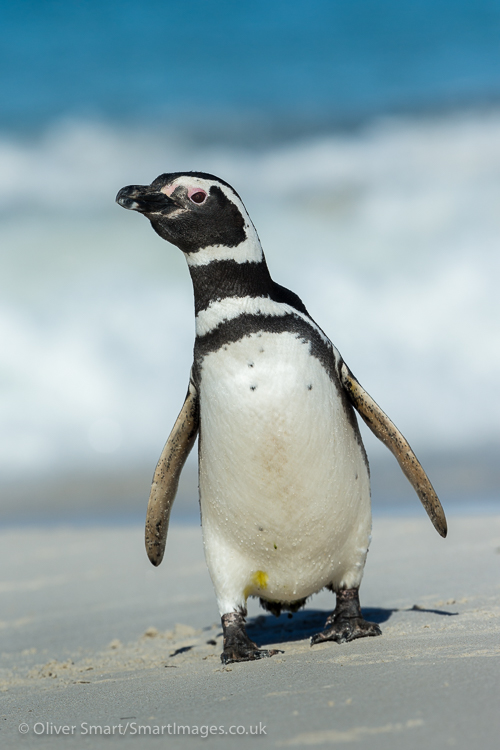
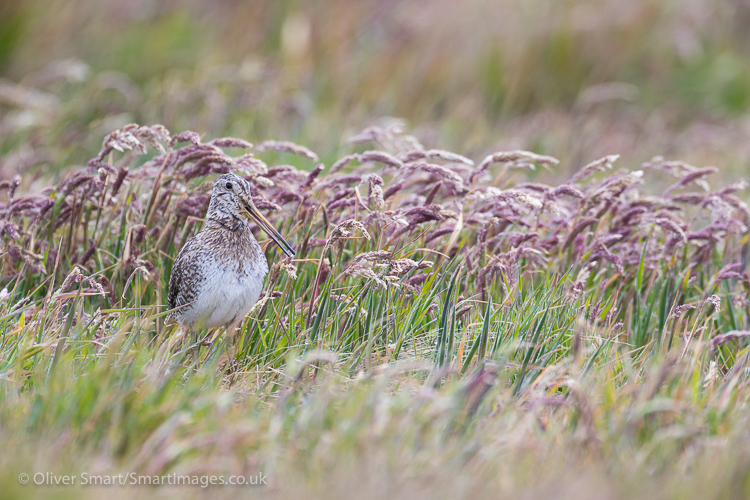
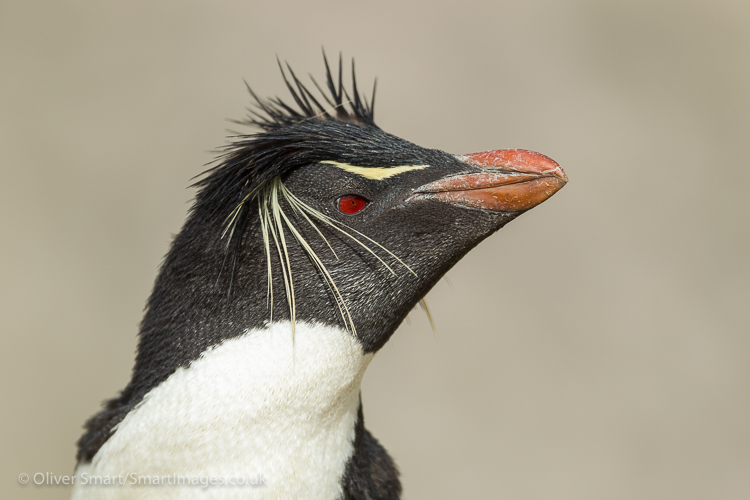
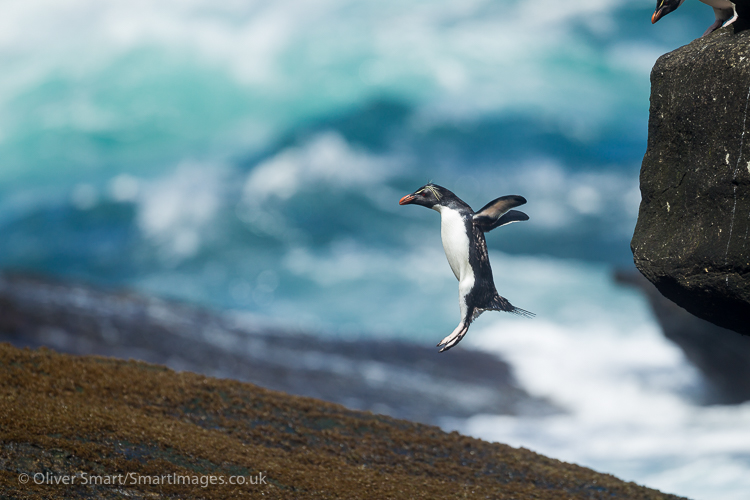
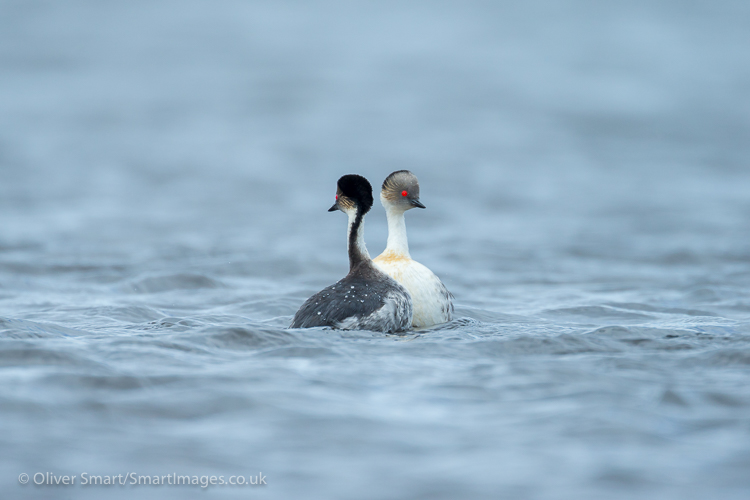
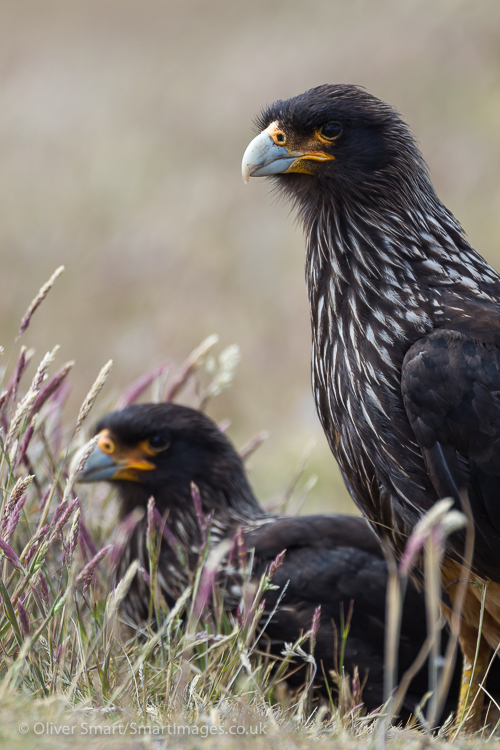
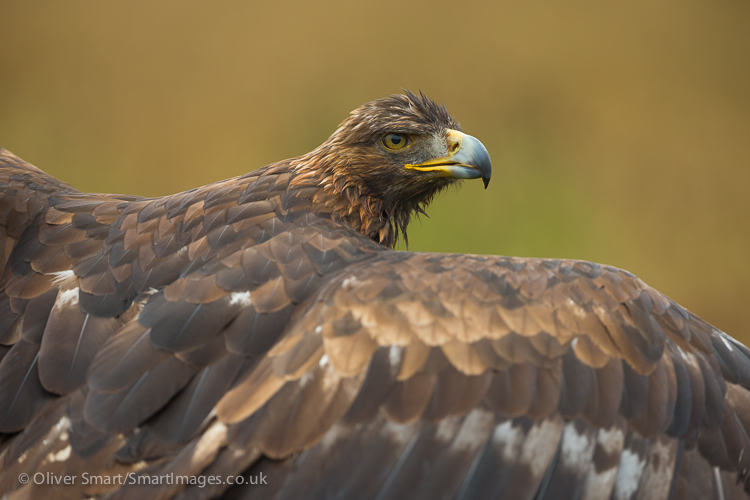
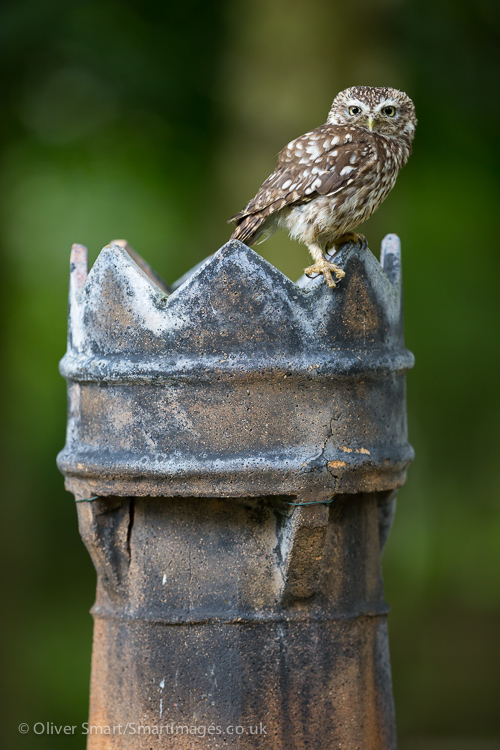
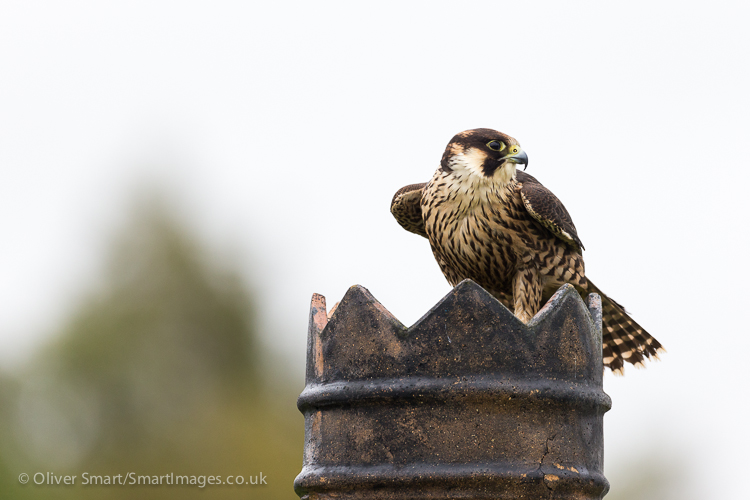
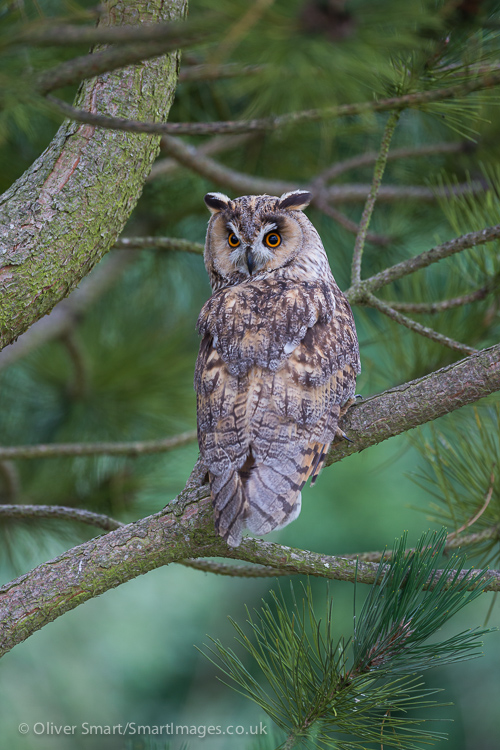
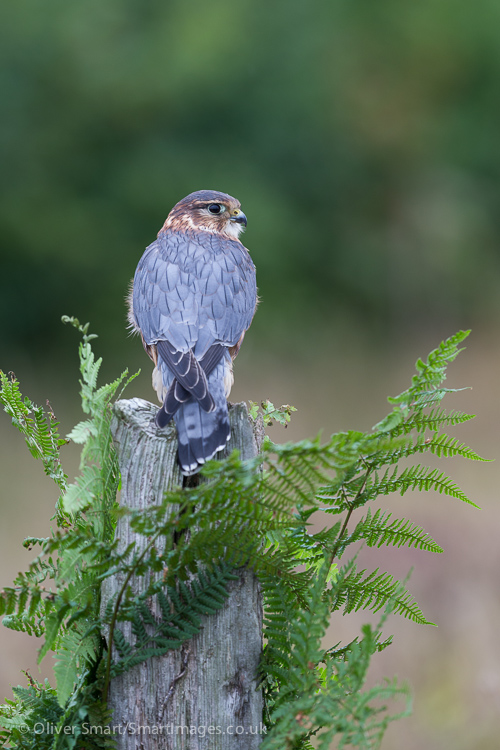
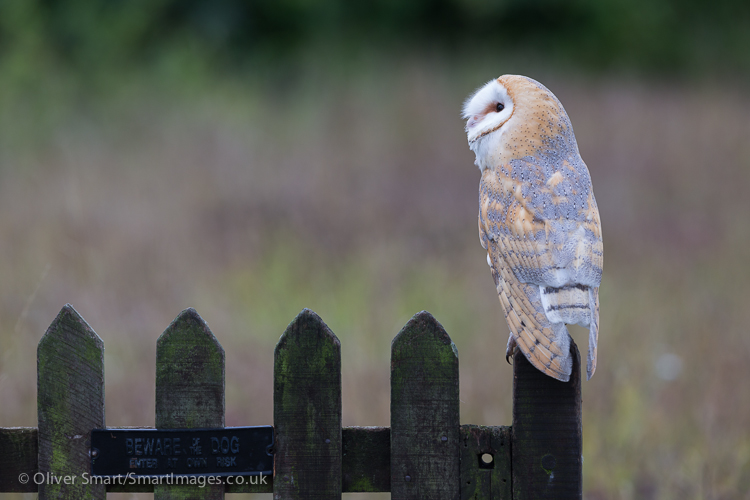
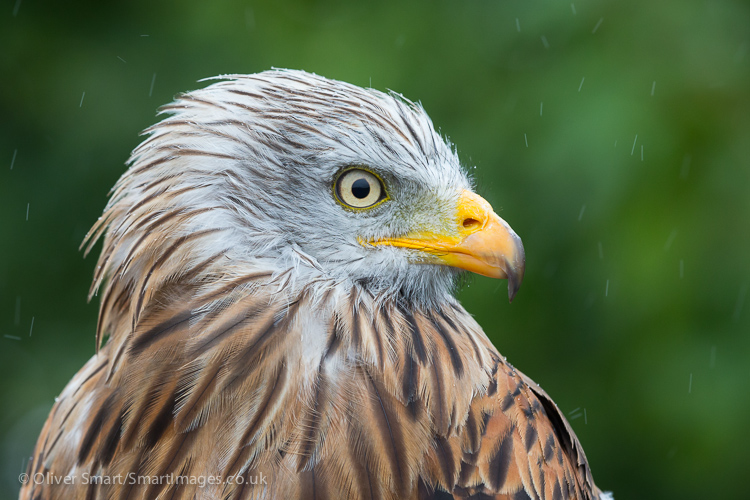
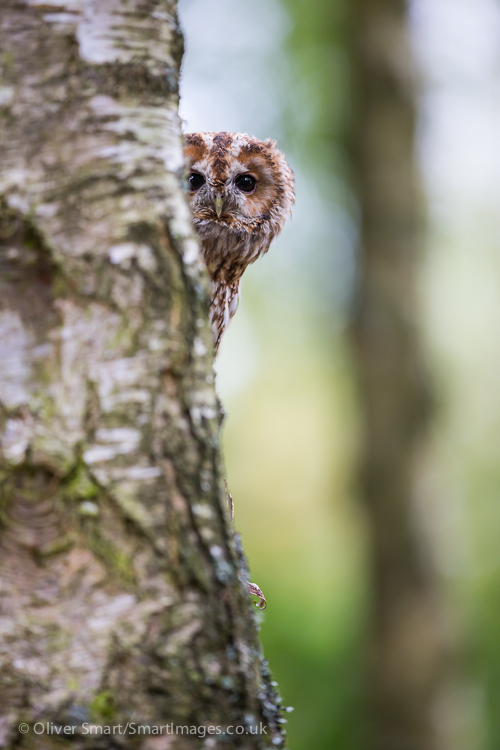
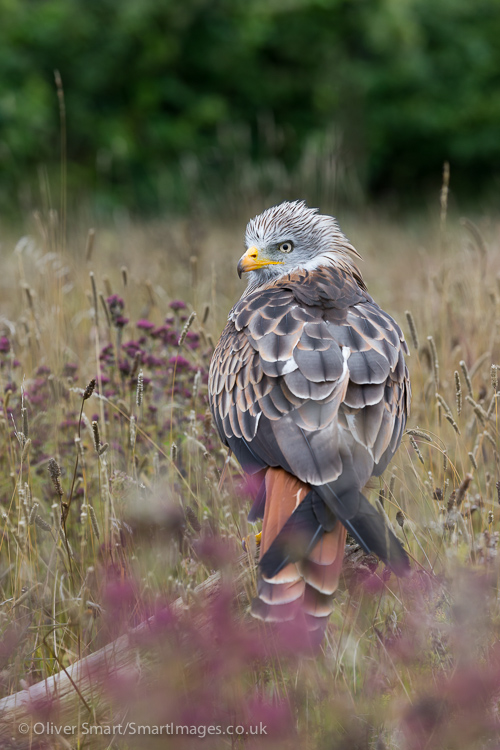
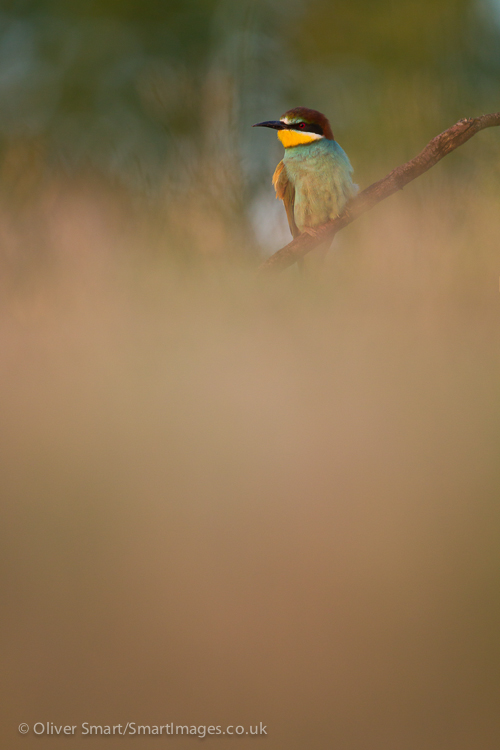
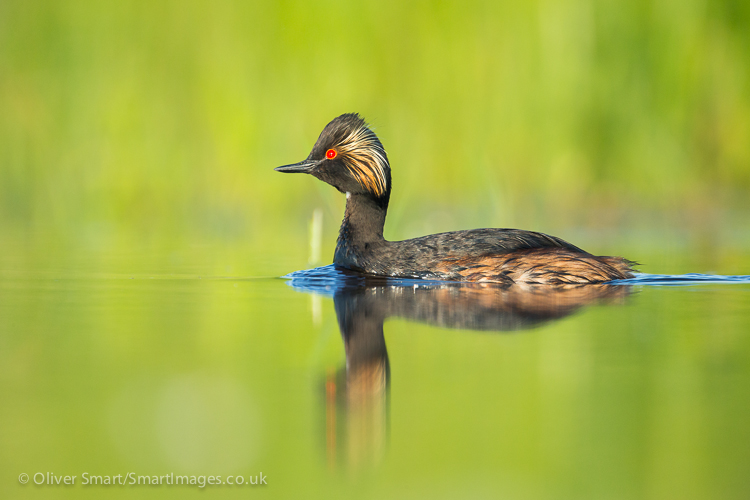
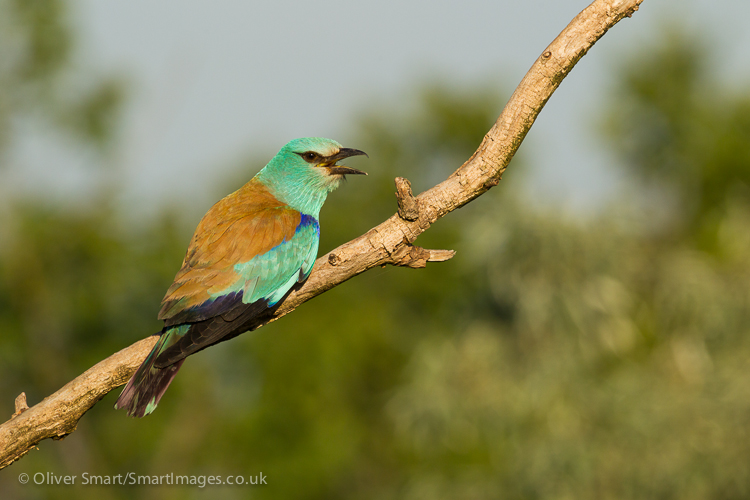
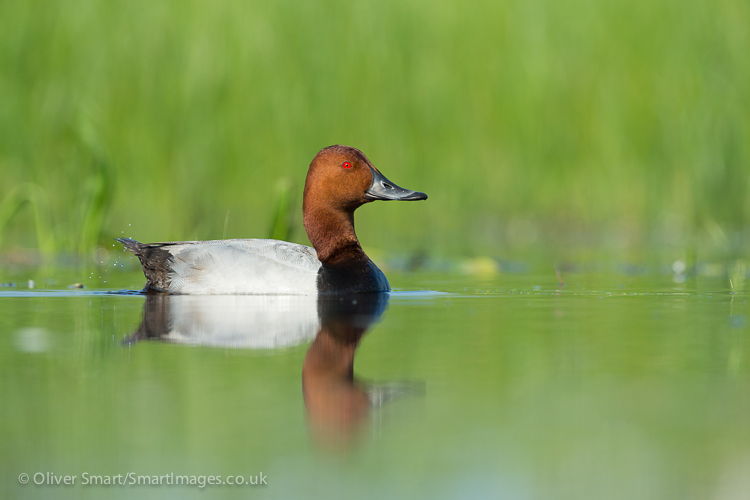
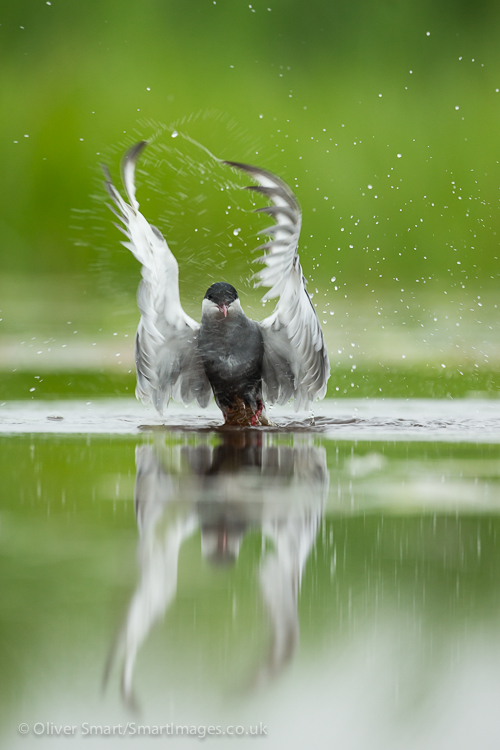
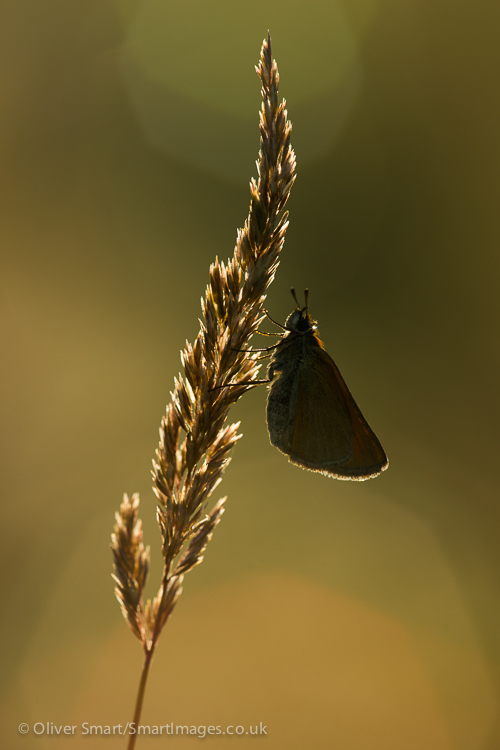
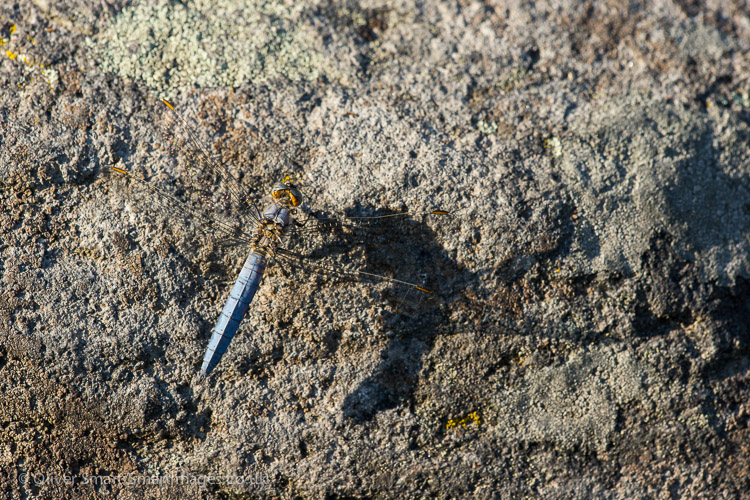
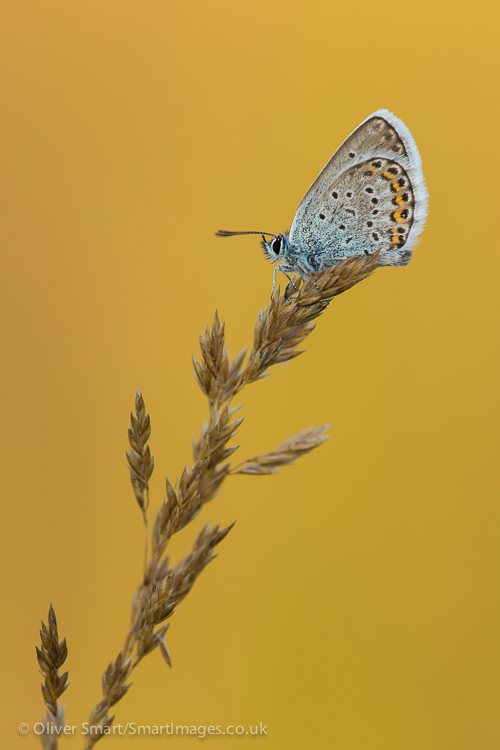
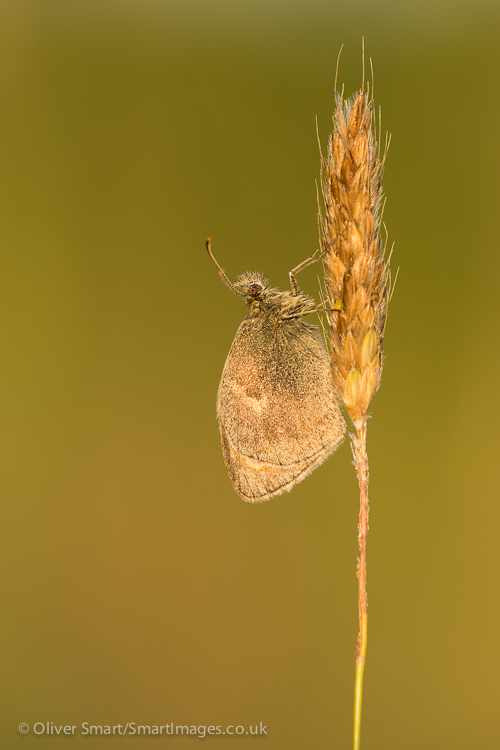
I took a week in June to visit a new area in the Kiskunsag National Park to recce a series of hides and accommodation for a forthcoming tour I intend to run in 2014. The full details of the trip will be announced shortly in my Smart Images newsletter so if you are interested in photographing some wonderful birds in Hungary then please contact me for more information and to be registered for my newsletter.
Some of the birds photographed during the trip included Black-necked Grebe, Great Egret, Ferruginous Duck, Pochard, Hawfinch, Nightingale, Bee-eater, Roller, Red-footed Falcon, Common Kestrel amongst many other commoner species. Also in the area and regularly coming to drinking pools are Turtle Dove, Middle Spotted Woodpecker and Red-backed Shrike.
The species in the slideshow sequence are Whiskered Tern, European Bee-eater, Black-necked Grebe, European Roller, Common Pochard, Whiskered Tern, Small Skipper, Keeled Skimmer, Silver-studded Blue and Small Heath.
For more images of this species click here or from this trip click here.
26 May 2013 - Noar Hill, Hampshire, England, UK
Revisiting a location for a repeat shoot, even years later can be worthwhile as the first shoot is often tricky if you do not know the site well. I usually try and recce a site first before attempting to shoot just so I know where best to find the subjects and to learn about the site.
Noar Hill is a fabulous old quarrying reserve which is a haven for insects and in particular Duke of Burgundy butterflies which are declining across England. At this Hampshire Wildlife Trust nature reserve they are thriving as the management in particular is ensuring the caterpillars food-plant Cowslip is numerous and the cover is sufficient to provide suitable breeding conditions.
Duke of Burgundy Hamearis lucina
Canon 1Dx & 180mm F3.5L macro lens, 1/400 sec @ F5.6, +1/3 stop, ISO 200, tripod
For more images of this species click here or from this trip click here.
14 May 2013 - Aberhirnant, Gwynedd, Wales, UK
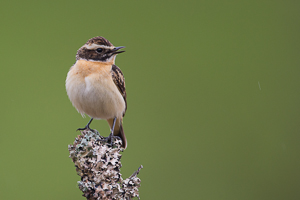
Planning target species for a week's photo shoot seems an ideal way of getting great new material and being prepared when on site. One thing I hadn't quite factored into my plans was the appalling weather and the shyness therefore of my target species!
Armed with the fact that the long journey to north Wales could be a washout I searched for other subjects to photograph. I happened upon a singing male Whinchat and after much observation I was happy that this was a breeding territory and one that I could work with over the course of a few days.
Both male and female birds were using a row of weathered fence posts and this provided a perfect setting for several hide sessions.
Whinchat Saxicola rubetra
Canon 1Dx & 500mm F4L IS lens & 1.4x converter, 1/320 sec @ F5.6, ISO 400, tripod from hide
For more images of this species click here or from this trip click here.
12 May 2013 - Mid Wales Falconry, Castle Caereinion, Wales, UK
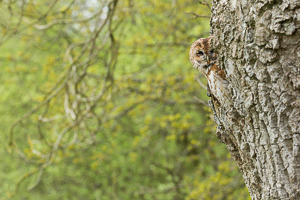
I love working with captive subjects, especially when they are extremely obliging and there are plenty of natural settings in which to compose your shots.
Old trees with natural holes are fantastic for propping owls or birds of prey in as of course these would be used in the wild and also it is easier to hide the jessie and anklets.
Tawny Owl Strix aluco
Canon 1D MkIV & 70-20mm F2.8L IS Mk II lens, 1/160 sec @ F5.6, ISO 400, handheld
For more images of this species click here or from this trip click here.
7 May 2013 - Priors Wood, Bristol, England, UK
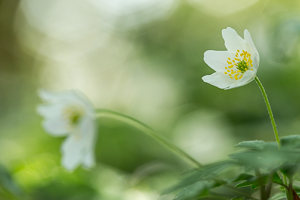
Plants are not normally my forte but I have spent a lot of time trying to improve my technique and also my identification skills, which is perhaps why I have not focussed much energy on looking at or for them in the past.
This year has been a big change in my outlook on my business and my photography and I want to push myself to expand my portfolio into other areas of nature photography.
The other big change is to take more images of local wildlife, something I've neglected a lot over recent years. It has been a great opportunity to quickly expand my collection of images and I will continue to do so for years to come.
Wood Anemone Anemone nemorosa
Canon 1Dx & 180mm F3.5L, 1/100 sec @ F5.6, ISO 400, tripod and cable release
For more images of this species click here or from this trip click here.
27 Apr 2013 - Hawk Conservancy Trust, Andover, Hampshire, UK
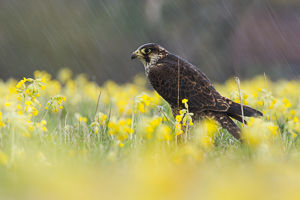
Falconry workshops are a great way to experiment with techniques and to get close to species that would be difficult to shoot in the wild.
Peregrine Falcons are a protected bird and hard to get close to in the wild so it is always a thrill to use them on my falconry workshops where a close approach is the order of the day.
We were extremely fortunate on one of my April workshops that the weather was extremely inclement and with a heavy shower during the afternoon session created the perfect shooting conditions. It was interesting to watch the participants when it started to rain as many of them got up, covered their cameras and tried to find shelter. I called to everyone to get back down and carry on shooting as these were perfect conditions for showing dramatic images and the effect of rain. Those who followed my instructions also took some interesting shots too. Well done guys.
Peregrine Falcon Falco peregrinus
Canon 1Dx & 300mm F2.8L IS Mk II lens & 2x converter, 1/80 sec @ F13, ISO 800, handheld
For more images of this species click here or from this trip click here
17 Apr 2013 - Ponta Delgada, São Miguel, Azores
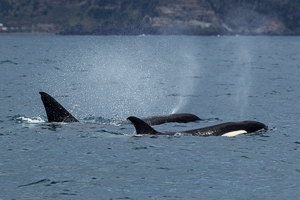
A chance competition victory for a wonderful trip for two to the Azores was quite unbelievable. Helen and I made the most of the trip and spent as much time on the water as possible looking for whales and dolphins.
The early part of the week trip was blighted by high winds and poor visibility and in April this was quite disappointing. Eventually we made it out mid-week and enjoyed fabulous views of Common Bottlenose and Short-beaked Common Dolphins, Fin Whale and the highlight for us both; Killer Whales. Thanks to the team at Futurismo
The largest and most powerful member of the dolphin family these giants were extraordinary as they passed beneath the boat and occasionally breached: spectacular!
Killer Whale Orcinus orca
Canon 1D MkIV & 300mm F2.8L IS Mk II lens, 1/1000 sec @ F8, ISO 200, handheld from boat
For more images of this species click here or from this trip click here.
17 Mar 2013 - Earlswood Lakes, Warwickshire, England, UK
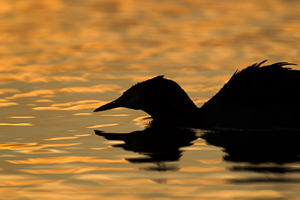
I love accidental photo shoots. By this I mean those that are not necessarily planned but turn out to be extremely productive.
Having visited Earlswood Lakes late in the day with friends, I observed the beautiful sunlight dropping behind the back of the lake. With this in mind and some confiding birds I was able to maximise the orange reflected water and silhouette the birds swimming around the lake.
Great Crested Grebe Podiceps cristatus
Canon 1D MkIV & 500mm F4L IS Mk II lens & 2x converter, 1/200 sec @ F8, -1/3 stop, ISO 200, tripod
For more images of this species click here or from this trip click here.
3 Mar 2013 - Cribyn, Brecon Beacons National Park, Wales, UK
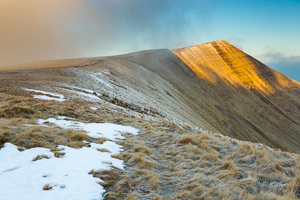
I rarely dedicate time to pure landscape photography but a friend asked if I fancied a trip to mid Wales for a dawn shoot and as it was where I proposed to my wife Helen, I thought it would be good fun.
Camping at the base of the Brecon Beacons we headed up to Pen-y-Fan in the darkness. With low mist we thought we were not going to even see a view but as we started to climb the mountain the mist began to clear and a beautiful view lay before us.
It wasn't until more of the mountains cleared that we realised we were nowhere near the top of the main peak but actually much lower down on Cribyn instead. Oh well, so much for planning. Having said that we probably made the best of the morning light and the few results were quite pleasing.
Cribyn, Breacon Beacons National Park
Canon 1D MkIV & 24-70mm F2.8L lens @ 25mm, 1/4 sec @ F22, ISO 100, tripod
22 Jan 2013 - Swindon, Wiltshire, England, UK
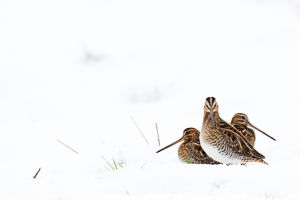
I've mentioned before the pleasures of working in snowy conditions but it is not just the light and clean shots you can attain but the behaviour of species.
In this instance working from a vehicle I only had a short window of a few minutes to take shots and the normally camouflaged Common Snipe stood out like sore thumbs! As you can see they are more wary, alert to the potential dangers from predators who will be able to spot them more easily.
I also like the composition of the birds too, balancing the image nicely.
Common Snipe Gallinago gallinago
Canon 1D MkIV & 500mm F4L IS Mk II lens & 1.4x converter, 1/320 sec @ F8, +2 stops, ISO 400, bean bag from vehicle
For more images of this species click here or from this trip click here.
To purchase this image from RSPB Images click here.
10 Nov 2012 - Lake Manapouri, South Island, New Zealand
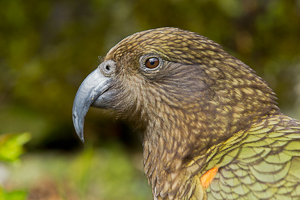
The Kea is the world's only alpine parrot and found in the mountains of New Zealand's South Island.
It is highly destructive as it becomes associated more often with humans, in car parks or campsites! They take a likely to straps, anything shiny and will cause a lot of damage if left alone.
Omnivorous they are not choosy about what they eat and even above the snow line they can be found searching for food. Their brilliant orange underwings take your breath away when the fly overhead. At nearly 1/2 a metre tall and with a wingspan of over a metre they have a significant presence in their native country.
Kea Nestor notabilis
Canon 1D MkIV & 70-200mm F2.8L IS Mk II lens, 1/250 sec @ F6.3, ISO 400, Handheld
For more images of this species click here or from this trip click here.
17 Oct 2012 - Tealham Moor, Somerset, England, UK
I love photographing common species in different situations. I regularly complete wildlife surveys for the BTO and RSPB and being outdoors offers chances for the odd shot or two.
I don't allow myself to get too distracted and there is never enough time to spend with a subject in the middle of a survey but usually in a 4-5 hour survey I will come across an interesting subject or scene to shoot.
Here the Common Buzzard was contently foraging in a recently harvested field and was using the hay bales as lookout posts, hopping down to the ground once it spotted something.
The early morning glow was pleasing although if it had been a few minutes earlier I would have caught sunrise properly which would have been great!
Common Buzzard Buteo buteo
Canon 1D MkIV & 300mm F2.8L IS Mk II lens, 1/320 sec @ F8, ISO 200, Bean bag on car roof
For more images of this species click here.
14 Oct 2012 - Hawk Conservancy Trust, Andover, Hampshire, England, UK
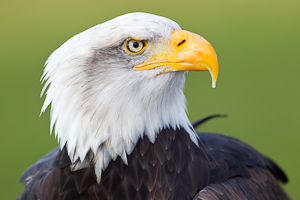
On the last falconry workshop I ran in October 2012 we were blessed with excellent weather, perhaps too good at times.
I have spent a bit of time photographing Bald Eagles in Canada and it was nice to get to see one so close, enough to pick out the detail in the iris!
If you are interested in taking some great shots of birds of prey then please contact me for more details. The next workshop is in April 2013.
Bald Eagle Haliaeetus leucocephalus
Canon 1D MkIV & 300mm F2.8L IS Mk II lens, 1/640 sec @ F4.5, ISO 400, Handheld
More images will be available on Alamy soon.
26 Sep 2012 - Pevensey Bay, East Sussex, England, UK
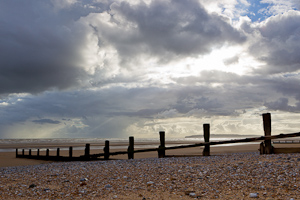
Following our first road trip in 2010 our next leg took us on an adventure from Littlehampton, West Sussex around the Kent coastline to Sandwich, where we'll pick up from next time. We utilised our VW T5 camper van to keep the cost down and enjoy as much of the countryside as possible.
The grand idea is to ultimately tour as much coastline of the British Isles on foot or my car (along the nearest rod to the coast) and enjoying the best views, places and activities on the way.
Stopping off at Pevensey Bay in East Sussex, the area believed to be where the Normans landed in 1066, I was keen to take some shots of the moody coastal landscape. The groynes in the foreground are to protect the beach from sea erosion and along with some beautiful cloud formations made for a nice overall composition with the town of Eastbourne and Beachy Head in the distance.
Pevensey Bay, East Sussex
Canon 1D MkIV & 24-70mm F2.8L lens, 1/50 sec @ F16, ISO 160, Bean bag
More images will be available on Alamy soon.
19 Sep 2012 - Slimbridge, Gloucestershire, England, UK
Even captive subjects can be worth experimenting with and I was happy to spend a few minutes trying to show the delicate nature of the Greater Flamingo's plumage.
So often photographers look at getting full portraits of subjects but often the more pleasing images are those that are either show the subject in context with their surroundings or give hints to their biology and behaviour or showing textures and patterns.
Greater Flamingo Phoenicopterus roseus
Canon 1D MkIV & 300mm F2.8L IS Mk II lens, 1/4000 sec @ F9, ISO 800, handheld
More images will be available on Alamy soon.
31 Aug 2012 - Weston-Super-Mare, Somerset, England, UK
Late in the season I started looking for Wall Brown butterflies with limited success. Mostly passed their best I kept looking and located a female Common Darter using a regular perch in-between hunting bouts.
Common Darters will fly in low temperatures making them one of the commonest and longest emerging species in the UK seen from April through into late autumn.
Common Darter Sympetrum striolatum
Canon 1D MkIV & 180mm F3.5L macro lens, 1/800 sec @ F6.3, ISO 200, Gitzo tripod & Manfrotto ball and socket head
For more images of this species click here or from this trip click here.
26 Aug 2012 - Malvern Hills, Worcesterhire, England, UK
Trying to complete my project I also wanted to add some of the rarer forms to the portfolio too. This is tricky as often they are remotely located, extremely hard to find or mutations which may not occur often. Thankfully the blue-spotted aberrant form of Small Copper is a little easier to find and it didn't take long to locate several at roost once I was in the right location.
For a lot of my butterfly photography I spend a good deal of time utilising poor conditions just as much as those perfect days. For insects, bad weather plays a big part in their activity and lifecycle. With adult butterflies it means they will roost during poor weather making photography that much easier. A brief glimmer of sunlight through thick clouds brought a rare wing opening, which showed off the blue spots on the hind wings.
Here I have used fill-in flash too to bring out detail and some saturation from the subject.
Small Copper Lycaena phlaeas caerulo-punctata
Canon 1D MkIV & 180mm F3.5L macro lens, 1/30 sec @ F6.3, ISO 200, flash, Gitzo tripod & Manfrotto ball and socket head
For more images of this species click here or from this trip click here.
28 July 2012 - Alners Gorse, Dorset, England, UK
Looking for, finding and then failing to photograph a species is always very disappointing as was the case with the White-letter Hairstreak that I went hunting for at Alners Gorse in Dorset. The only saving grace in these instances is to find something else interesting to photograph.
Up until this point I'd seen Silver-washed Fritillaries several times but only photographed the dorsal view and never the ventral side. On this occasion I tried to go one better, however my targets made it very difficult indeed.
SWFs are very quick, both when nectaring and when in flight, so keeping up with them is hard work. On this occasion a period of cloud cover forced the female to rest on the leaves of Alder Buckthorn. Thankfully this was just above head height and I was able to shoot from beneath. Initially the images were underexposed so I used a little fill-in flash which highlighted the underside of the butterfly. The blown highlights are not actually a problem as I could use this as a cut-out image perhaps for a magazine with white pages rather than worry about having detail or a blue sky in the background.
Silver-washed Fritillary Argynnis paphia
Canon 1D MkIV & 180mm F3.5L macro lens, 1/300 sec @ F8.0, +1/3 stop, ISO 400, flash, Gitzo tripod & Manfrotto ball and socket head
More images will be available on Alamy soon.
17 July 2012 - Bernwood Forest, Oxfordshire, UK
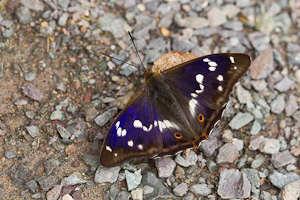
The Purple Emperor is a regal butterfly, one of mystery and intrigue. On the outside it appears to be a difficult species to see but more often than not the views can be extraordinary and perhaps to the point where you leave before the butterfly does!
In 2011 I tried a couple of different sites and was disappointed at both the number present and of the views I had. The weather often putting a dampener on proceedings. Thankfully this year there has been a good emergence at Bernwood Forest and a tip-off from a good friend was all I needed to make a dash to the site on one good weather day in-between rain and strong winds.
Once found, you often have plenty of time to take images although I was not expecting the first male that I saw to subsequently spend 2.5 hours feeding from my camper van!
Purple Emperor Apatura iris
Canon 1D Mk IV & 180mm F3.5L IS lens, 1/80 sec @ F7.1, +2/3 stop, ISO 400, tripod.
More images available on Alamy soon.
25 June 2012 - British Wildlife Centre, Surrey, England, UK
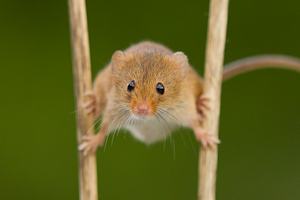
My first visit to the British Wildlife Centre after years of consideration and I was extremely impressed with the diversity of species.
Many species have open enclosures to be able to see clearly the mammals and reptiles and therefore providing good photo opportunities. For some subjects you can enter enclosures with guides and get extremely close to the animals, a real privilege.
The Harvest Mouse is one of the sweetest British mammals and a subject every photographer wishes to get close to. I would like to have experimented with a variety of perches but was pleased to get this shot of the mouse in a classic pose.
Eurasian Harvest Mouse Micromys minutus
Canon 1D Mk IV & 180mm F3.5L IS lens, 1/500 sec @ F4.5, ISO 1250, handheld.
More images available on Alamy soon.
25 June 2012 - Finemere Wood, Buckinghamshire, England, UK
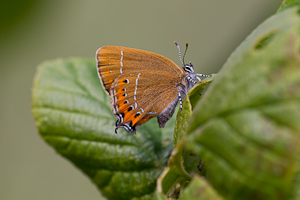
I hear you all cheer...as if you've been keeping track this was my final species I needed to see in the UK and Ireland. So the 59th regular breeding species finally observed along a woodland ride in Buckinghamshire.
The Black Hairstreak is a tricky species, only existing in a belt in middle England where clay soils are dominant. It's food plant is Blackthorn and this exists in abundance.
The hardest thing with Black Hairstreaks is actually seeing them well as they spend a lot of time perched high on Blackthorn or Oak trees where they feed on honeydew. The males also spend a lot of time waiting for passing females and then they engage in a twisting flight display. The best way in which to observe them at close quarters is to put in a lot of time waiting for them to periodically visit nectarine plants including Privet and Bramble.
So to the next 14 species then...what I hear you say? Well, there have been 14 other species observed in the UK and Ireland which are either extinct species or those which are rare migrants. So, hopefully in a few years I will manage to see all these too.
Black Hairstreak Satyrium pruni
Canon 1D Mk IV & 180mm F3.5L IS lens, 1/200 sec @ F8, ISO 400, tripod.
More images available on Alamy soon.
12 June 2012 - Catfield Fen, Norfolk, UK
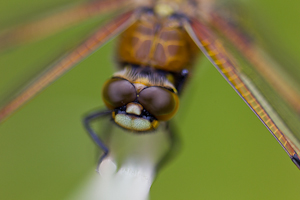
Having spent so much time chasing butterflies over the past two seasons I often encountered other invertebrates during my Lepidoptera hunting. Taking images of the other insect groups is a good way for me to build my portfolio of British wildlife, rather than focussing too heavily on one family.
Dragonflies are one of our larger insect groups and more visibly noticed. Although they can be extremely active and difficult to approach there are times when the weather conditions force them to rest and allow for a very close view.
I located this Four-spotted Chaser in a stand of reeds being buffered by the wind. Using my Wimberley Plamp I positioned the reed stem in the open but sheltered from the wind. The overhead conditions were bright but with some cloud cover which was perfect lighting for shooting during the mid-afternoon.
Once set-up I was then able to experiment from all angles, trying various focus points and different depth-of-field settings. This shot in particular using a shallow depth-of-field to focus just on the compound eyes works really well and shows a completely different perspective of a stunning insect.
Four-spotted Chaser Libellula quadrimaculata
Canon 1D Mk IV & 180mm F3.5L, 1/500 sec @ F3.5, ISO 400, tripod.
More images available on Alamy soon.
1 June 2012 - Raven Point, Co. Wexford, Republic of Ireland
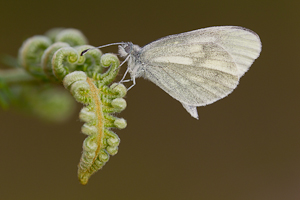
The most expensive British & Irish butterfly trip yet! The Real's or now known as Cryptic Wood White is only found in Northern and the Republic of Ireland where I decided to go as it is closer to home!!
The only way to easily separate this species with the mainland Wood White (also found in the Burren in Ireland) is by examination of its genitalia. Thankfully where I visited you only are likely to find the one species so my quarry was determined.
A beautifully delicate species that lays its eggs on Bird's-foot Trefoil and Meadow Vetchling. At Raven Point the coastal sand-dune and pine woodland provides excellent habitat for the species and good numbers can be seen here throughout late May and June.
Cryptic Wood White Leptidea juvernica
Canon 1D Mk IV & 180mm F3.5L IS lens, 1/80 sec @ F8 -2/3 stop, ISO 400, tripod & remote release.
More images available on Alamy soon.
6 May 2012 - Nash Point, Glamorgan, Wales, UK
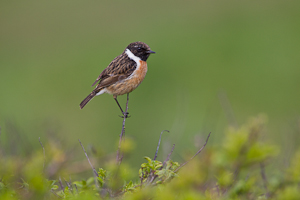
With the rather depressing bout of poor weather during late April and early May, a potential break gave me an opportunity over the bank holiday weekend to catch up on some photography work.
My plans were for butterflies but with the consistent rain and windy conditions forecast, I decided to postpone this shoot and headed to south Wales instead in search of Red-billed Chough. I did find what I was looking for and took a few pleasing images which will be uploaded to Alamy soon. However, in the process I managed to locate a lovely little valley that provided excellent opportunities for Whitethroats, Linnets and Stonechats that were feeding young.
This straightforward portrait was pleasing as often there were distracting twigs in view, but on this occasion the adult male perched delicately and posed for the camera with a clean background.
Using a bag hide, I was able to keep well hidden and the birds were soon flitting all around paying me little attention.
Common Stonechat Saxicola torquatus
Canon 1D Mk IV & 500mm F4L IS lens, 1/500 sec @ F6.3, +1/3 stop, ISO 400, tripod & bag hide.
For more images from this trip click here.
7 April 2012 - Abbey Dore, Herefordshire, England, UK
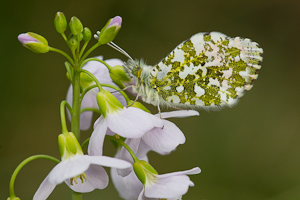
Having successfully photographed a male Orange-tip last year on bluebells, I have longed for the chance to find one on Lady's Smock (aka Cuckoo Flower), the butterfly's food plant.
Having searched during the flowering season in 2011, I failed to find one and resided to my original images, although extremely pleased with the results of course.
This spring I have started to plan my butterfly itinerary to finish my project photographing all the British species and have made a list of the shots that I still needed or wanted to improve.
Getting an early break away for Easter I stayed in a delightful campsite in Herefordshire and took a walk from Abbey Dore towards Ewyas Harold via some country lanes where I happened across one solitary male butterfly at roost. I spent about 75 minutes with the individual taking a variety of shots in very low light.
The low flash output has helped to light the underside of the butterfly as well as the flower petals and stem. I was thrilled to finally locate this species on its food plant.
Orange-tip Anhocharis caradamines
Canon 1D Mk IV & 180mm F3.5L lens, 1/13 sec @ F11, +1/3 stop, ISO 400, tripod, cable release and flash
For more images of this species click here or from this trip click here.
22 March 2012 - Rhiwderin, Wales, UK
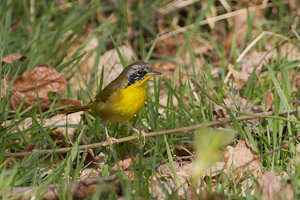
Wanting to test out the new camper-van, Helen and I decided to visit Rhiwderin in south Wales with the vein hope that a little New World warbler would still be present.
It has to be said that this bird was one of the hardest I've had to see in the UK and whenever you photograph a species well abroad it is always difficult to know how much time and effort it is worth putting in to see one in Britain.
Thankfully it was within about 45 minutes that I first saw the bird, buried deep in vegetation, but pleasantly bathing in a small stream. This was my only glimpse for another 90 minutes or more but thankfully patience paid off. None of the images I managed will win any awards but it was a great record of an interesting morning.
If you would like a print of this bird then please email me and send a cheque to Mr. Oliver Smart for £5.00, which includes postage and packaging. This will be for a 6x4 inch print. If you would like a larger image then please email with details.
Common Yellowthroat Geothlypis trichas
Canon 1D Mk IV & 500mm F4L lens & 1.4x converter, 1/800 sec @ F6.3, ISO 400, tripod
For more images of this species click here.
29 February 2012 - Lake Awassa, Rift Valley, Ethiopia
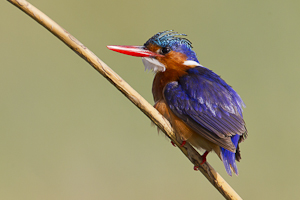
During mid-February to mid-March I visited the wonderful land of Ethiopia. Most people have one vision of Ethiopia: famine, but I can safely say that this aspect of the country is very misjudged. Although there are of course issues during severe drought, Ethiopia does have its fair share of rainfall and there is a large population living within close proximity to the Rift Valley where numerous hinge lakes can be found.
With 24 days to enjoy we travelled widely to Debre Libanos, Awash, Lake Awassa, Wondo Genet, Dinsho, the Bale Mountains, Negele, Yabello and Lake Langano. Each was spectacular in its own way. This may have either been birds, other wildlife, landscapes or the very friendly and accommodating local people.
Thanks especially to Aweke Hailu are driver and to Solomon Travel for organising a special trip for Bill, Ian, Johan and myself.
After nearly four weeks we tallied something around 385 bird species (without a bird guide!) and some 34 mammals. There are a lot of highlights from the trip and I have decided to put together a talk on this beautiful and misunderstood country. Please contact me for details.
Malachite Kingfisher Alcedo cristata galerita
Canon 1D MkIV & 500mm F4L lens & 1.4x converter, 1/640 sec @ F8, +2/3 stop, ISO 400, tripod.
For more images from this trip click here.
6 December 2011 - Titterstone Clee Hill, Shropshire, England, UK
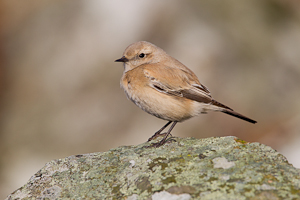
It is not often I get time to chase rare vagrants in Britain anymore, but I always get a thrill seeking rare species, even if an individual has been present for some time.
After giving a talk to the Sutton Coldfield RSPB group I headed to Malvern for the night and with my good friend Ian Butler we headed up to Titterstone Clee Hill in Shropshire to look for a female Desert Wheatear.
Having arrived following a cold spell with a light dusting of snow on the ground we met another birdwatcher who had seen the wheatear but it had disappeared only minutes before our arrival.
We proceeded to scour the quarry and surrounding vegetation and boulder fields until some 3 1/2 hours later another birdwatcher had relocated the bird on the lower bracken-covered slopes.
The bird allowed an unbelievably close approach which resulted in some lovely posed portraits in beautiful light.
Desert Wheatear Oenanthe deserti
Canon 1D MkIV & 500mm F4L lens, 1/1000 sec @ F8, +1/3 stop, ISO 400, tripod
For more images of this species click here.
14 to 24 October 2011 - Alaska, North America
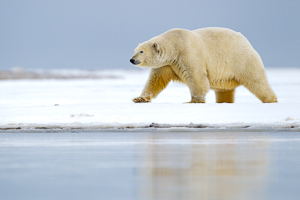
I am sure that if asked most people would find Polar Bears to be one of the species to see in a lifetime. This is indeed the case for me and I have been waiting for the opportunity to see these extraordinary mammals in the flesh.
With the conservation of these creatures so heavily focussed around trying to prevent global warming and the melting of the Arctic ice I knew that possibly time was running out to be able to get very close to one of the biggest land predators on the planet.
Logistically and financially watching and photographing Polar Bears is not easy or cheap but rather than taking the 'easier' options of Churchill in Canada or Svalbard in Europe, I decided to trek across to northern Alaska and the remote town of Kaktovik in the Beaufort Sea.
With six sessions to work alongside the bears I had a number of different opportunities for shooting, mainly from vehicles and especially flat-bottomed boats which generated a lovely low working angle in which to illustrate the bears in their natural habitat. A truly memorable experience!
To see other images from this trip please also visit my Smart Images Facebook page.
Polar Bear Ursus maritimus
Canon 1D MkIV & 500mm F4L lens, 1/500 sec @ F5, ISO 500, bean bag resting on Zodiac boat
For more images of this species click here or from this trip click here.
8 to 10 August 2011 - Whitecross Green Wood, Oxfordshire, England, UK
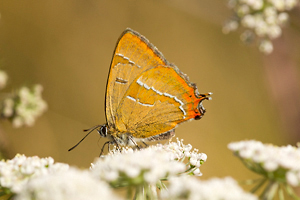
Working in windy conditions is by far my least favourite. It is no surprise that wind not only frustrates the photographer but it does not assist a sun-loving butterfly species in going about its day-to-day business.
Having checked the forecast over several days prior to my dash to Oxfordshire I was not optimistic about my chances of photographing or even seeing the Brown Hairstreak butterfly. I had heard they were on the wing but unless conditions were warm and favourable then they would most likely be rather elusive; hiding at the top of Ash trees.
Thankfully my last minute decision to go paid off as I was awarded some calm conditions to start the day but enough sunshine when the wind did pick up not to put off the butterflies completely. This allowed views of nine butterflies of which two I was able to photograph with reasonable success. The image opposite of a male hairstreak was the only one I had feeding on Wild Angelica Angelica sylvestris.
Brown Hairstreak Thecla betulae
Canon 1D MkIV & 180mm F3.5L macro lens, 1/500 sec @ F8, +2/3 stop, ISO 400, Gitzo tripod & Manfrotto ball and socket head
For more images of this species click here or from this trip click here.
29 to 31 July 2011 - Arnside Knott, Cumbria, England, UK
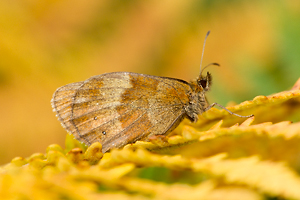
One of the joys of photographing butterflies is the reward for patience and effort in the field. I try and allow several sessions to work with a particular species especially if I want to secure high-quality images for publication, prints or digital slideshow presentations.
My butterfly project is slowly winding down this season although there are a few species I can still photograph although no new species will be added to my British list; currently standing at 56.
On my latest visit to Cumbria for the southern most UK colonies of Scotch Argus, I spent four sessions looking for them which, as it happened was not too difficult. What I did want to observe though, were both male and female and to ensure I had images of upperside and underside shots of them. For this entry I thought I'd use an underside shot of a beautifully marked female to illustrate how well camouflaged they can be when roosting, in this case on a dying bracken frond.
Scotch Argus Erebia aethiops
Canon 1D MkIV & 180mm F3.5L macro lens, 1/50 sec @ F8, +1/3 stop, ISO 500, Gitzo tripod & Manfrotto ball and socket head, cable release, fill-in flash
For more images of this species click here or from this trip click here.
11 to 14 July 2011 - Bentley Wood, Wiltshire, England, UK
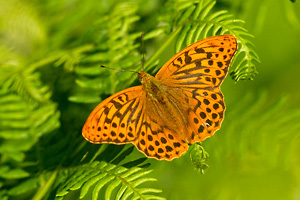
Heading to Bentley Wood in Wiltshire I had, perhaps, overestimated the difficulty of some of the target species I was hoping to photograph. Many butterflies require specific conditions when they are more approachable or indeed photographable. This usually concerns the weather and namely the sun, which was unfortunately fairly absent from my first day-and-a-half.
My targets included Purple and White-letter Hairstreak, Silver-washed Fritillary and most importantly Purple Emperor. I allowed myself three days and hence five sessions to try and photograph these glorious species.
After many hours of patience I was not to be rewarded, like so many others, of a close view of a male emperor. This large species float down to rotten fruit, which by-the-way is placed by various visitors close to the ground to attract them. I was, however, pleased to add Purple Hairstreak and plenty of Silver-washed Fritillary images to my collection.
Silver-washed Fritillary Argynnis paphia
Canon 1D MkIV & 180mm F3.5L macro lens, 1/1600 sec @ F6.3, -1 stop, ISO 400, Gitzo tripod & Manfrotto ball and socket head, handheld
More images will be available on Alamy soon.
8 to 11 July 2011 - Durlston Country Park, Dorset, England, UK
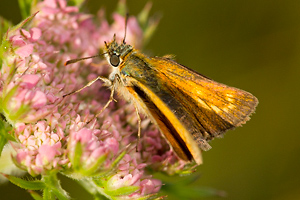
The Lulworth Skipper is on the north-western limit in the UK and restricted to a few coastal and the odd inland site in Dorset. First discovered in the village of Lulworth this little butterfly is one of a number of similar orange species.
Thankfully, due to a pale crescent marking on the female it is fairly distinctive. It is also slightly smaller and darker than the other three species in Britain and therefore reasonably easy to identify.
Durlston Country Park owned by Dorset County Council is a superb coastal butterfly haven as well as harbouring interesting plants, birds and other wildlife. It can be busy with visitors on a hot, sunny, summer's day; however, there are usually several places you can wander where you see very few other people.
Lulworth Skipper Thymelicus acteon
Canon 1D MkIV & 180mm F3.5L macro lens, 1/250 sec @ F8, +1/3 stop, ISO 400, Gitzo tripod & Manfrotto ball and socket head, cable release
More images will be available on Alamy soon.
1 to 4 July 2011 - Honister Pass, Cumbria, England, UK
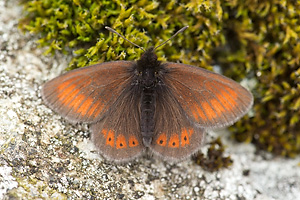
There are not many more remote places to find butterflies in Britain and except for Scotland; Cumbria is the only area to find Mountain Ringlets. They inhabit a narrow band of volcanic rock, high in the mountains, feeding on Mat Grass during the larvae stage of their lives and flying just above the ground as adults.
The adults only live for a few days and although there can be hundreds or thousands in a colony they can be hard to find if the temperature is not sunny and above 15 degrees.
I was fortunate to have the best conditions, albeit a little breezy and having found a good site went about trying to photograph them. After an hour or so the clouds began to roll in which provided ideal conditions for me to get closer to the butterflies.
Females fly very infrequently and as they are solely there to lay eggs I was lucky enough to find one female which I followed for some time laying eggs on its food plant. A really great way to see my 54th British species.
Mountain Ringlet Erebia epiphron
Canon 1D MkIV & 180mm F3.5L macro lens, 1/80 sec @ F8, +1 stop, ISO 800, Gitzo tripod & Manfrotto ball and socket head
For more images of this species click here or from this trip click here.
12 - 19 June 2011 Soltvadkert, Hungary
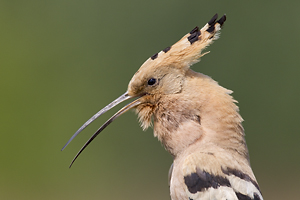
A last minute invite to Hungary didn't take me much time to say yes. With the option to photograph Bee-eater, European Roller, Goshawk, herons, egrets and many other species I couldn't turn it down.
A long day trip to Soltvadkert to photograph Hoopoe at a nest site was a special day too. The pair were still displaying and a well-positioned perch allowed incredibly close views. Most of the images were taken using a 70-200 F2.8L IS lens but I did use the 500mm towards the end just to illustrate the lovely detail of the head markings. This image therefore is the full shot and not cropped.
Hoopoe Upupa epops
Canon 1D MkIV & 500mm F4L IS lens & 1.4x converter, 1/1250 sec @ F8, ISO 500, Gitzo tripod & Wimberley Mk II head, bag hide
More images will be available on Alamy soon.
3 to 6 June 2011 - Exmoor, Somerset, England, UK
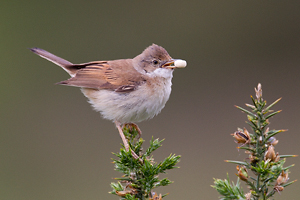
A visit to Exmoor in June is a great time to watch heathland and moorland bird species during the very active breeding season.
My main priority was to photograph the Heath Fritillary butterfly, a rare and beautiful species. I did so successfully but a bonus was a pair of Whitethroats nesting in short gorse, providing an ideal opportunity to blend into the vegetation whilst still getting a good view of the activity.
I used a bag hide for camouflage and almost immediately the birds ignored my presence and continued feeding their young. The mix of prey items was interesting; from caterpillars and spiders to the unfortunate rare Heath Fritillary itself. Not quite how I wanted to photograph the butterfly but an interesting shot which I must send to the conservation team!!
Common Whitethroat Sylvia communis
Canon 1D MkIV & 500mm F4L IS lens & 1.4x converter, 1/320 sec @ F6.3, ISO 400, Gitzo tripod & Wimberley Mk II head, bag hide
More images will be available on Alamy soon.
7 to 19 May 2011 - Dordogne, France
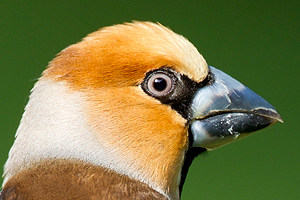
No matter how much planning goes in to organising a trip, booking accommodation, researching species and ensuring you take all the right equipment there are always things that you just do not expect.
No sooner had Helen and I arrived at our gîte in the Dordogne had we been shown around by the owner did we find a pair of Hawfinches regularly using the bird table!
I regularly travel with a bag hide, a lightweight alternative to dome hides I decided to set up close to the feeding station, however ensured I positioned the feeder close but just behind a perch. This ensured that the Hawfinches would use the perch prior to accessing the feeder.
I have cropped the original image to illustrate the extraordinary colouration and more importantly the huge bill which the species uses to open walnuts and cherry stones!
Hawfinch Coccothraustes coccothraustes
Canon 1D MkIV & 500mm F4L IS lens & 1.4x converter, 1/500 sec @ F5.6, -1/3 stop, ISO 400, Gitzo tripod & Wimberley Mk II head, bag hide
More images will be available on Alamy soon.
3 May 2011 - Noar Hill, Hampshire, England, UK
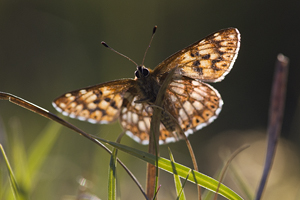
Butterfly photography is often about patience and trying to find the correct specimen to follow and photograph. I think working with Duke of Burgundy butterflies recently in Hampshire has to be one of the most frustrating and unrewarding sessions so far.
The main difficulty lay in their inactivity until the temperature was in the mid-teens when they became very active. Finding them at roost was impossible too due to their preference for hiding away in tall scrub and trees. Even when an individual was resting peacefully it was almost always on the ground and therefore usually obscured or shaded partially by a leaf or grass stem.
Although I managed to obtain a handful of images this was one of the slightly more unusual shots with it backlit against the sun.
Ironically it was not a butterfly that stole the show for me on this trip but actually a bird that posed beautifully. To see the shot of a singing Tree Pipit please visit here.
Duke of Burgundy Hamearis lucina
Canon 1D MkIV & 180mm F3.5L macro lens, 1/500 sec @ F5.6, ISO 200, bean bag & cable release
For more images of this species click here or from this trip click here.
3 May 2011 - Hazelbury Common, Wiltshire, England, UK
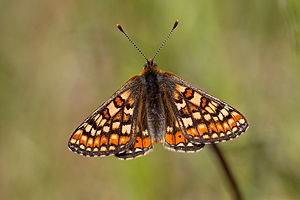
Butterfly photography is often very difficult in windy conditions, especially combined with a cool temperature. For Marsh Fritillaries warm conditions are essential for them to fly so my early arrival at Hazelbury Common was unnecessary.
Once the thermometer rose several degrees a few individuals became active alongside many Dingy Skipper, Common Blue and Small Copper.
The wind persisted and after nearly two hours of patience and following one individual I was rewarded with this shot. The male basking on top of a tall stem and with all other vegetation more distant I was able to blur the background completely.
Marsh Fritillary Euphydryas aurinia
Canon 1D MkIV & 180mm F3.5L macro lens, 1/320 sec @ F8, +1/3 stop, ISO 200, Gitzo tripod & Manfrotto ball & socket head, cable release
For more images of this species click here or from this trip click here.
30 April 2011 - Walton Common, Somerset, England, UK
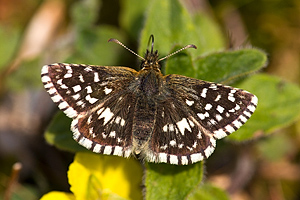
Spring continues apace and my butterfly project is moving along nicely. Having enjoyed a Royal Wedding related BBQ the night before I forced myself out of bed at 06:30 to focus on the last British skipper needed for my list.
Grizzled Skippers are busy little insects dashing around in a blur of wings. My arrival to Walton Common was met with bright conditions but a fairly brisk breeze which no doubt reduced the frenetic activity associated with this active butterfly. This however made it much easier for me once I'd found them.
Unlike the books suggest a couple of individuals spent several hours basking in the sun and only flying occasionally when harassed by a Dingy Skipper Erynnis tages or fly! They also occasionally visited flowers but generally resting on leaves which offered many photographic opportunities.
Grizzled Skipper Pyrgus malvae
Canon 1D MkIV & 180mm F3.5L macro lens, 1/200 sec @ F8, ISO 200, Gitzo tripod & Manfrotto ball & socket head, cable release
For more images of this species click here or from this trip click here.
17 to 22 April 2011 - Kuusamo, Finland
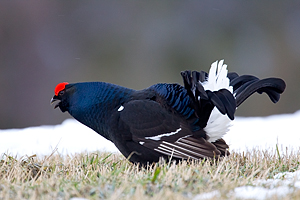
My most magical experience of all a few years ago was to watch a Black Grouse lek. I have wanted to photograph the displays of these birds for some time and finally had the fortune to return to Finland (after an early winter trip for eagles) with the local bird photography company Finnature.
Finnature is a well-established and very professional company owned and led by Jari Peltomäki. His knowledge and expertise in the bird photography field is second to none and there are great opportunities to use professional guides, local hides and knowledge to photograph some of Europe's difficult or elusive species. For more information on booking trips to Finland please visit their website at Finnature.
My guide for this trip was Olli Lamminsalo who I worked with in February. His knowledge, passion for birds and unrivalled dedication (18 hour days in the field are very hard work!!) made this trip one of the best I have ever experienced.
We had five mornings in which to photograph male Blackcocks at their lekking grounds (a site for males to compete for territories and females) as well as an evening session. After a couple of days in one of the remarkable hides I decided I wanted to get a different angle for the birds to have them backlit against the rising sun. Olli and I were unable to convert any existing hide we had so decided to build a new one from scratch. This low-level hide allowed the perfect angle to shoot.
Black Grouse Lyrurus tetrix
Canon 1D MkIV & 500mm F4L IS lens & 1.4x converter, 1/250 sec @ F5.6, +1/3 stop, ISO 1600, Wimberley Mk II head attached hide shelf
For more images of this species click here or from this trip click here.
10 April 2011 - Castle Caereinion, Welshpool, Wales, UK
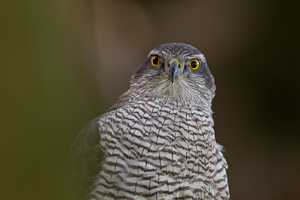
Many of Britain's birds of prey and owls are very difficult to photograph in the wild so falconry centres offer an opportunity to take a variety of images.
Working with a few friends I spent a sunny Sunday at the Mid Wales Falconry centre near Welshpool.
With a variety of beautiful species to photograph I've selected this image of a Goshawk peering around a conifer tree in woodland near the centre. The intensity in the eyes must be a frightening experience for any unsuspecting mammal or bird as the Goshawk will ambush its prey.
Northern Goshawk Accipiter nisus
Canon 1D MkIV & 500mm F4L IS lens & 1.4x converter, 1/800 sec @ F8, +1/3 stop, ISO 200, Gitzo tripod & Wimberley Mk II head
More images will be available on Alamy soon.
8 April 2011 - Eastville Park, Bristol, England, UK
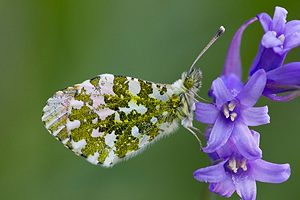
After a twelve-hour night shift one would not judge me on wanting to head straight to bed. However on this Friday morning having completed my shift I left work and headed straight for Eastville Park just outside the centre of Bristol.
I had been alerted to some recently emerged Orange-tip butterflies and I wanted to start my butterfly project for 2011 with a new species for my collection.
The light was beautiful, the temperature cool, the ground dewy, but best of all there was no wind at all!
Having wandered through the park, I was not really sure of where to look although clues of Cuckoo flower or Bluebells would lead me in the right direction.
I found several patches of Bluebells amongst the woodland flora and having scaled up the side of the valley I came face-to-face with this beautifully marked male butterfly.
I love photographing butterflies at roost and I spent 90 minutes with this individual and it didn't move once, allowing me plenty of time to refine my technique.
Orange-tip Anthocharis cardemines
Canon 1D MkIV & 180mm F3.5L macro lens, 1/50 sec @ F8, ISO 640, Gitzo tripod & Manfrotto ball & socket head, cable release & mirror lock-up.
For more images of this species click here or from this trip click here.
19 February 2011 - Parkgate, Merseyside, England, UK
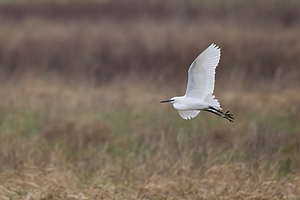
During very high tides, the area of saltmarsh around Parkgate in Merseyside is inundated with water. This unusual, although annual event is a spectacle in itself as birds and more importantly small mammals are forced to retreat towards the sea wall and the narrow road bordering the estuary.
High tides need to be over 10m and more importantly a following wind to assist in pushing the water closer to the sea wall. Unfortunately for me the tide, although high was not quite good enough to create the mayhem that is sometimes seen when people are rescuing voles from the grass!
In fact the only shot I took was of this egret flying reasonably close to the growing crowd behind the sea wall.
Little Egret Egretta garzetta
Canon 1D MkIV & 500mm F4L IS lens & 1.4x converter, 1/640 sec @ F5.6, +2/3 stop, ISO 800, tripod & Wimberley MkII head.
For more images of this species click here.
12 - 14 February 2011 - Kuusamo, Finland
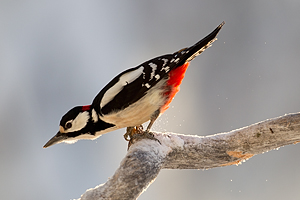
Moving from Oulu to Kuusamo, the eagle hide is quite different providing other opportunities to photograph smaller birds visiting a feeding station. There were many Great Spotted Woodpeckers in the area and their bright colours really stood out in the snow.
The hide allows for backlit shots with reflected light coming from the snow. This pose, as the bird moved down the branch has disturbed some particles of snow which are glistening in the sun.
Great Spotted Woodpecker Dendrocopus major
Canon 1D MkIV & 500mm F4L IS lens, 1/800 sec @ F5.6, +1/3 stop, ISO 400, tripod head screwed to hide shelf
For more images of this species click here or from this trip click here.
10 - 11 February 2011 - Oulu, Finland
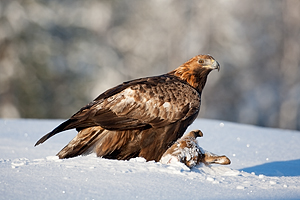
A five day trip to Finland in February was aimed at photographing Golden Eagles. The first day was a great success and the image opposite which was one of many shots taken of an individual bird coming to a baited Roe Deer carcass.
Golden Eagles are very, very shy and can easily be disturbed. If you do intend to photograph wild birds of prey then please follow these three tips below to get the most from your subject.
1) Do not move your lens. Waving your lens will scare most subjects away but with eagles they can spot the slightest movement. Have the lens positioned in the baited location and wait.
2) When an eagle comes to bait ensure you do not shoot straight away. This may seem like torture but if you allow a bird a few minutes to eat in peace then there is a greater chance of it staying once you start taking images.
3) Before you rattle off 10 frames a second take a few single shots (or silent shots if you have the option). This will allow the bird to become accustomed to your camera shutter and you will almost certainly reap the rewards for your patience.
Golden Eagle Aquila chrysaetos
Canon 1Ds MkII & 500mm F4L IS lens & 1.4x converter, 1/800 sec @ F5.6, ISO 200, tripod head screwed to hide shelf
For more images of this species click here or from this trip click here.
26 January 2011 - Ezumazji, Lauwersmeer National Park, Holland
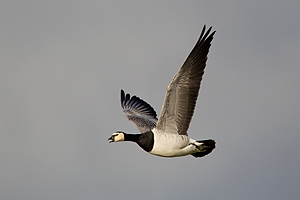
Following on from my trial run of the new Canon 1D MkIV, I ventured abroad to give the camera a good test.
The winter is always a great time to travel especially as many northerly breeding species head south to avoid the harsh climate around the Arctic. My trip to Holland was to search the vast farmland areas for geese and especially Barnacle and White-fronted as well as maybe a rarer species.
Unfortunately the weather was extremely dull for the first three days and only towards the end of the trip to the sun appear and allow some decent photography.
At Lauwersmeer National Park the number of geese reaches tens-of-thousands of birds and the flocks are quite a spectacle.
Barnacle Goose Branta leucopsis
Canon 1D MkIV & 500mm F4L IS lens & 1.4x converter, 1/2000 sec @ F6.3, +1/3 stop, ISO 400, bean bag from car
More images will be available on Alamy soon.
21 January 2011 - Summer Lane Pond, Somerset, England, UK
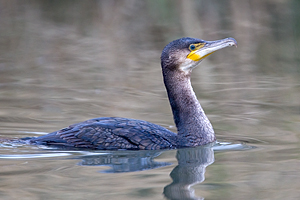
This was the first try out for my new camera and having read the manual cover-to-cover I thought I was prepared. Unfortunately it takes a little more than a thorough read to be able to shoot amazing images.
Plenty of practice is for certain and this practice shoot was a good opportunity to test the different settings especially with the advantages of higher ISO settings.
Great Cormorant Phalacrocorax carbo
Canon 1D MkIV & 500mm F4L IS lens & 1.4x converter, 1/200 sec @ F5.6, ISO 800, tripod
For more images of this species click here or from this trip click here.
1 - 3 December 2010 - Snettisham, Norfolk, UK
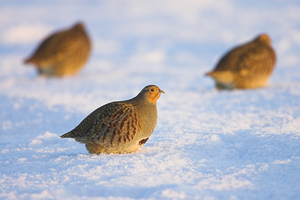
Outside the breeding season Grey Partridges are more communal and small groups of a dozen or more form coveys which hang out around arable fields.
They can be quite difficult to approach and at the first sign of danger they will take flight in an explosion of whirring wings. Approaching them on foot is very difficult so using the cover of a hedge or bank to keep concealed is very important.
During a short trip to Norfolk during the very cold snap the British Isles experienced in December, I found several hundred partridges scattered amongst farmland near the coastal village of Snettisham. Driving conditions around the lanes were tricky in the snow and my effort was more than rewarded with a selection of interesting group images in beautiful light.
Grey Partridge Perdix perdix
Canon 1D MkII & 500mm F4L IS lens & 1.4x converter, 1/400 sec @ F5.6, +2/3 stop, ISO 200, bean bag from car
For more images of this species click here or from this trip click here.
29 - 30 November 2010 - Welney WWT, Norfolk, UK
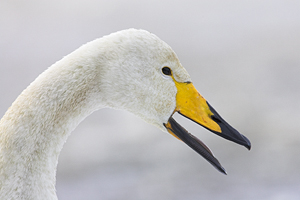
During the autumn and winter geese, ducks, waders and swans arrive in mass from their Arctic breeding grounds, departing to avoid the severely cold conditions.
The British Isles on the edge of the Gulf Stream provides abundant food resources and moderately warmer temperatures being a magnet for many species of bird.
The Wildfowl and Wetlands Trust reserve at Welney in Norfolk is a magical reserve in the heart of the fens, a flat area of farmland, water and hosting plenty of food! Using the photographic hide enables you to get a little closer to the action and a couple of sessions during a snowy winter's day provided some great close-up views of Whooper Swans which have travelled all the way from Iceland.
Whooper Swan Cygnus cygnus
Canon 1D MkII & 500mm F4L IS lens & 1.4x converter, 1/400 sec @ F8, +1/3 stop, ISO 200, bean bag from hide
For more images of this species click here or from this trip click here.
20 to 31 October 2010 - Hengistbury Head, Dorset, UK
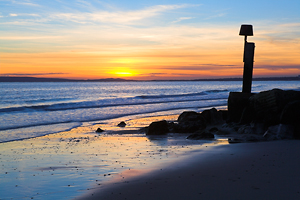
During October Helen and I started the first of our road trips around the coast of Britain. Travelling abroad is great fun but we both felt it would be nice to actually say we have seen the British Isles! We decided to start in Dorset and head east following the rugged south coast.
Axmouth was our starting location and we wound our way along the coast stopping at various key points to walk the coastal footpaths or to visit important natural or manmade features like Durdle Door or Portchester Castle.
After our holiday had run out we had made it as far as the River Arun in West Sussex. This will be our starting point for our next coastal journey as we explore East Sussex and Kent.
This image of Hengistbury Head was one of many interesting landscapes we came across. The Dorset coastline had the most dramatic cliff views of all but I particularly enjoyed the colour and feature of the Purbeck Hills in the distance in this shot.
Hengistbury Head, Dorset
Canon 1Ds MkII & 24-70 F2.8L lens @ 67mm, 1/13 sec @ F22, -1/3 stop, ISO 125, tripod and timer release
For more images of this location click here or from this trip click here.
17 October 2010 - Exmoor National Park, Somerset, UK
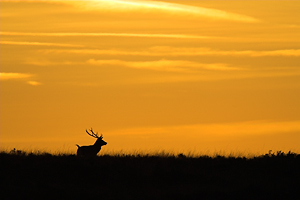
Having watched Autumnwatch in previous years, I've always been keen to photograph Red Deer. Watching Simon King drool over the Rum animals I thought it time to explore a site near to home for myself.
There are many deer parks around the country offering extremely close views of wild Red Deer. Although this appeals to me for commercial purposes, part of me enjoys the tracking and hunting (not literally!) of my photographic subjects.
I was kindly invited to Exmoor National Park to explore some of the best spots for watching these beautiful wild animals. The autumn is the best time to experience the rut and to hear the stags bellowing across the moor. It is fascinating to watch their antics and it doesn't take long to begin to understand the relationships and dominance of individuals; that is if the animals stay around long enough!
I only had two mornings to find deer and I was blessed with beautifully calm mornings with clear skies and wonderful light. Having trekked across part of the moor in the dark to a previously watched spot I sat and waited for sunrise. It wasn’t long before a large dominant male chased after a lone female onto a nearby ridge where he posed briefly in the early morning glow. Although I would have preferred to have been another hundred or so yards closer and perhaps to have had both male and female in the image together I was pleased with my efforts after only two sessions.
My thanks to Dave Webb and Chris Eager for their help on this mini-expedition.
Red Deer Cervus elaphus
Canon 1D MkII & 500mm F4L IS lens & 1.4x converter, 1/1000 sec @ F6.3, ISO 200, tripod.
For more images of this species click here or from this trip click here.
2 October 2010 - Brownsea Island, Dorset, UK
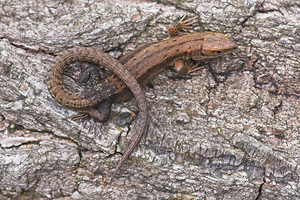
Alcohol and wildlife don’t really mix, well not for me anyway! A late night following a drunken game of poker is not the best way to plan for a decent photography session. Hence a late 11:30 start, but thankfully the weather was relatively kind.
Brownsea Island in Poole Harbour, Dorset is a magical place, remote enough to be enjoyed in relative peace and quiet but close enough to the mainland to make the journey across relatively painless.
Having risen late I made my way to the hides to check out the large flocks of waders and waterfowl. Meandering down one of the footpaths I bumped into one of my poker partners who was photographing Common Lizards.
There were several basking in the sunny conditions amongst some fallen logs and amongst the few adults were several young, learning the tricks of the trade! They were extremely approachable and I was able to concentrate (albeit with a headache) composing my images and waiting for the occasions when the direct sun went behind the clouds to help soften the light on the subject.
Common Lizard Lacterta vivipara
Canon 1Ds MkII & 180mm F3.5L macro lens & 12mm extension tube, 1/50 sec @ F8, +1/3 stop, ISO 200, tripod & cable release.
For more images of this species click here or from this trip click here.
27 September 2010 - Somerset, UK
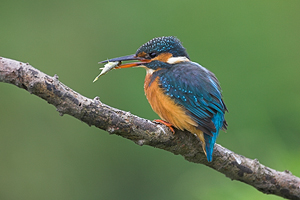
Some of the most enjoyable aspects of photographing wildlife are when you get an idea for an image and follow it through the planning, preparation and execution stages. In the case of this beautiful female Kingfisher, I have spent three weeks and over thirty hours preparing for this moment. Okay, so it is a standard portrait shot of a bird with prey but this was a new experience for me and I wanted to at least start with getting the basics right. The demand for Kingfisher images is high so I wanted to ensure I could get some good quality stock images.
Having observed this bird using a stretch of river close to my home on several occasions I decided to put a prominent perch close to a regular feeding area. Luckily the river has a number of slip-ways which allowed me to set up a hide at eye-level with the perch. I took copious notes on each visit to try and understand the birds' movements and whether she would accept the change in scenery. My biggest error initially was arriving too late in the morning, only just after sunrise, but late enough to disturb the bird further downstream as I approached my viewing area. After this initial set-back I now ensure I arrive some thirty minutes before daybreak so that I can get everything ready before the bird visits this part of the river.
This is an ongoing project so hopefully there will be many more images to come in the future.
Kingfisher Alcedo atthis
Canon 1Ds MkII & 500mm F4L IS lens, 1/200 sec @ F4, ISO 200, tripod & portable hide.
For more images of this species click here or from this trip click here.
14 August 2010 - Aston Rowant, Oxfordshire, UK
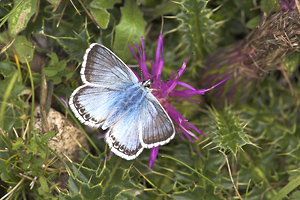
Ground-feeding butterflies are some of the most difficult to photograph successfully for several reasons. Firstly there is usually all-manner of distracting background vegetation to contend with. Secondly it is much harder to approach the butterfly as you will often cast a shadow over the subject (if it is sunny of course) and thirdly you have to get in to an almost impossible angle over the subject to get the whole thing in focus.
In the case of this stunning male Chalkhill Blue butterfly, I had to contend with all three problems. Thankfully the background in this case doesn’t distract too much from the main subject. The background shows the nectar plant and leaves of a Dwarf Thistle and there are not too many other leaves or grasses interfering with the subject. The lighting was bright and overcast so no shadow was cast over the subject. This also meant the contrast was more pleasing and the vivid colours jump out of the image.
The only downside to the whole experience was the constant noise from the M40 motorway; however I doubt very many of the motorists even know about this wildlife haven so close to the road.
Chalkhill Blue Polyommatus (Lysandra) coridon
Canon 1Ds MkII & 180mm F3.5L lens & 12mm extension tube, 1/125 sec @ F9, ISO 200, tripod & cable release.
For more images of this species click here or from this trip click here.
24 July 2010 - Durlston Country Park, Dorset, UK
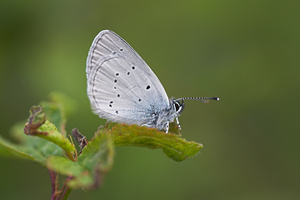
As a general rule I don't tend to go looking for butterflies during strong, windy conditions as not only are they generally less active but the chances of getting images of one perched on a blade of grass is almost impossible.
On some occasions, especially if you are already on a trip there is no reason not to go looking and in the case of a trip to Dorset, Helen and I decided to take a visit to Durlston Country Park, just outside Swanage regardless of the weather. It was bright, sunny and late in the day so we thought there was a chance of a dip in the wind.
This didn't materialise but we did get to spot our first ever Lulworth Skippers fluttering at speed amongst the short grass. Chalkhill Blues also dashed about and I was wondering whether the butterfly trail would turn up any images for me at all. Having already paid for the parking we decided to continue around the rest of the trail.
As we headed on the return path towards the visitor centre we passed through a kissing gate and spotted a Small Blue fluttering near bramble. It landed briefly in the sun before flying to the sheltered side of the wall running along the edge of the field. We watched the butterfly settle and then spotted another roosting nearby. As our eyes became more accustomed we spotted at least a dozen Small Blues at roost. The vegetation, now sheltered from the wind was ideal for photography and I took many images of these tiny insects.
Small Blue Cupido minimus
Canon 1Ds MkII & 180mm F3.5L lens & 12mm extension tube, 1/60 sec @ F6.3, -1/3 stop, ISO 250, tripod & cable release.
For more images of this species click here or from this trip click here.
29 June 2010 - Downend, Bristol, UK
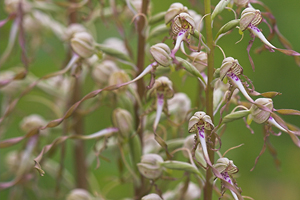
It is not often I get the chance to 'twitch' rare birds let alone rare plants these days but I couldn't resist the opportunity to see the remarkable Lizard Orchid on a bank in North Bristol.
This rare orchid was accidentally introduced to this northerly site about 40-50 years ago when the M4 motorway was being built. Imported soil was dumped at the roadside and some 20 years later the first Lizard Orchids were discovered. In 2010 a stand of 14 spikes has emerged so far.
Lizard Orchids are a strange shape, both tall, quite broad and with oddly-shaped flowers. I composed this image using a row of three spikes to create a mixture of colour, shape and focus. The 'forked tongues' pointing in various directions add an almost sinister feel to the shot.
Lizard Orchid Himantoglossum hircinum
Canon 1Ds MkII & 180mm F3.5L macro lens & 12mm extension tube, 1/200 sec @ F6.3, -2/3 stop, ISO 320, bean bag resting on roadside crash barrier with cable release
For more images of this species click here.
9 June 2010 - Fowlsheugh, Kincardineshire, Scotland
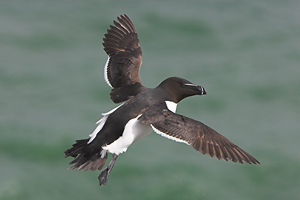
It can be easy to become obsessed with seabird colonies and the British Isles certainly hold a vast number of breathtaking islands and mainland sites where seabirds can be observed at extremely close quarters.
Having disembarked from the Shetland to Aberdeen overnight ferry at 7am, I headed south and was at Fowlsheugh RSPB reserve just 30 minutes later in the morning gloom with thick cloud and very strong winds to contend with.
Thankfully the wind was coming from the east which is perfect for flight photography at this reserve. Gradually over the following seven hours the light improved and I was able to take hundreds of images of both Razorbills and Guillemots floating effortlessly around the cliff-tops.
Razorbill Alca torda
Canon 1D MkII & 70-200mm F2.8L IS lens & 1.4x converter @ 210mm, 1/1250 sec @ F6.3, -2/3 stop, ISO 200, handheld
For more images of this species click here or from this trip click here.
1 to 8 June 2010 - Shetland Isles, Scotland
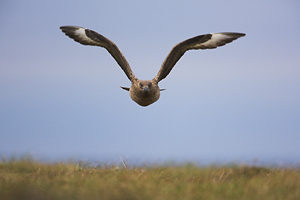
Nesting on rocky islands and coastal moorland, Great Skuas are masters of the skies and seas. Their powerful build enables them to defend their territory with brute force as well as harassing other seabirds for the food they've caught.
I have regularly observed Great Skuas chasing Gannets where their persistence and tenacity pays off with a free meal. In another case a dramatic chase between two skuas and a Common Gull ended in the latter’s demise, drowned in the water.
Shetland is a perfect place to watch the antics of skuas but be wary not to stray into their territory as you may well find yourself on the hit list.
Great Skua Stercorarius skua
Canon 1Ds MkII & 500mm F4L IS lens & 1.4x converter, 1/2000 sec @ F5.6, -1/3 stop, ISO 200, bean bag from car
For more images of this species click here or from this trip click here.
25 to 31 May 2010 - Ardnamurchan Peninsula, Scotland
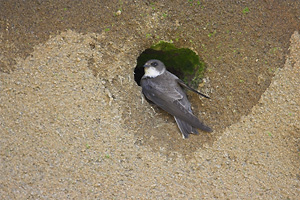
Whether natural or man-made, sand banks and quarries provide perfect nesting habitat for a particular long-distant migrant: Sand Martins.
Arriving in Europe from tropical West Africa, Sand Martins excavate a deep burrow into a vertical sand or earth bank. They nest colonially and hunt insects over water so their nesting sites need to be close to areas where they can feed.
Having watched dozens hunting over narrow rivers and around the many coastal bays and inland lochs I found a number of small colonies on the Ardnamurchan peninsula where I could use the car as a perfect hide from which to photograph them.
Sand Martin Riparia riparia
Canon 1D MkII & 500mm F4L IS lens & 1.4x converter, 1/160 sec @ F5.6, -1/3 stop, ISO 400, bean bag from car
For more images of this species click here or from this trip click here.
21 March to 11 April 2010 - Cuba
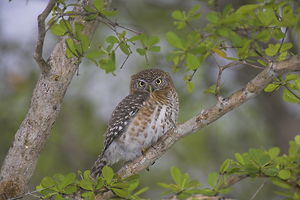
Photographing wildlife abroad and especially in tropical forest can be extremely challenging. Not only is it difficult to locate the target species but you have to acclimatise to the intense heat and/or humidity. Finally, if that was not enough you then have to ensure your camera is ready, pointing in the vague direction of the subject with the correct settings applied to the camera, especially as flash will be switched on to combat the lack of light in the canopy.
Whilst travelling independently in Cuba this spring we used guides where possible to locate some of the more tricky species in an area called Zapata, a vast swampland on the southern coast, some 240km from Havana. We made two visits covering seven nights here as there were many Cuban endemics and other specialities that we wished to find although some are almost impossible to see.
This beautiful owl was perched in a fairly open location at the edge of a vast, open swamp with sporadic palm trees (we visited in the dry season). Many of the trees were dead, providing fantastic habitat for three species of woodpecker, American Kestrel and this wonderful endemic Pygmy Owl.
Cuban Pygmy Owl Glaucidium siju
Canon 1Ds MkII & 500mm F4L IS lens & 2x converter, 1/250 sec @ F8, -2/3 stop, ISO 500, flash extender, tripod
For more images of this species click here or from this trip click here. Please note that more images from this trip are being added every week during February and March 2011.
14 March 2010 - Tealham Moor, Somerset, UK
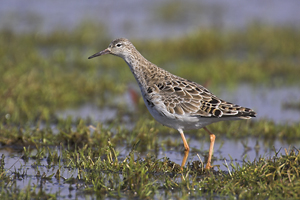
Getting involved in wildlife surveying is a great excuse to be able to get out into the countryside to areas that you may not normally travel and at times when you'd rather be tucked up in bed. It is very rewarding knowing that the information you collect can be used for positive conservation work as well as offering potential opportunities to see some wonderful wildlife.
I have been undertaking the Wetland Bird Survey (WeBs) run jointly by the BTO and RSPB over a number of years and every visit turns up something unusual or interesting. In the case of the Ruff opposite I can't remember having ever seen them in this particular location before so it was equally exciting not only to find a locally rare bird but also to be able to photograph it.
Initially I used the car as a hide as the bird fed close to the edge of a field. Unfortunately it moved in line directly behind a fence so I was unable to continue taking pictures. A number of cars had passed and slowed and the bird showed no sign of leaving so I got out of the car and gradually stalked behind the gate post. I positioned myself about four metres closer and this time without any obstruction.
Ruff Philomachus pugnax
Canon 1Ds MkII & 500mm F4L IS lens & 2x converter, 1/800 sec @ F8, -1/3 stop, ISO 200, bean bag resting on fence
For more images of this species click here or from this trip click here.
9 March 2010 - Grimley, Worcestershire, UK
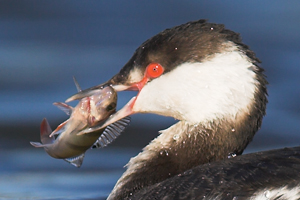
Outside the breeding season many bird species moult into winter plumage thus offering the nature photographer another opportunity to capture the plumage and behaviour of a species in a different season.
Grebes especially, lose their stunning attire during the autumn and take on a rather plain look. On closer inspection the crisp black and white plumage and their piercing red eye really are a striking combination however and can be equally pleasing to photograph.
This passage bird at Grimley gravel pits in Worcestershire was exceptionally confiding and with a little patience and good timing it was possible to have the bird swimming just a few feet away from the shore. The low angle obtained by lying on the ground using a bean bag or flat tripod added a nice composition to a number of images. This one in particular showed one of the many Perch that the bird successfully caught during the day.
Slavonian (or Horned) Grebe Podiceps auritus
Canon 1Ds MkII & 500mm F4L IS lens & 1.4x converter, 1/800 sec @ F8, -1/3 stop, ISO 200, tripod
For more images of this species click here or from this trip click here.
6 March 2010 - Plumley Park, Weston-Super-Mare, UK
I often think of the phrase 'In Praise of Plants'; one of the competition topics for the Wildlife Photographer of the Year. It is true that plants are remarkable in their ability to combat the weather, attract pollinators, fight for space, look attractive and ultimately struggle for survival in an ever-changing world.
Although I prefer the portrait version of the two Crocus flowers I love the gentle balance of colour, shape and depth-of-field in this image. It was certainly a pleasant diversion early on a Saturday morning in my local park just ten minutes walk from home.
Crocus
Canon 1Ds MkII & 180mm F3.5L lens, 1/200 sec @ F3.5, +1/3 stop, ISO 125, bean bag & cable release
For more images from this trip click here.
21 February 2010 - Gloucestershire, UK
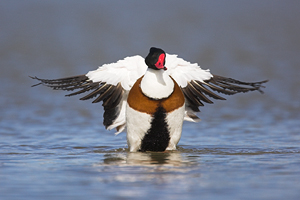
Wildfowl collections can often be a source of great imagery especially as captive birds act as decoys, attracting wild birds down to the enclosures. In the case of Shelduck they are frequently seen at very close quarters at Slimbridge and would normally be hard to approach on an estuary for example. Both the viewing distance, the habitat (sinking mud) and exposure are all prohibitive in getting up close.
Ensuring you've got a wild bird in your viewfinder is half the challenge but once you've seen a bird flap its wings or fly in to land then you know you're on to a winner.
Always remember if you are selling or promoting images to ensure you advertise a captive bird as such and not to pass it off as a wild one. This is both misleading to potential clients but may affect other photographer�s work too who may have spent a large amount of time and money photographing that species in the wild.
This image was taken from one of the leisure canoes which can be hired on the reserve taking you through a reedbed habitat with channels, flooded scrub and viewing screens. When bathing birds will finish with a flap of their wings and raise out of the water. This is the best time to capture some action and behaviour.
Common Shelduck Tadorna tadorna
Canon 1Ds MkII & 500mm F4L IS lens & 1.4x converter, 1/1600 sec @ F5.6, ISO 200, handheld from canoe
For more images of this species click here or from this trip click here.
9 January 2010 - Congresbury, Somerset, UK
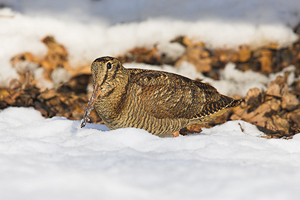
The excitement of sitting quietly in a small, portable hide in the freezing cold for four hours is a difficult thing for most people to comprehend. Surely there is something better to do during a cold winter's day I hear you say.
Well, there may be but to hear the sounds of the woodland, to see wild animals at close quarters and to observe something really special is why the uncomfortable conditions are worth persevering with.
During my four hour stint in the snow I was blessed with the appearance of a hungry Woodcock searching for food along the edge of the snow-covered lawn. The sun, breaking through the clouds was perfect, adding to the wonderful experience.
Woodcocks are shy birds, normally only observed when flushed during daylight hours; their camouflage providing them excellent protection from predators whilst roosting on the ground. Their eyes, which are positioned high on the head, offer them 360 degree vision. With the ground covered in snow I can only assume this bird was forced to feed during daylight hours.
Eurasian Woodcock Scolopax rusticola
Canon 1Ds MkII & 500mm F4L IS lens & 1.4x converter, 1/320 sec @ F8, -1/3 stop, ISO 200, tripod & portable hide
For more images of this species click here or from this trip click here.
3 January 2010 - Greylake, Somerset, UK
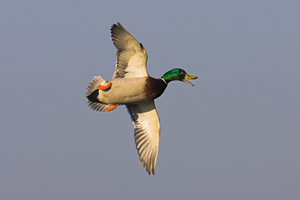
It is always nice to get out into the countryside at the start of the New Year, making the most of the crisp mornings and most of all getting the year off to a flyer photographically.
Not having yet been to the new RSPB reserve at Greylake in Somerset, I decided to make a visit whilst covering a couple of other sites nearby. It was a pretty frosty morning and all the standing water was frozen solid preventing any wildlife from swimming and feeding. After an hour or so a flock of Mallard duck skirted around the perimeter of the main frozen pond. After several circuits the small flock of fifteen or so birds started to descend to roost on the pond at midday.
With each banking turn the birds were lit up with the low sun. One male in particular called as it descended and although I didn't realise it at the time I managed to capture the moment. Thankfully, I only managed one sharp image out of a dozen or so as I had forgotten to reset my camera settings after a session with Dunlin Calidris alpina earlier in the morning using slow shutter speeds!! Phew!!
Mallard Anas platyrhynchos
Canon 1D MkII & 500mm F4L IS lens & 1.4x converter, 1/125 sec @ F20, -1/3 stop, ISO 100, bean bag from hide window
For more images of this species click here or from this trip click here.
6 December 2009 - Congresbury, Somerset, UK
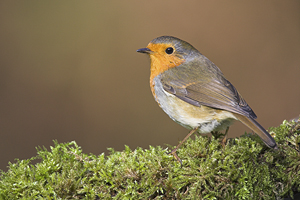
Winter feeding is both incredibly valuable to birds but also a great opportunity to photograph many of our common garden birds at close range.
Using a portable hide it is easy to set up feeders and attractive perches to try and entice your avian subjects. Most birds prefer to pause on their way to a food source to ensure there is no obvious danger before spending time feeding. A few well-placed branches can make all the difference to obtaining some pleasing images. The image of the Robin was just one such shot of a common bird sitting handsomely on a wonderful moss covered branch found in a local wood.
During the winter many smaller passerines including tits, warblers, nuthatches and goldcrests flock together and forage in groups. A garden feeding station could easily attract a dozen species or more depending on the locality in the country.
European Robin Erithacus rubecula
Canon 1Ds MkII & 500mm F4L IS lens & 1.4x converter, 1/250 sec @ F5.6, -1/3 stop, ISO 320, tripod & portable hide
For more images of this species click here or from this trip click here.
12 November 2009 - Gloucestershire, UK
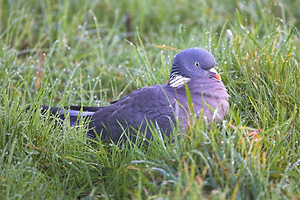
Over much of the UK Wood Pigeons are classed as pests and because of this they are frequently shot or scared away from farmland, leaving them very wary of people. At Slimbridge they are both common and left to get on with their lives. This being the case they are incredibly tame and accustomed to the number of visitors to the reserve. Therefore for photographers it is a great place to visit to try and capture these charismatic and very attractive pigeons on film. I was quite intrigued by one of their behaviours as rather than sitting on top of the scattered buildings or perched up in the trees many birds would hunker down into the dew covered grass. I can only presume that it was slightly warmer on the ground. I particularly liked this unusual pose and although it is not an amazing image it did show another interesting side to these lovely birds.
Wood Pigeon Columba palumbus
Canon 1Ds MkII & 500mm F4L IS lens & 1.4x converter, 1/125 sec @ F5.6, -1/3 stop, ISO 200, resting on hide window
For more images of this species click here or from this trip click here.
19 October 2009 - Malvern Hills, Worcestershire, UK
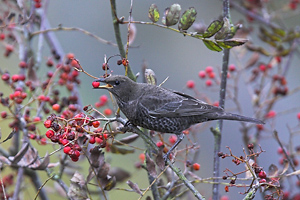
I always like to see unusual or very rare birds in Britain, even if I've seen dozens before abroad. In the case of Ring Ouzels, I have only ever seen a couple before so the chance to see half-a-dozen together was an opportunity I didn't want to miss. The Malvern Hills are a perfect example of birds using a linear feature as a migration tool although in October several birds were stopping to refuel on berries before continuing on their way south. At least seven birds had been seen feeding together and had been present for a number of days so it was highly likely they would still be there when I visited one afternoon. I had already checked the weather forecast and checked with a friend who lives nearby what the conditions were like and all was set fair. As is so often the case I left in beautiful morning sunshine and by the time I arrived the clouds and rain had arrived. Not to waste the trip we hiked up onto the hills and found our quarry very quickly in the same faithful tree. A pleasant afternoon's photography ensued even if the stunning shots we were expecting did not materialise. This is my best effort and only Ring Ouzel shots I currently have so I should not be too disheartened.
Ring Ouzel Turdus torquatus
Canon 1Ds MkII & 500mm F4L IS lens & 1.4x converter, 1/80 sec @ F5.6, -1/3 stop, ISO 400, tripod
For more images of this species click here.
3 August 2009 - Woodspring Priory, Somerset, UK
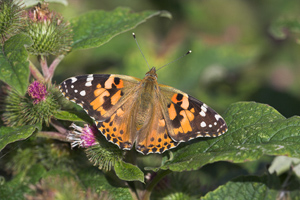
One of the fascinating aspects of butterfly photography is the arrival of migrant species. In Britain there are only two main migrants; Painted Lady and Clouded Yellow. There are several other rarer vagrants that may turn up but you would be lucky to happen across many of these more unusual species. During 2009 there has been one of the biggest migrations of Painted Lady's ever with millions of butterflies arriving in Great Britain from North Africa. Most of these have breed and the volume of the second generation has been quite outstanding. There was one estimate of over a billion Painted Lady's in Britain this summer!! Although I'd seen the movement of this species in reasonable numbers I had yet to actually catch up with them to photograph. Once the second generation had hatched they were willing to feed and bask and allow a very close approach. One early morning in August I ventured out to a local coastal site where I was hoping to find some Painted Lady's to photograph. I didn't have to walk far and within 50 metres of the car I found two Burdock bushes which were covered in Painted Lady's and Small Tortoiseshells. I estimated that within an area of 30-40 metres I could count well in excess of 50 Painted Lady's. Opposite is one of them basking on a Burdock flowerhead.
Painted Lady Butterfly Vanessa cardui
Canon 1Ds MkII & 180mm F3.5L lens & 12mm extension tube, 1/320 sec @ F8, -1/3 stop, ISO 125, monopod
For more images of this species click here or from this trip click here.
11 to 13 July 2009 - Buckinghamshire & Berkshire, UK
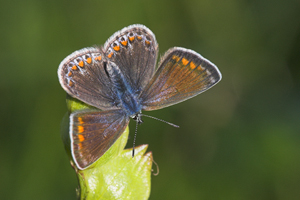
Continuing the June butterfly theme, I took off to middle England hoping for some new species to photograph. After a very wet and miserable start along with a strained back muscle, I was able to catch up with three new life species; Purple Emperor, White Admiral and Silver-studded Blue, the latter two species being photographed. There were a total of 19 species identified altogether in two full days with this beautiful Common Blue being one of the commoner ones. This pristine female perched and basked in the sun on Yellow Rattle Rhinanthus minor at Bernwood Meadow, Buckinghamshire. We also visited Finemere Wood in Buckinghamshire and Broadmoor Bottom in Berkshire.
Common Blue Butterfly Polyommatus icarus
Canon 1Ds MkII & 180mm F3.5L lens & 12mm extension tube, 1/125 sec @ F11, ISO 200, tripod & cable release
For more images of this species click here or from this trip click here.
22 - 25 June 2009 - Northumberland & Bempton Cliffs, UK
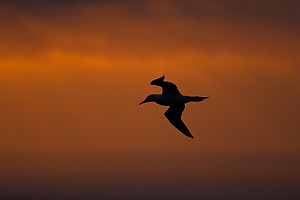
A visit to Northumberland is a must for all wildlife photographers who wish to add the commonest British breeding seabirds to their image portfolio. I had not, however visited Bempton Cliffs on the east coast of Yorkshire. I don't think I was prepared for the outstanding spectacle of the 300 foot sheer cliffs, and was in awe of the spectacle of seabirds visiting their nesting sites covering every ledge available. Amongst the usual assortment of Puffins, Guillemots, Razorbills, Kittiwakes and Fulmars is the largest mainland colony of Gannets in England. The views are not always easy as a cliff-top fence prevents the brave (or stupid!) going too near the edge. There are a number of good viewpoints and some of these are excellent places for working on flight shots. With the sun rising directly out-to-sea it is not necessarily a good first thing visiting early in the day. I was disappointed by the poor lighting conditions on arrival at 04:30 and the briefest of glows from the short sunrise offered a tiny window of opportunity as Gannets glided their way over the rough sea. Using a long telephoto lens I was just able to squeeze the best from the orange glow and the image opposite was certainly the highlight of the day.
Northern Gannet Morus bassanus
Canon 1D MkII & 500mm F4L IS lens & 1.4x converter, 1/2000 sec @ F4, -1 & 1/3 stops, ISO 400, tripod
For more images of this species click here or from this trip click here.
3 - 4 June 2009 - Priddy Mineries, Somerset, UK
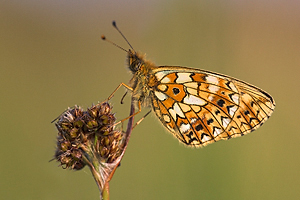
Wherever you live in the UK there are always a few local sites which are magical places to visit; however if you decided to visit at the 'wrong' time of year you may be very disappointed. Priddy Mineries along with the nearby woodland of Stock Hill are just two such sites which during the winter do not have the same draw as the summertime, when large numbers of dragonflies, butterflies, flowers and spring migrant birds turn this spot into a beautiful little gem. Having visited the site during the evening of 3rd June I was able to establish some of the key species I wished to photograph the following day. Downy Emerald, Emperor and Four-spotted Chaser dragonflies were tricky in the warm conditions; however the several butterfly species were far easier to approach as the regular passing clouds kept their activity curtailed. Small Heath, Painted Lady and Dingy Skipper were pleasing subjects but it was the Small Pearl-bordered Fritillaries that I was most interested in. This is one of my favourite images when at 21:00 they had gone to roost amongst the tall grass. This was also the time the wind dropped and I was attacked by thousands of midges; this was the time to leave after a 15 hour photo session.
Small Pearl-bordered Fritillary Boloria selene
Canon 1Ds MkII & 180mm F3.5L macro lens & 12mm extender, 1/125 sec @ F8, ISO 200, tripod & cable release
For more images of this species click here or from this trip click here.
23 - 24 May 2009 - Haugh Wood, Herefordshire, UK
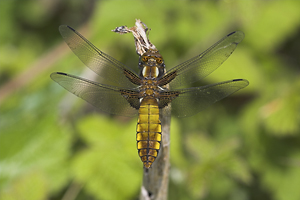
Following honeymoon blues the best thing for me was to get out into the field once again. Thankfully a friend asked if I'd like to assist on some Wood White surveying at Haugh Wood in Herefordshire so I was quite happy to tag along. A pleasant period of warm weather ensured plenty of butterfly and dragonfly activity. I think a count of 20+ Pearl-bordered Fritillaries and 50+ Wood Whites were enough to account for a good couple of days. We also discovered a small pond where several immature Broad-bodied Chasers must have recently emerged along with a hunting Club-tailed Dragonfly (from the nearby Wye River) and several Large Red Damselflies. The image opposite was one of the many chaser images that I took as they perched at the top of dead vegetation.
Broad-bodied Chaser Libellula depressa
Canon 1Ds MkII & 180mm F3.5L macro lens & 12mm extender, 1/200 sec @ F9, ISO 200, tripod
For more images of this species click here or from this trip click here.
28 April - 14 May 2009 - Seychelles
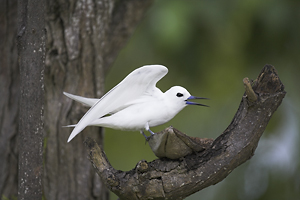
No-one can expect a birder, let alone a wildlife photographer not to take their camera away on their honeymoon especially when it is in such a wonderful destination as the Seychelles! Thankfully my lovely wife Helen was more than happy to share her luggage with a couple of lenses and flashguns! Visiting the Seychelles was an amazing experience and we managed to see 11 of the 12 endemics in the beautiful Indian Ocean surroundings missing out only on the Seychelles White-eye. The successful endemics however were: Seychelles Sunbird, Seychelles Black Parrot, Seychelles Magpie Robin, Seychelles Fody, Seychelles Warbler, Seychelles Paradise Flycatcher, Seychelles Bulbul, Seychelles Blue Pigeon, Seychelles Scops Owl, Seychelles Kestrel and Seychelles Swiftlet.
We also visited Bird Island which was one of the most amazing islands I've set foot on with thousands of nesting seabirds, although the famous Sooty Terns were not nesting at this time but coming to roost in probably 7 figures!! The other highlights included nesting Fairy Terns (opposite) which lay their single egg in a crack or depression on a branch. The people on Bird Island give some assistance in the form of coconut shells which increase the nesting locations and also nesting success. The chick stays virtually still for many weeks whilst it grows.
White (Fairy) Tern Gygis alba
Canon 1Ds MkII & 500mm F4L IS lens, 1/250 sec @ F4, +1/3 stop, ISO 400, tripod
For more images of this species click here or from this trip click here.
8 - 11 April 2009 - Cairngorms, Scotland
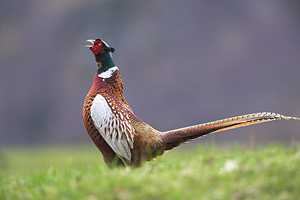
Requiring a pre-wedding photography fix, I ventured up to Scotland to repeat some of the wildlife experiences of March and May 2008. Having only 4 days was a little disappointing but good views of Black Grouse, Ptarmigan, Pine Marten and Crested Tit made for a noteworthy list. Photography, however was a little mixed with commoner species like Chaffinch, Siskin, Pheasant and Red Grouse taking some of the limelight. This Pheasant in particular was in a dominant mood having fought off a potential male intruder. The image shows him maintaining his territory with a vocal call.
Pheasant Phasianus colchicus
Canon 1Ds MkII & 500mm F4L IS lens & 1.4x converter, 1/320 sec @ F6.3, -1/3 stop, ISO 400, bean bag from car
For more images of this species click here or from this trip click here.
21 February 2009 - Gloucestershire, UK
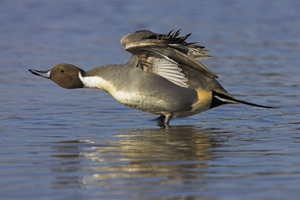
The UK Nature Photographer's Conference provided a chance to arrive early for a brief photography session at the reserve. The hides leading to Holden Tower proved quite productive with Pochard, Mallard, Gadwall and Tufted Duck shots. During the lunch interval and at the end of the conference it was possible to obtain some cracking shots of wild Pintail, Moorhen and flight shots of Bewick Swan and Starling coming in to roost. The Pintail image right was the best shot of the day taken in fantastic light (at mid-day!!).
Northern Pintail Anas acuta
Canon 1D MkII & 500mm F4L IS lens & 1.4x converter, 1/1250 sec @ F8, -1/3 stop, ISO 200, tripod
For more images of this species click here or from this trip click here.
1 - 6 February 2009 - La Serena Plains, Spain
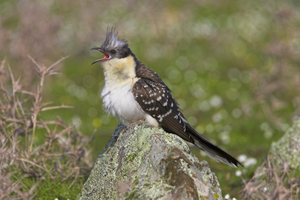
Each winter I like to take a short European break to check out a new area and the last two years Fuerteventura has been the destination. This year I wanted to see the spectacle of Common Crane migration as they move between their roosting and feeding grounds every day. During one cold vigil at Almorchan we counted 1358 cranes in one hour passing through a low cut in the mountains. Great & Little Bustards scattered the plains along with harriers, larks and many other steppe species. The highlight of the 5 day trip was an encounter with an early migrating Great-spotted Cuckoo which perched handsomely on a rock. A bit of quick thinking was required to get into position to take a sequence of images as the bird displayed.
Great Spotted Cuckoo Clamator glandarius
Canon 1D MkII & 500mm F4L IS lens & 1.4x converter, 1/800 sec @ F8, -1/3 stop, ISO 200, bean bag from car
For more images of this species click here or from this trip click here.
24 January 2009 - Aberystwyth Harbour, Wales
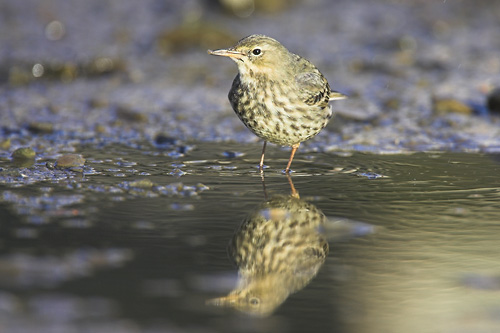
Whilst visit Tregaron to plan a future trip with friends to Cuba, I made the short journey to Aberystwyth to look for Grey Phalaropes which had been reported feeding in the surf along the south beach. Having found the birds, I proceeded to explore more of the excellent beach and harbour area and came across a pair of Goosander, a Rock Pipit and a floundering fish which jumped out onto the slipway! The tide was out so I was able to sit among the boats watching a Rock Pipit feeding in the muddy pools. The most pleasing image was this one when the bird paused by a small pool and provided a nice reflection in the afternoon light.
Rock Pipit Anthus petrosus
Canon 1D MkII & 500mm F4L IS lens & 1.4x converter, 1/500 sec @ F6.3, ISO 200, tripod
For more images of this species click here or from this trip click here.
1 - 5 January 2009 - Red Wharf Bay, Anglesey, Wales
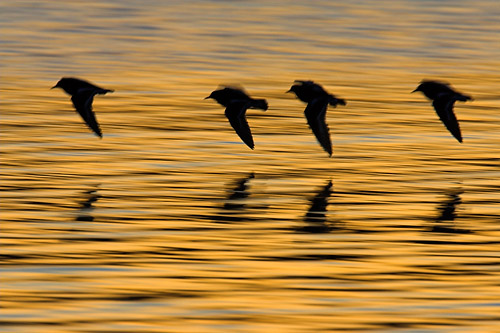
Having had the flu during New Year of 2008 I was determined to start 2009 with a trip to Anglesey. The only previous journey to this part of Wales was in November 2006 and I was really looking forward to some crisp mornings, early evenings by the fire and the chance of some interesting pictures of birds in wonderful winter light. I was not disappointed when it came to all three! Red Wharf Bay turned out to be the most productive site with Redshank, Oystercatcher, Curlew and Turnstone giving wonderful opportunities with some late evening light; oranges, purples and reds. I tried some new techniques and deliberately slowed the shutter whilst panning to get some interesting movement shots. Here is one of my favourites of four Turnstones against an orange sea.
Ruddy Turnstone Arenaria interpres
Canon 1D MkII & 500mm F4L IS lens & 1.4x converter, 1/80 sec @ F18, -1/3 stop, ISO 200, panning using tripod
For more images of this species click here or from this trip click here.
23 November 2008 - Grainthorpe, Lincolnshire, UK
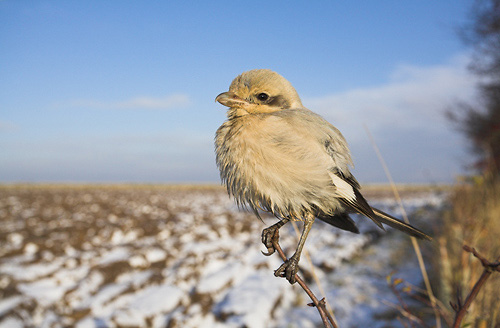
Watching the rare bird alert channels, I was keeping an eye on a very confiding shrike in Lincolnshire close to Donna Nook where I was planning a photography trip for Grey Seals. This was enough to get me excited about seeing such a rare bird on British soil. I was especially lucky with the snow that fell on the weekend I visited and I had the bird almost to myself. I have never known such a confiding bird and it was a case of waiting for it to come to me rather than trekking after it. The poor blighter was obviously looking for food but all I could offer were some biscuit crumbs, something it probably doesn't find in the wild in Asia! As the bird had been exceptionally well photographed already I took a slightly more unusual set of images using a 17-40 wide angle lens. My images were subsequently published in Bird Watch (Feb 2009) and Bird Watching (Jan & Sep 2009).
Steppe Grey Shrike Lanius meridionalis pallidirostris
Canon 1Ds MkII & 17-40 F4L lens set at 38mm, 1/1250 sec @ F8, -1/3 stop, ISO 200, handheld
For more images of this species click here or from this trip click here.
